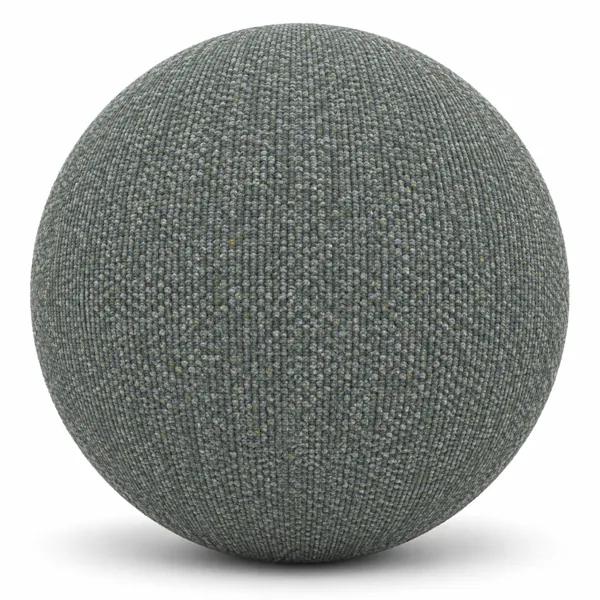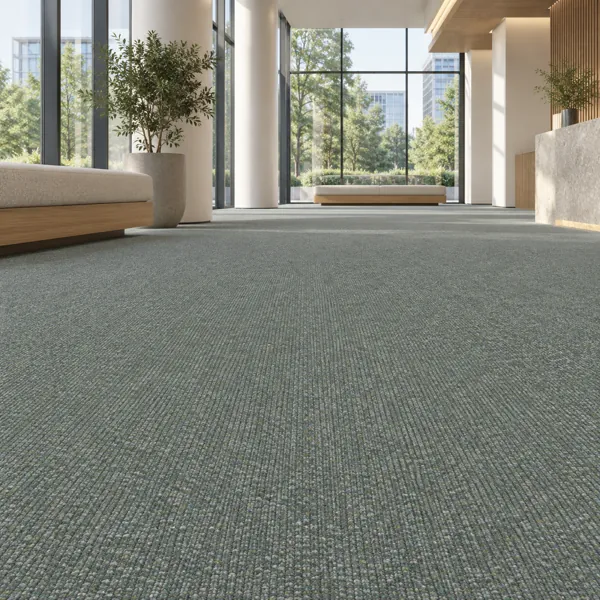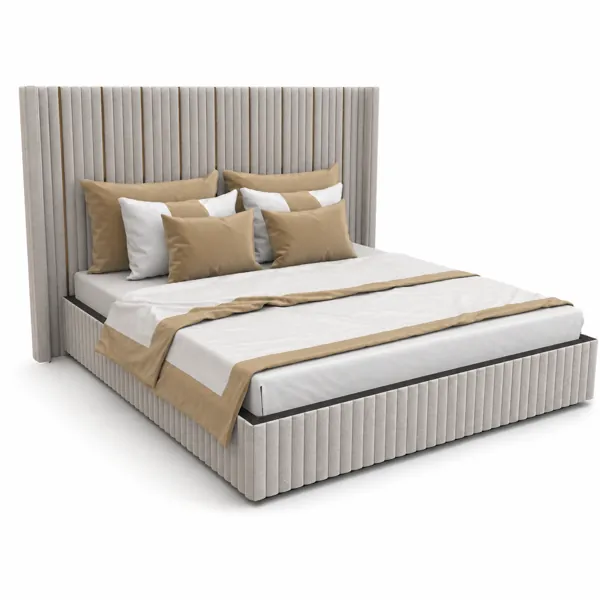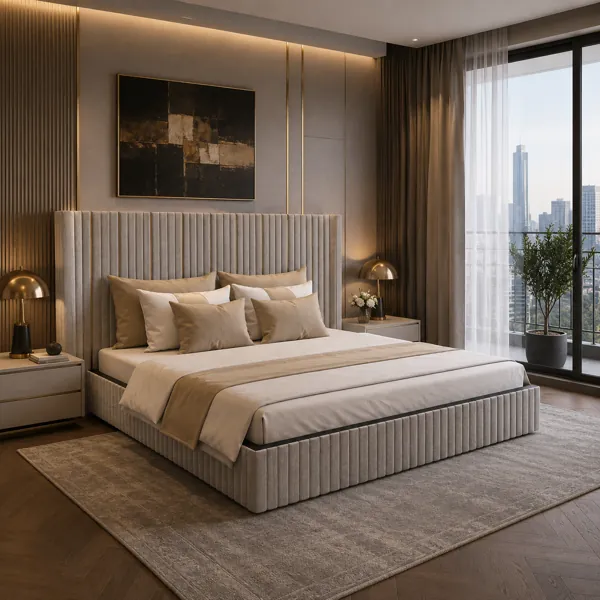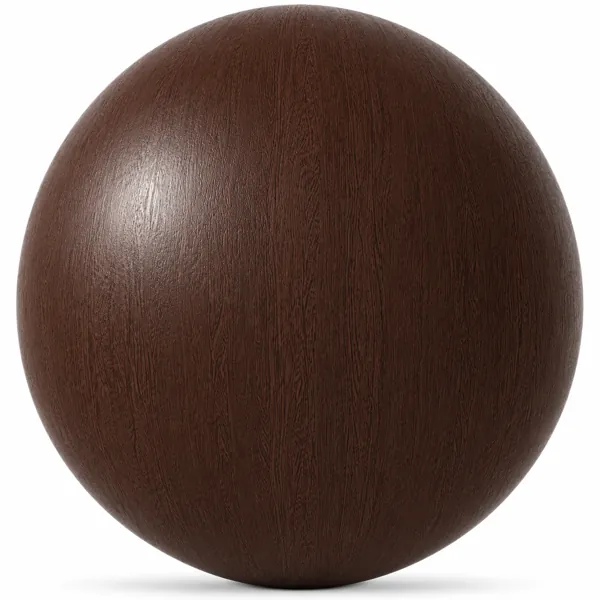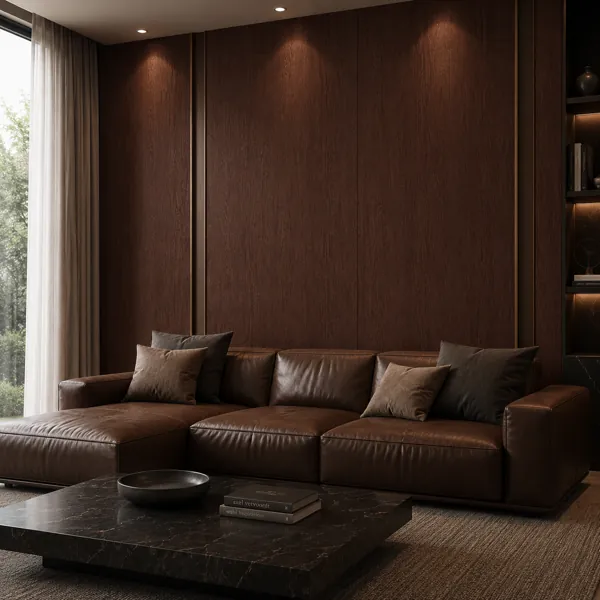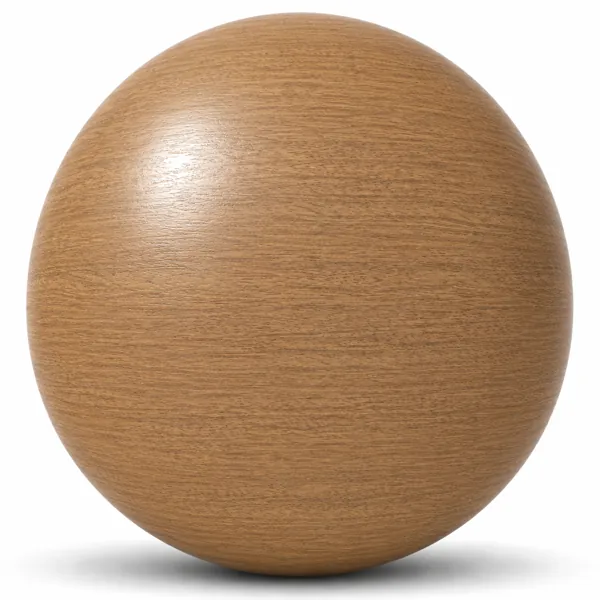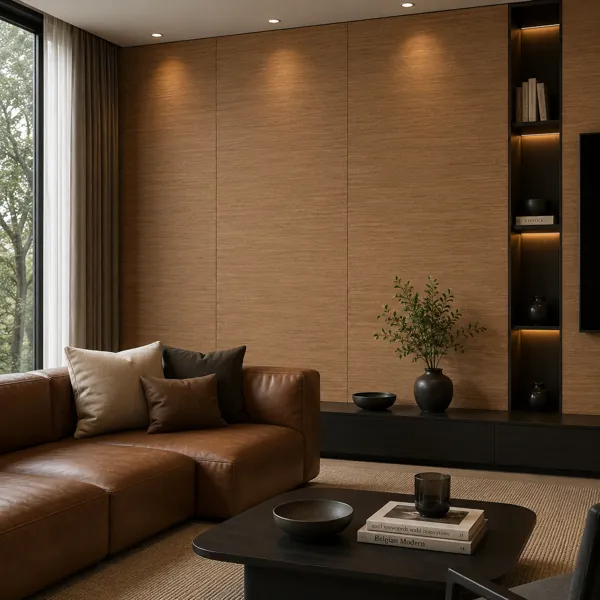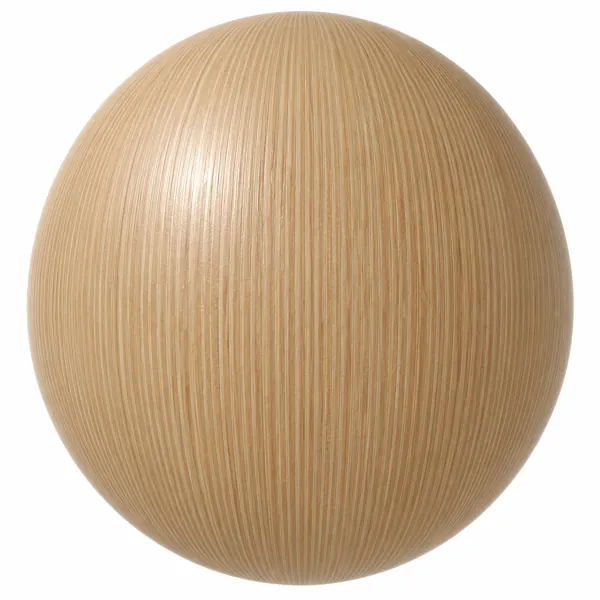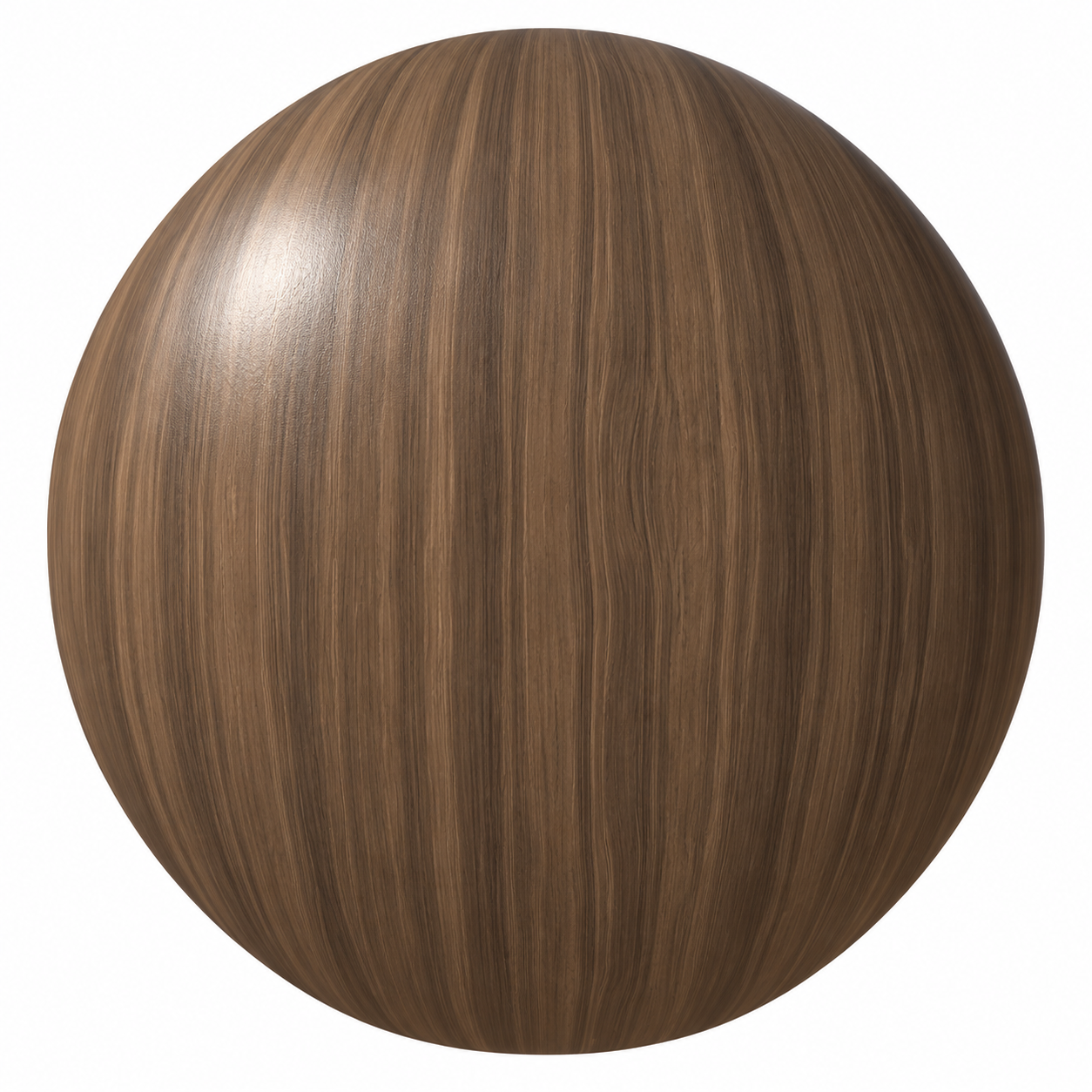
Warm Dark Brown Fine Straight Grain Wood Texture
Wood No. 00118
FREE
Specifications
- Brand
- Laruus
- Style
- Modern
- Material
- Wood
- Suitable spaces
- Living Room, Bedroom, Office, Cafe, Commercial, Kitchen, Entrance
- Color
- Brown
- File types
- Albedo MapAlpha MapAO MapBump MapDiffuse Color MapEdge MapEmission MapHeight MapMetallic MapNormal MapPacked Texture MapRoughness Map
Warm Dark Brown Fine Straight Grain Wood Texture - High Resolution Seamless PBR Textures
Description
The Warm Dark Brown Fine Straight Grain Wood Texture features a deep, warm brown appearance defined by closely spaced vertical grain lines and restrained tonal variation. Its most recognizable characteristic is the continuous arrangement of narrow, predominantly straight wood markings that extend across the surface. Fine dark streaks alternate with slightly lighter brown bands, creating a dense linear pattern without large knots or dramatic figuring. The overall color has an earthy warmth, with subtle medium-brown highlights that prevent the surface from appearing completely flat. Compared with heavily knotted or strongly patterned wood textures, this material emphasizes direction, consistency, and delicate natural variation. Its visual character suits modern furniture, decorative wall panels, cabinet surfaces, and architectural interiors where a warm dark wood finish is desired. Although the pattern resembles straight-grained decorative timber, the exact botanical wood species cannot be established from the image alone.
The visible wood structure consists of numerous elongated grain lines running almost vertically through the image. Most lines remain relatively straight, although occasional gentle curves and small variations in spacing introduce a more natural appearance. Darker brown streaks create narrow channels between warmer mid-brown areas, giving the pattern a layered visual rhythm. The surface does not show prominent open cracks, large knots, obvious board joints, or strongly contrasting sapwood sections. This creates a relatively uniform texture that can be visually effective on broad architectural surfaces. The preview suggests a fine-grained wood appearance rather than a coarse, heavily figured timber pattern. However, the image does not establish the physical dimensions of the represented wood, the actual depth of its grain, or the type of protective finish. A matte, satin, lacquered, or brushed surface treatment cannot be reliably identified from the diffuse color image. The texture's seamless edge matching must also be verified separately before it is described as technically tileable.
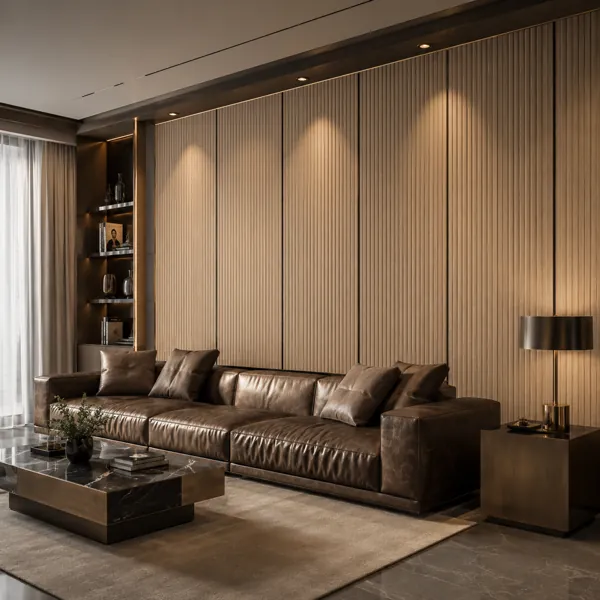
For residential interiors, this warm dark brown wood texture can be used as a material reference for wardrobes, kitchen cabinetry, shelving, television units, bedside furniture, and decorative wall cladding. Its fine vertical grain makes it particularly suitable for tall cabinet doors, full-height panels, and continuous architectural elements. In living rooms, the warm brown palette can coordinate with beige upholstery, cream-colored walls, dark metal details, and natural stone surfaces. Bedrooms may incorporate a similar wood appearance on headboard walls, fitted wardrobes, and storage furniture to introduce warmth without relying on a highly decorative grain pattern. In kitchens, the texture can inform the appearance of cabinet fronts, island panels, and integrated storage systems. Offices, cafes, and commercial interiors may use comparable finishes on reception desks, shelving, partitions, and furniture panels. These examples describe potential visual applications rather than verified manufacturing uses. The suitability of a physical product depends on its actual substrate, coating, durability, and installation requirements.
In architectural visualization and CGI production, the texture provides a useful color reference for building realistic dark brown wood materials. Within 3ds Max, the supplied diffuse or albedo image can be assigned to a compatible material shader and positioned using UV Mapping. Because the grain is predominantly vertical, mapping orientation should be considered carefully when applying it to cabinet doors, wall panels, and other tall elements. Horizontal surfaces, such as shelves and tabletops, may require rotation of the UV coordinates to reflect the intended direction of the wood grain. Texture scale also affects realism. If the image is enlarged excessively, the narrow grain lines may appear unnaturally wide. If it is reduced too much, the delicate streaks may become difficult to distinguish at normal viewing distances. For larger scenes, test the appearance under the final camera angle and lighting arrangement. Repeated patterns should be examined for visible duplication, particularly when the texture covers extensive wall or furniture surfaces.
Within modern interior design, warm dark brown wood can provide a visual connection between natural materials and restrained contemporary architecture. Its linear grain works well with simple cabinet geometries, flush doors, minimalist shelving, and large uninterrupted panels. The relatively consistent coloring allows other interior elements, such as stone countertops, upholstered furniture, decorative lighting, and metal hardware, to remain visually distinct. When paired with pale walls and light flooring, the dark brown tone can establish a clear contrast. In darker interior schemes, it can blend with bronze, charcoal, and muted neutral colors to create a cohesive material palette. The vertical markings can also reinforce the perception of height when used on tall surfaces. Unlike wood textures dominated by large knots or sweeping grain figures, this pattern provides subtle surface movement while maintaining a controlled appearance. Its final visual effect depends on lighting, mapping direction, material reflectivity, and the surrounding design elements.
The supplied image confirms the warm dark brown coloring, fine longitudinal grain, predominantly straight vertical direction, and subtle tonal variation. It does not independently verify the wood species, physical scale, surface treatment, seamless tiling, or compatibility with a specific renderer. The listed Albedo, Alpha, AO, Bump, Diffuse Color, Edge, Emission, Height, Metallic, Normal, Packed Texture, and Roughness maps are based on the provided product specifications; their individual contents cannot be confirmed from the single visible preview. In a PBR workflow, verified maps can be connected to the appropriate shader inputs to control base color, surface relief, reflections, and roughness. Bump strength and roughness settings should be calibrated according to the intended finish instead of being inferred solely from the color image. Before final rendering, verify UV orientation, texture scaling, edge continuity, pattern repetition, and the material's response to the scene lighting.
Frequently asked questions
Is this texture free?
Yes. You can download it with a free Laruus account. Free textures are limited to 5 downloads per day.
Which software can I use this texture in?
The maps are standard image files, so they work in any renderer with PBR materials, such as Corona or V-Ray in 3ds Max, Blender, SketchUp with V-Ray or Enscape, and Unreal Engine.
What do I get when I download it?
A 45.5 MB download. It was added to Laruus on November 5, 2026.
Which spaces is it suitable for?
It suits Living Room, Bedroom, Office, Cafe, Commercial, Kitchen, and Entrance projects. Style: Modern.
Are there 3D models that use this material?
Yes. Laruus has 3D models in the same material:
- Wood — 225Browse Armchairs (29)