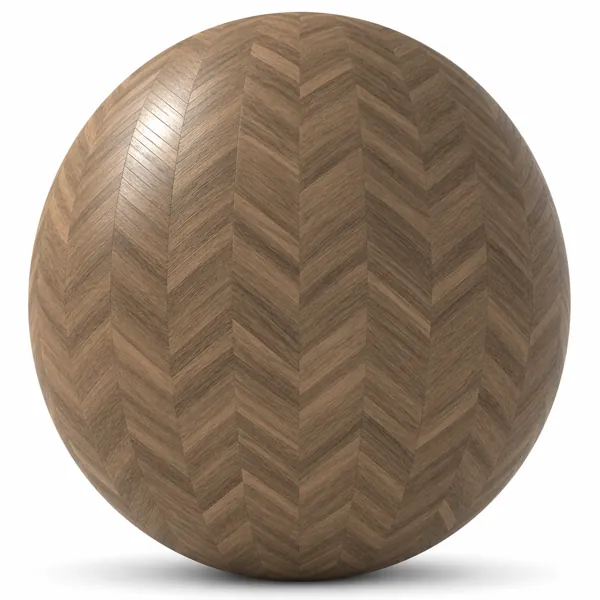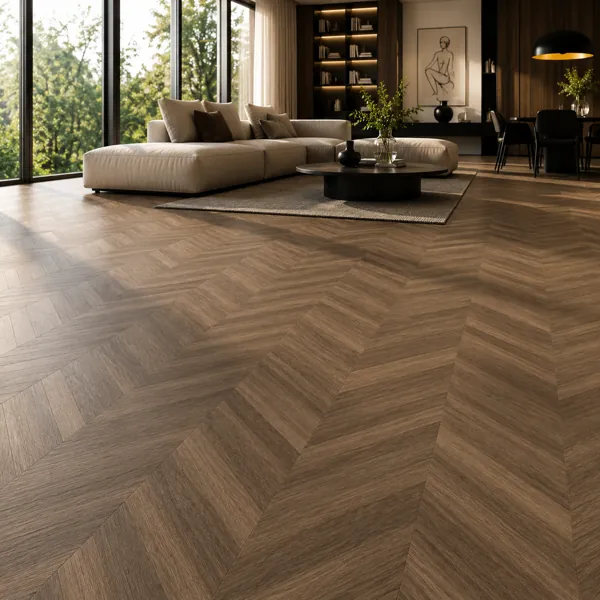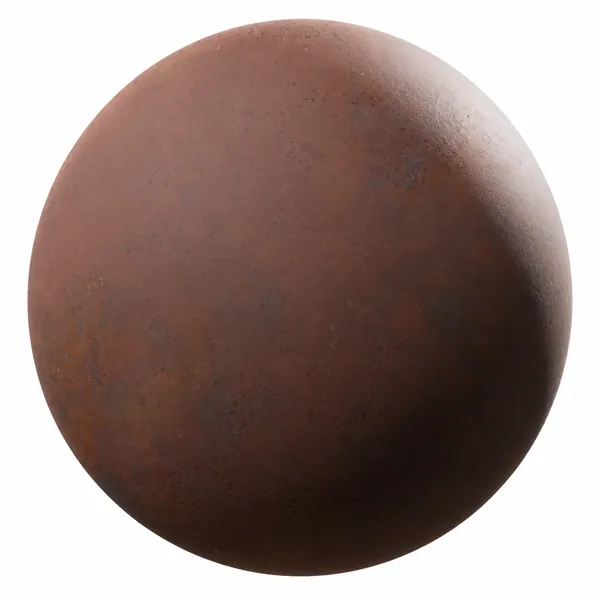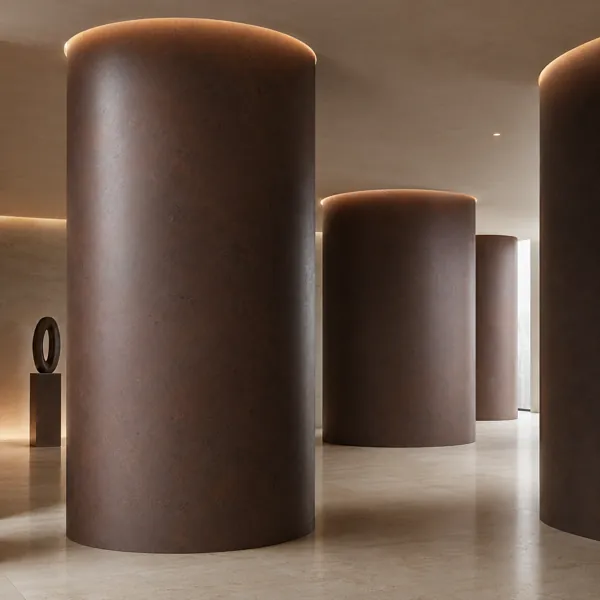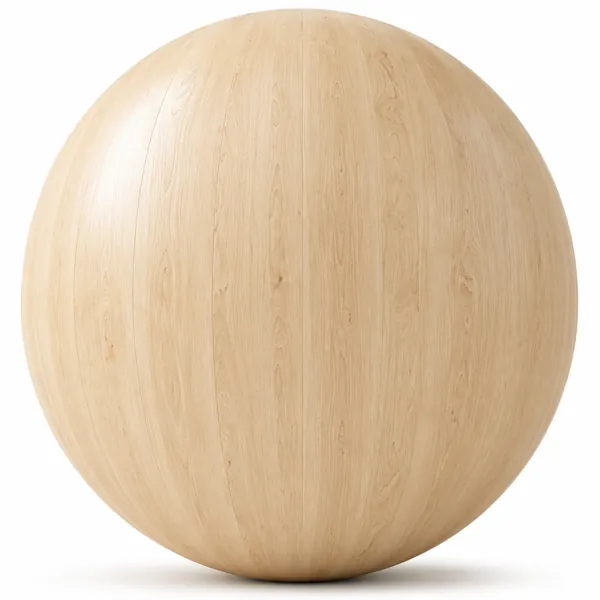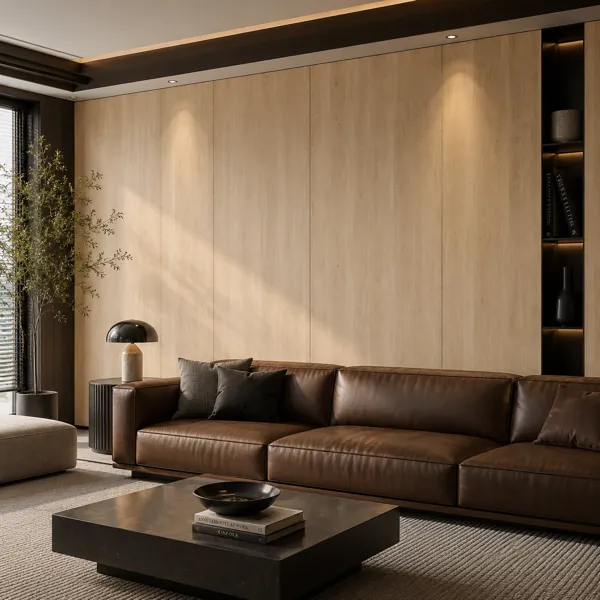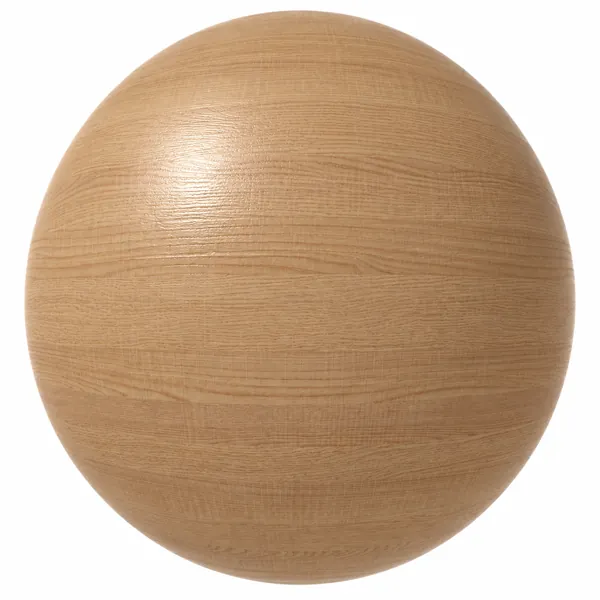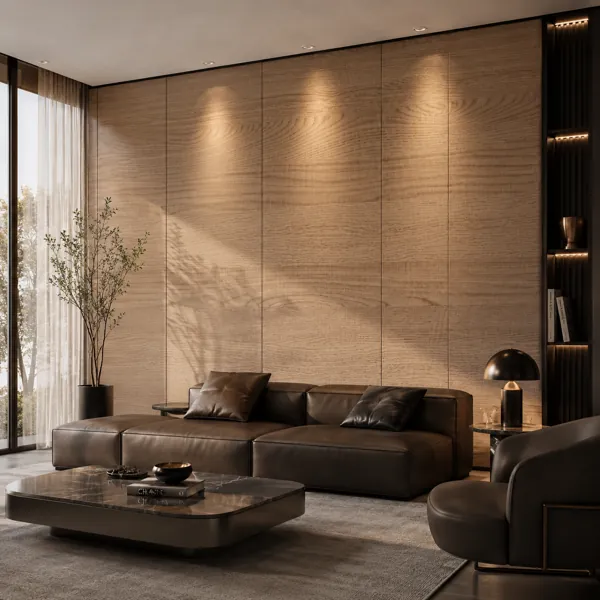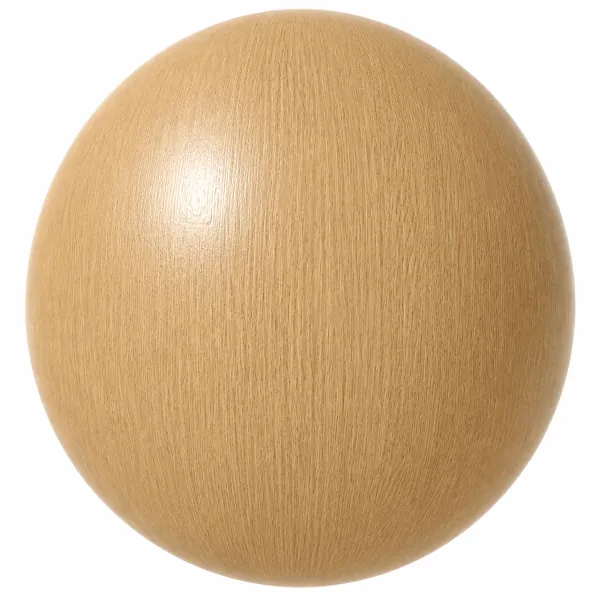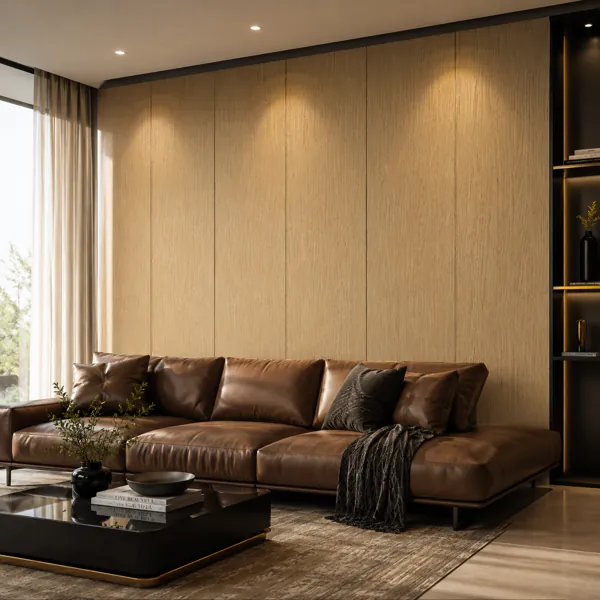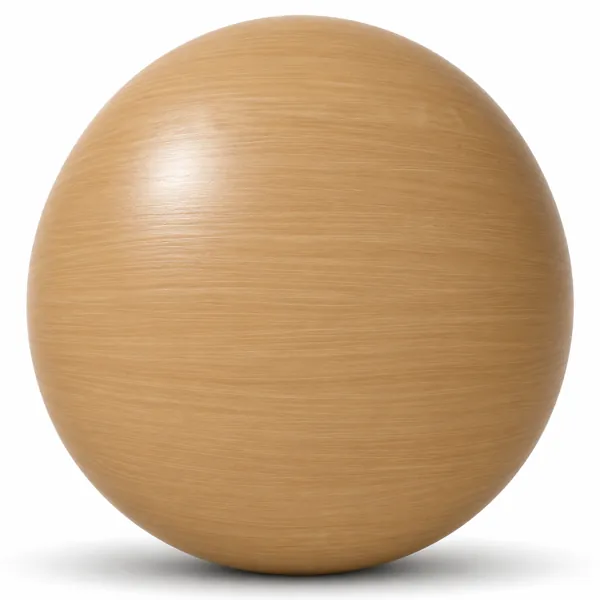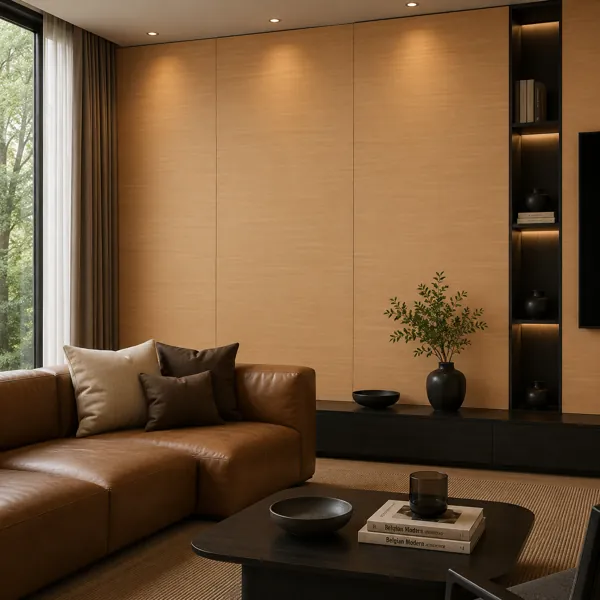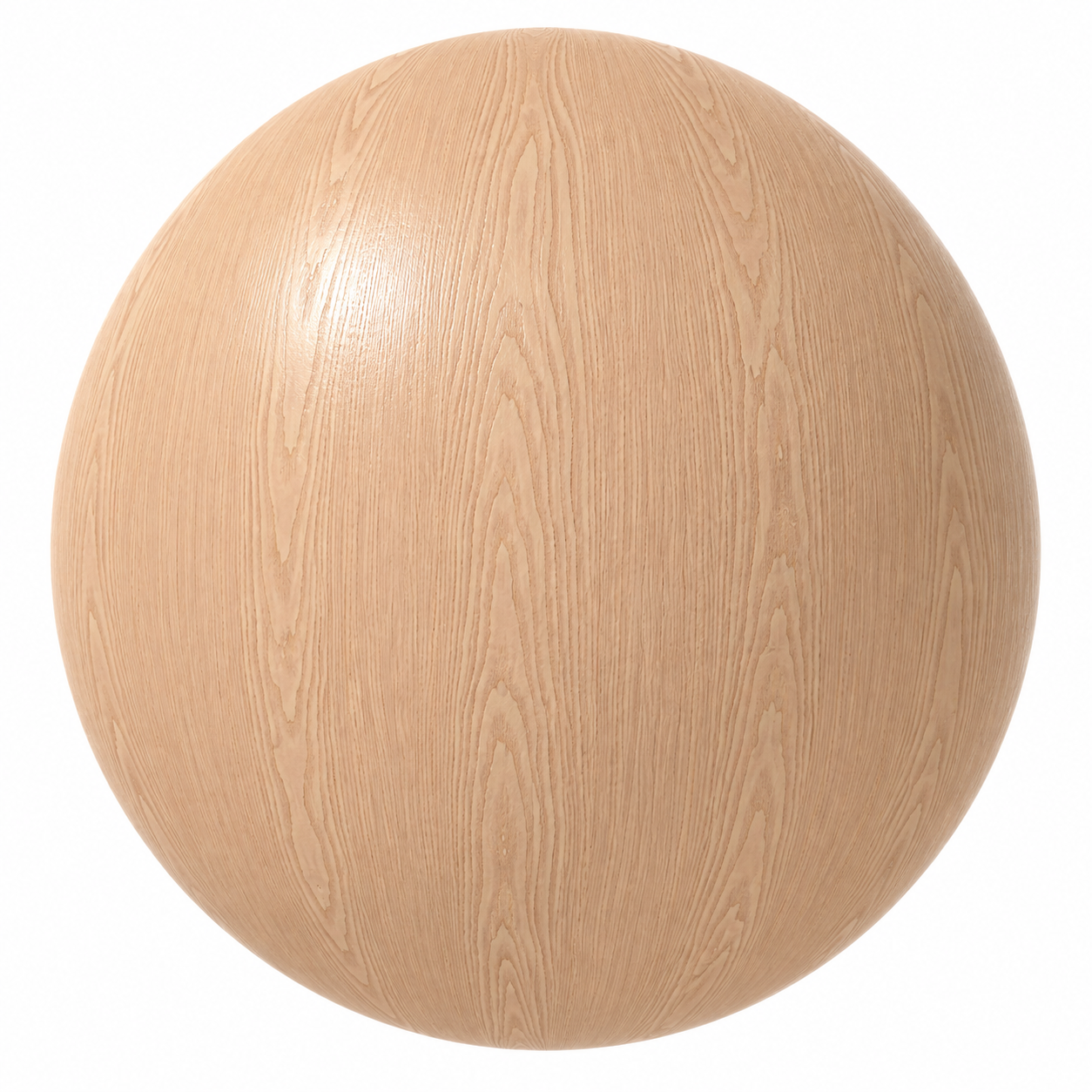
Pale Beige Wide Flowing Grain Wood Texture
Wood No. 00080
FREE
Specifications
- Brand
- Laruus
- Style
- Modern
- Material
- Wood
- Suitable spaces
- Living Room, Bedroom, Office, Cafe, Commercial, Kitchen, Entrance, Childroom
- Color
- BeigeBrown
- File types
- Albedo MapAlpha MapAO MapBump MapDiffuse Color MapEdge MapEmission MapHeight MapMetallic MapNormal MapPacked Texture MapRoughness Map
Pale Beige Wide Flowing Grain Wood Texture - High Resolution Seamless PBR Textures
Description
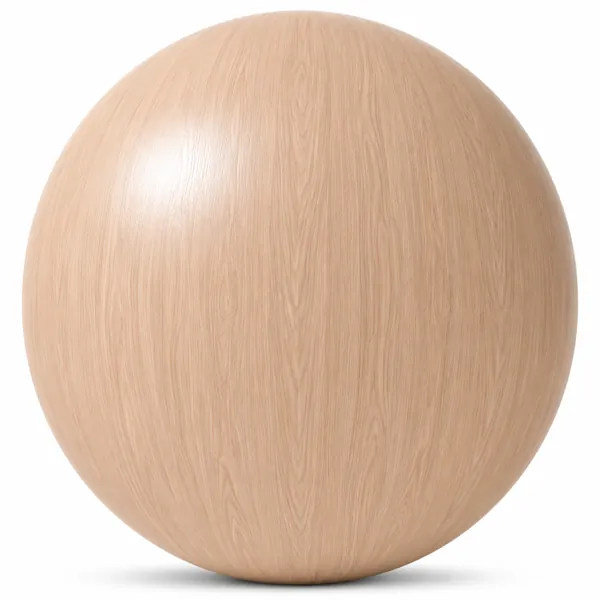
Pale Beige Wide Flowing Grain Wood Texture presents a light neutral timber surface distinguished by elongated linear fibers combined with broader, organically flowing grain formations. The visible color is predominantly pale beige with restrained light brown detailing, producing a soft natural appearance suited to contemporary material palettes. Unlike highly uniform straight-grain finishes, this texture includes several wider grain movements that form gently irregular elongated shapes among the finer parallel lines. These visible characteristics create a recognizable identity while keeping the overall surface calm, light, and suitable for modern architectural and furniture applications.
The wood structure combines closely spaced longitudinal grain with wider areas where the pattern opens into more pronounced flowing formations. Fine darker lines establish a consistent directional rhythm, while the broader sections introduce natural variation without relying on heavy knots or extreme color contrast. This balance allows the material to remain visually interesting across large surfaces while retaining enough subtlety for smaller components. Correct mapping scale and grain orientation are especially important: the elongated pattern can emphasize the proportions of doors, cabinet fronts, tables, shelving, wall panels, wardrobes, and other architectural joinery when aligned logically with each object's construction.
Its pale beige and light brown palette makes the texture adaptable to Living Room, Bedroom, Office, Cafe, Commercial, Kitchen, Entrance, and Childroom environments. It can complement minimalist, Scandinavian-inspired, contemporary, and warm-neutral interiors where a light natural wood finish is required. The surface works particularly well beside off-white or beige Fabric, neutral Stone, Ceramic, Glass, and understated Metal details. Darker accents can create controlled contrast, while similarly pale materials support a quiet monochromatic composition. On broad wall cladding or cabinetry, the flowing grain can become a subtle visual feature without competing aggressively with furniture or decorative elements.
For architectural visualization and CGI workflows, the mixture of fine linear grain and broader flowing areas provides useful reference points for evaluating UV orientation, texture scale, and continuity between surfaces. In 3D's Max, the provided texture maps can be incorporated into a compatible PBR material setup according to renderer requirements. Soft daylight can reveal the subtle difference between the pale base tone and slightly darker grain, while directional artificial lighting may strengthen the visibility of the wood structure. Maintaining the original pattern scale is important in close-up views so that the wider grain formations remain believable rather than appearing oversized.
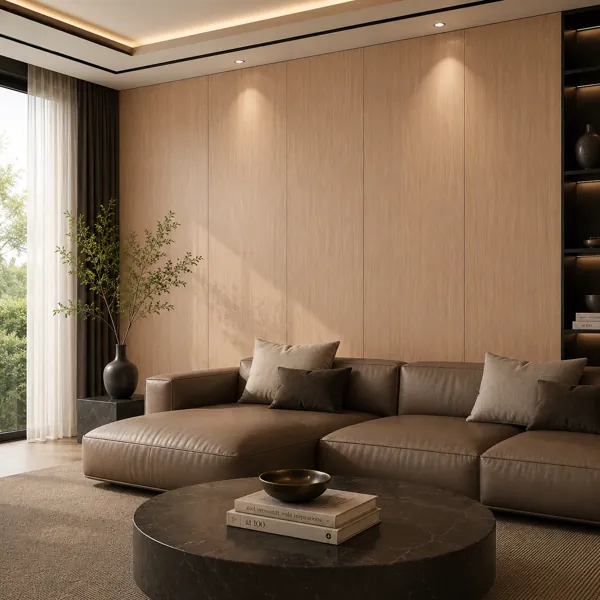
Within interior design scenes, this material can operate as either a principal wood finish or a supporting neutral surface. Vertically mapped wall panels can visually reinforce ceiling height and showcase the long grain direction, while horizontal orientation can extend the perceived width of desks, media units, counters, shelving, or custom cabinetry. The light coloration helps preserve brightness in interiors and combines effectively with restrained modern palettes. Because the texture contains both fine straight lines and wider organic grain movement, it can introduce natural variation to large uninterrupted surfaces while still maintaining a coherent, controlled appearance across coordinated furniture elements.
The supplied Albedo Map, Alpha Map, AO Map, Bump Map, Diffuse Color Map, Edge Map, Emission Map, Height Map, Metallic Map, Normal Map, Packed Texture Map, and Roughness Map provide multiple channels for compatible PBR workflows. Depending on the chosen material system, these maps can contribute to color, relief, shading, and surface response. For convincing results, preserve the pale beige tone, retain the visible light brown grain contrast, maintain realistic texture density, and align the directional pattern consistently. Avoid unnecessary stretching, excessive scaling, or mismatched grain orientation between adjacent components.
Frequently asked questions
Is this texture free?
Yes. You can download it with a free Laruus account. Free textures are limited to 5 downloads per day.
Which software can I use this texture in?
The maps are standard image files, so they work in any renderer with PBR materials, such as Corona or V-Ray in 3ds Max, Blender, SketchUp with V-Ray or Enscape, and Unreal Engine.
What do I get when I download it?
A 38.8 MB download. It was added to Laruus on September 3, 2026.
Which spaces is it suitable for?
It suits Living Room, Bedroom, Office, Cafe, Commercial, Kitchen, Entrance, and Childroom projects. Style: Modern.
Are there 3D models that use this material?
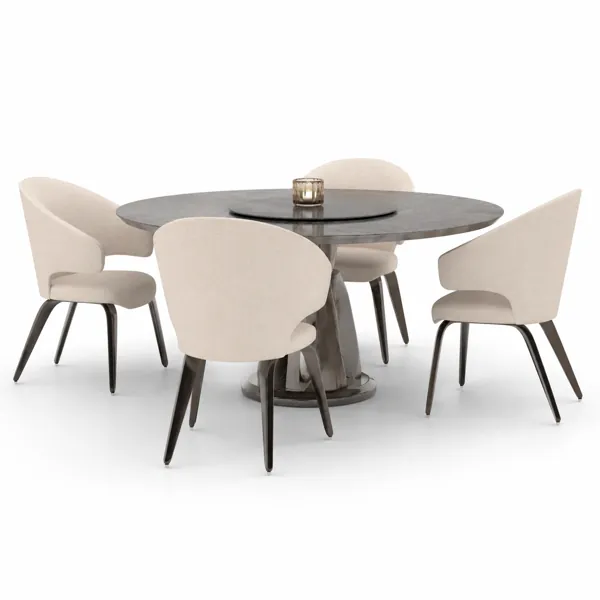
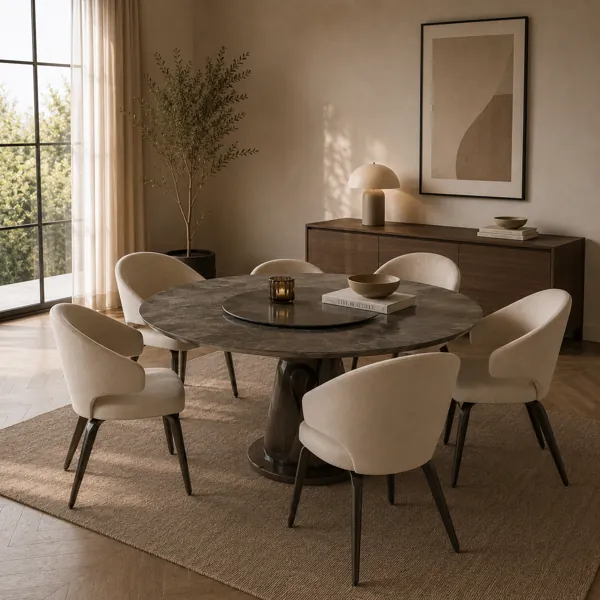
Yes. Laruus has 3D models in the same material:
- Wood — 197Browse Armchairs (29)