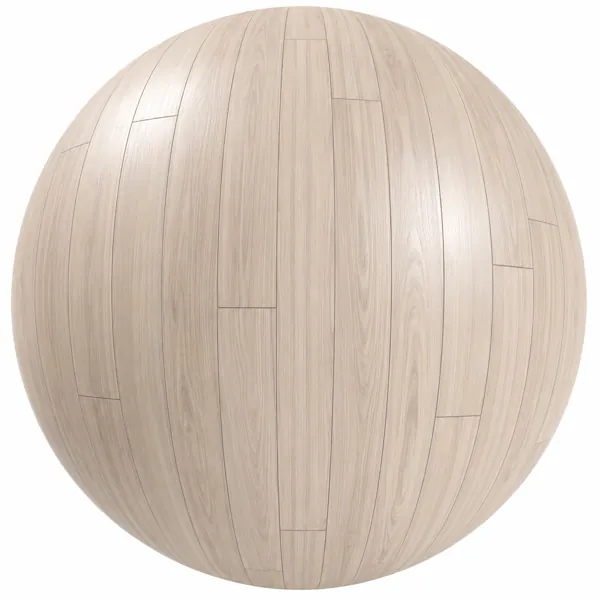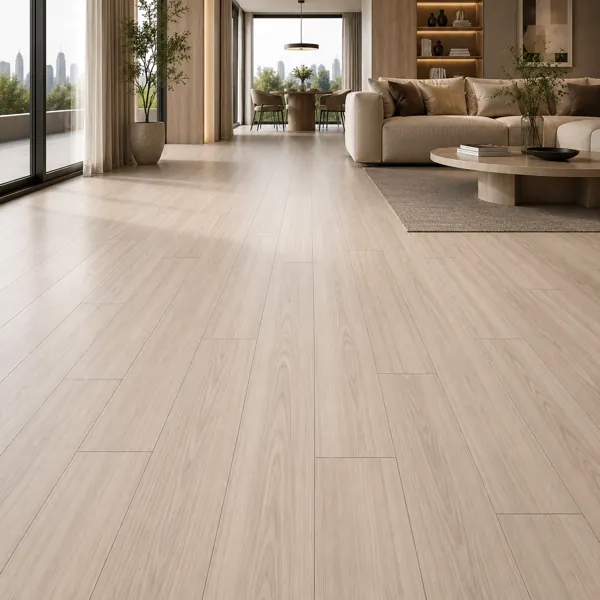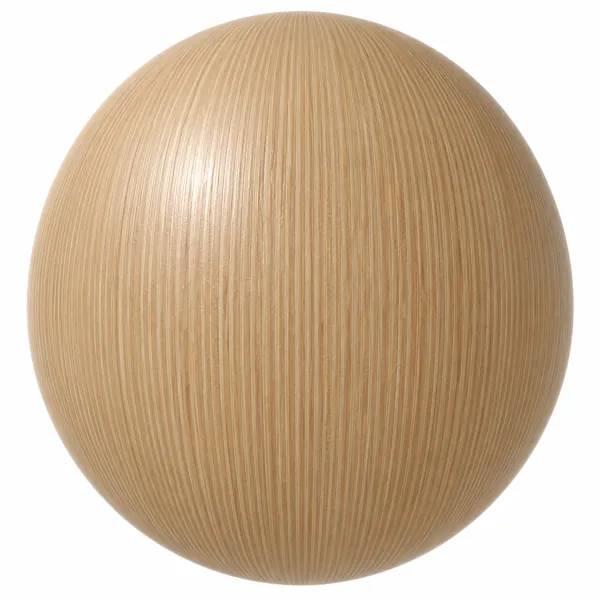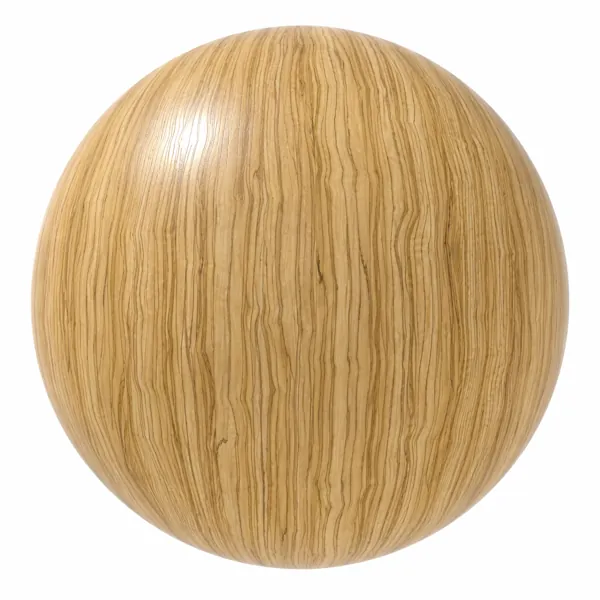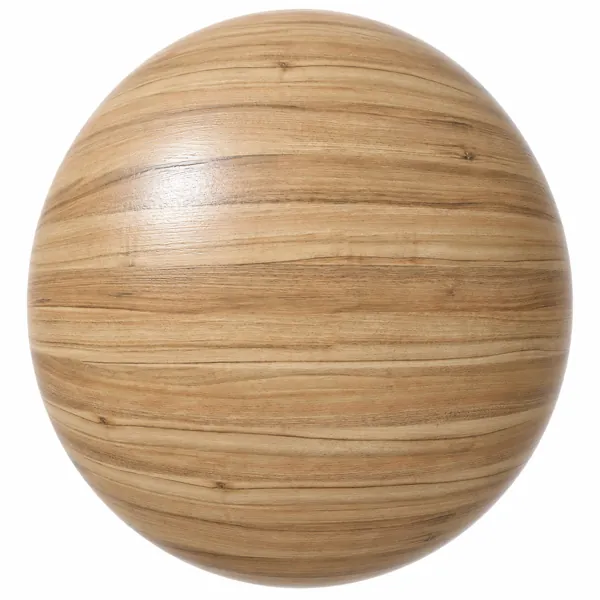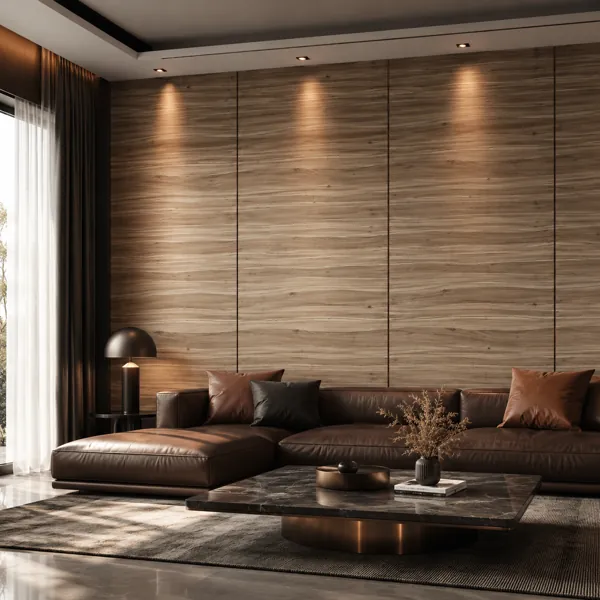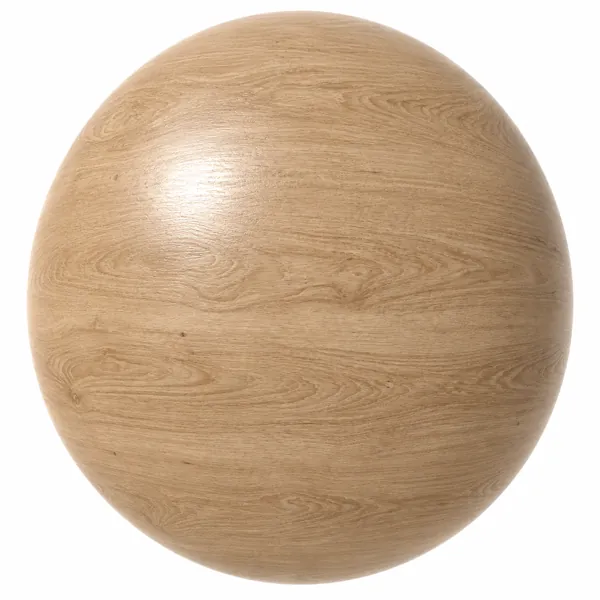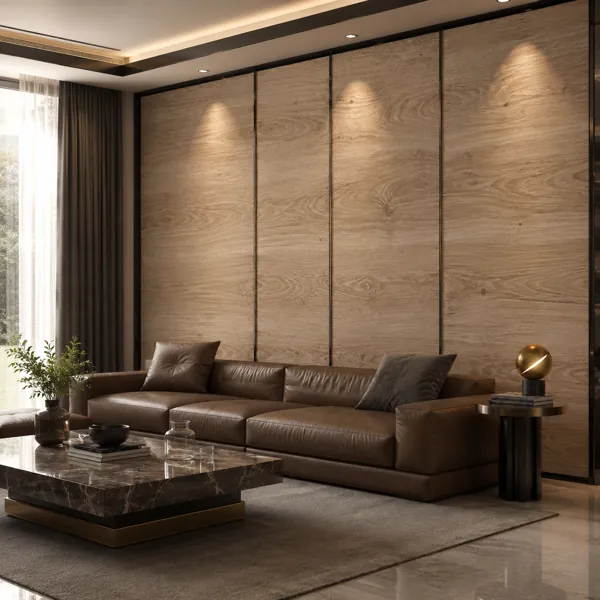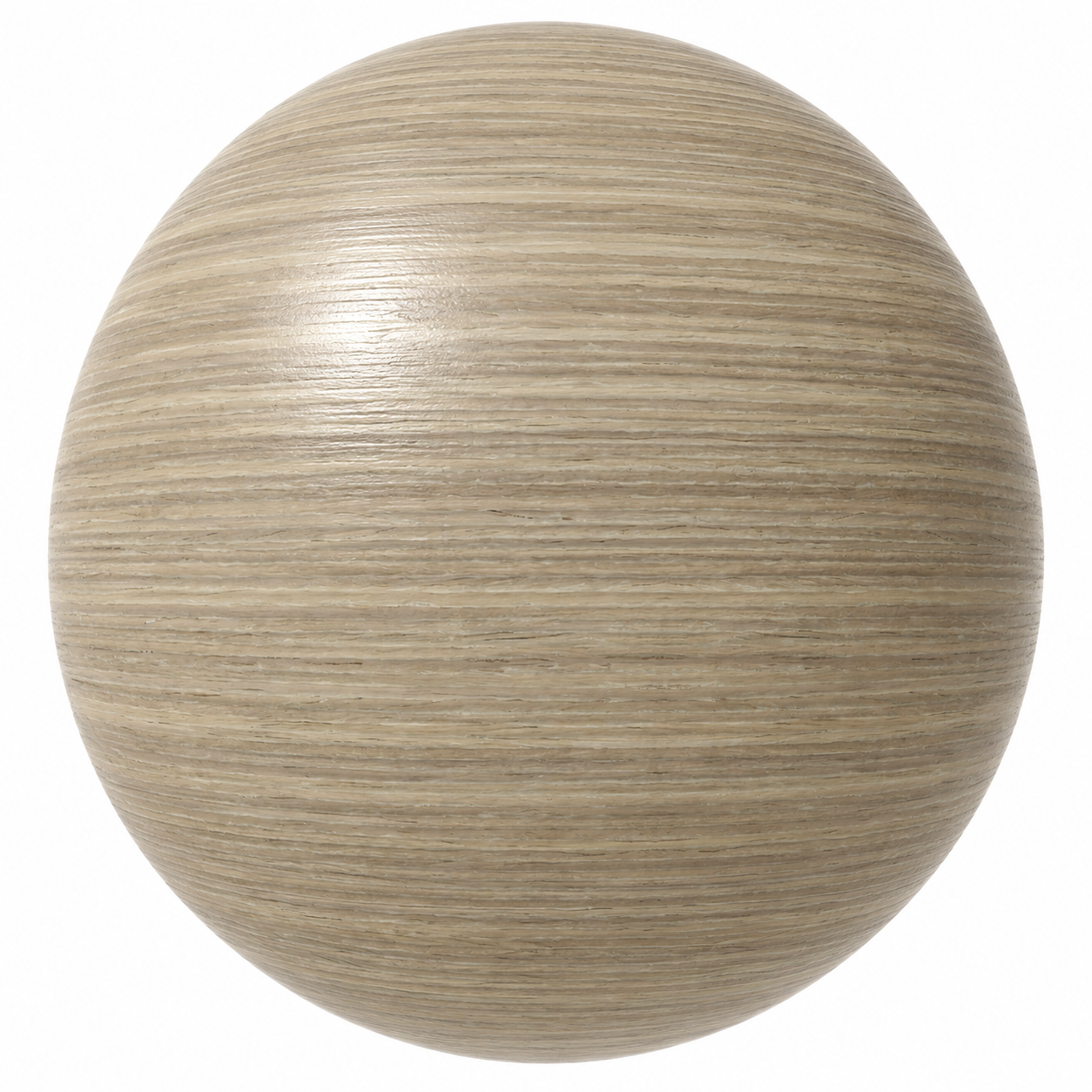
Beige Horizontal Layered Grain Wood Texture
Wood No. 00070
FREE
Specifications
- Brand
- Laruus
- Style
- Modern
- Material
- Wood
- Suitable spaces
- Living Room, Bedroom, Office, Cafe, Commercial, Kitchen, Entrance, Childroom
- Color
- BeigeBrownWhite
- File types
- Albedo MapAlpha MapAO MapBump MapDiffuse Color MapEdge MapEmission MapHeight MapMetallic MapNormal MapPacked Texture MapRoughness Map
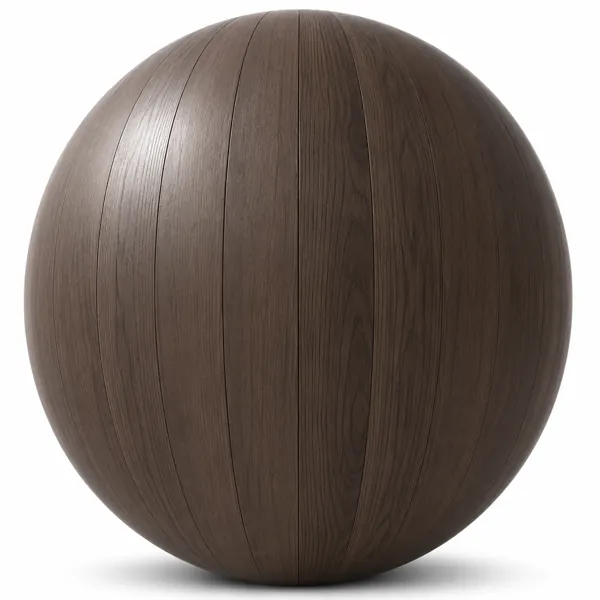
Beige Horizontal Layered Grain Wood Texture - High Resolution Seamless PBR Textures
Description
Beige Horizontal Layered Grain Wood Texture features a distinctive linear surface defined by closely spaced horizontal grain bands, warm beige coloring, pale cream accents, and subtle brown tonal variation. The visual character is calm and highly directional, with fine layered lines extending continuously across the surface rather than forming large knots or dramatic irregular patterns. Its restrained palette and detailed grain make it particularly suitable for modern interiors where natural-looking wood surfaces need visual interest without becoming overly dominant. The combination of Bej, Kahverengi, and lighter Beyaz tones gives the material a soft, neutral appearance that coordinates naturally with contemporary architectural palettes.
The defining feature of this wood texture is its dense horizontal grain structure. Numerous thin, irregular bands create a layered appearance, with slight changes in thickness, brightness, and tone preventing the surface from looking mechanically uniform. Pale lines are interspersed with warmer beige and light brown sections, while occasional darker marks provide additional depth. Because the exact wood species cannot be determined reliably from the supplied image alone, the material is described through its clearly visible color and grain characteristics rather than assigning an unsupported species name. This makes the texture useful when the desired design language depends primarily on linear wood grain and warm neutral coloration.
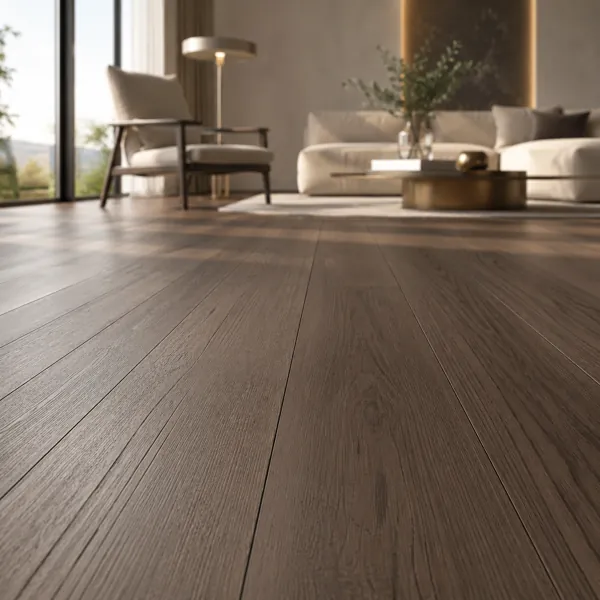
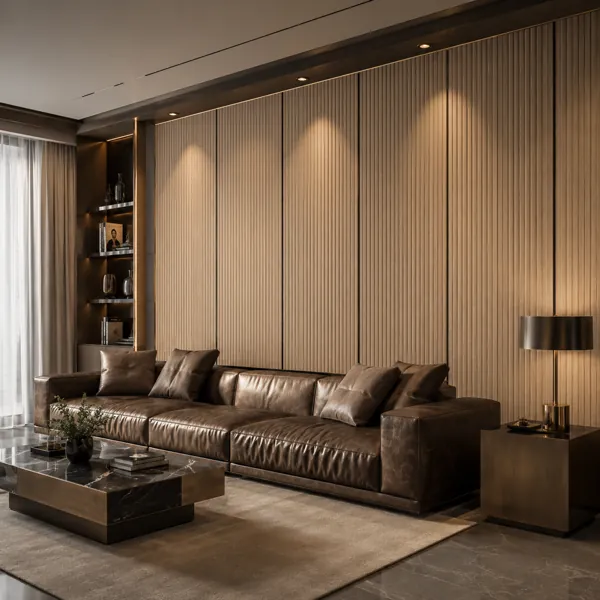
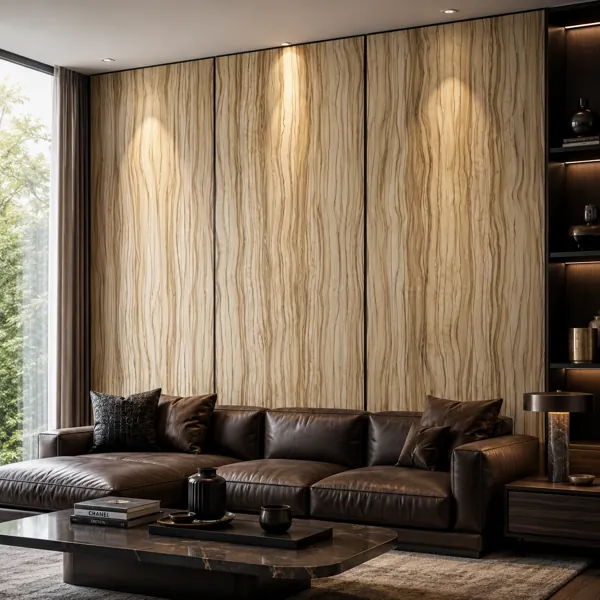
In interior applications, the material can work effectively on wall cladding, decorative panels, cabinetry, built-in furniture, shelving, doors, reception elements, and selected furniture surfaces. Its light beige appearance can complement Living Room and Bedroom schemes built around warm neutrals, while the organized horizontal grain is equally appropriate for Office, Cafe, Commercial, Kitchen, Entrance, and Childroom environments. Designers can combine it with stone, glass, metal, fabric, or other understated materials to create balanced compositions where the wood contributes texture and warmth without introducing an excessively strong color statement.
For architectural visualization and CGI workflows, the directional grain provides clear surface information that can help communicate material orientation on modeled objects. In 3D's Max projects, the texture can be positioned according to the geometry so that the horizontal lines follow the intended design direction. This is especially important on broad wall surfaces, cabinet fronts, long counters, and furniture components, where grain orientation influences the perceived proportions of the object. Appropriate UV mapping and consistent texture scale help maintain the fine layered character visible in the source material and avoid unwanted stretching or disproportionate grain size.
Within modern interior design, this beige wood texture is well suited to minimalist, warm contemporary, Scandinavian-influenced, and neutral material palettes. Its fine linear pattern can visually widen surfaces when applied horizontally, making it useful for expansive feature walls and elongated furniture forms. The subtle cream and brown transitions also provide enough variation to remain readable under soft daylight, indirect illumination, and controlled artificial lighting without relying on exaggerated contrast.
The supplied texture package lists Albedo, Alpha, AO, Bump, Diffuse Color, Edge, Emission, Height, Metallic, Normal, Packed Texture, and Roughness maps. These map types provide options for building detailed PBR material setups according to the requirements of the chosen rendering workflow. For realistic results, preserve the visible beige base tone, fine horizontal grain density, and restrained tonal variation while adjusting mapping scale to the target object. Avoid enlarging the grain excessively, since the closely layered linear detail is the primary visual characteristic that distinguishes this wood texture.
Frequently asked questions
Is this texture free?
Yes. You can download it with a free Laruus account. Free textures are limited to 5 downloads per day.
Which software can I use this texture in?
The maps are standard image files, so they work in any renderer with PBR materials, such as Corona or V-Ray in 3ds Max, Blender, SketchUp with V-Ray or Enscape, and Unreal Engine.
What do I get when I download it?
A 77.5 MB download. It was added to Laruus on September 3, 2026.
Which spaces is it suitable for?
It suits Living Room, Bedroom, Office, Cafe, Commercial, Kitchen, Entrance, and Childroom projects. Style: Modern.
Are there 3D models that use this material?
Yes. Laruus has 3D models in the same material:
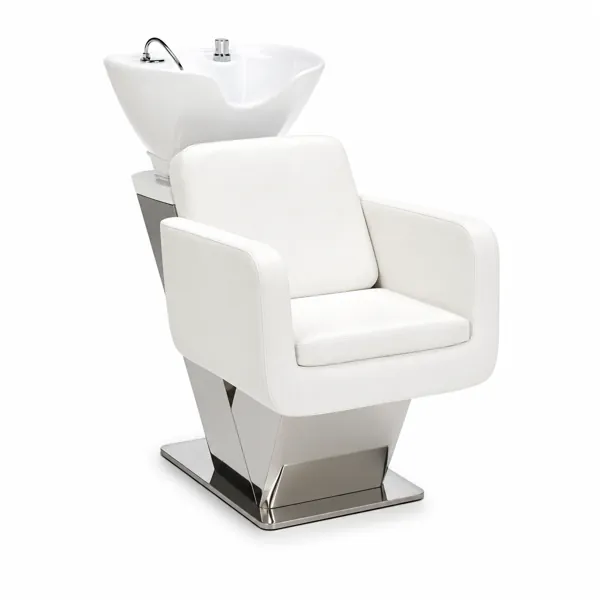
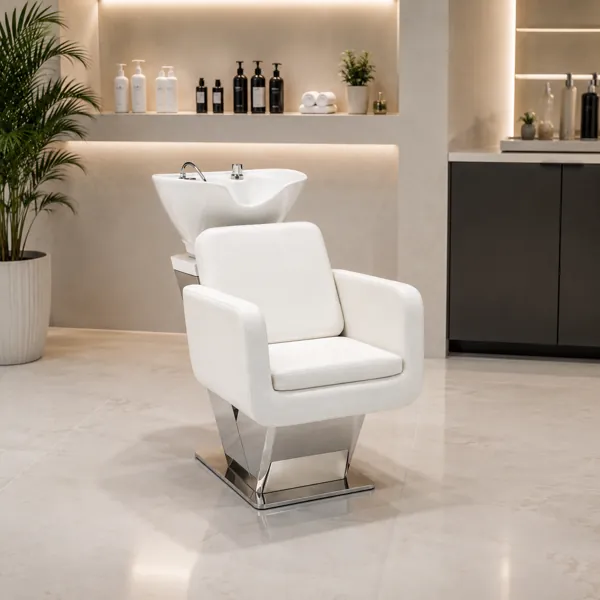
- Wood — 197Browse Armchairs (29)