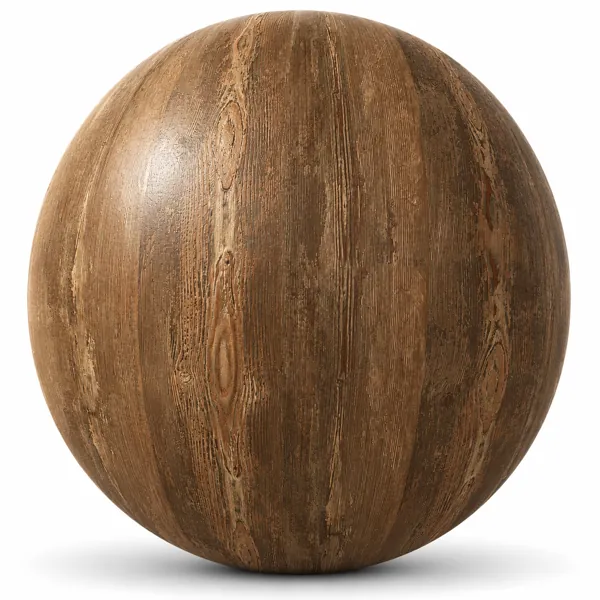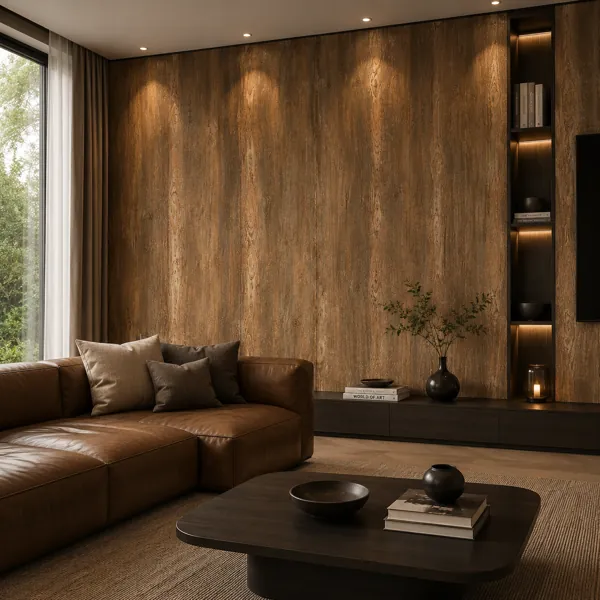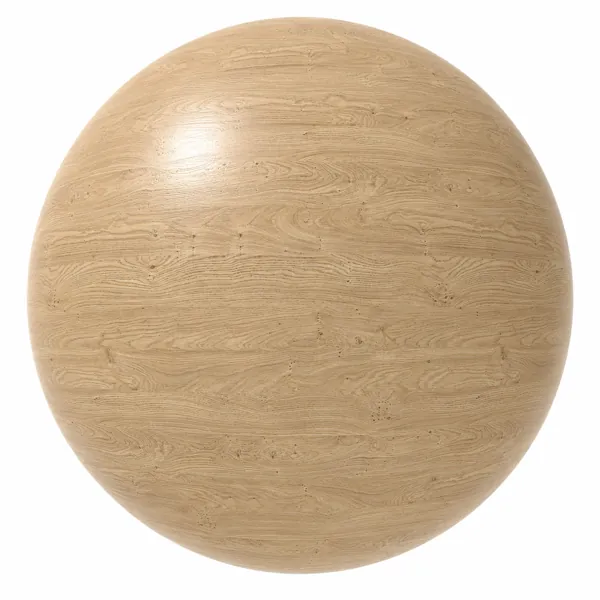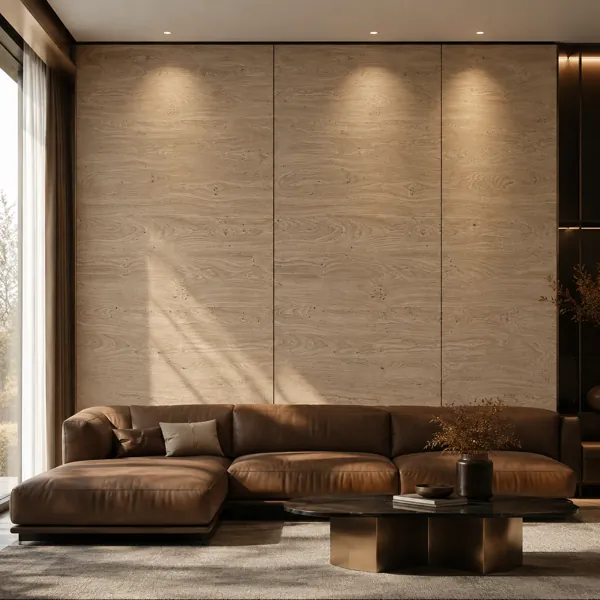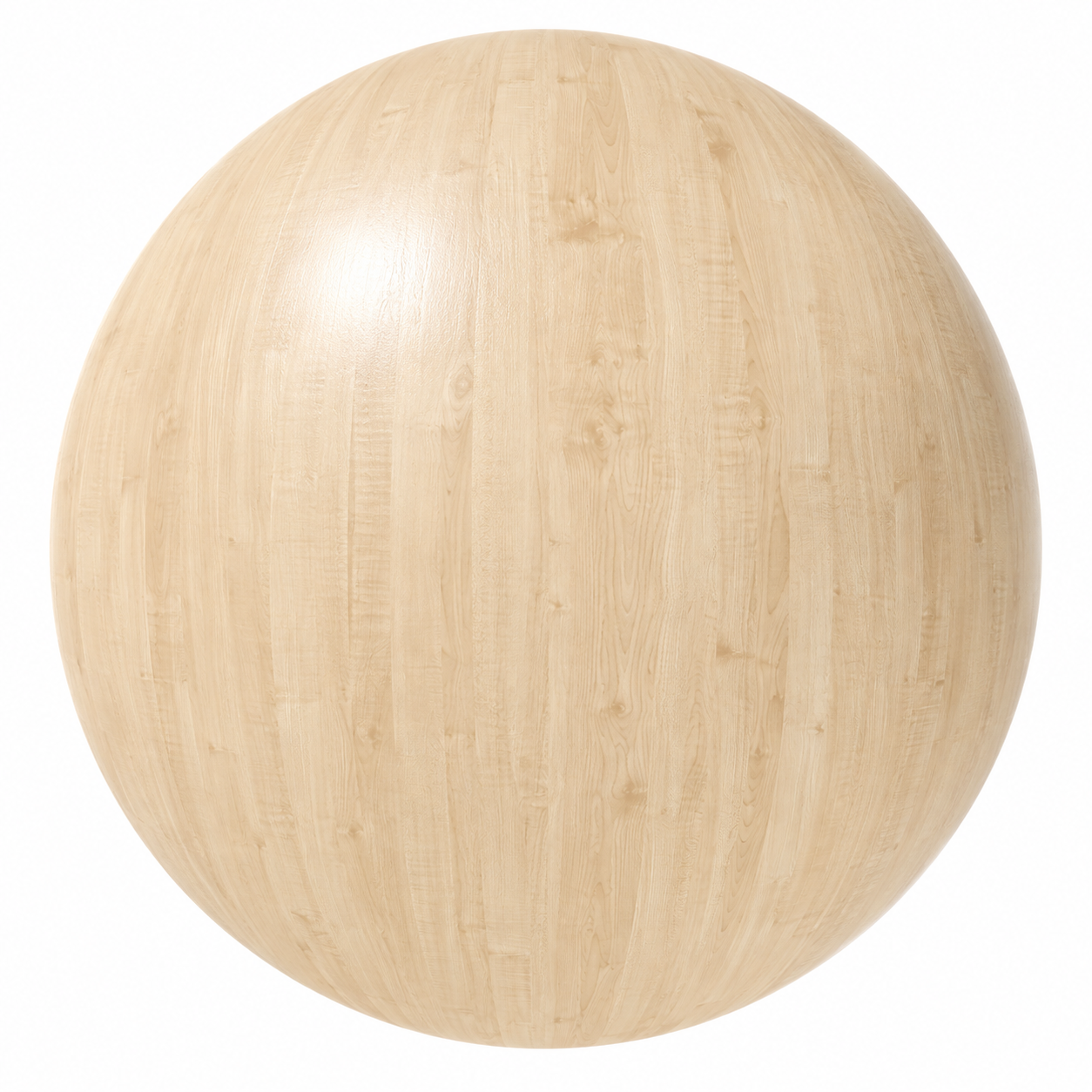
Pale Beige Mixed Plank Grain Wood Texture
Wood No. 00086
FREE
Specifications
- Brand
- Laruus
- Style
- Modern
- Material
- Wood
- Suitable spaces
- Living Room, Bedroom, Office, Cafe, Commercial, Kitchen, Entrance, Childroom, Balcony
- Color
- Beige
- File types
- Albedo MapAlpha MapAO MapBump MapDiffuse Color MapEdge MapEmission MapHeight MapMetallic MapNormal MapPacked Texture MapRoughness Map
Pale Beige Mixed Plank Grain Wood Texture - High Resolution Seamless PBR Textures
Description
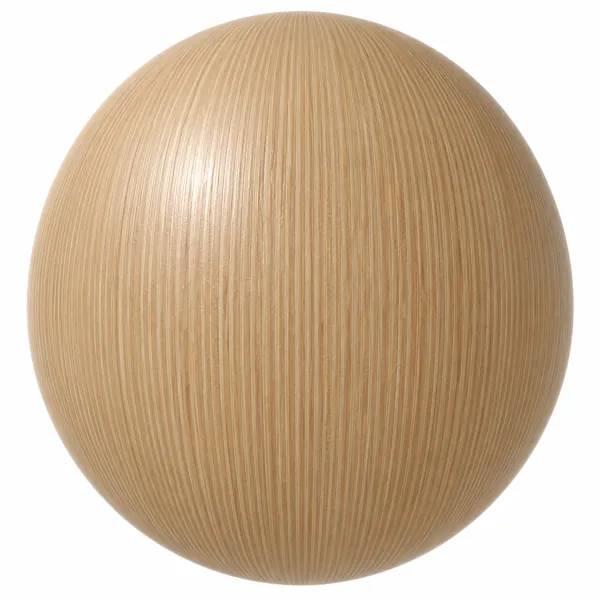
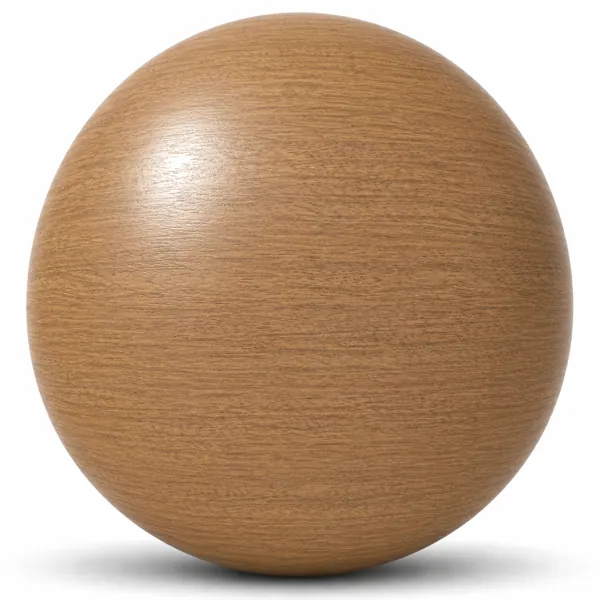
Pale Beige Mixed Plank Grain Wood Texture presents a light natural timber surface distinguished by softly varied plank sections, fine linear grain, visible knots, and understated beige tonal changes. The surface combines relatively straight-grained areas with sections showing more irregular fiber patterns, creating a varied appearance without strong color contrast. Its pale coloration gives the material a calm, contemporary character, while the subtle knots and changing grain density preserve the visual irregularity associated with natural wood. This combination makes the texture suitable for modern interiors where a light timber finish is required without an overly uniform or artificial appearance.
The visible structure is composed of multiple longitudinal plank-like sections with different grain characteristics. Some areas display narrow parallel lines, while others contain broader growth patterns, small knots, soft streaks, and gently changing tonal bands. The distinction between neighboring sections is subtle rather than sharply defined, allowing the material to read as a cohesive timber surface. Beige dominates the overall palette, accompanied by slightly darker natural grain markings. The restrained contrast is particularly useful on large surfaces because it introduces texture and movement while remaining visually quiet enough to support furniture, architectural elements, and decorative materials around it.
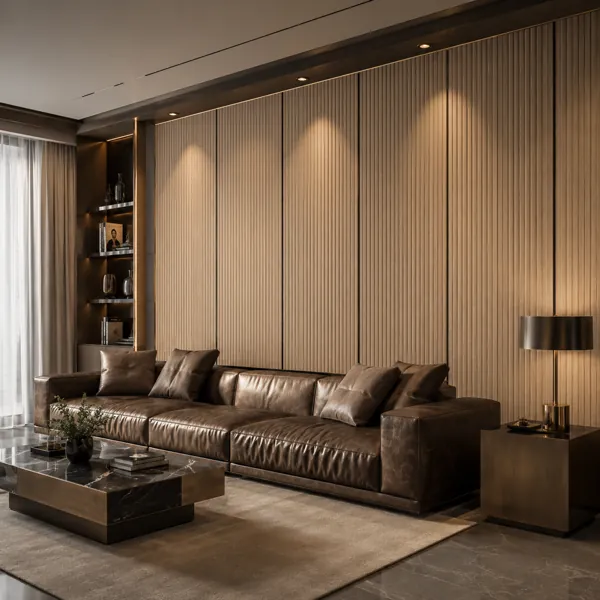
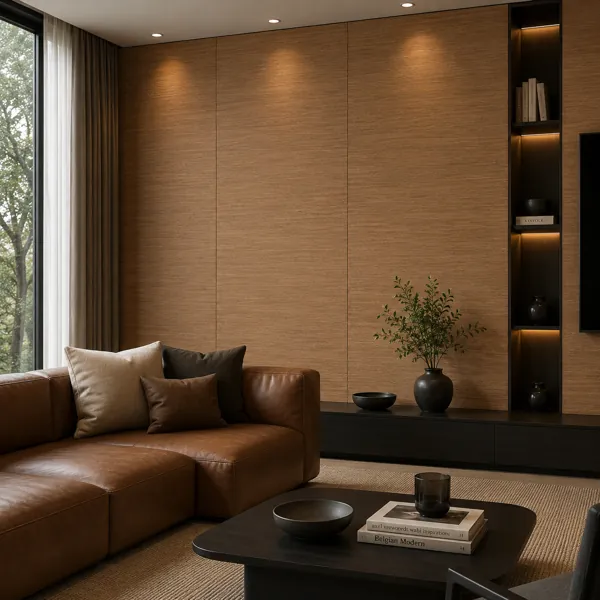
This light wood texture can be used across Living Room, Bedroom, Office, Cafe, Commercial, Kitchen, Entrance, Childroom, and Balcony visualization projects when wood is appropriate for the intended application. Potential uses include cabinetry, wall panels, shelving, wardrobes, tables, desks, counters, doors, storage units, decorative panels, and other timber components. The pale beige tone works naturally with white, cream, grey, and muted neutral interiors, while the visible grain provides enough definition to distinguish the wood from plain painted surfaces. It can also create a balanced contrast alongside Metal, Glass, Stone, Ceramic, Fabric, and darker wood finishes.
For architectural visualization and CGI production, the mixed plank grain provides useful natural variation across broad modeled surfaces. In 3D's Max workflows, UV orientation should follow the construction logic of each object so that the elongated grain remains believable. Vertical grain can work effectively on tall cabinetry, doors, wardrobes, and wall panels, while horizontal orientation may suit shelves, counters, desks, or long furniture components. Maintaining a consistent mapping scale is important when the same material appears on several connected objects, especially because the visible knots and varying plank widths provide recognizable reference points for perceived scale.
Within modern interior design, the material can support Scandinavian-inspired, minimalist, contemporary, natural, and soft-neutral compositions. Its light beige character can visually brighten cabinetry or large wall surfaces without relying on a completely white finish. The mixed grain pattern also gives simple geometric furniture additional surface interest. Against darker metal accents, the wood appears warmer and more organic; paired with beige textiles or pale stone, it contributes to a quieter tonal composition. Designers can use the texture as a primary timber finish or as a secondary material that introduces natural detail without dominating the scene.
The supplied texture set includes Albedo Map, Alpha Map, AO Map, Bump Map, Diffuse Color Map, Edge Map, Emission Map, Height Map, Metallic Map, Normal Map, Packed Texture Map, and Roughness Map for compatible PBR material workflows. Individual maps should be connected according to the requirements of the selected shader and renderer. To preserve the visual identity shown in the reference, retain the pale beige base tone, subtle plank-to-plank variation, elongated grain direction, fine fiber detail, and visible knots. Avoid excessive saturation, heavy contrast, oversized mapping, or distortion that would change the restrained natural appearance of the original wood surface.
Frequently asked questions
Is this texture free?
Yes. You can download it with a free Laruus account. Free textures are limited to 5 downloads per day.
Which software can I use this texture in?
The maps are standard image files, so they work in any renderer with PBR materials, such as Corona or V-Ray in 3ds Max, Blender, SketchUp with V-Ray or Enscape, and Unreal Engine.
What do I get when I download it?
A 84.8 MB download. It was added to Laruus on September 3, 2026.
Which spaces is it suitable for?
It suits Living Room, Bedroom, Office, Cafe, Commercial, Kitchen, Entrance, Childroom, and Balcony projects. Style: Modern.
Are there 3D models that use this material?
Yes. Laruus has 3D models in the same material:
- Wood — 197Browse Armchairs (29)
You might also like
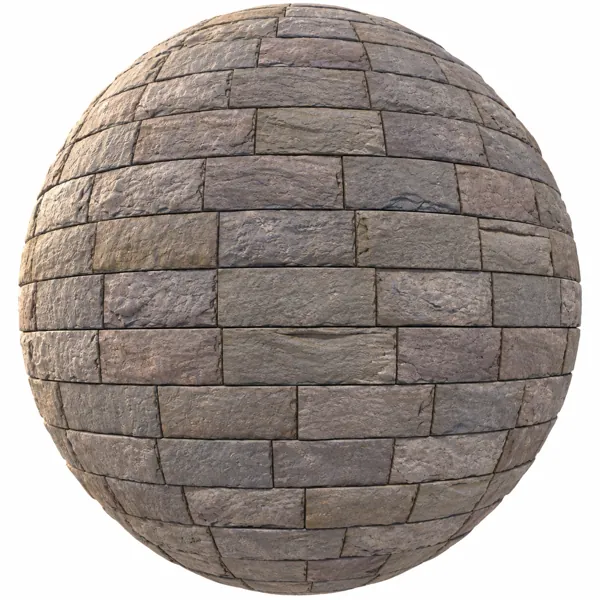
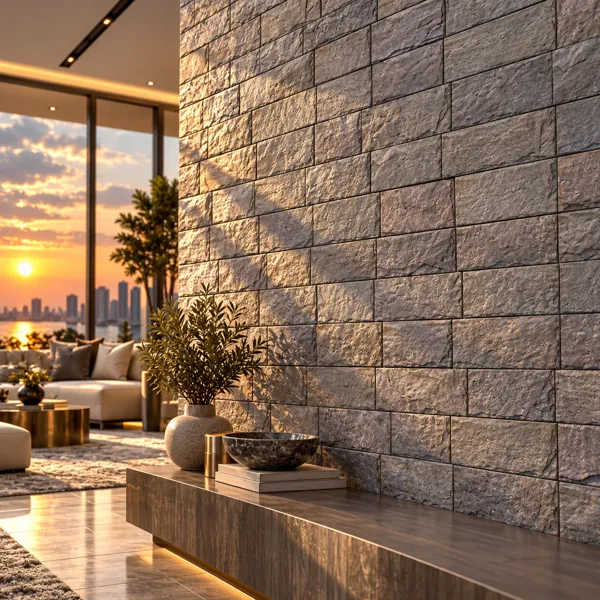
Muted Taupe Gray Rectangular Grid Stone Tile Texture
Laruus
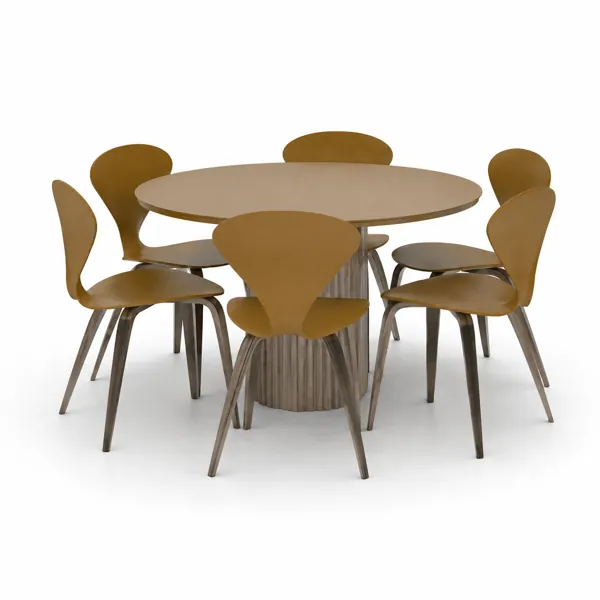
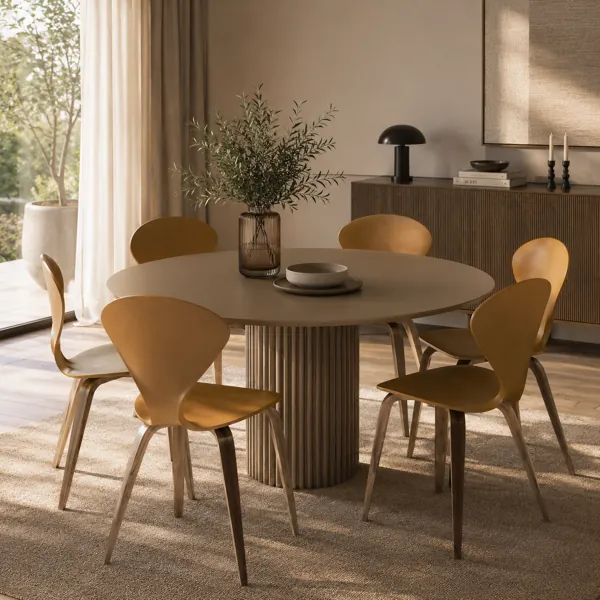
Mustard Sculpted-Back Round Dining Set – Fluted Wood Pedestal 3D Model
Laruus
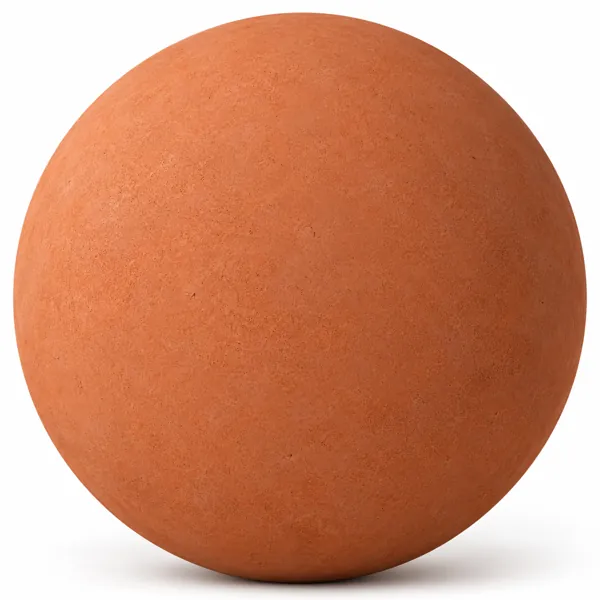
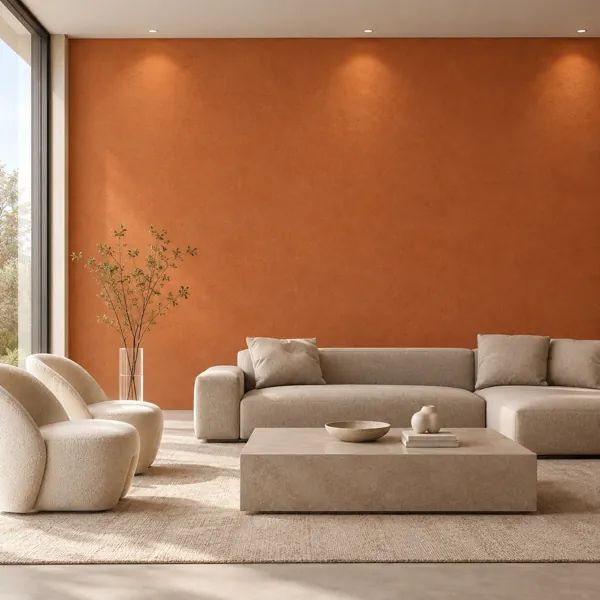
Burnt Terracotta Fine Grain Plaster Texture
Laruus
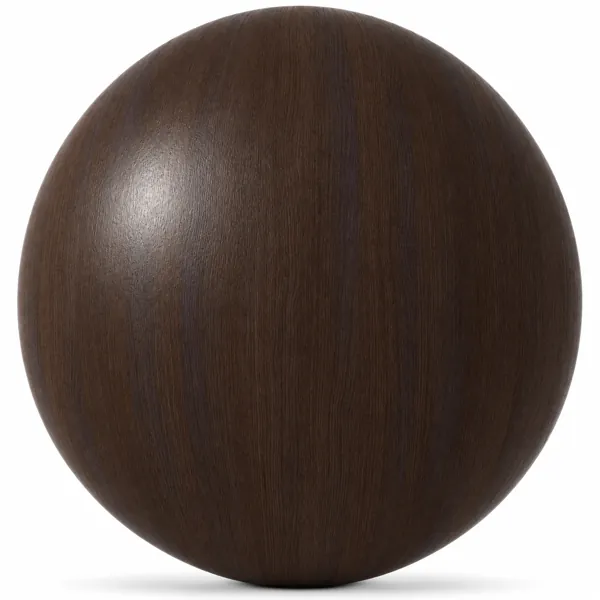
Subtle Vertical Grain Dark Walnut Brown Wood Texture
Laruus