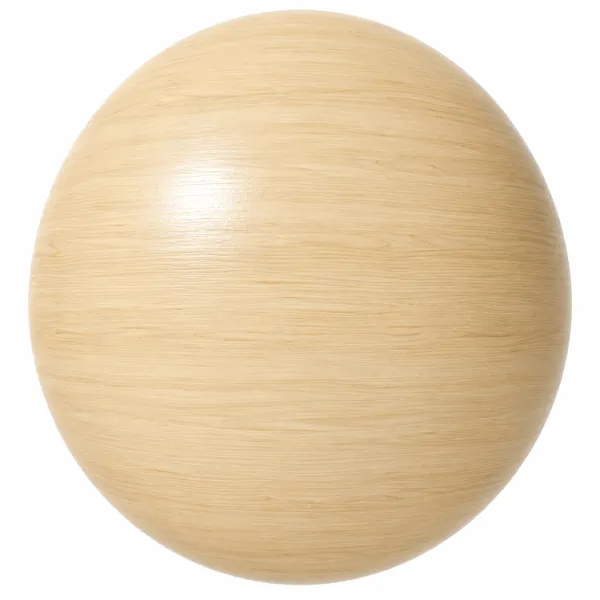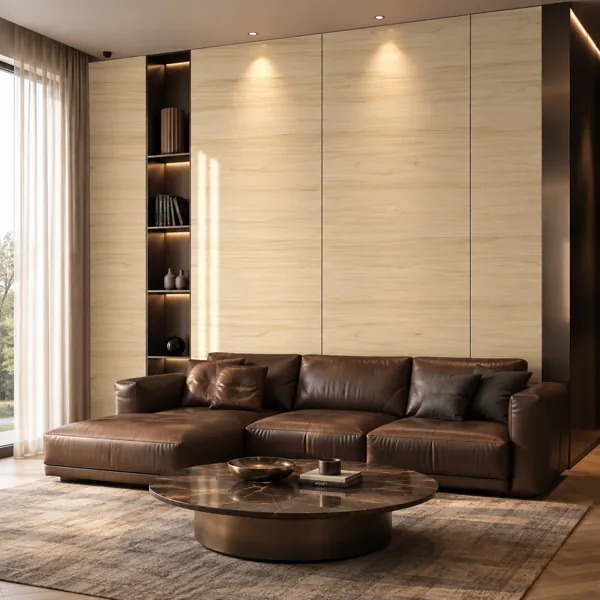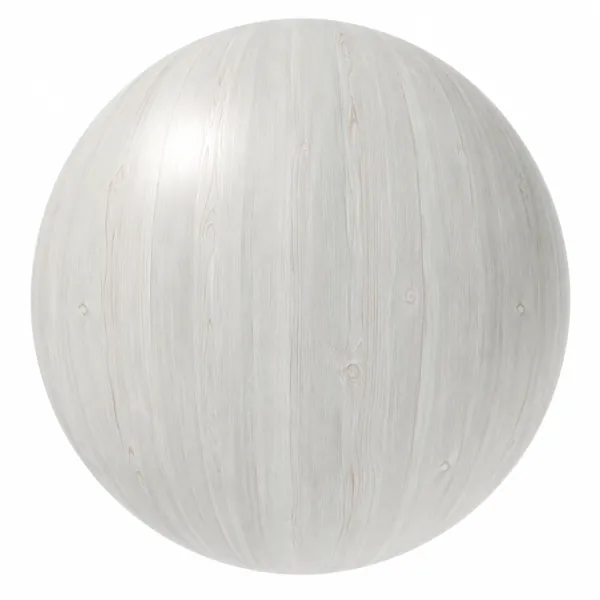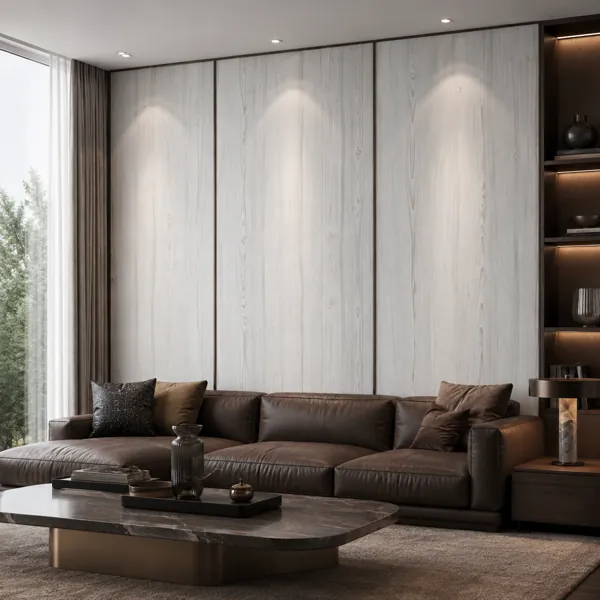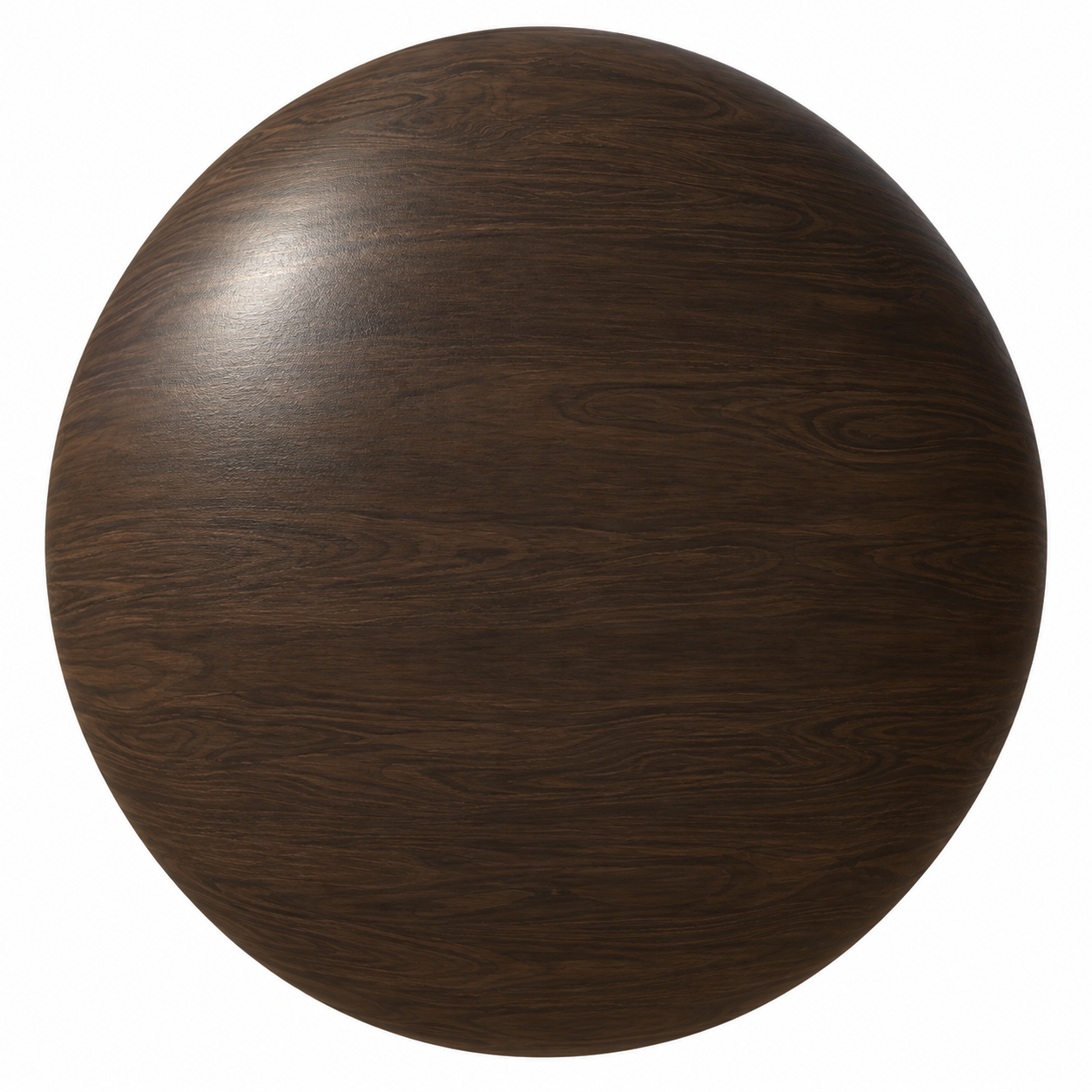
Deep Espresso Brown Horizontal Swirl Grain Wood Texture
Wood No. 00119
FREE
Specifications
- Brand
- Laruus
- Style
- Modern
- Material
- Wood
- Suitable spaces
- Living Room, Bedroom, Office, Cafe, Commercial, Kitchen, Entrance
- Color
- BrownBlack
- File types
- Albedo MapAlpha MapAO MapBump MapDiffuse Color MapEdge MapEmission MapHeight MapMetallic MapNormal MapPacked Texture MapRoughness Map
Deep Espresso Brown Horizontal Swirl Grain Wood Texture - High Resolution Seamless PBR Textures
Description
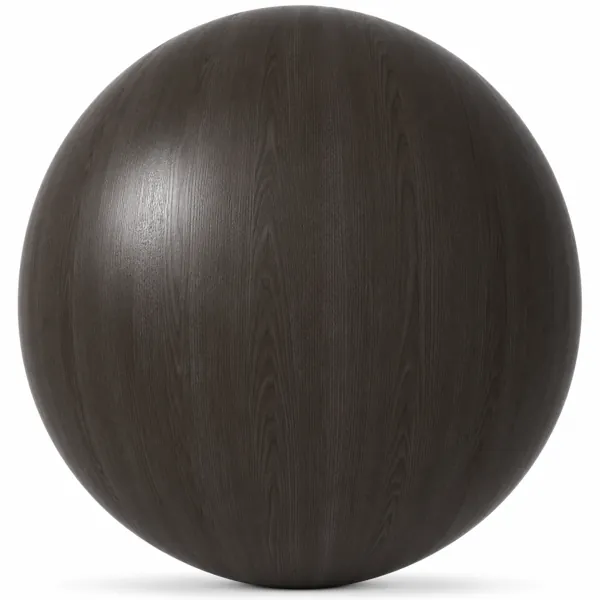
The Deep Espresso Brown Horizontal Swirl Grain Wood Texture presents a dark, richly layered wood appearance with elongated horizontal grain and distinctive flowing figures. Its defining visual characteristic is the combination of deep espresso brown coloring and broad, gently swirling grain formations that stretch across the surface. Nearly black streaks run alongside warmer dark brown bands, producing subtle depth and a continuous sense of movement. Unlike fine straight-grained wood textures, this pattern features irregular curves, elongated oval formations, and overlapping lines that give the material a more expressive natural character. The overall palette remains restrained despite its complex grain, making it suitable for contemporary furniture, decorative wall treatments, and architectural surfaces. The image suggests a dark-stained or naturally dark wood appearance, but the exact wood species and any applied stain cannot be confirmed visually.
The visible pattern consists of long horizontal grain bands interrupted by flowing curves and darker concentrated areas. Several sections show oval-shaped grain formations and gently undulating contours, particularly across the middle and lower portions of the image. The darkest streaks blend into deep chocolate and espresso brown regions, while muted reddish-brown undertones introduce slight warmth. The grain appears more pronounced in some bands and softer in others, creating variation without large color breaks. No clearly defined plank joints, prominent open cracks, or separate wooden boards are visible. The preview represents a continuous decorative wood surface rather than an identifiable physical assembly. Its visual density makes it appropriate for surfaces where the grain itself contributes to the design. However, the image cannot establish actual board dimensions, veneer thickness, coating type, surface roughness, or physical relief. Any interpretation of a matte, satin, polished, or stained finish would require additional material information.
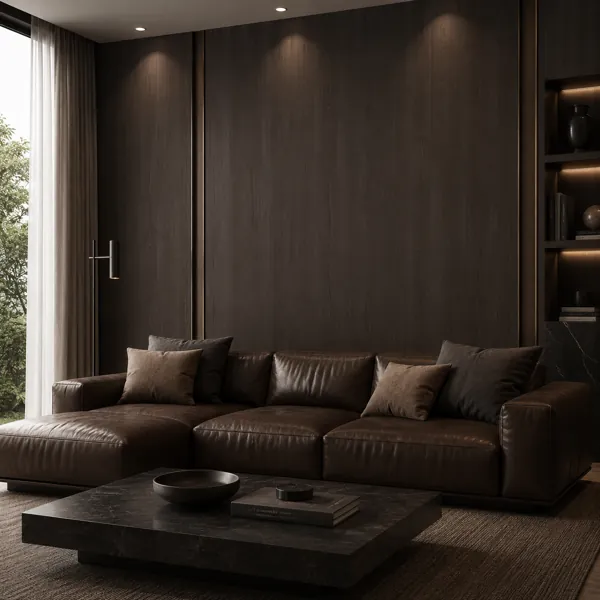
For interior applications, this dark horizontal wood texture can serve as a visual reference for television cabinets, low storage units, wall panels, shelving, kitchen islands, and decorative furniture surfaces. Its predominantly horizontal grain direction is particularly effective on wide cabinet fronts, elongated console units, and large wall sections. In living rooms, the espresso brown tone can contrast with cream upholstery, beige walls, pale stone, and brushed metal accents. Bedrooms may use a comparable appearance for headboard panels, wardrobes, and bedside furniture. In offices and commercial interiors, similar dark wood finishes can define reception counters, conference furniture, and architectural feature walls. Cafes and hospitality spaces can also incorporate this visual language into counters, shelving, and interior partitions. These are suggested design applications rather than confirmed physical installation specifications. Actual durability and suitability depend on the substrate and finishing system used in a manufactured product.
In architectural visualization and CGI workflows, the texture provides a detailed color reference for constructing dark wood materials. The supplied diffuse or albedo image can be assigned to a compatible shader in 3ds Max and positioned through UV Mapping. Since the grain runs primarily horizontally, UV orientation should be checked when applying the texture to vertical furniture components or tall wall panels. Rotating the map may be necessary when the design requires vertical grain alignment. Correct scale is equally important because the broad swirling formations can become visually exaggerated if mapped too large. On extensive surfaces, repeated oval grain patterns may become noticeable, so tiling behavior should be evaluated before final rendering. Camera distance, material reflectivity, and directional lighting influence how clearly the dark grain remains visible. Balanced illumination is particularly useful when presenting subtle details within a very dark wood palette.
Within modern interior design, espresso brown wood creates a strong visual anchor while maintaining the warmth associated with natural timber. The flowing horizontal grain introduces movement that can soften the appearance of minimalist cabinetry and geometric architectural elements. Its dark coloring works well alongside light neutral fabrics, stone surfaces, bronze details, and subdued metallic finishes. Used across wide furniture panels, the grain can emphasize horizontal proportions and establish a continuous visual rhythm. When applied to smaller components, the irregular figures provide decorative interest without requiring additional ornamentation. The material can also support darker monochromatic interior schemes, where variations between brown and nearly black lines become part of the overall composition. Its final appearance depends on the balance between ambient light, direct illumination, surface reflections, and surrounding materials.
The supplied image confirms the deep espresso brown appearance, predominantly horizontal grain orientation, dark layered streaks, and flowing oval-shaped figures. It does not independently establish the botanical wood species, exact physical dimensions, seamless tiling, or surface finish. The listed Albedo, Alpha, AO, Bump, Diffuse Color, Edge, Emission, Height, Metallic, Normal, Packed Texture, and Roughness maps are based on the supplied product information, while their individual contents cannot be verified from this single color preview. In a PBR material workflow, verified maps can be connected to their corresponding shader channels to control base color, surface detail, reflections, and roughness. The strength of bump effects and the response of reflective channels should be adjusted according to the intended material appearance rather than inferred from the color image alone. Before final production, verify UV alignment, texture scale, edge continuity, visible repetition, and the appearance of the dark grain under the selected rendering conditions.
Frequently asked questions
Is this texture free?
Yes. You can download it with a free Laruus account. Free textures are limited to 5 downloads per day.
Which software can I use this texture in?
The maps are standard image files, so they work in any renderer with PBR materials, such as Corona or V-Ray in 3ds Max, Blender, SketchUp with V-Ray or Enscape, and Unreal Engine.
What do I get when I download it?
A 41.1 MB download. It was added to Laruus on October 27, 2026.
Which spaces is it suitable for?
It suits Living Room, Bedroom, Office, Cafe, Commercial, Kitchen, and Entrance projects. Style: Modern.
Are there 3D models that use this material?
Yes. Laruus has 3D models in the same material:
- Wood — 212Browse Armchairs (29)