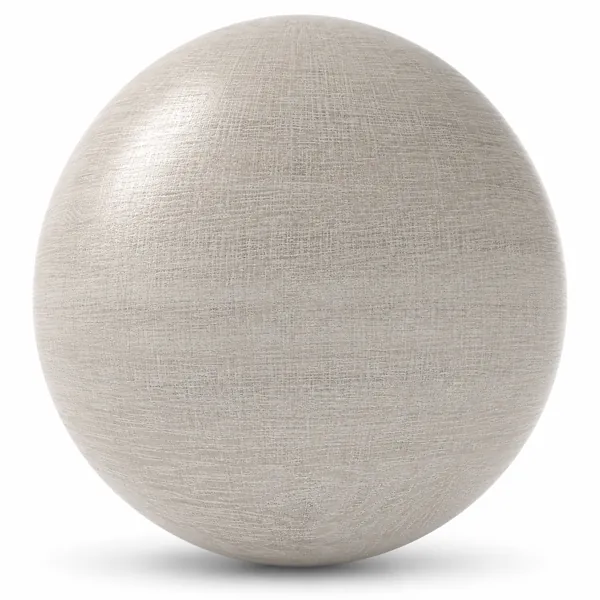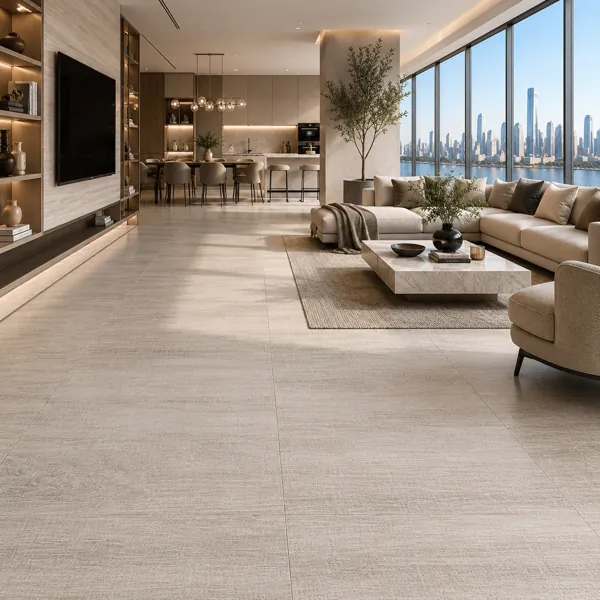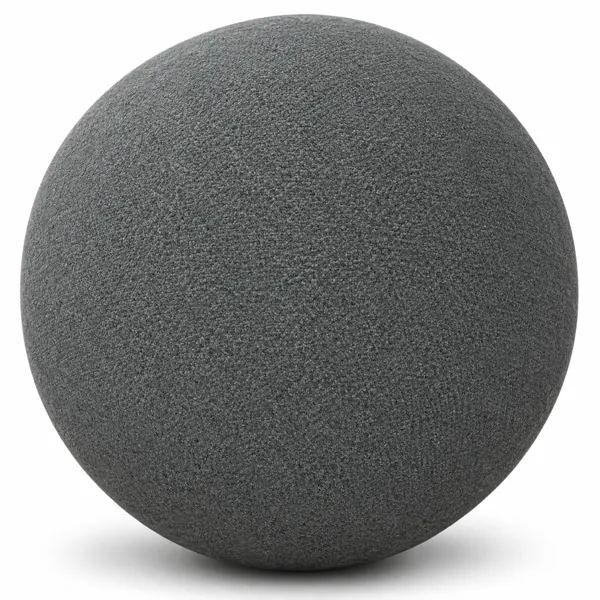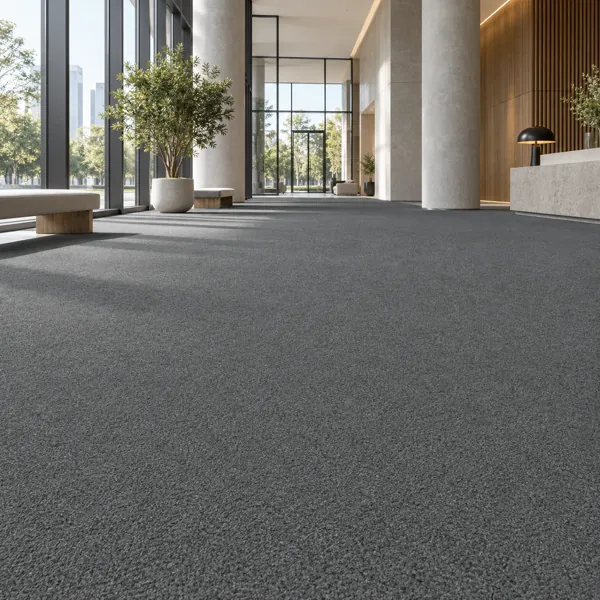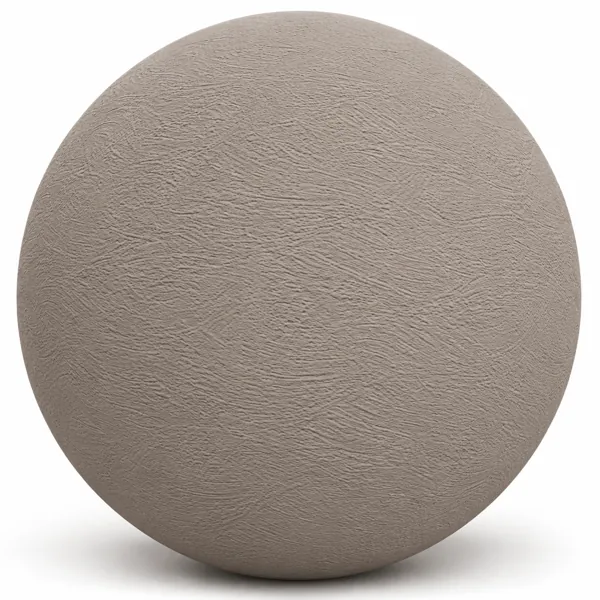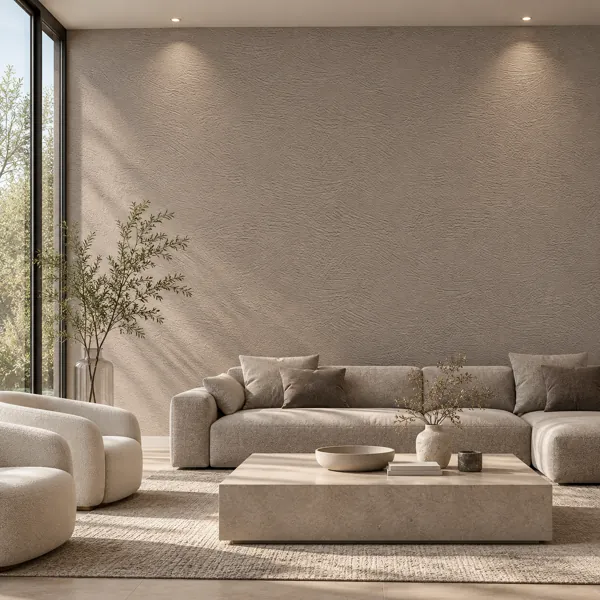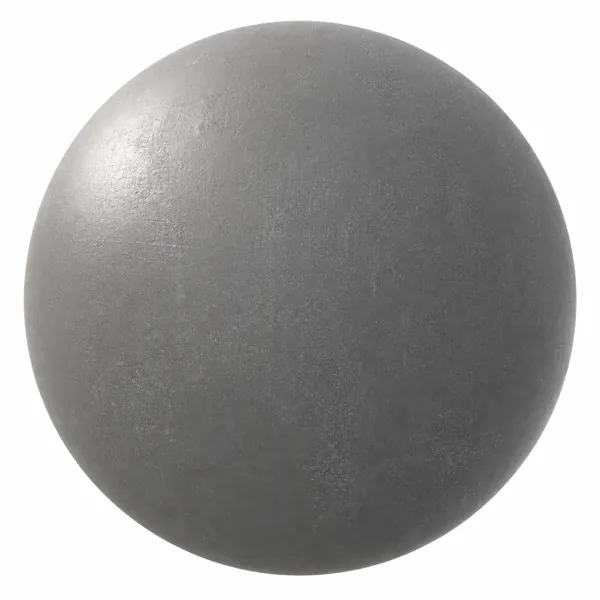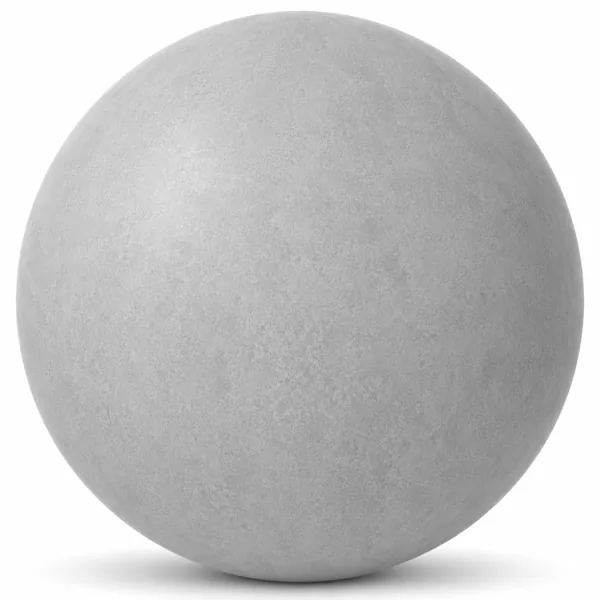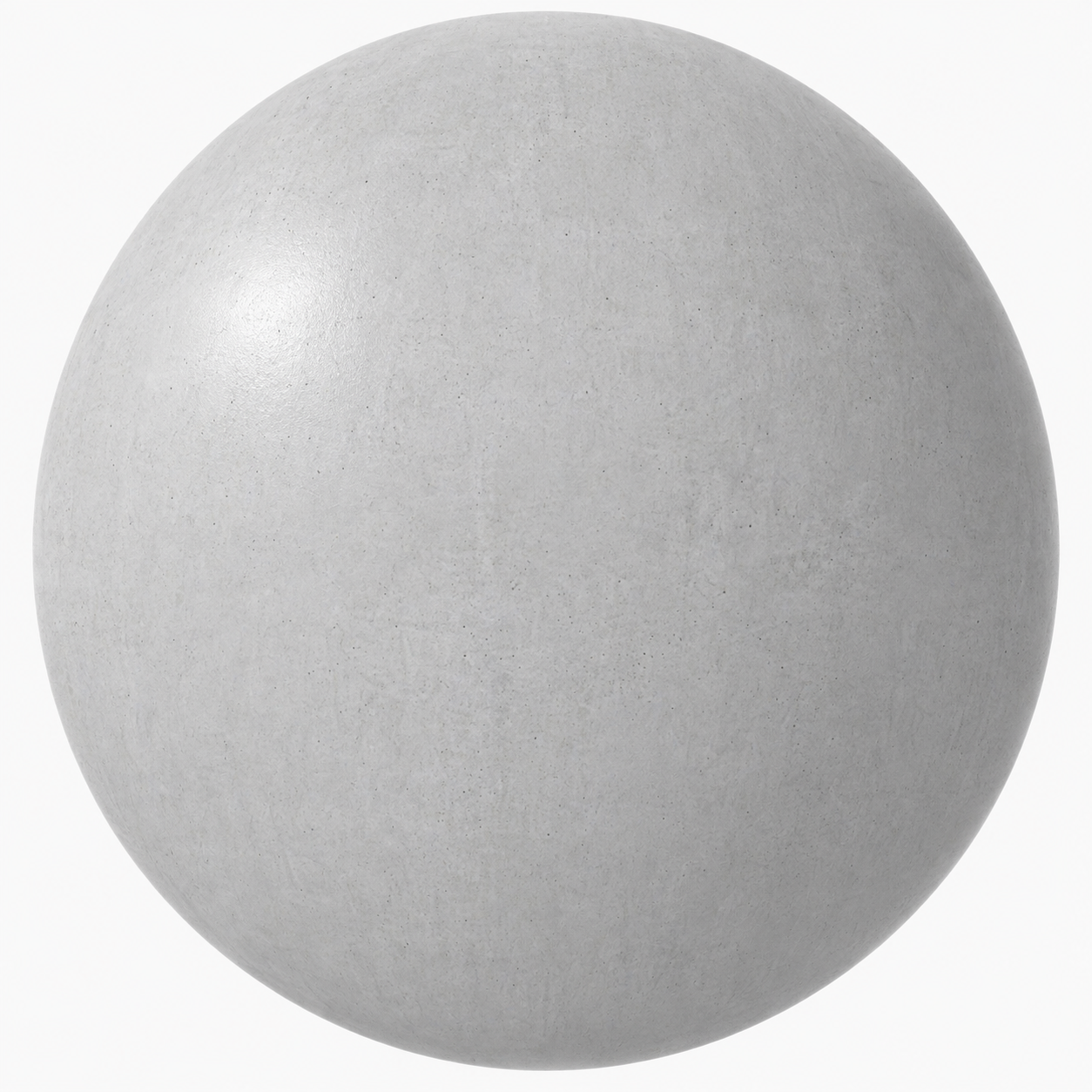
Light Gray Fine Pore Concrete Texture
Concrete No. 00046
FREE
Specifications
- Brand
- Laruus
- Style
- Modern
- Material
- Concrete
- Suitable spaces
- Living Room, Bedroom, Office, Cafe, Commercial, Kitchen, Entrance, Garden, Outdoor, Balcony
- Color
- GrayWhite
- File types
- Albedo MapAlpha MapAO MapBump MapDiffuse Color MapEdge MapEmission MapHeight MapMetallic MapNormal MapPacked Texture MapRoughness Map
Light Gray Fine Pore Concrete Texture - High Resolution Seamless PBR Textures
Description
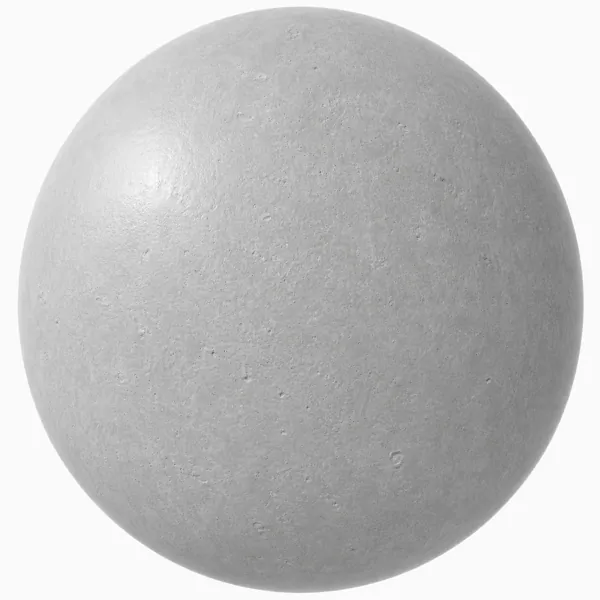
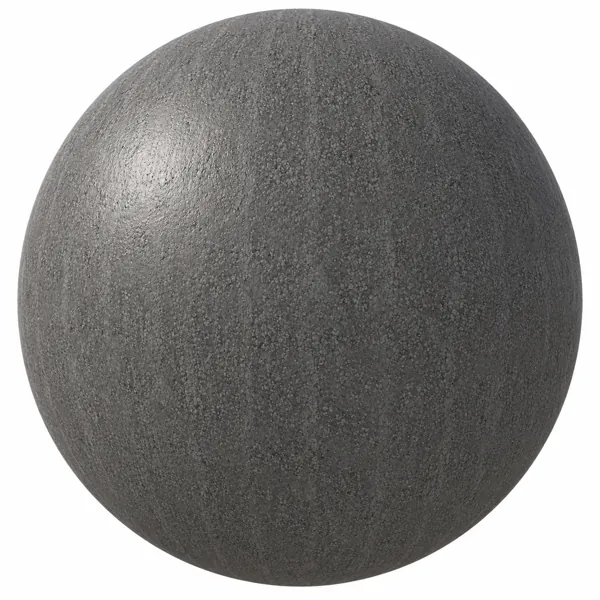
Light Gray Fine Pore Concrete Texture presents a clean, pale gray concrete surface distinguished by delicate pores, restrained mottling, and subtle natural tonal variation. Its visual character is understated rather than heavily distressed, making it suitable for modern architectural surfaces where concrete needs to feel authentic without dominating the overall composition. Tiny dark specks and softly dispersed surface irregularities interrupt the light gray base, while the absence of pronounced cracks, aggregate clusters, or dramatic stains gives the material a calm contemporary appearance. This balance makes the texture especially relevant to minimalist, industrial, and modern interior design concepts.
The visible concrete structure is relatively fine and uniform in scale. Small pores and minute imperfections are distributed across the surface without developing into coarse exposed aggregate or exaggerated cavities. Gentle changes in gray value create depth while retaining an overall consistent light appearance. The preview indicates a subtly textured finish rather than a completely polished or aggressively rough surface. This restrained microstructure can help large walls, architectural volumes, panels, floors, and other concrete elements maintain material definition when viewed under both direct and diffused illumination.
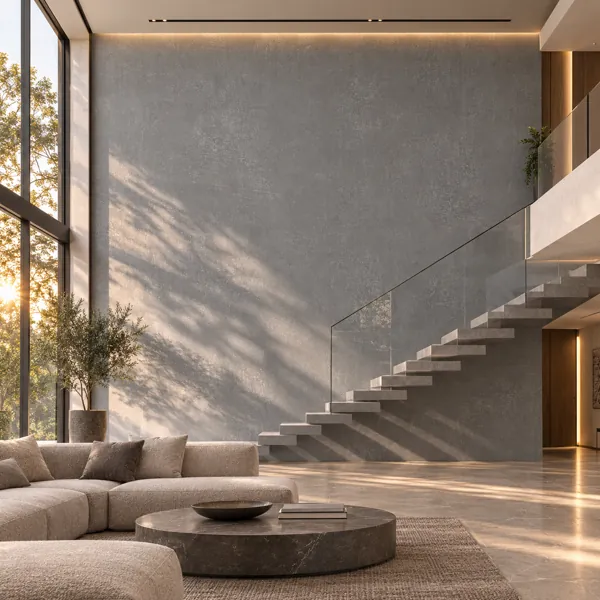
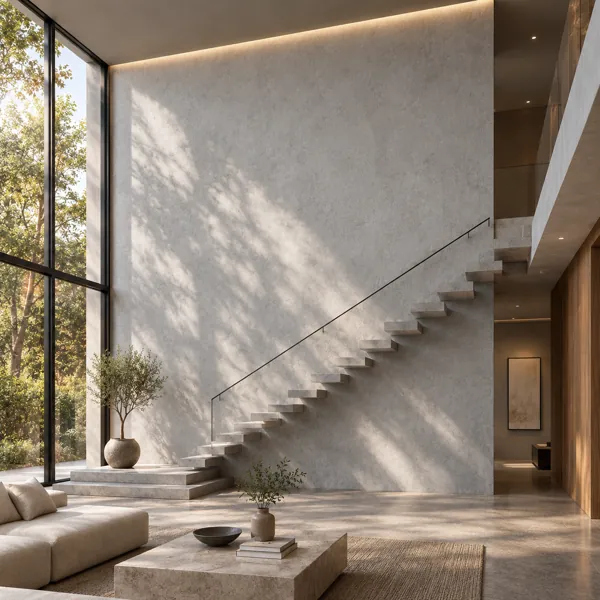
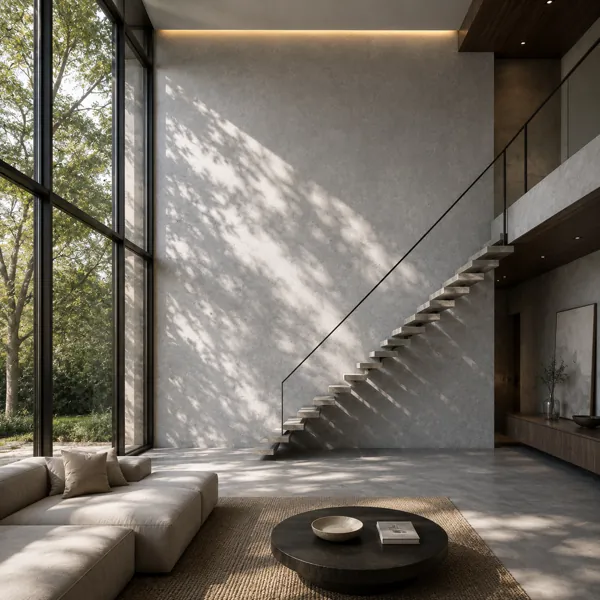
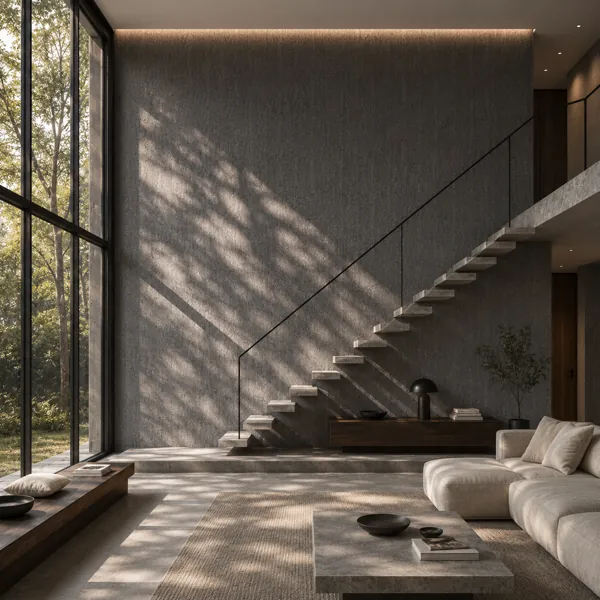
For interior applications, the light gray concrete texture can work across Living Room, Bedroom, Office, Cafe, Commercial, Kitchen, and Entrance environments. Its neutral coloring pairs naturally with wood, dark metal, glass, neutral fabrics, and stone, allowing it to function either as a broad background material or as a focused architectural feature. It can also support Garden, Outdoor, and Balcony visualization concepts when a clean concrete appearance is required. The pale tone is particularly useful for contemporary spaces designed around natural daylight because it can reflect surrounding illumination while preserving subtle surface detail.
Within archviz and CGI workflows, this concrete texture provides a versatile material foundation for walls, structural elements, architectural panels, stairs, plinths, and other modeled surfaces. The fine pore pattern helps prevent large surfaces from appearing digitally flat while remaining restrained enough for wide architectural compositions. Artists can use the supplied maps when constructing physically based materials for close-up product imagery, residential visualization, commercial interiors, exterior concepts, or material catalogue presentations. Correct real-world mapping scale remains important so that the small pores and fine surface variation retain believable proportions across different objects.
From an interior design perspective, the texture supports warm minimalism, contemporary architecture, industrial-inspired spaces, and neutral material palettes. Its light gray base can provide contrast against walnut or oak tones, black metal frames, muted upholstery, and darker stone while also integrating smoothly with white or pale plaster. Because the visible markings remain subtle, the concrete can cover extensive surfaces without creating excessive visual noise. This makes it useful for feature walls and monolithic architectural forms where material continuity and quiet surface variation are central to the design language.
The available texture set includes Albedo Map, Alpha Map, AO Map, Bump Map, Diffuse Color Map, Edge Map, Emission Map, Height Map, Metallic Map, Normal Map, Packed Texture Map, and Roughness Map. These files provide multiple channels for building and adjusting a PBR material according to the requirements of a chosen rendering workflow. Surface relief should remain subtle to preserve the fine-pore character visible in the reference rather than producing oversized pits or coarse concrete. Balanced roughness, controlled bump intensity, accurate texture scale, and neutral lighting will help reproduce the clean light gray concrete appearance consistently in architectural visualization and 3D rendering projects.
Frequently asked questions
Is this texture free?
Yes. You can download it with a free Laruus account. Free textures are limited to 5 downloads per day.
Which software can I use this texture in?
The maps are standard image files, so they work in any renderer with PBR materials, such as Corona or V-Ray in 3ds Max, Blender, SketchUp with V-Ray or Enscape, and Unreal Engine.
What do I get when I download it?
A 47.2 MB download. It was added to Laruus on August 28, 2026.
Which spaces is it suitable for?
It suits Living Room, Bedroom, Office, Cafe, Commercial, Kitchen, Entrance, Garden, Outdoor, and Balcony projects. Style: Modern.