
Concrete Textures
Free concrete textures from chalk white and light grey fine grain through to warm charcoal and porous pitted taupe. The smallest of the texture categories and still growing, but it covers the standard cases: smooth cast, fine grain and heavily pitted surfaces. Complete PBR map sets.
50 texturesPBR mapsFree download
50 results
Free
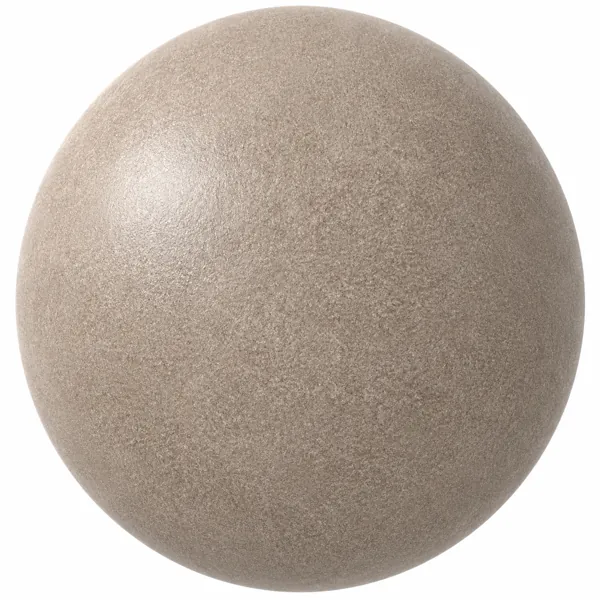
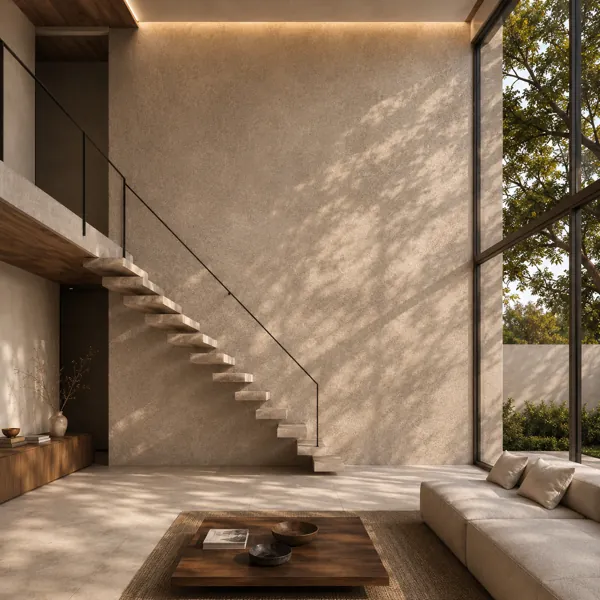
Warm Beige Fine Grain Mottled Concrete Texture
Laruus
Save
Wishlist
Free
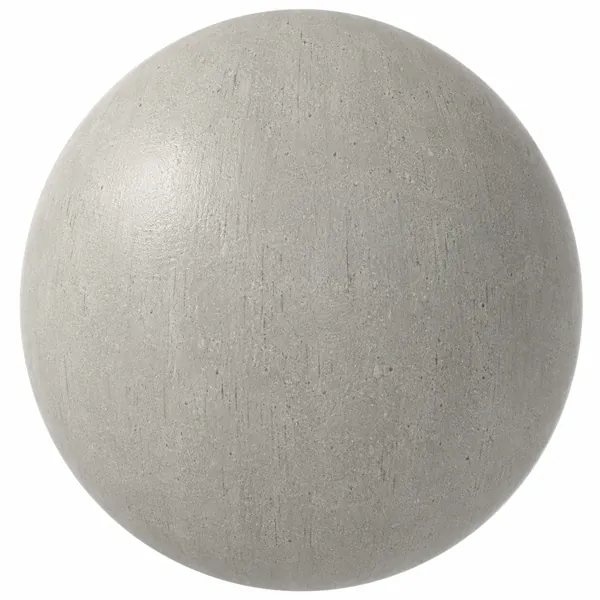
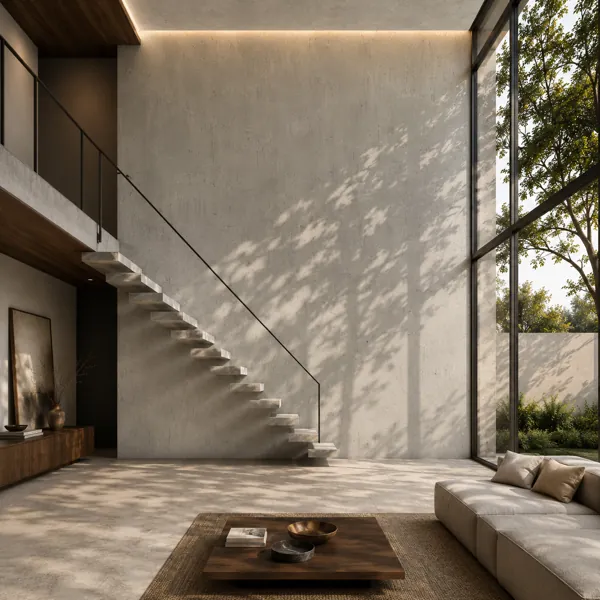
Warm Gray Vertical Grain Concrete Texture
Laruus
Save
Wishlist
Free
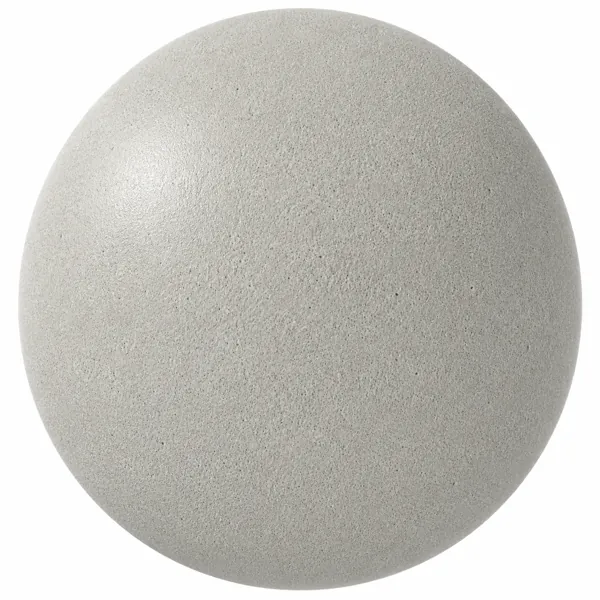
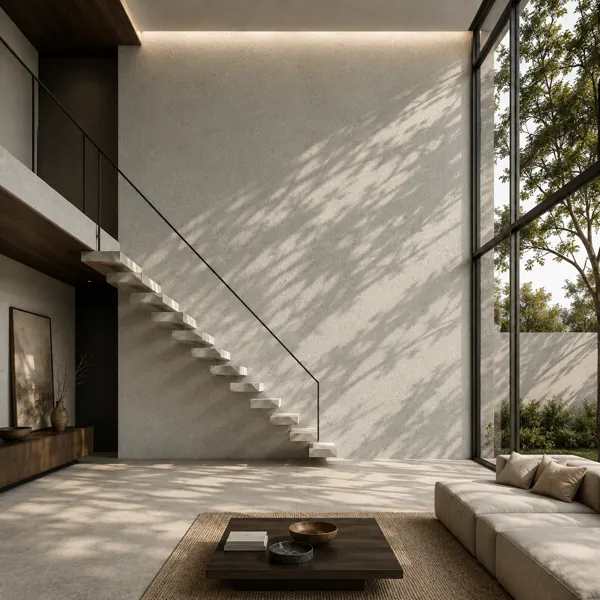
Pale Gray Fine Grain Concrete Texture
Laruus
Save
Wishlist
Free
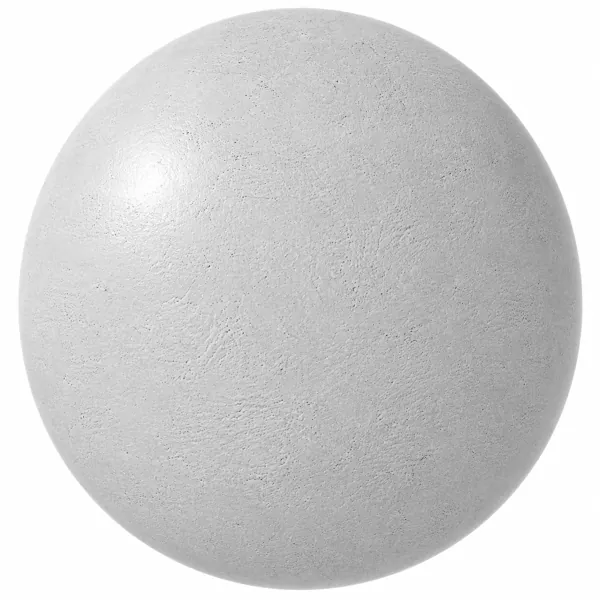
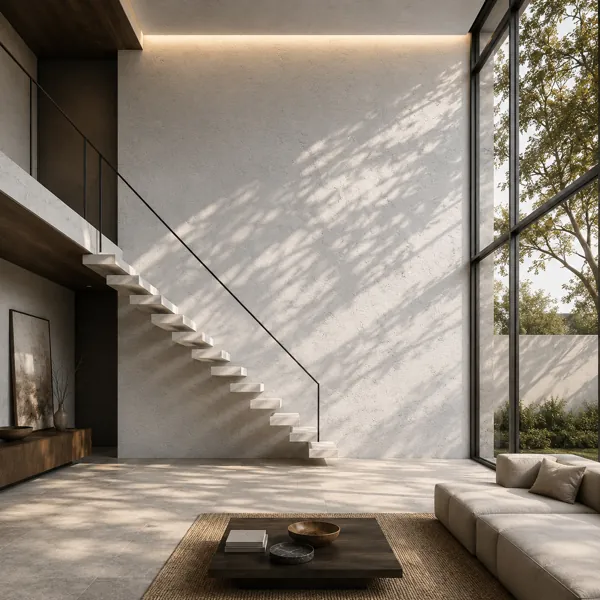
White Fine Pore Rough Concrete Texture
Laruus
Save
Wishlist
Free
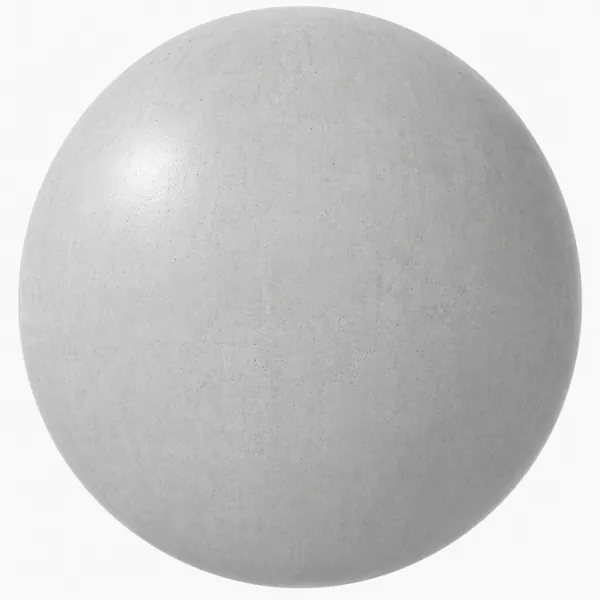
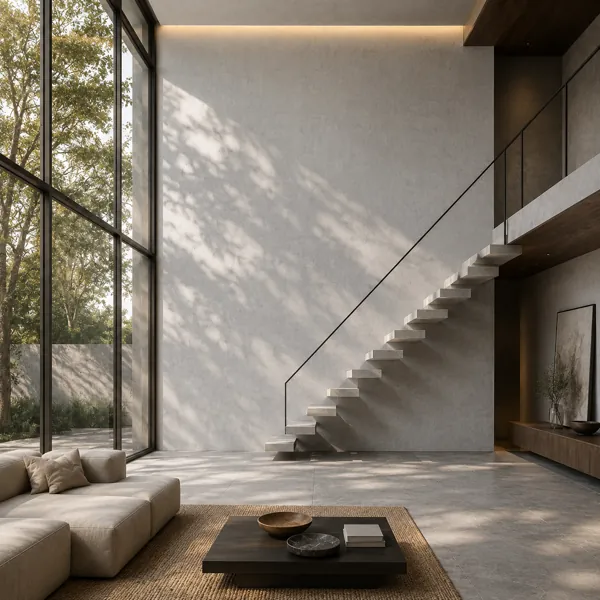
Light Gray Fine Pore Concrete Texture
Laruus
Save
Wishlist
Free
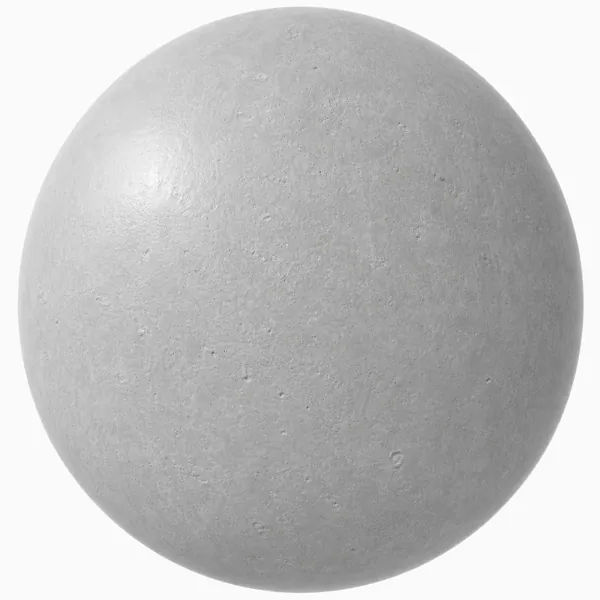
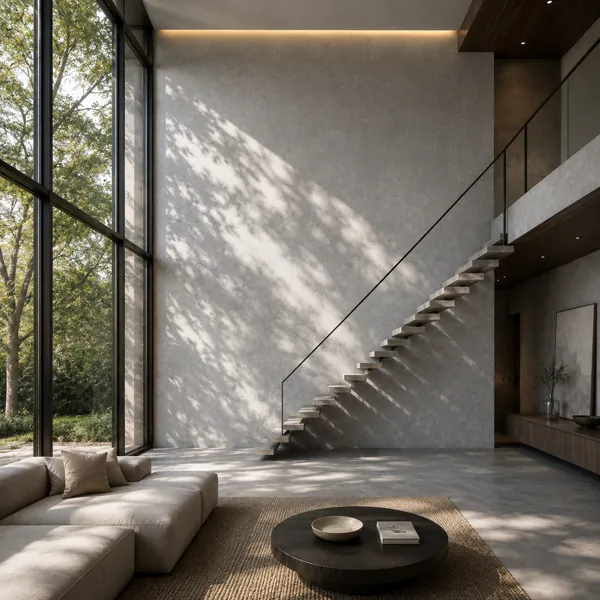
Light Grey Fine Pitted Concrete Texture
Laruus
Save
Wishlist
Free
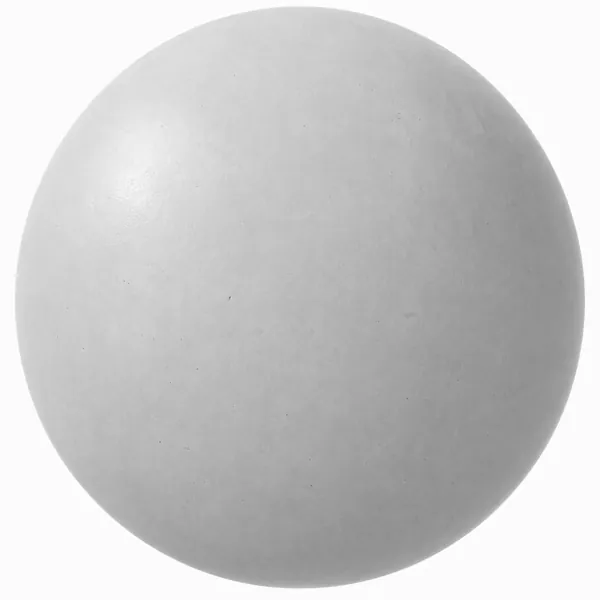
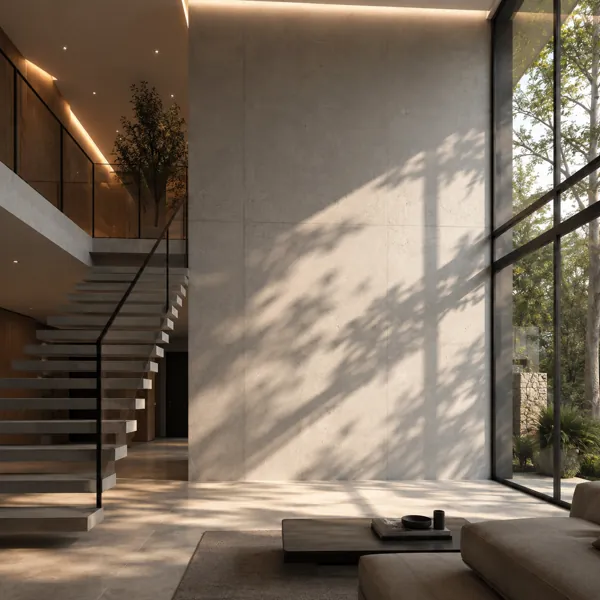
Pale Grey Fine Pinhole Concrete Texture
Laruus
Save
Wishlist
Free
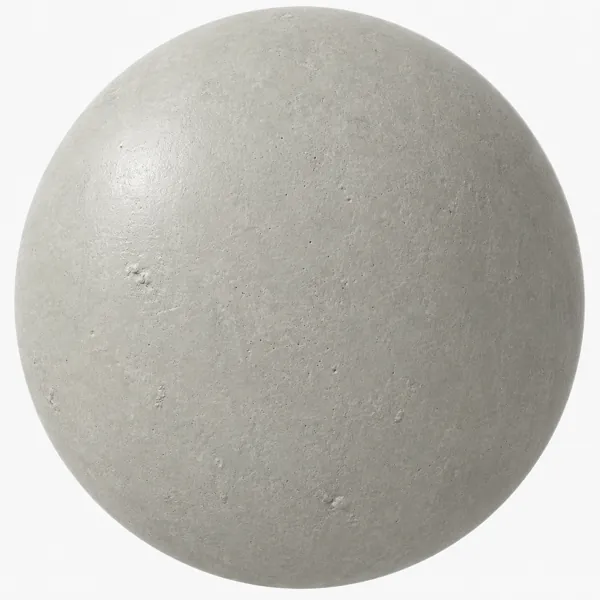
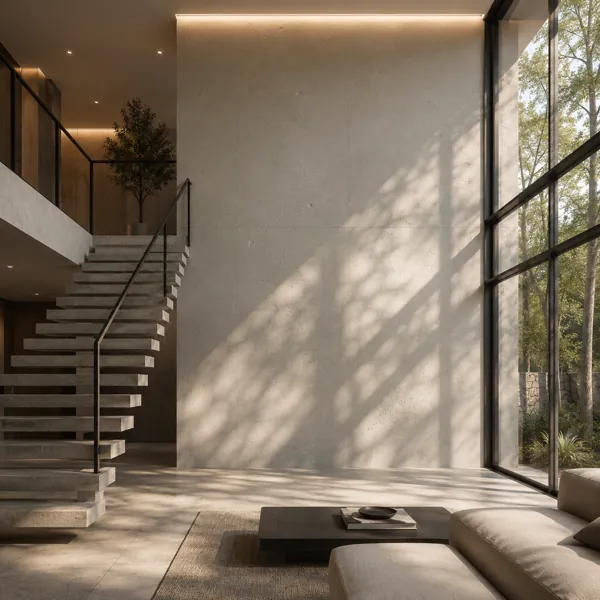
Light Grey Fine Pore Raw Concrete Texture
Laruus
Save
Wishlist
Free
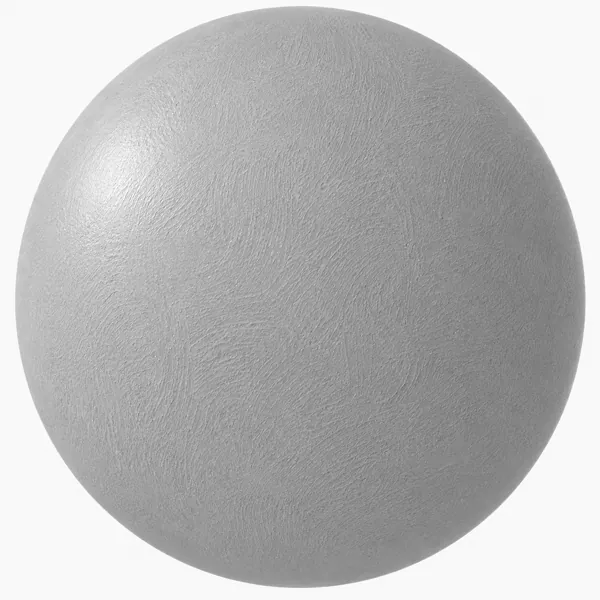
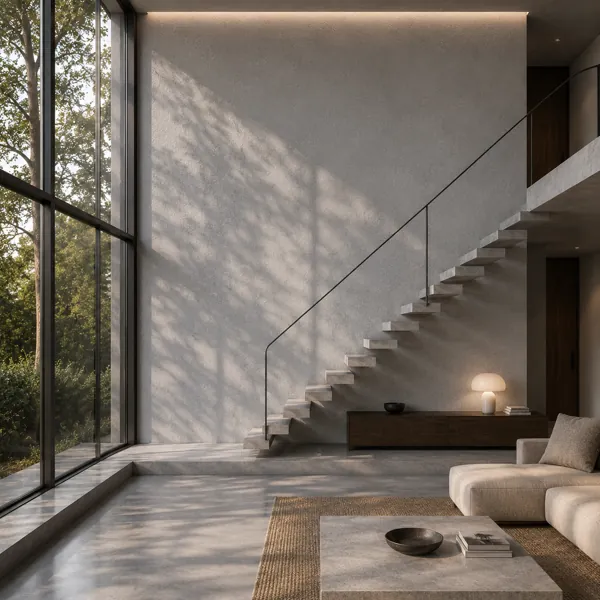
Light Grey Swirl Trowel Concrete Texture
Laruus
Save
Wishlist
Free
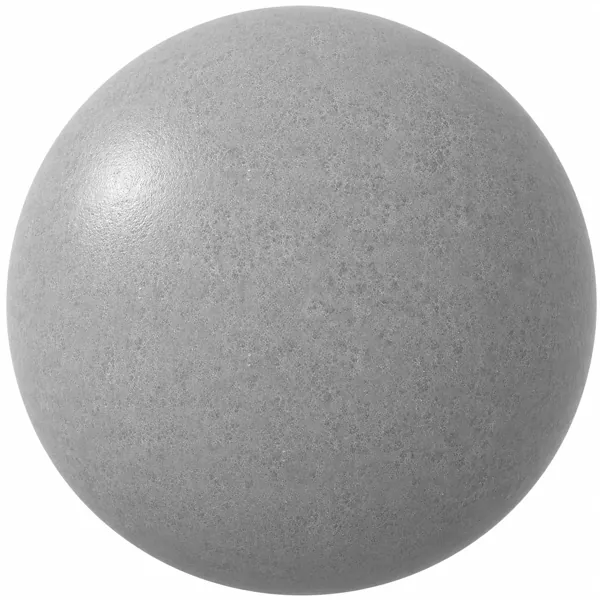
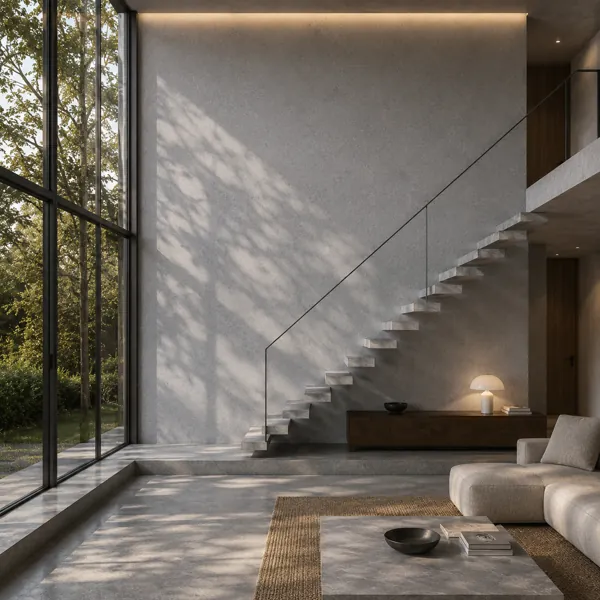
Light Grey Fine Speckled Concrete Texture
Laruus
Save
Wishlist
Free
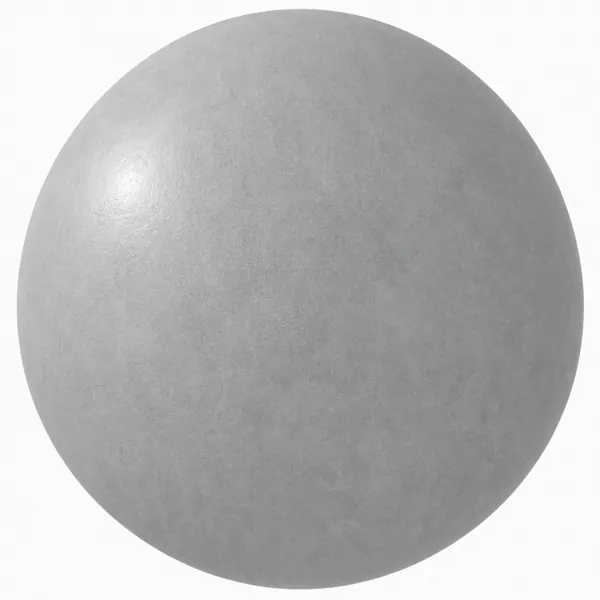
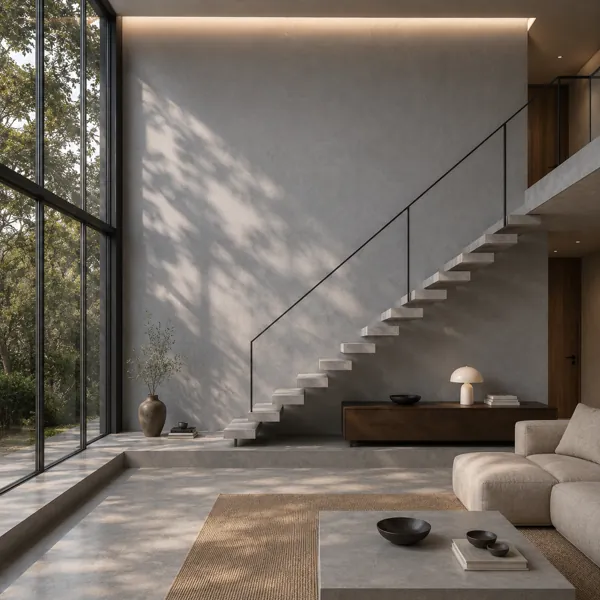
Light Silver Grey Fine Grain Concrete Texture
Laruus
Save
Wishlist
Free
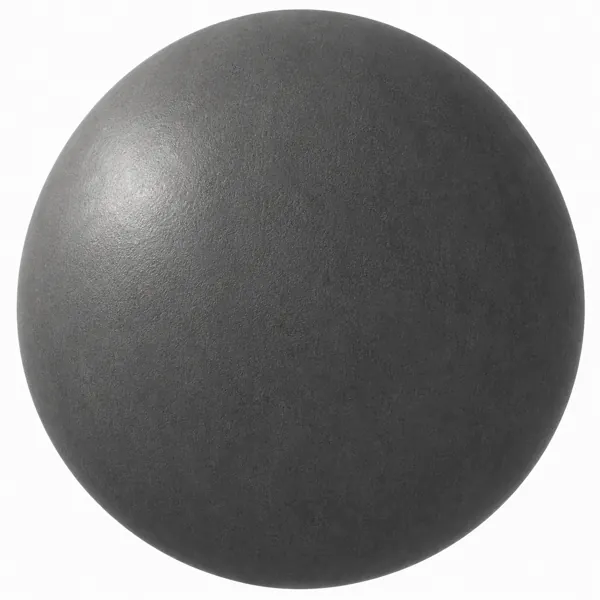
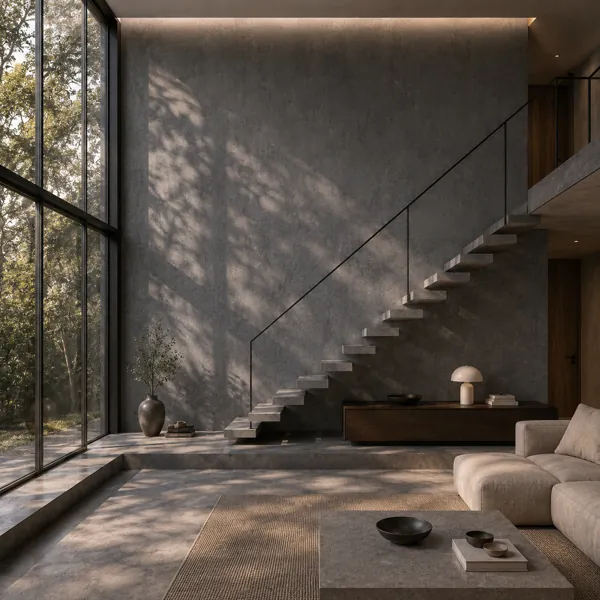
Graphite Fine Grain Concrete Texture
Laruus
Save
Wishlist
Concrete Textures for Architectural Visualization
Concrete is deceptively difficult. It looks like a plain grey surface and is therefore often treated as one, which is why so many architectural renders contain a flat grey wall that reads as untextured geometry rather than as cast concrete.
What makes concrete recognisable is the small-scale irregularity: fine aggregate speckle, pinholes left by air bubbles against the formwork, faint tonal drift across a pour, and occasionally the board marks or tie holes left by the shuttering. None of that is visible from across a room, but its absence is — a wall without it looks like a default material, even when the colour is exactly right.
Scale is the frequent error, and it runs in a specific direction. Concrete detail is fine, so a texture applied at too large a repeat turns pinholes into craters and aggregate speckle into something closer to terrazzo. The result reads as a different material entirely rather than as badly scaled concrete, which is why the error often goes undiagnosed. Comparing the pinhole size against a known object in the scene is the quickest correction.
The second consideration is that real concrete surfaces are rarely uniform across a large area. A cast wall shows variation between pours, darker patches where moisture has moved through, and lighter areas where the formwork was tighter. A single texture tiled uniformly across a whole façade loses all of that. Where the surface is large and prominent, overlaying broad, low-contrast tonal variation does more for believability than a higher-resolution base texture would.
The range covers smooth cast finishes, fine grain and fine pore surfaces, soft mottled and trowel-swirled textures, and heavily porous pitted variants, in chalk white, ivory, cool and light greys, warm taupe and dark graphite. Smooth cast surfaces are the most demanding, because they have the least detail to hide behind; pitted and mottled variants are considerably more forgiving.
Complete PBR sets are included — diffuse colour, normal, roughness, metallic, height, ambient occlusion and edge maps, plus a packed variant. Roughness matters more than expected here: sealed and polished concrete floors reflect noticeably, while raw cast walls barely do, and that single difference distinguishes an interior floor from an exterior wall using otherwise identical maps.
These surfaces suit floors, feature walls, façades, kitchen and commercial interiors, and pair with the metal and wood texture categories in industrial schemes.