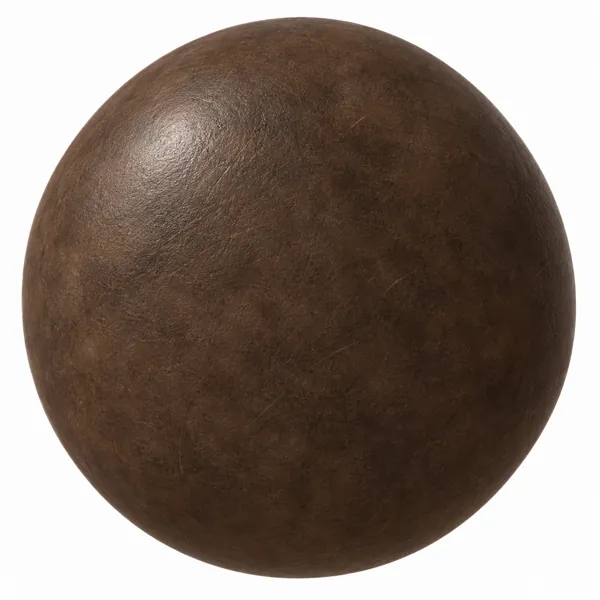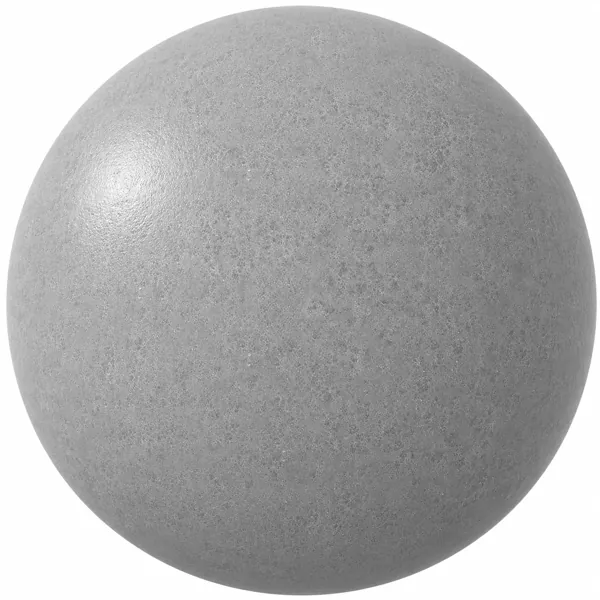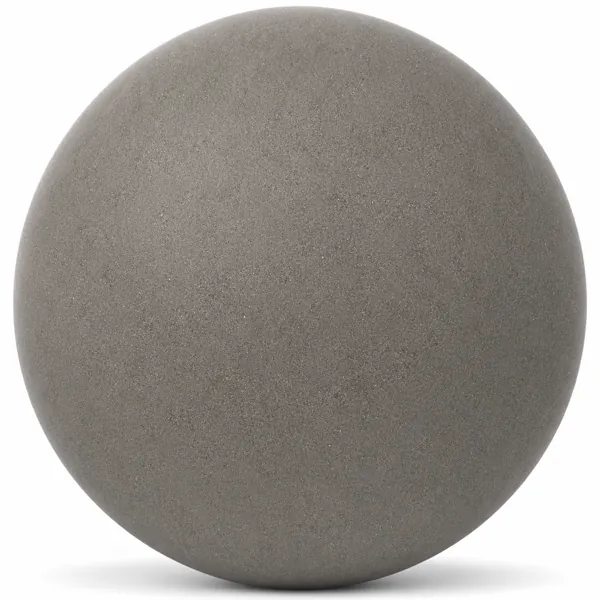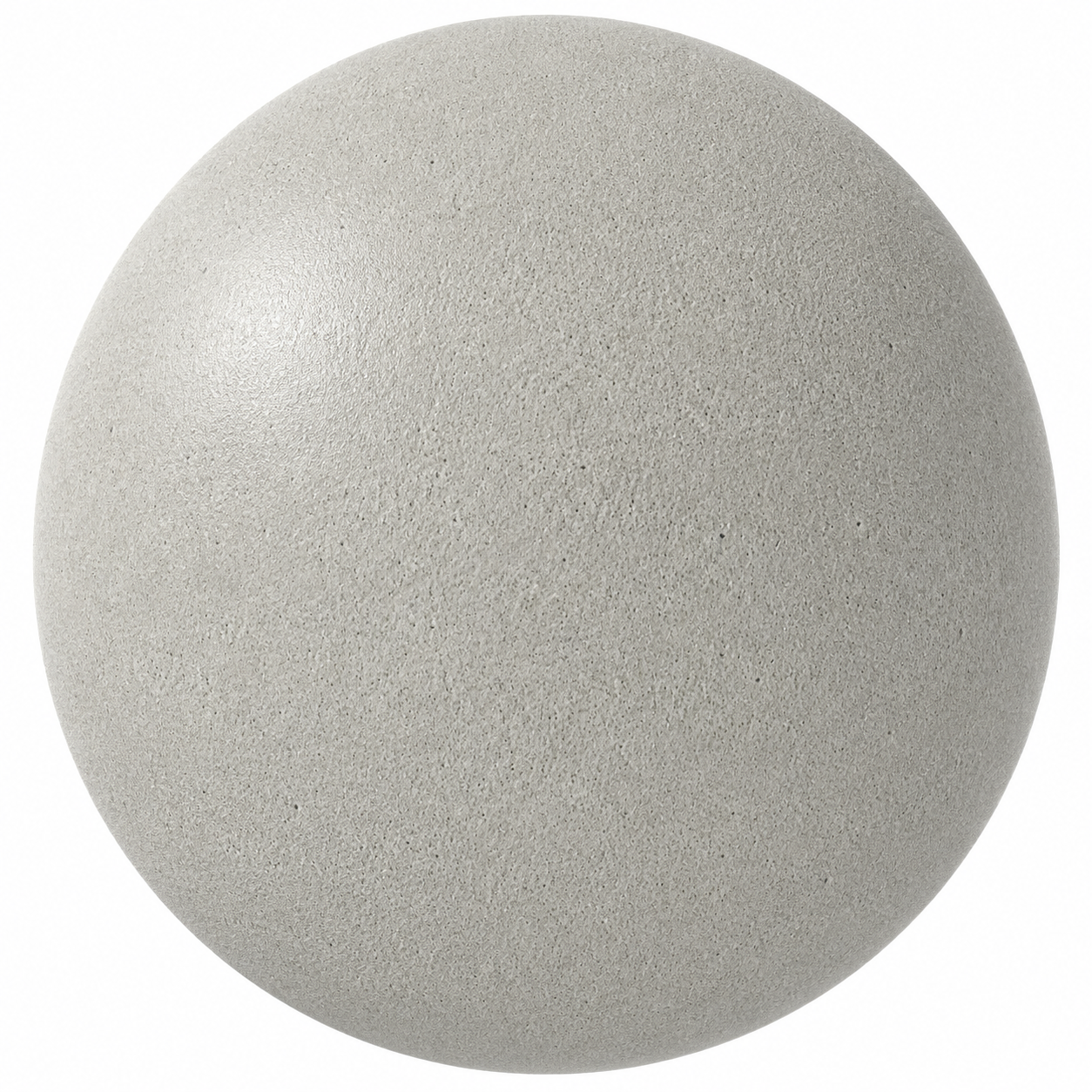
Pale Gray Fine Grain Concrete Texture
Concrete No. 00048
FREE
Specifications
- Brand
- Laruus
- Style
- Modern
- Material
- Concrete
- Suitable spaces
- Living Room, Bedroom, Office, Cafe, Commercial, Kitchen, Entrance, Garden, Outdoor, Balcony
- Color
- GrayWhite
- File types
- Albedo MapAlpha MapAO MapBump MapDiffuse Color MapEdge MapEmission MapHeight MapMetallic MapNormal MapPacked Texture MapRoughness Map
Pale Gray Fine Grain Concrete Texture - High Resolution Seamless PBR Textures
Description
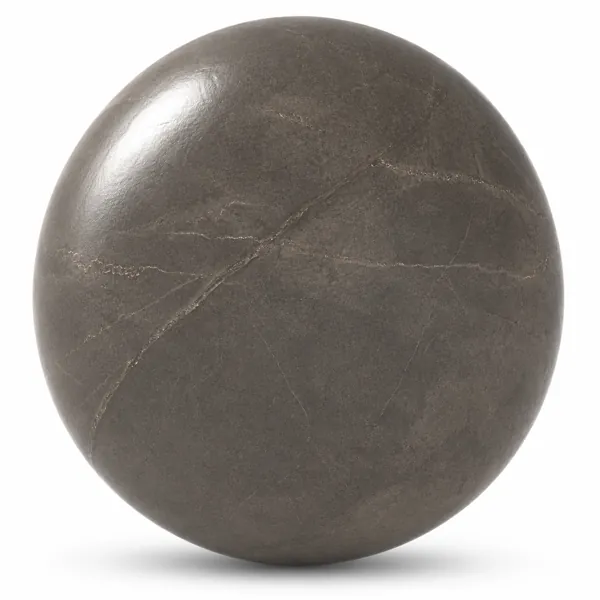
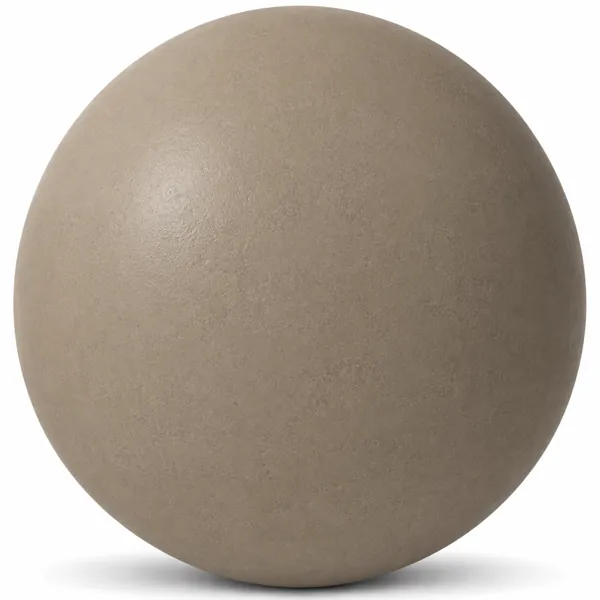
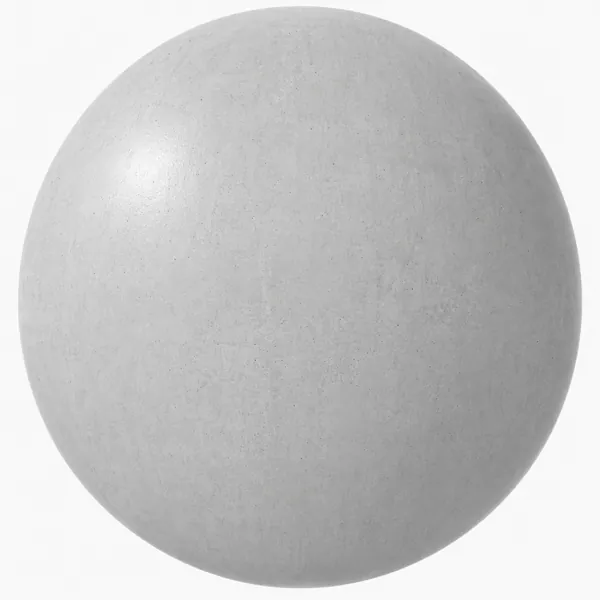
Pale Gray Fine Grain Concrete Texture captures a softly colored concrete surface defined by dense fine-grain detail, tiny pores, and restrained natural variation. The material has a pale gray appearance with slightly warm neutral undertones visible across the rendered preview, giving it a clean architectural character without looking completely uniform. Numerous minute surface marks create a tactile impression, while the absence of large aggregate, dramatic cracks, deep cavities, or strong discoloration keeps the overall appearance controlled and contemporary. This combination makes the texture particularly suitable for modern, minimalist, industrial, and monolithic architectural design where subtle concrete character is preferred over heavily weathered finishes.
The surface structure is distinguished by its consistently fine scale. Small granular irregularities and closely distributed pores cover the material without forming oversized stones or coarse exposed aggregate. These details produce a gently textured micro-surface that remains visible under directional lighting while maintaining a relatively even visual rhythm across the sphere. Slight variations in gray intensity add natural depth and prevent the material from appearing digitally flat. Because the grain is small and densely distributed, realistic mapping scale is especially important when the texture is applied to architectural walls, panels, floors, stairs, columns, plinths, or other large modeled elements.
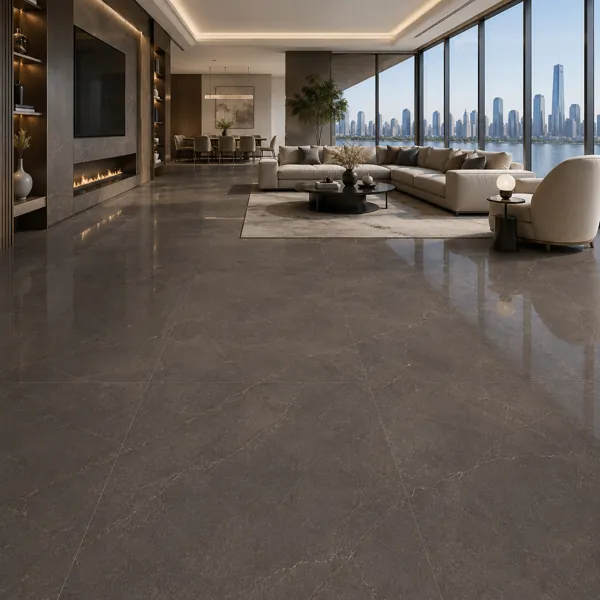
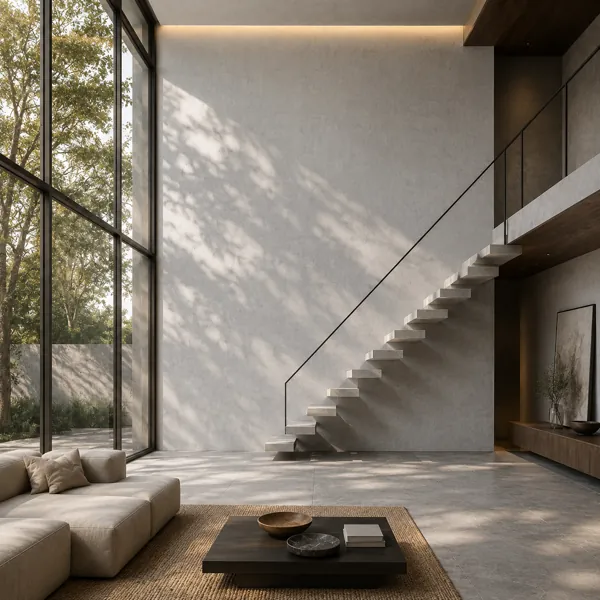
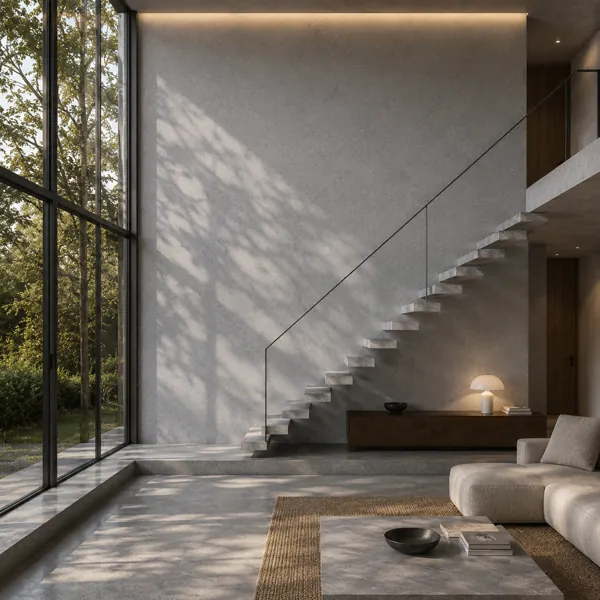
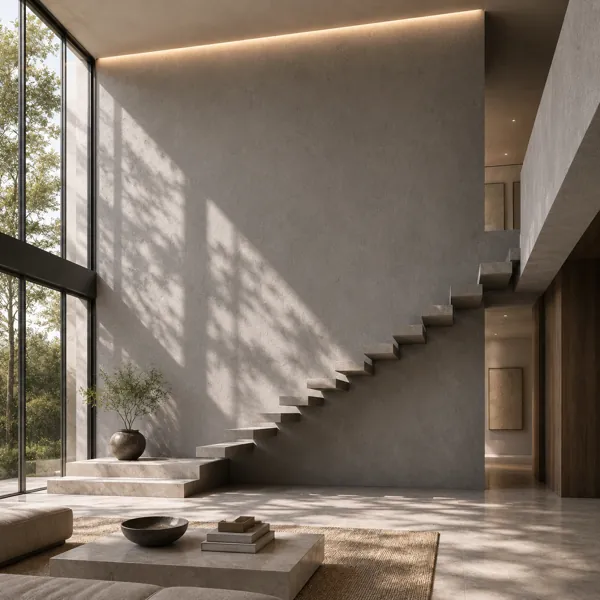
In interior visualization, this pale gray concrete material can be used in Living Room, Bedroom, Office, Cafe, Commercial, Kitchen, and Entrance settings. Its restrained neutral palette works naturally alongside warm wood, black or dark metal, glass, stone, white plaster, and beige or gray fabrics. The material can function as an expansive background surface on walls and architectural volumes or as a more focused finish on selected structural features. Garden, Outdoor, and Balcony scenes can also benefit from its understated concrete appearance when the design requires a light neutral mineral surface rather than a dark or strongly weathered finish.
For archviz and CGI workflows, the fine granular character offers useful surface definition at both medium and closer viewing distances. It can help large architectural areas retain visual detail under soft daylight, studio illumination, or directional sunlight without becoming visually noisy. The supplied map collection supports the construction of a physically based concrete material for residential renders, commercial interiors, exterior architecture, product visualization, and material catalogue imagery. Maintaining appropriate UV mapping and real-world texture scale will help preserve the small grain and pore proportions visible in the reference, particularly when the same material is applied across objects of different dimensions.
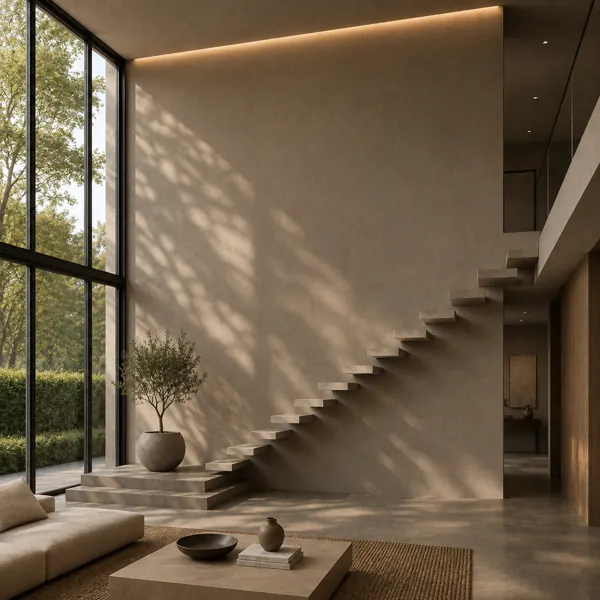
From an interior design perspective, the pale gray tone is well suited to warm minimalism, contemporary architecture, restrained industrial interiors, and neutral material schemes. It can create a subtle contrast with walnut, oak, dark metal frames, and muted upholstery while integrating smoothly with pale stone and light plaster surfaces. The fine-grain pattern gives broad surfaces enough material identity without introducing distracting visual movement. This makes the texture useful for feature walls, double-height spaces, monolithic volumes, minimalist stair structures, reception areas, and other architectural compositions where continuous concrete surfaces form an important part of the design language.
The included files consist of Albedo Map, Alpha Map, AO Map, Bump Map, Diffuse Color Map, Edge Map, Emission Map, Height Map, Metallic Map, Normal Map, Packed Texture Map, and Roughness Map. These channels provide options for assembling and adjusting the PBR material according to the selected 3D rendering workflow. Bump and height influence should remain controlled so the visible fine-grain structure does not become exaggerated into coarse pits or oversized relief. Accurate scale, balanced roughness, neutral exposure, and realistic lighting will help retain the pale gray color, dense microtexture, and understated concrete character shown in the reference.
Frequently asked questions
Is this texture free?
Yes. You can download it with a free Laruus account. Free textures are limited to 5 downloads per day.
Which software can I use this texture in?
The maps are standard image files, so they work in any renderer with PBR materials, such as Corona or V-Ray in 3ds Max, Blender, SketchUp with V-Ray or Enscape, and Unreal Engine.
What do I get when I download it?
A 87.4 MB download. It was added to Laruus on August 28, 2026.
Which spaces is it suitable for?
It suits Living Room, Bedroom, Office, Cafe, Commercial, Kitchen, Entrance, Garden, Outdoor, and Balcony projects. Style: Modern.