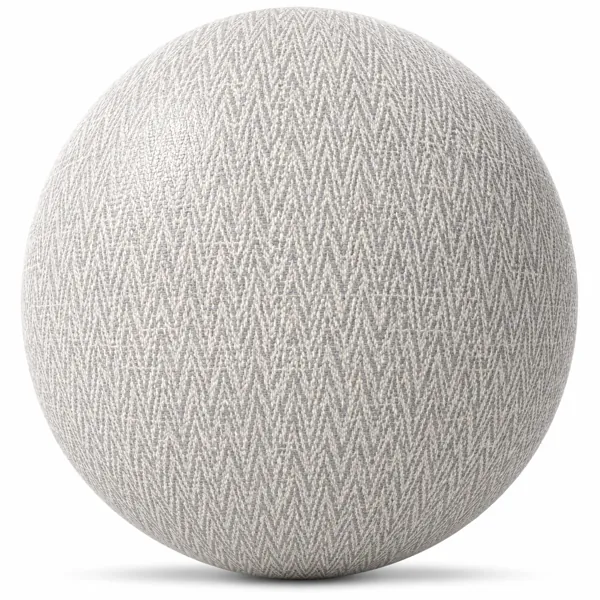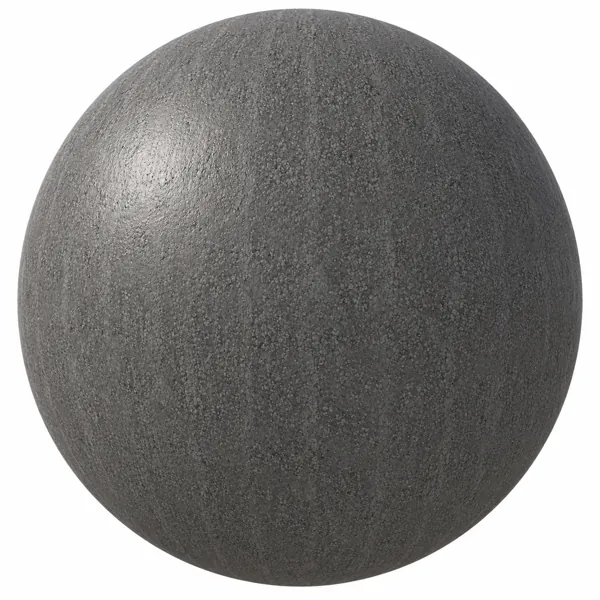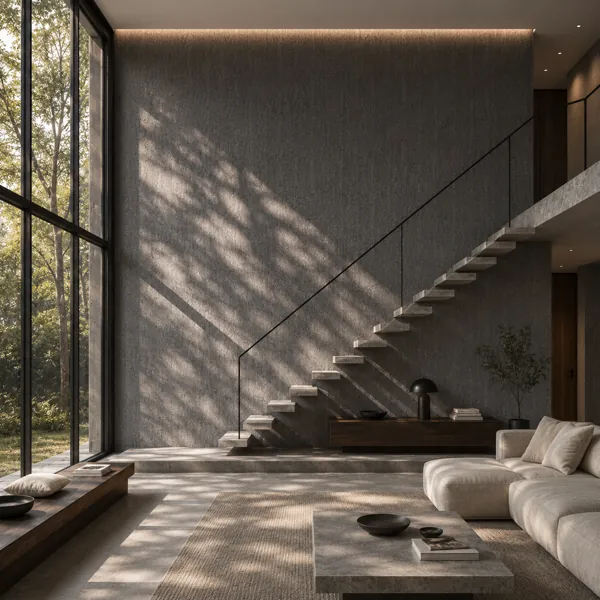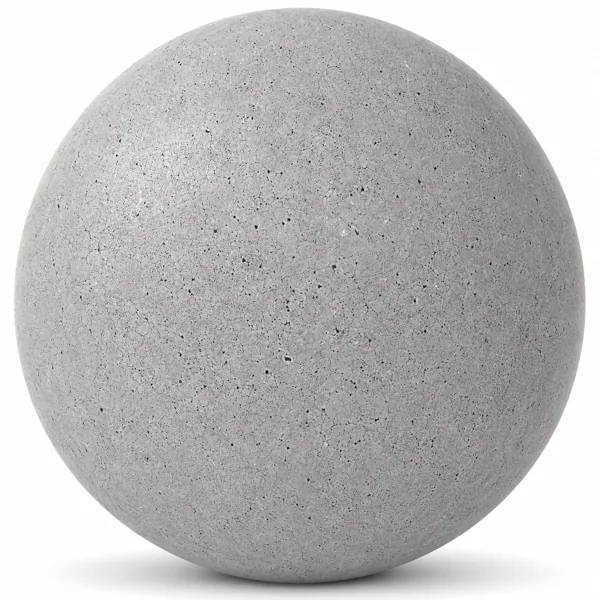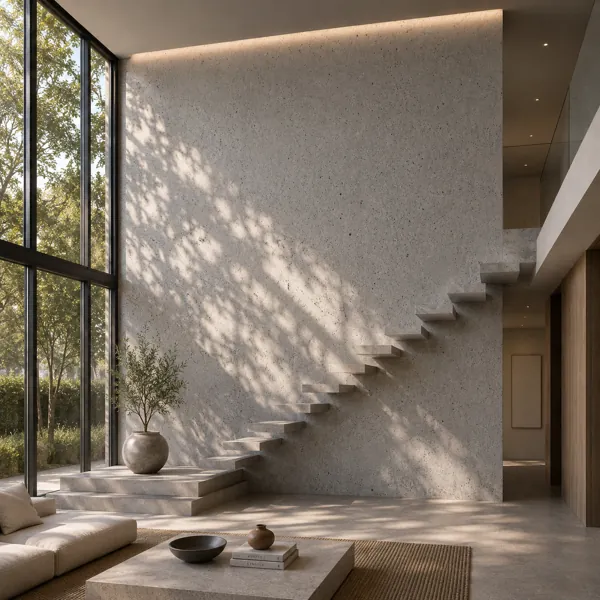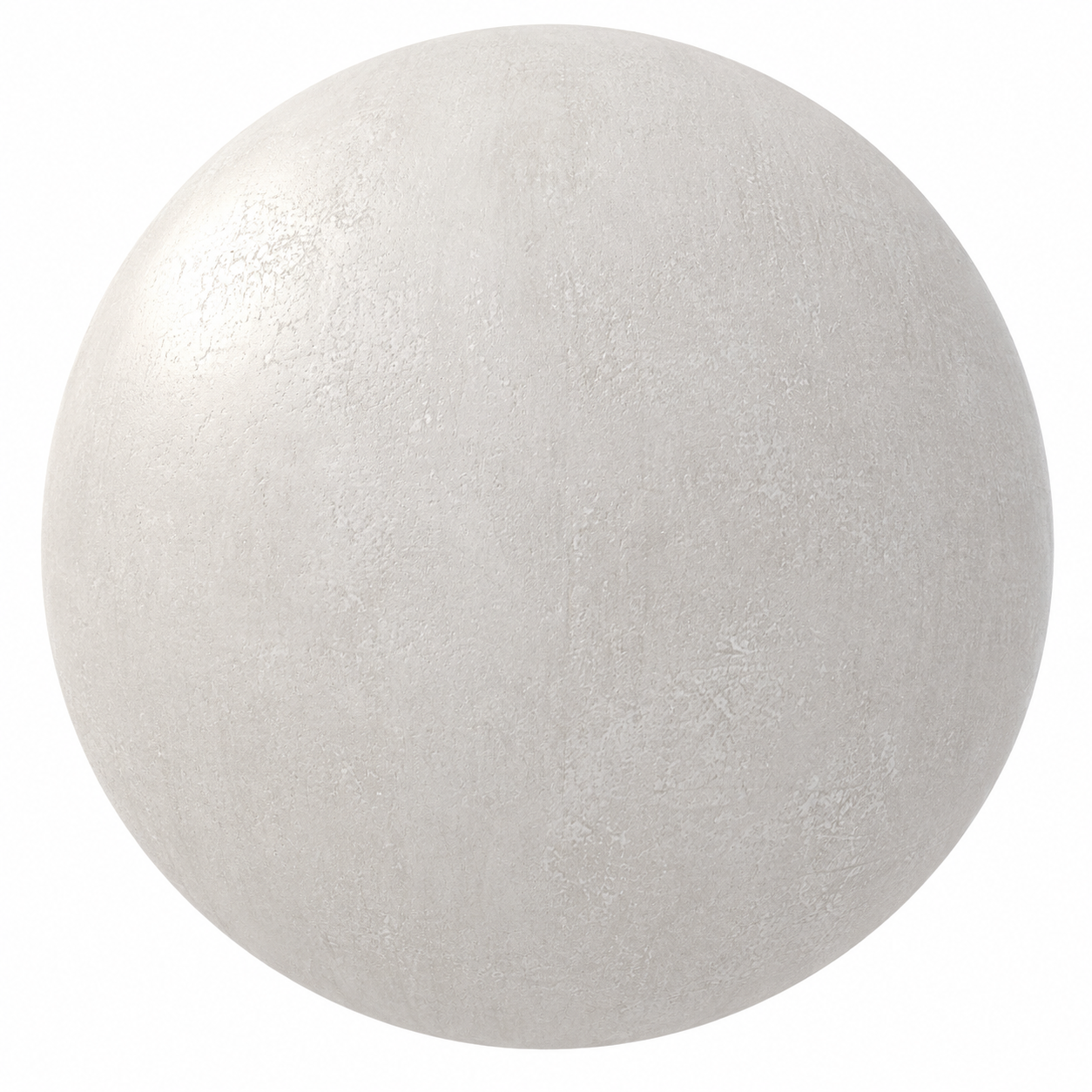
Soft Ivory Fine Grain Concrete Texture
Concrete No. 00027
FREE
Specifications
- Brand
- Laruus
- Style
- Modern
- Material
- Concrete
- Suitable spaces
- Living Room, Bedroom, Office, Cafe, Commercial, Kitchen, Entrance, Outdoor, Balcony
- Color
- WhiteBeige
- File types
- Albedo MapAlpha MapAO MapBump MapDiffuse Color MapEdge MapEmission MapHeight MapMetallic MapNormal MapPacked Texture MapRoughness Map
Soft Ivory Fine Grain Concrete Texture - High Resolution Seamless PBR Textures
Description
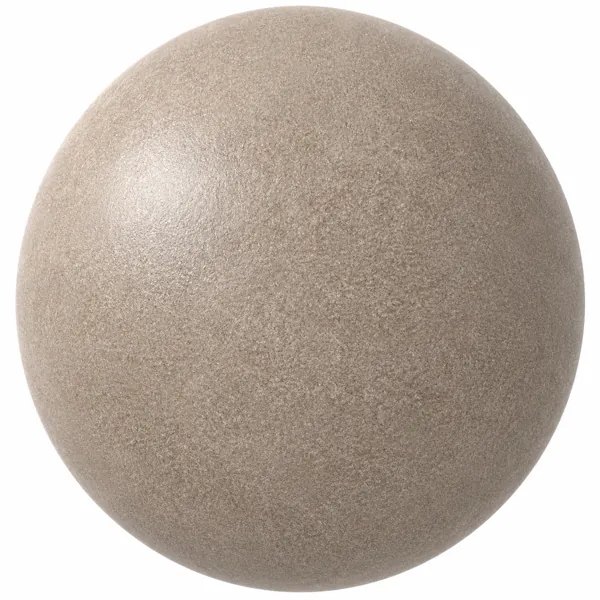
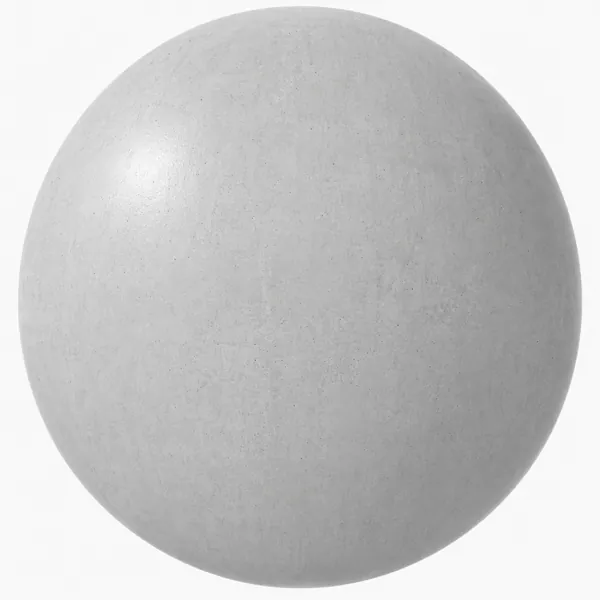
Soft Ivory Fine Grain Concrete Texture features a pale concrete surface distinguished by its warm ivory-white tone, fine granular character, and understated mottled variation. The material has a bright, restrained appearance while retaining enough visible texture to remain clearly identifiable as concrete. Across the surface, delicate irregular marks, small granular details, and softly changing tonal areas create a natural visual rhythm without introducing strong stains, deep cracks, or oversized aggregate. The combination of a light neutral base and subtle surface variation makes this concrete texture particularly relevant to modern, minimalist, warm contemporary, and monolithic architectural design where bright materials and quiet detailing are preferred.
The visible surface structure is relatively fine and evenly distributed. Small-scale irregularities are layered over the pale background, accompanied by faint directional traces and softly dispersed areas of slightly darker coloration. These variations give the material depth without creating a dominant pattern. Its low-contrast appearance allows the concrete character to remain recognizable on broad surfaces while avoiding the visual weight associated with darker or heavily weathered concrete. The fine grain is suitable for believable architectural proportions on feature walls, large panels, floors, structural volumes, and other continuous surfaces where material scale needs to remain controlled and realistic.
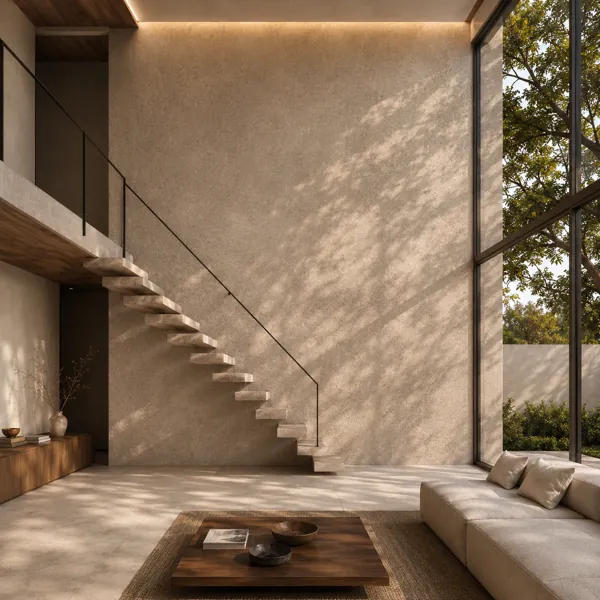
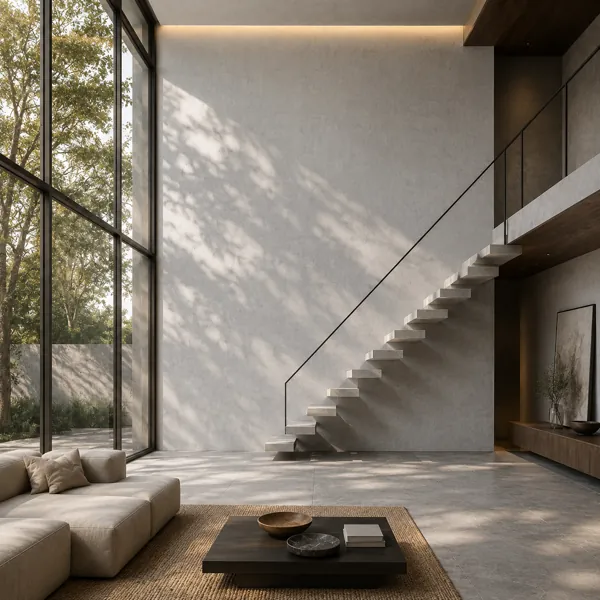
This light concrete texture can be incorporated into Living Room, Bedroom, Office, Cafe, Commercial, Kitchen, Entrance, Outdoor, and Balcony environments. It is well suited to large minimalist walls, double-height residential interiors, contemporary kitchens, gallery-inspired spaces, offices, reception areas, retail environments, and restrained exterior compositions. Its soft ivory-white coloration works naturally alongside Wood, Stone, Glass, dark Metal details, neutral Fabric, and other muted finishes. The bright surface can help interiors retain an open and calm atmosphere while introducing more tactile visual interest than plain white paint or a completely smooth architectural finish.
For archviz and CGI workflows, the texture offers a flexible base for constructing realistic pale concrete materials in 3D scenes. Its fine variation can remain useful in close material views while also supporting larger architectural compositions where surface detail helps communicate scale. The provided texture set includes Albedo Map, Alpha Map, AO Map, Bump Map, Diffuse Color Map, Edge Map, Emission Map, Height Map, Metallic Map, Normal Map, Packed Texture Map, and Roughness Map. These map types provide multiple channels for configuring material behavior according to the selected shading workflow, renderer, geometry, and required level of surface response.
In interior visualization, the soft ivory concrete character works particularly well with warm daylight and restrained artificial lighting. Directional sunlight can reveal the subtle granular pattern, while soft indirect illumination can preserve the light overall tone and gently emphasize surface depth. Beige and cream furniture, natural timber, charcoal Metal accents, Glass elements, pale Stone flooring, and simple contemporary furnishings can complement the material without competing with it. This makes the texture useful when a concrete finish is required but a conventional medium or dark grey surface would feel too visually heavy for the design concept.
When setting up the material in 3ds Max or another compatible CGI workflow, the mapping scale should preserve the fine size and density of the visible surface details. Excessive enlargement could transform the subtle grain into an unrealistically coarse pattern. Bump Map, Normal Map, Height Map, and Roughness Map influence should also be adjusted carefully for the renderer, camera distance, and target geometry rather than exaggerated. Maintaining consistent mapping across adjoining architectural surfaces can help preserve continuity, realistic scale, and the understated concrete character visible in the source material.
Frequently asked questions
Is this texture free?
Yes. You can download it with a free Laruus account. Free textures are limited to 5 downloads per day.
Which software can I use this texture in?
The maps are standard image files, so they work in any renderer with PBR materials, such as Corona or V-Ray in 3ds Max, Blender, SketchUp with V-Ray or Enscape, and Unreal Engine.
What do I get when I download it?
A 219 MB download. It was added to Laruus on August 28, 2026.
Which spaces is it suitable for?
It suits Living Room, Bedroom, Office, Cafe, Commercial, Kitchen, Entrance, Outdoor, and Balcony projects. Style: Modern.