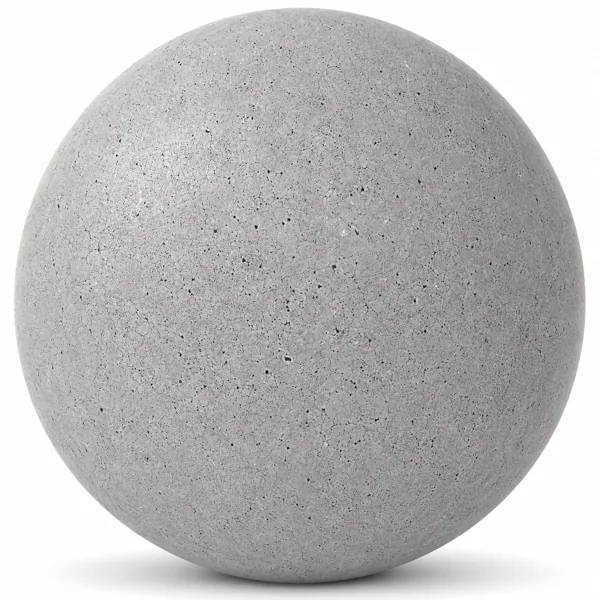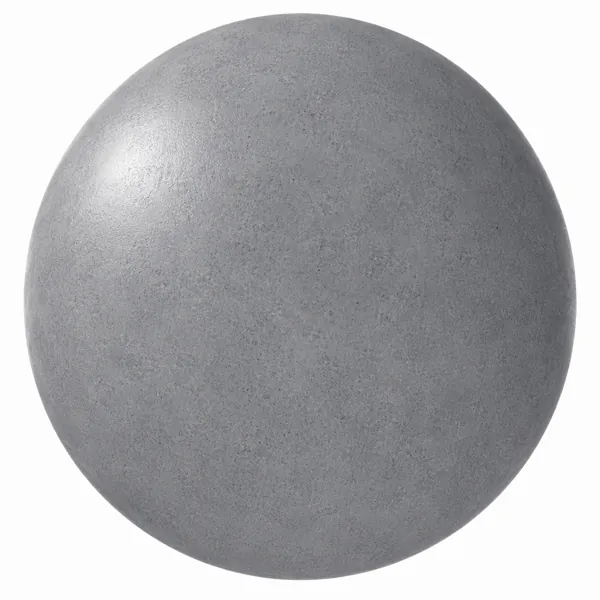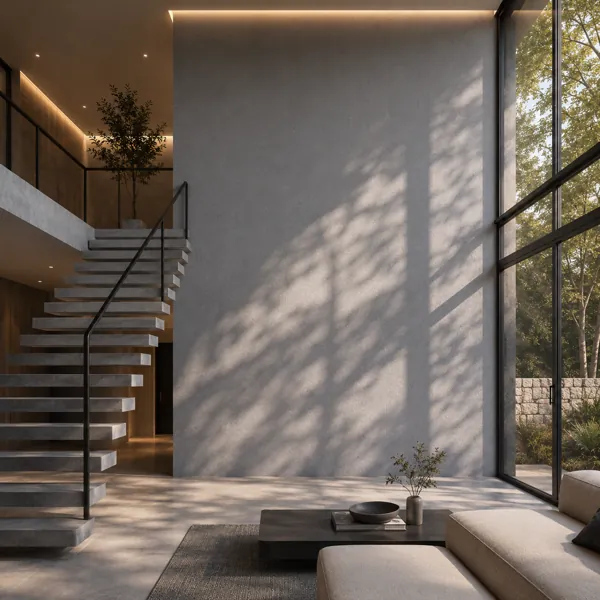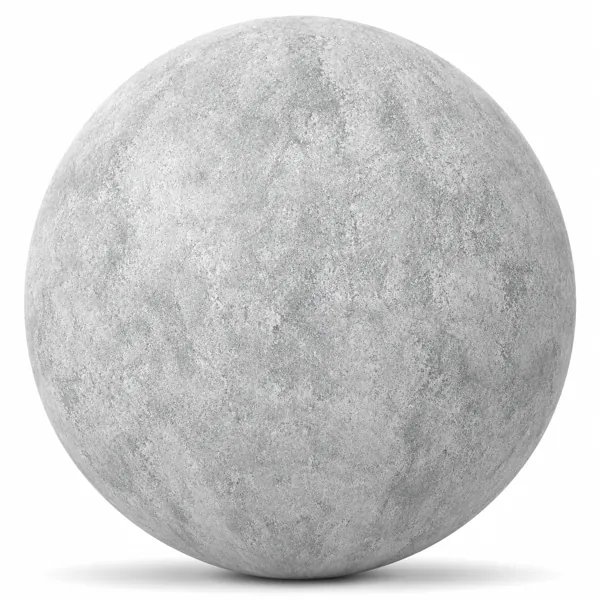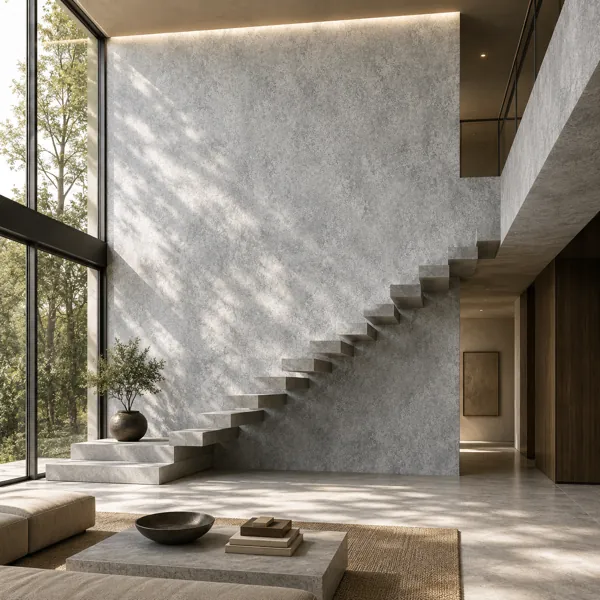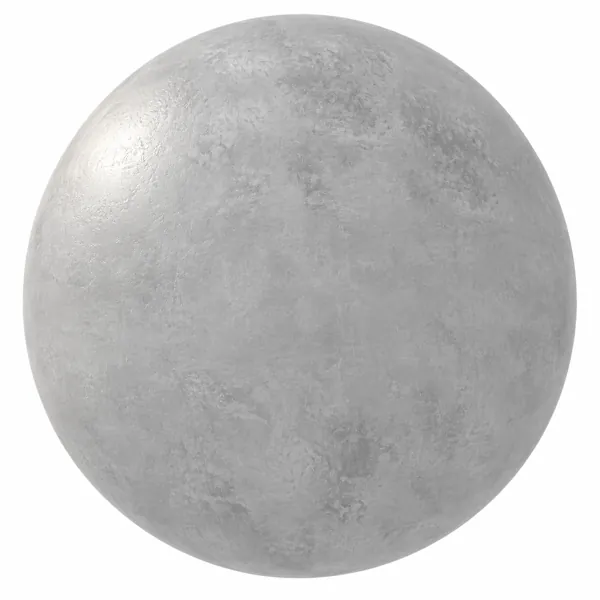
Light Grey Fine Pore Raw Concrete Texture
Concrete No. 00043
FREE
Specifications
- Brand
- Laruus
- Style
- Modern
- Material
- Concrete
- Suitable spaces
- Living Room, Bedroom, Office, Cafe, Commercial, Kitchen, Entrance, Outdoor
- Color
- GrayBeige
- File types
- Albedo MapAlpha MapAO MapBump MapDiffuse Color MapEdge MapEmission MapHeight MapMetallic MapNormal MapPacked Texture MapRoughness Map
Light Grey Fine Pore Raw Concrete Texture - High Resolution Seamless PBR Textures
Description
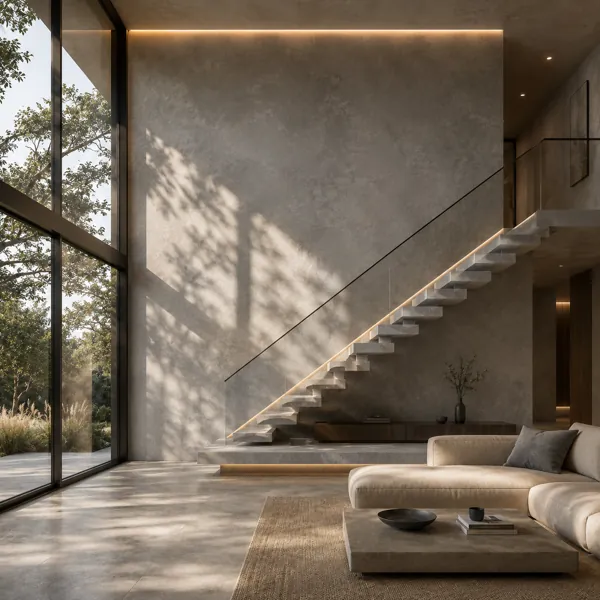
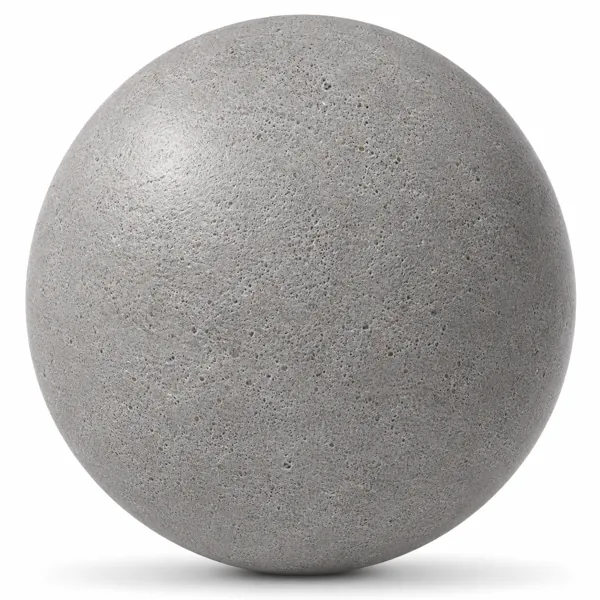
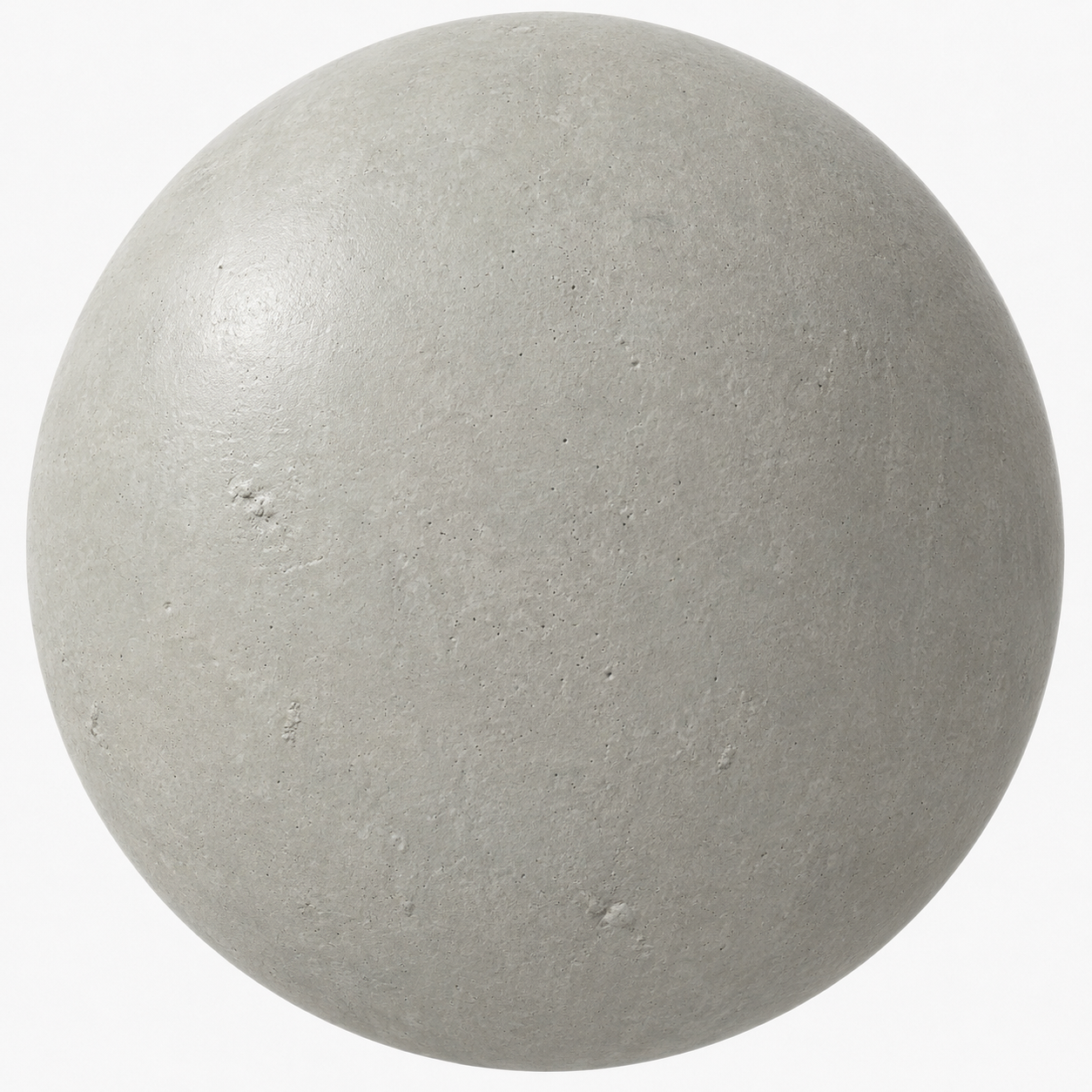
Light Grey Fine Pore Raw Concrete Texture presents a pale grey concrete surface distinguished by numerous tiny pores, scattered shallow pits and restrained natural tonal variation. The visible finish has an unfinished architectural character rather than the uniform appearance of polished cement. Fine dark pinholes and occasional irregular surface marks interrupt the otherwise calm background, creating a believable material identity suitable for modern and minimalist visualization. Its subdued grey-beige undertone works especially well where a neutral concrete finish is required without introducing strong color or decorative pattern.
The surface structure is defined by small-scale imperfections rather than large exposed aggregates. Fine pores are distributed across the material, while isolated depressions and subtle raised areas introduce local variation without dominating the texture. This restrained scale makes the concrete appropriate for broad architectural surfaces, where oversized details could otherwise appear unrealistic. The material reads as dense cast or raw concrete with a lightly uneven finish, providing enough micro-detail to react naturally to directional illumination while retaining a relatively consistent overall appearance from a distance.
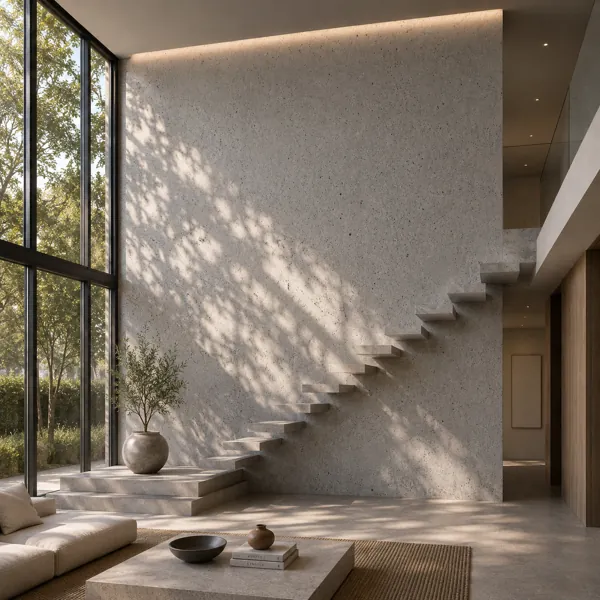
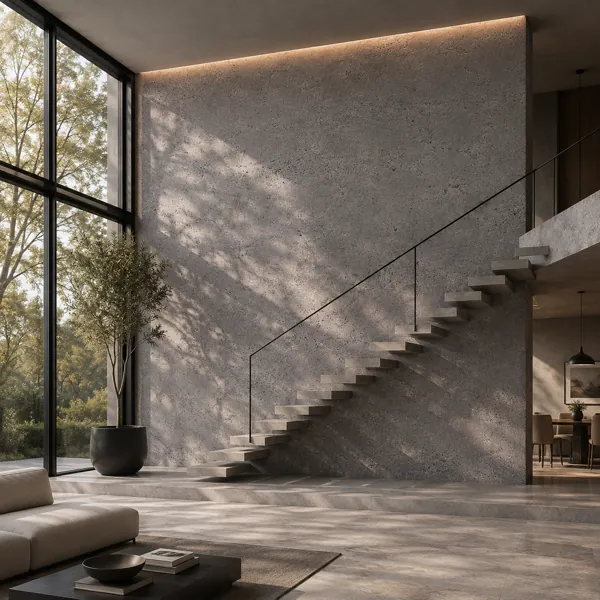
This light grey concrete texture can support walls, feature surfaces, structural elements, ceilings and other cement-based architectural applications in residential or commercial scenes. Its neutral appearance pairs naturally with Wood, Metal, Glass, Stone and understated fabrics, making it useful for Living Room, Bedroom, Office, Cafe, Commercial, Kitchen and Entrance environments. It can also complement Outdoor architectural compositions when a pale raw-concrete aesthetic is required. The restrained color makes it particularly suitable for modern interiors, brutalist-inspired spaces, contemporary galleries, retail environments and minimalist architectural concepts.
Within archviz and CGI workflows, the texture provides a practical foundation for realistic concrete materials across both close and wider camera views. The visible pores and subtle surface irregularities can help prevent large walls from appearing artificially flat, while the muted tonal distribution remains unobtrusive behind furniture and architectural details. Artists can use the supplied PBR map set to control surface response according to the needs of a specific renderer or scene. Proper real-world texture scaling remains important so the small pores retain their convincing proportions on walls, columns, slabs or modeled concrete objects.
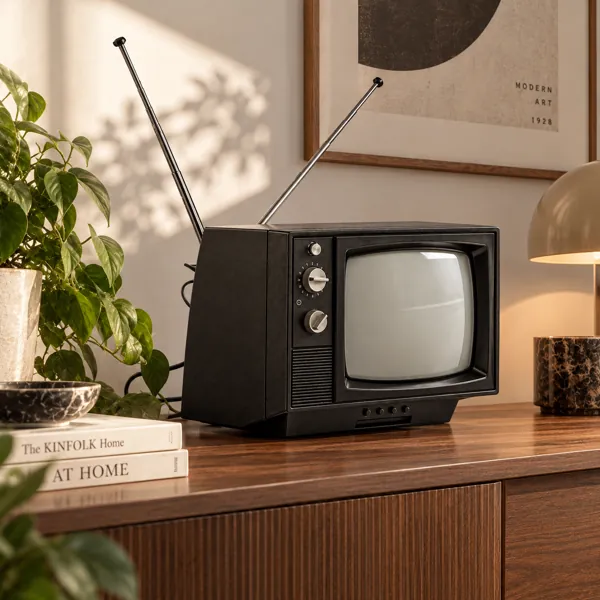
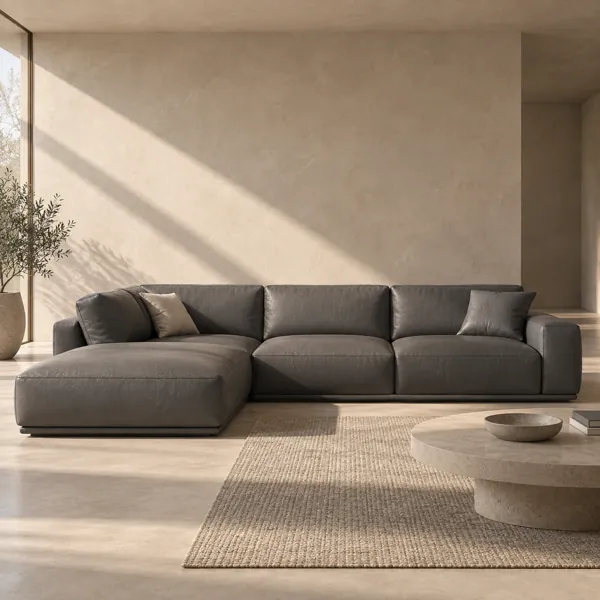
In interior design visualization, this raw concrete surface works as a quiet architectural backdrop rather than a visually aggressive statement material. Warm timber, blackened metal, neutral upholstery and natural stone can introduce contrast against its light grey tone, while daylight can reveal the fine pore structure without producing distracting patterns. Under softer indirect illumination, the surface becomes more uniform and understated. This flexibility makes it useful for material studies, residential concepts, hospitality spaces, product staging and architectural presentations where subtle concrete character is needed.
The included file types are Albedo Map, Alpha Map, AO Map, Bump Map, Diffuse Color Map, Edge Map, Emission Map, Height Map, Metallic Map, Normal Map, Packed Texture Map and Roughness Map. These maps provide options for building physically based material setups and adjusting visible depth, reflectance and micro-surface response within compatible 3D workflows. For convincing results, keep displacement or bump effects restrained so the fine pores and shallow imperfections remain proportional to the surface. Balanced lighting and physically plausible mapping will preserve the distinctive light grey, fine-pore character visible in the reference material.
Frequently asked questions
Is this texture free?
Yes. You can download it with a free Laruus account. Free textures are limited to 5 downloads per day.
Which software can I use this texture in?
The maps are standard image files, so they work in any renderer with PBR materials, such as Corona or V-Ray in 3ds Max, Blender, SketchUp with V-Ray or Enscape, and Unreal Engine.
What do I get when I download it?
A 51.0 MB download. It was added to Laruus on August 31, 2026.
Which spaces is it suitable for?
It suits Living Room, Bedroom, Office, Cafe, Commercial, Kitchen, Entrance, and Outdoor projects. Style: Modern.