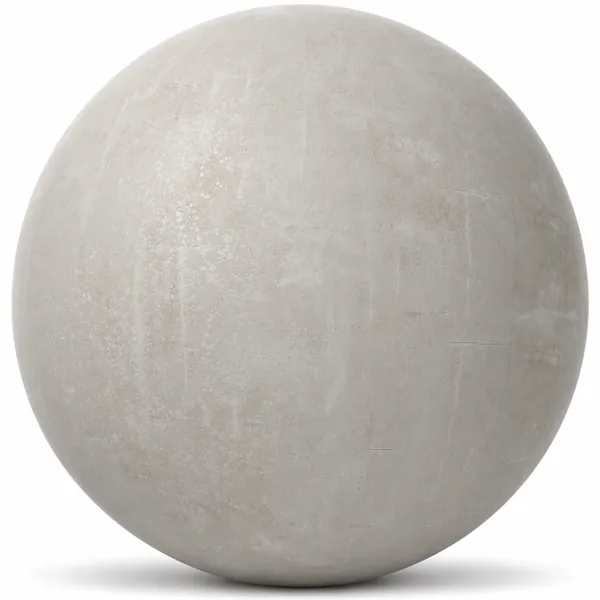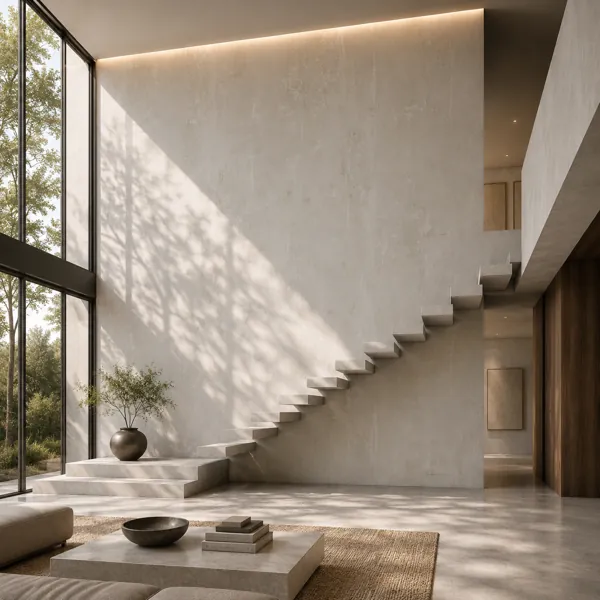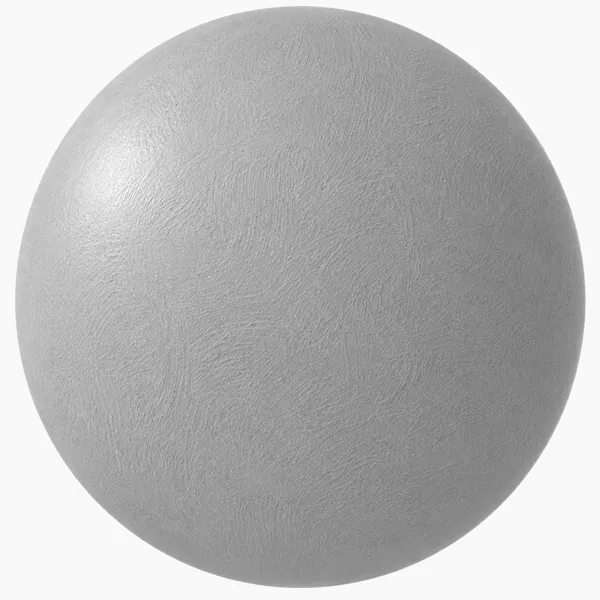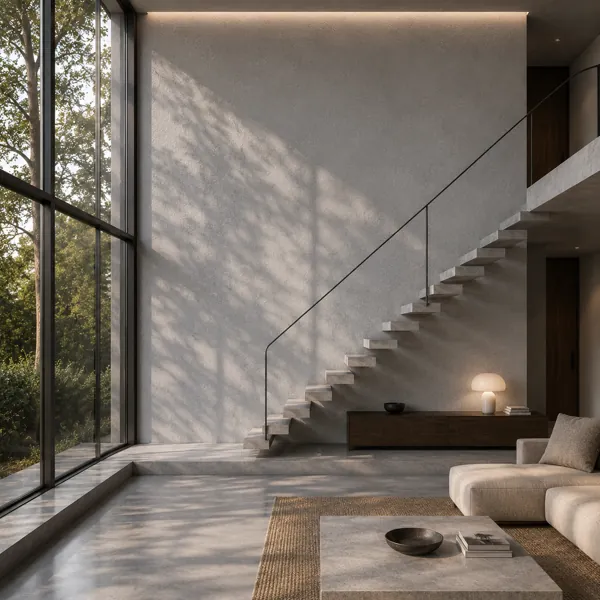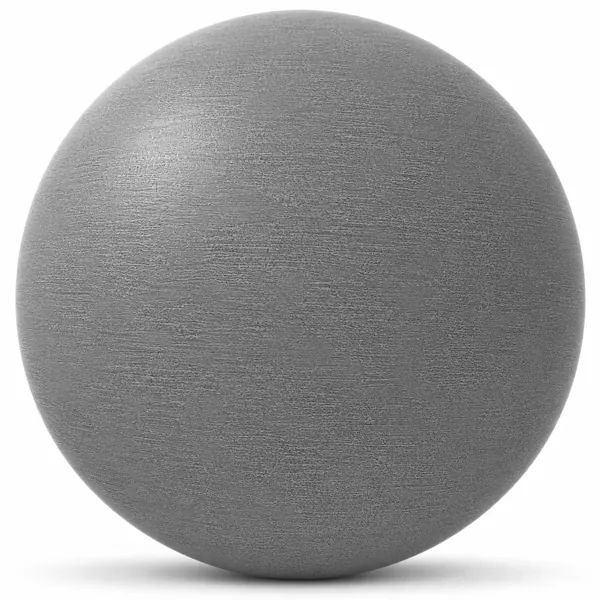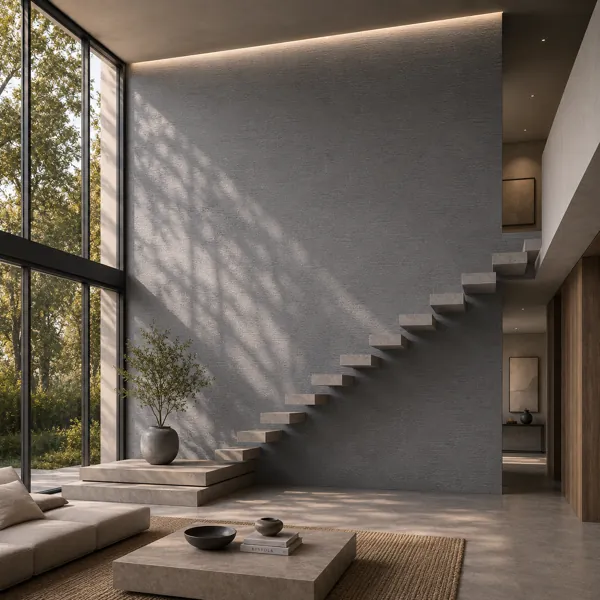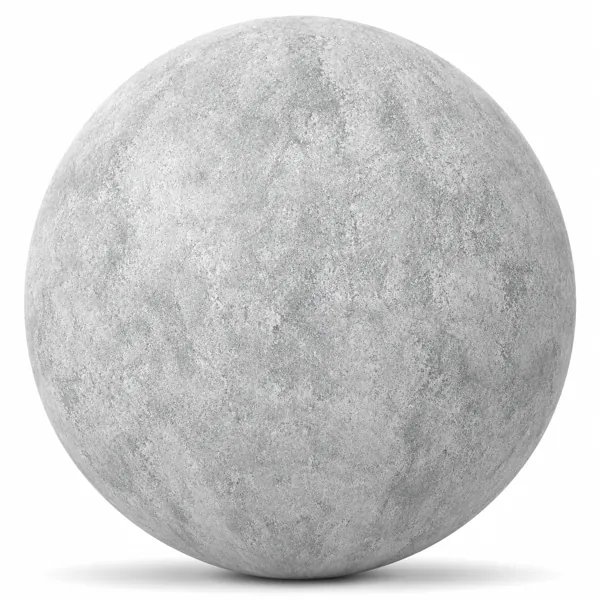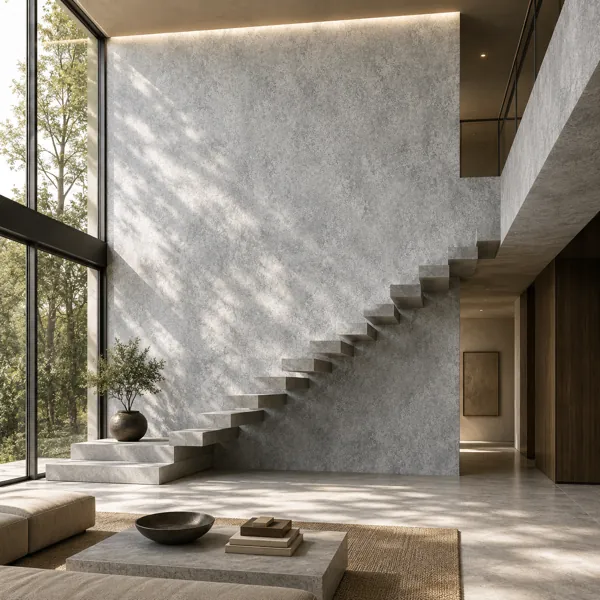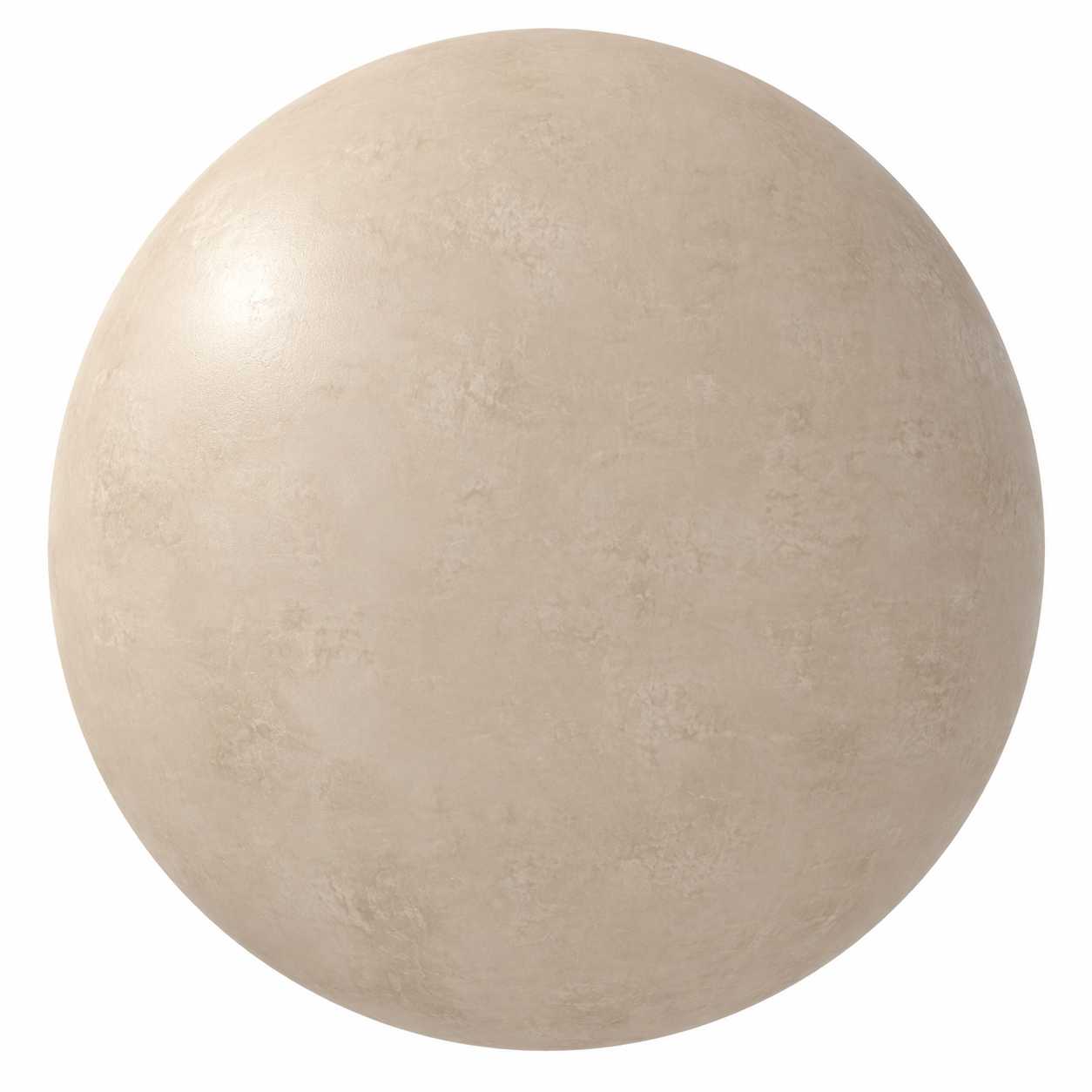
Light Sand Beige Mottled Concrete Texture
Concrete No. 00032
FREE
Specifications
- Brand
- Laruus
- Style
- Modern
- Material
- Concrete
- Suitable spaces
- Living Room, Bedroom, Office, Cafe, Commercial, Kitchen, Entrance, Garden, Outdoor, Balcony
- Color
- Beige
- File types
- Albedo MapAlpha MapAO MapBump MapDiffuse Color MapEdge MapEmission MapHeight MapMetallic MapNormal MapPacked Texture MapRoughness Map
Light Sand Beige Mottled Concrete Texture - High Resolution Seamless PBR Textures
Description
Light Sand Beige Mottled Concrete Texture features a warm, pale beige concrete surface distinguished by softly blended tonal patches and subtle irregular finishing marks. The material has a calm mineral appearance with gentle transitions between cream-beige highlights and slightly deeper sandy areas. Rather than displaying pronounced aggregate, cracks, or heavy weathering, the surface relies on restrained mottling and delicate textural variation to create depth. This understated visual language makes it particularly suitable for modern architectural projects that require the character of concrete while maintaining a light, warm, and refined material palette.
The visible surface structure is relatively fine and compact, with softly distributed imperfections that prevent the concrete from appearing digitally uniform. Faint cloudy patches, subtle application marks, and small variations in surface density create an organic finish without introducing a strong directional pattern. The material reads as lightly textured concrete rather than polished stone, terrazzo, or heavily distressed cement. Its balanced scale allows the surface character to remain recognizable across broad architectural areas while avoiding oversized details that could disrupt realistic proportions when mapped onto walls, partitions, columns, or built-in elements.
This warm beige concrete texture is suitable for a wide range of residential and commercial environments. It can be applied to Living Room feature walls, Bedroom surfaces, Office interiors, Cafe counters and walls, Commercial spaces, Kitchen architectural elements, and Entrance areas. Its neutral warmth also allows it to work within Garden, Outdoor, and Balcony visualizations when a pale concrete finish is appropriate. The restrained pattern provides a versatile backdrop for furniture and architectural features, making it useful for minimalist interiors, contemporary residential spaces, hospitality concepts, galleries, reception zones, and material-focused architectural compositions.
For archviz and CGI workflows, the texture provides a practical foundation for creating believable concrete materials in close-up and wide-angle scenes. The soft mottling can respond naturally to directional illumination, grazing light, and indirect lighting, revealing additional surface variation without requiring exaggerated relief. In bright daylight scenes, the pale beige base can support airy architectural compositions, while warmer artificial lighting can emphasize its sandy undertones. The material can be incorporated into 3D's Max workflows and adapted to the requirements of the chosen rendering pipeline, with individual maps adjusted according to scene scale, lighting conditions, and desired surface response.
Within interior design schemes, the light sand beige coloring coordinates naturally with Wood, Stone, Glass, dark Metal details, neutral Fabric upholstery, and other muted architectural materials. Light oak or medium-toned timber can reinforce the warmth of the surface, while black metal details provide controlled contrast. Cream, beige, and off-white furniture can create a cohesive tonal composition. The concrete texture is especially appropriate for warm minimalism, organic modern interiors, contemporary Mediterranean-inspired spaces, and monolithic architectural concepts where tactile surfaces are important but strong visual noise is undesirable.
The supplied texture package includes Albedo Map, Alpha Map, AO Map, Bump Map, Diffuse Color Map, Edge Map, Emission Map, Height Map, Metallic Map, Normal Map, Packed Texture Map, and Roughness Map. These channels provide options for constructing a PBR-oriented material setup and controlling visible surface response within a 3D workflow. Bump, Height, Normal, and Roughness information should be balanced carefully to preserve the subtle character visible in the reference. Appropriate mapping scale is also important so the fine mottling and softly distributed marks remain physically believable across architectural surfaces.
Frequently asked questions
Is this texture free?
Yes. You can download it with a free Laruus account. Free textures are limited to 5 downloads per day.
Which software can I use this texture in?
The maps are standard image files, so they work in any renderer with PBR materials, such as Corona or V-Ray in 3ds Max, Blender, SketchUp with V-Ray or Enscape, and Unreal Engine.
What do I get when I download it?
A 71.7 MB download. It was added to Laruus on August 31, 2026.
Which spaces is it suitable for?
It suits Living Room, Bedroom, Office, Cafe, Commercial, Kitchen, Entrance, Garden, Outdoor, and Balcony projects. Style: Modern.