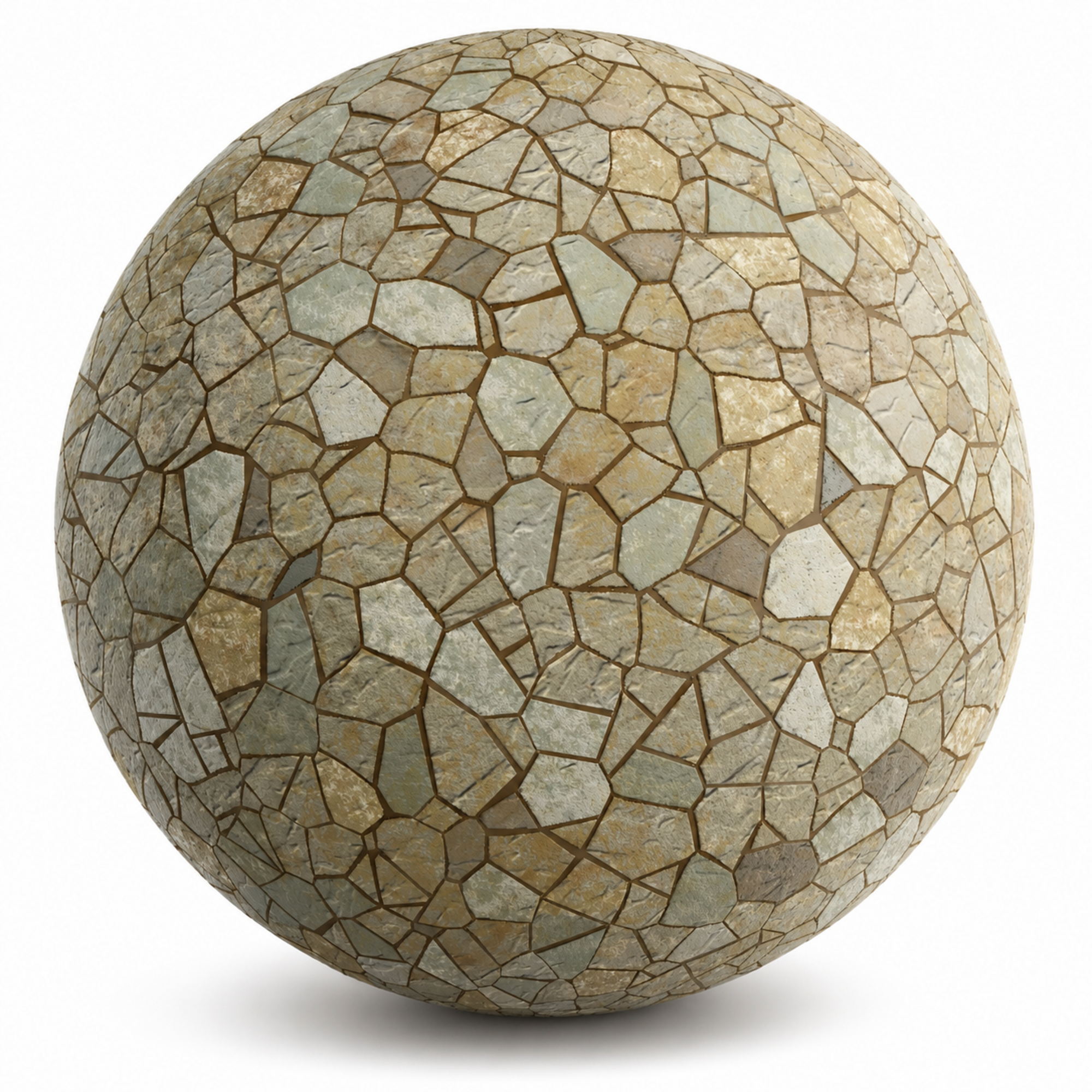
Beige Irregular Stone Mosaic Texture
Stone No. 00026
FREE
Specifications
- Brand
- Laruus
- Style
- Modern
- Material
- Stone
- Suitable spaces
- Living Room, Kitchen, Cafe, Commercial, Entrance, Garden, Outdoor, Balcony
- Color
- BeigeGrayBrownWhite
- File types
- Albedo MapAlpha MapAO MapBump MapDiffuse Color MapEdge MapEmission MapHeight MapMetallic MapNormal MapPacked Texture MapRoughness Map
Organic Irregular Stone Mosaic
Description
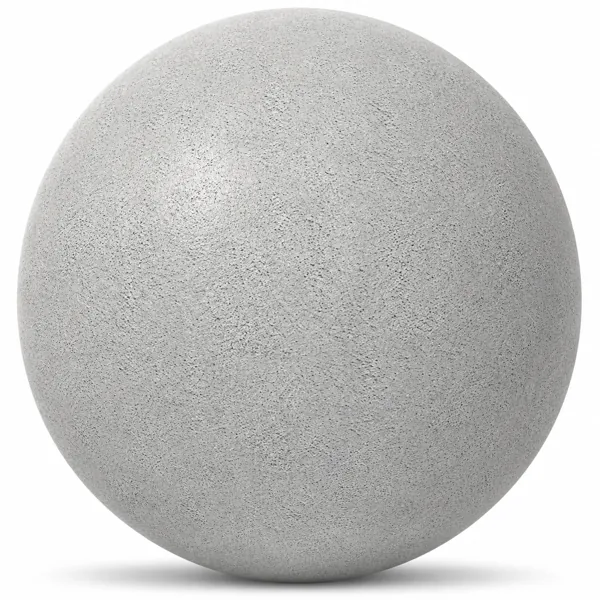
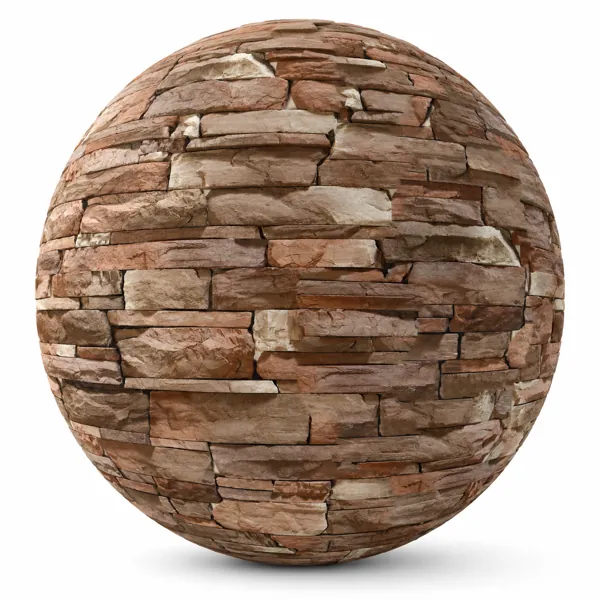
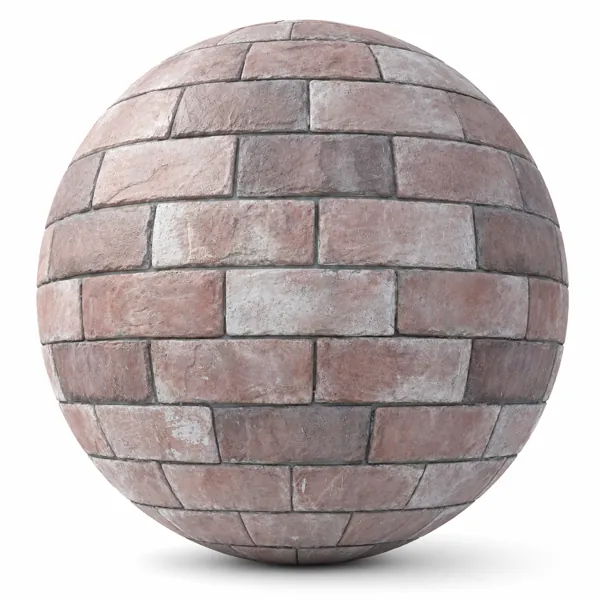
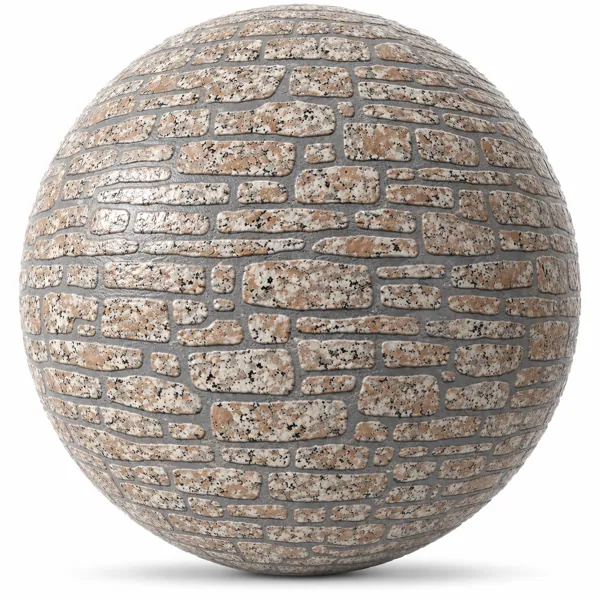
This beige irregular stone mosaic texture features a dense arrangement of individually shaped stone fragments defined by contrasting dark brown joints. The surface combines warm beige, muted gray, off-white and earthy brown tones, creating an organic appearance without relying on a repetitive geometric grid. Variation in fragment size, outline and color gives the material a naturally assembled character that works particularly well with modern architecture seeking tactile detail and subtle visual irregularity. The fragmented pattern is the defining feature of this stone surface and clearly distinguishes it from conventional rectangular tiles or uniform stacked-stone finishes.
The visible construction consists of numerous polygonal stone pieces separated by narrow, uneven joint lines. Individual fragments range from relatively small pieces to broader irregular sections, producing a varied visual rhythm across the surface. Their proportions are intentionally inconsistent, while the overall distribution remains balanced. Fine mottling and mineral-like tonal changes are visible inside many pieces, adding depth beyond the larger mosaic pattern. The palette stays predominantly neutral and warm, with beige stone balanced by gray, pale cream and occasional deeper brown areas. The dark joints create enough contrast to make every fragment legible, even when the material is viewed from a moderate distance.
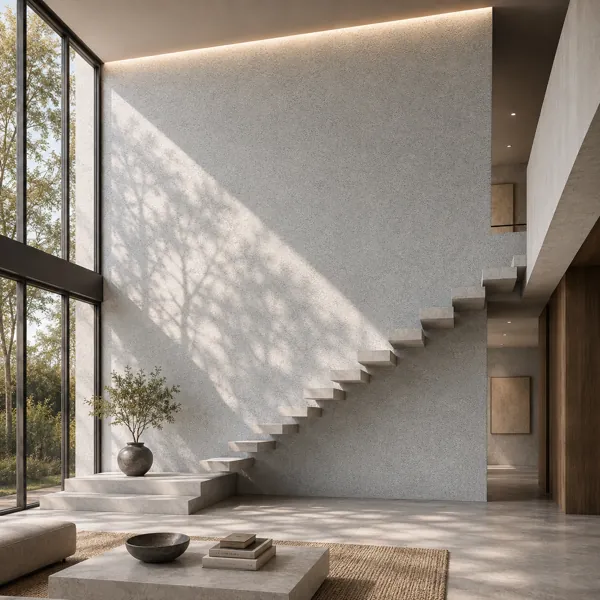
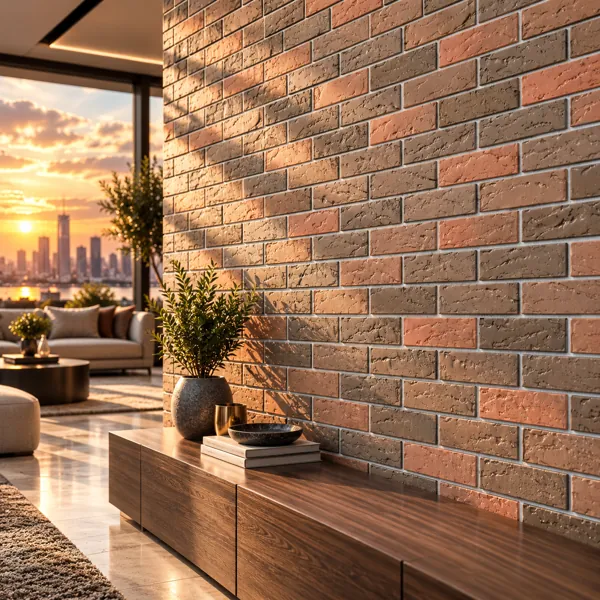
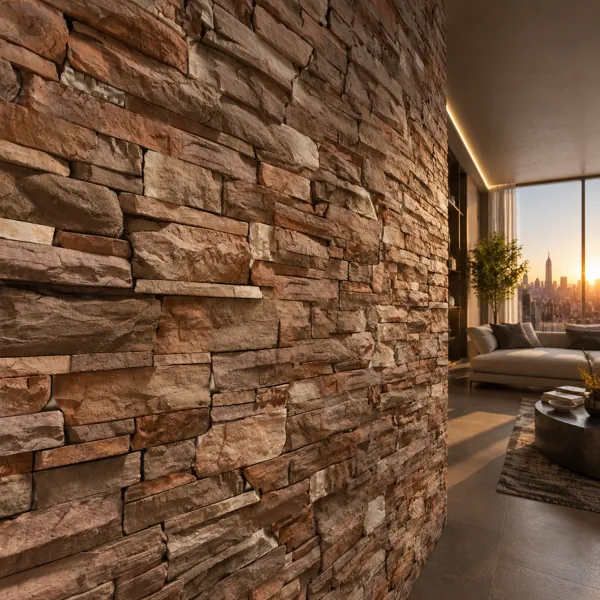
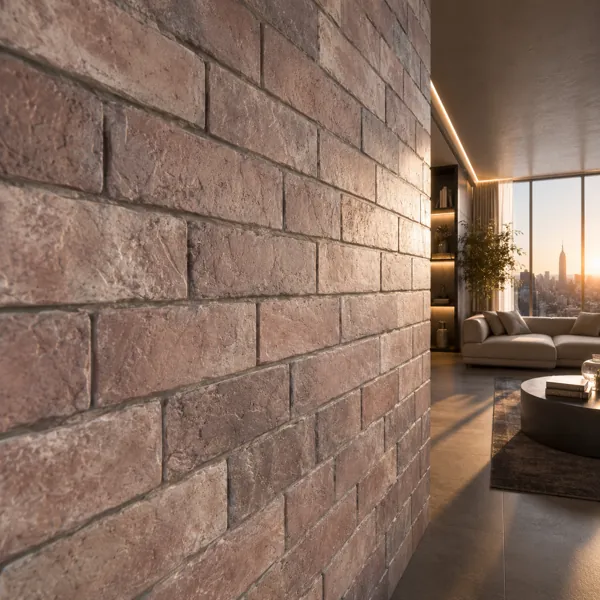
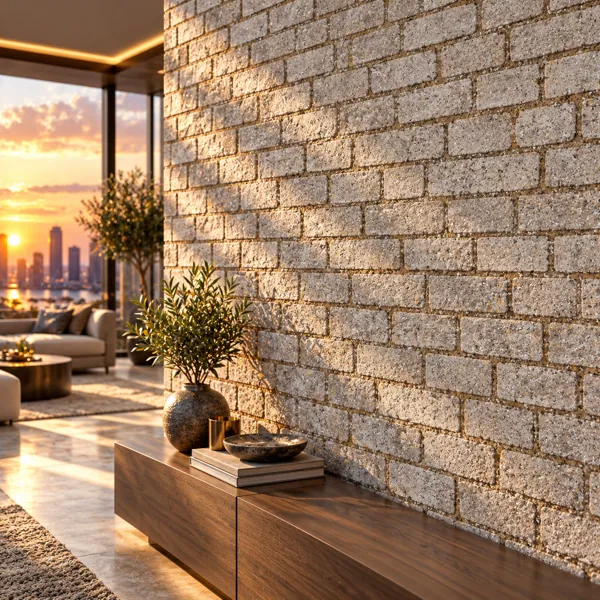
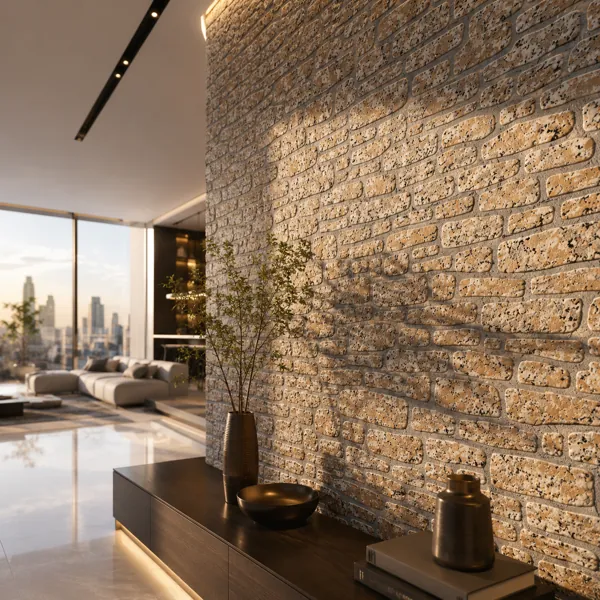
This irregular stone mosaic can suit architectural surfaces in living rooms, kitchens, entrances, cafes and commercial interiors where a natural mineral finish is appropriate. It can also inform garden, balcony and outdoor visualization concepts when the design calls for fragmented stonework. Depending on the intended architectural application, the pattern can visually support feature walls, decorative wall sections, fireplace surrounds, counters, columns, facade elements or other stone-clad surfaces. Its restrained neutral colors allow it to coordinate with wood, metal, concrete, glass and similarly understated materials without dominating the composition.
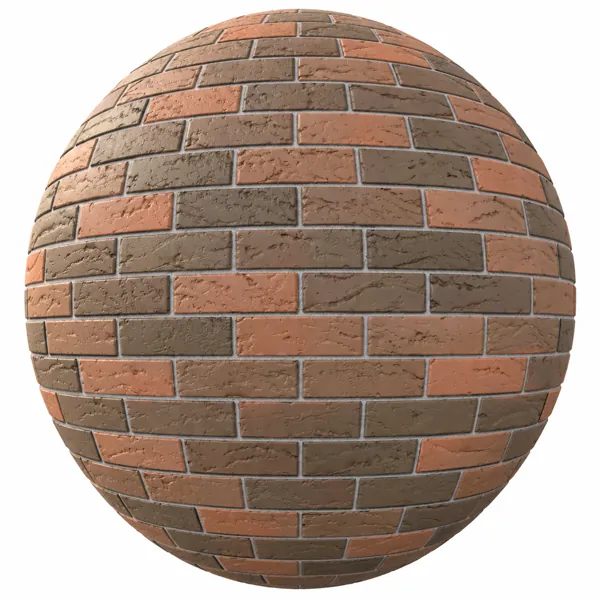
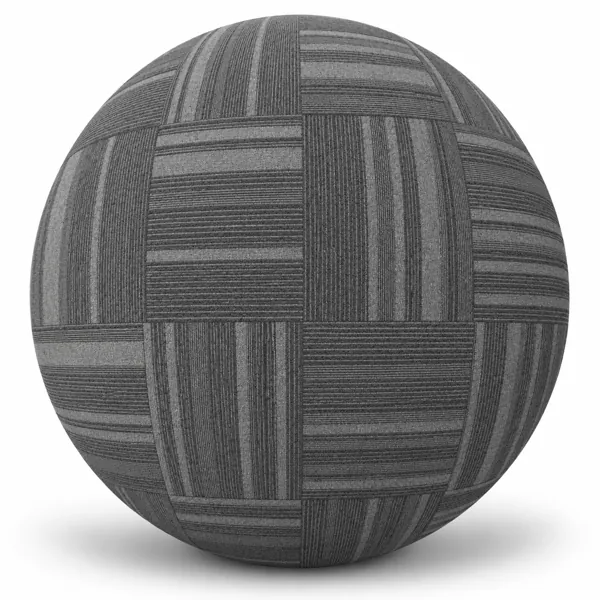
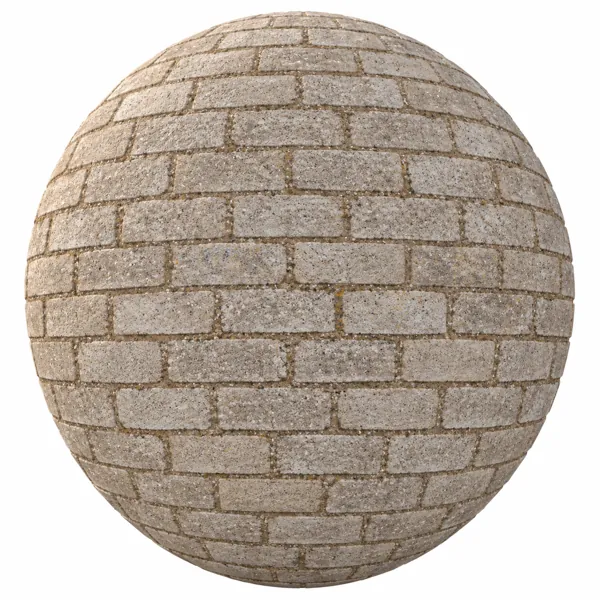
For architectural visualization and CGI work, the material provides a distinctive surface language that remains recognizable in both close views and wider compositions. The irregular boundaries introduce useful breakup across broad surfaces, while the internal stone variation contributes smaller-scale detail for closer camera positions. This combination can help archviz artists avoid the overly uniform appearance associated with simple procedural stone patterns. The preview demonstrates the material on a spherical form, making the tonal distribution, joint contrast and behavior across a curved surface easy to evaluate visually.
Within contemporary interior design, the beige and gray stone palette works naturally with warm minimal, organic modern and neutral material schemes. The mosaic structure can act as a textured counterpoint to smooth cabinetry, plaster walls, polished flooring or clean architectural lines. Because the individual pieces vary in shape rather than following a rigid module, the surface introduces an artisanal visual quality while retaining a restrained modern color range. This makes it useful where designers want stone character without strong veining or highly saturated color.
The supplied product information identifies 3D's Max as the 3D software and Corona Renderer as the rendering environment. No specific file extensions, physical dimensions, texture resolution, mapping method, displacement settings or seamless tiling properties are confirmed, so these technical characteristics should not be assumed. The visible preview supports evaluation of the irregular fragment pattern, neutral stone coloration, surface variation and contrasting joints, while project-specific scale and material settings should be verified within the supplied asset before final production rendering.
Frequently asked questions
Is this texture free?
Yes. You can download it with a free Laruus account. Free textures are limited to 5 downloads per day.
Which software can I use this texture in?
The maps are standard image files, so they work in any renderer with PBR materials, such as Corona or V-Ray in 3ds Max, Blender, SketchUp with V-Ray or Enscape, and Unreal Engine.
What do I get when I download it?
A 45.1 MB download. It was added to Laruus on June 28, 2026.
Which spaces is it suitable for?
It suits Living Room, Kitchen, Cafe, Commercial, Entrance, Garden, Outdoor, and Balcony projects. Style: Modern.