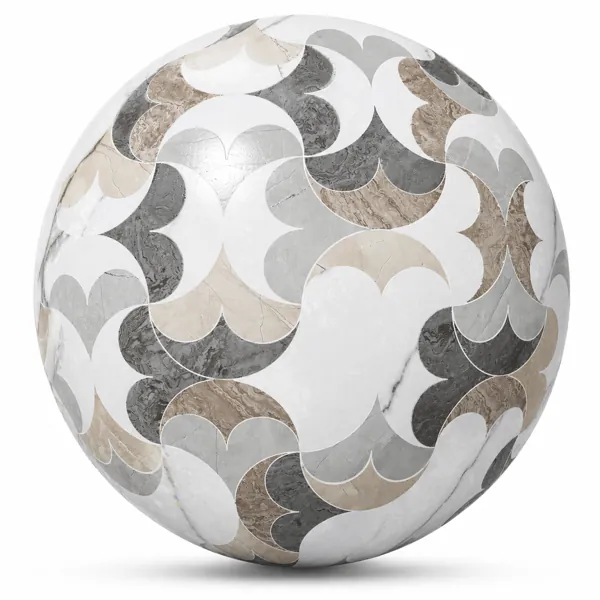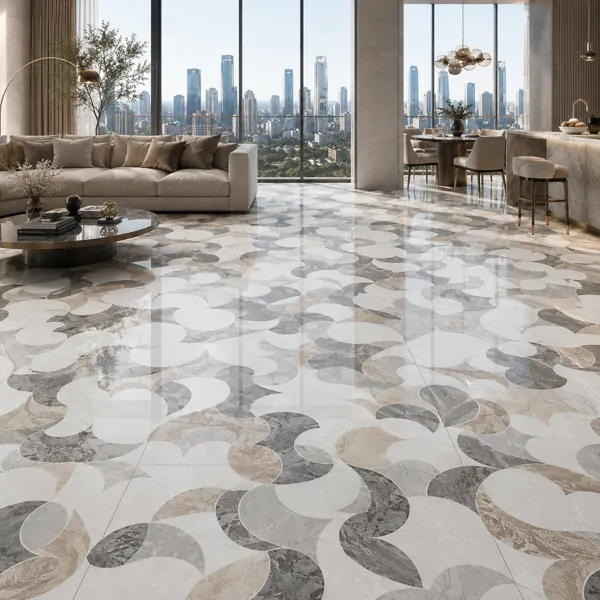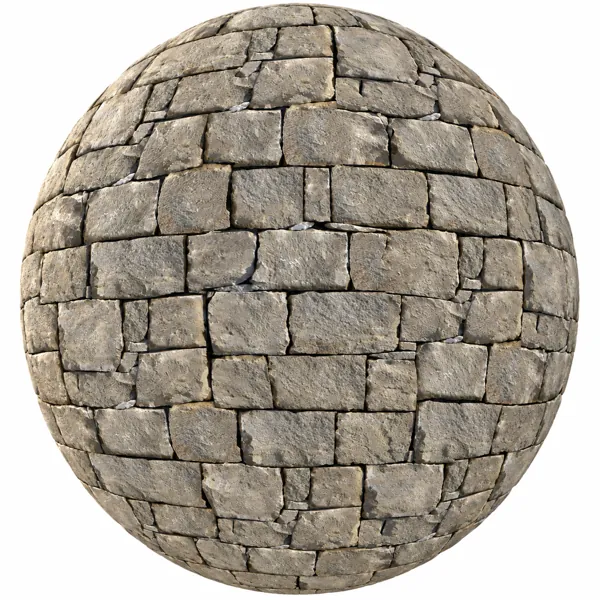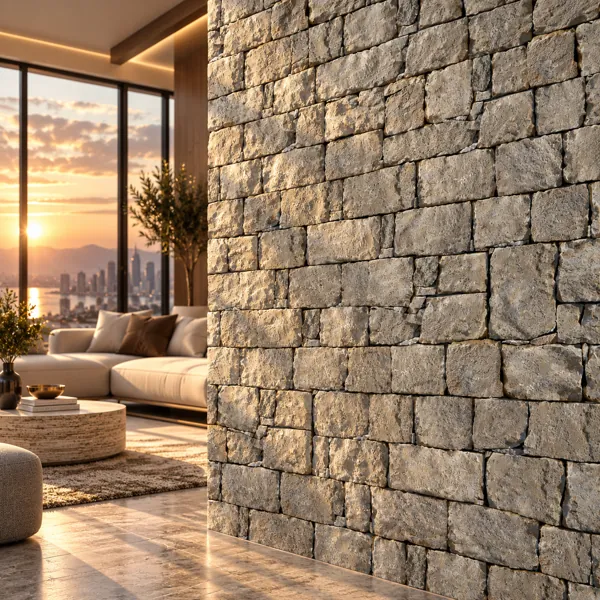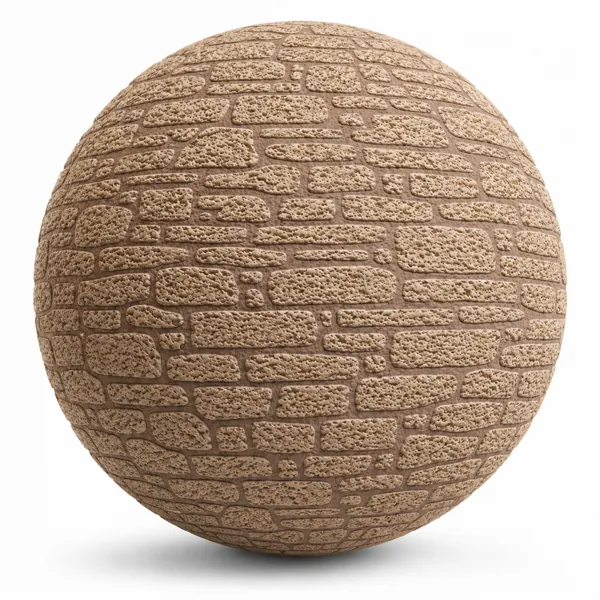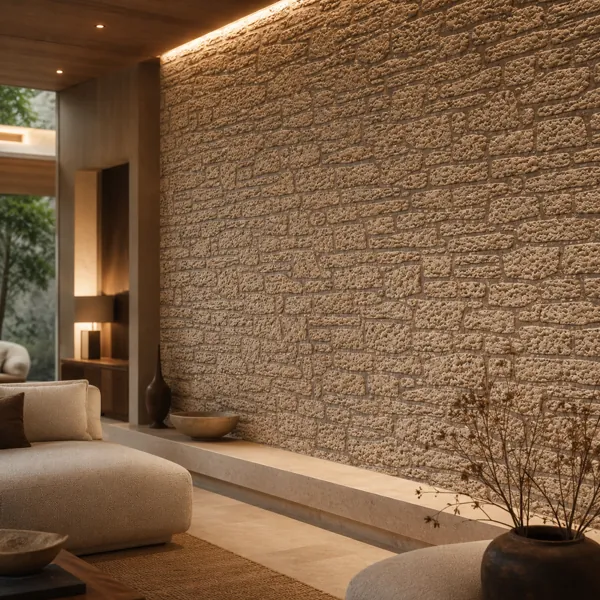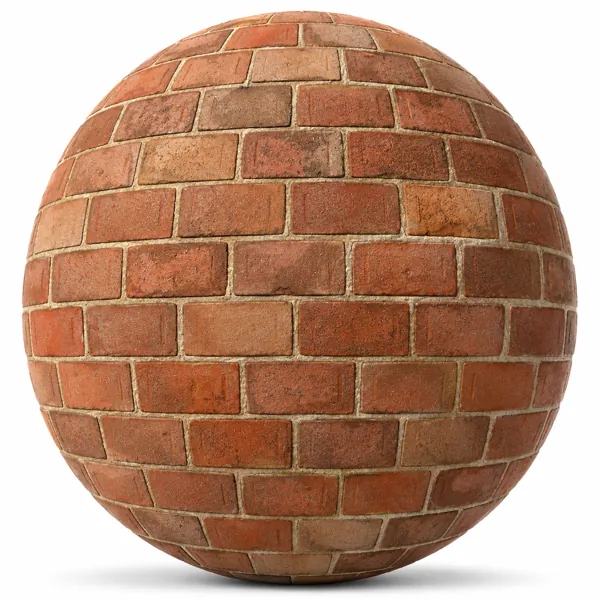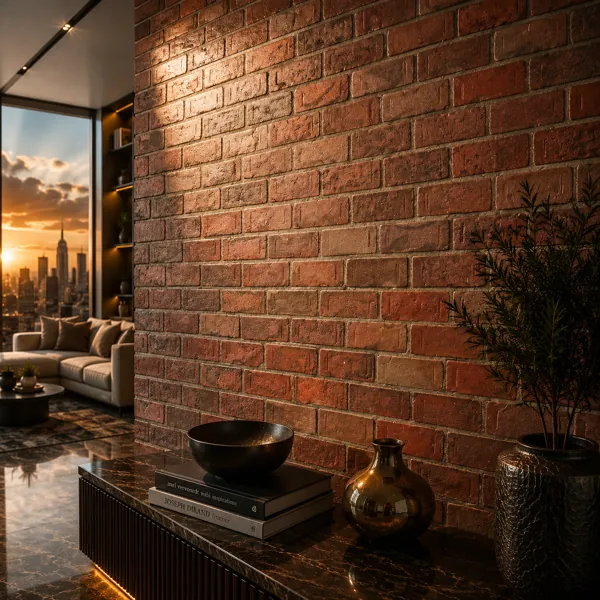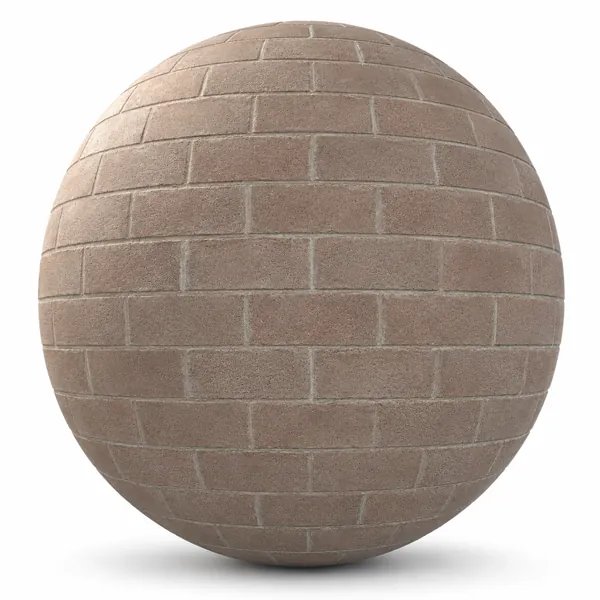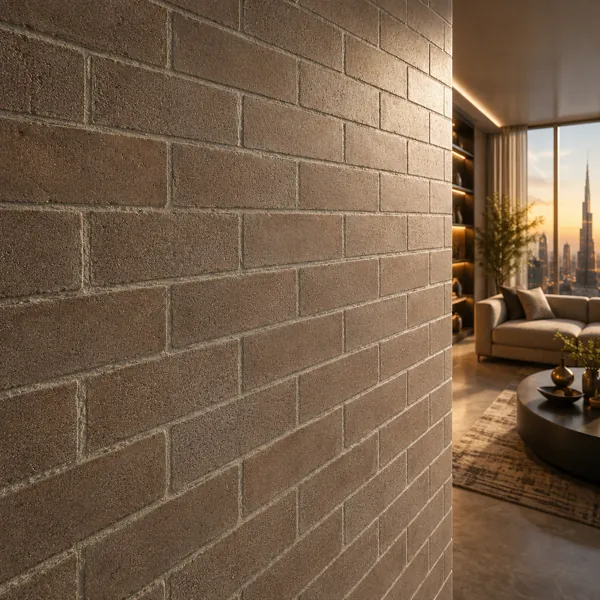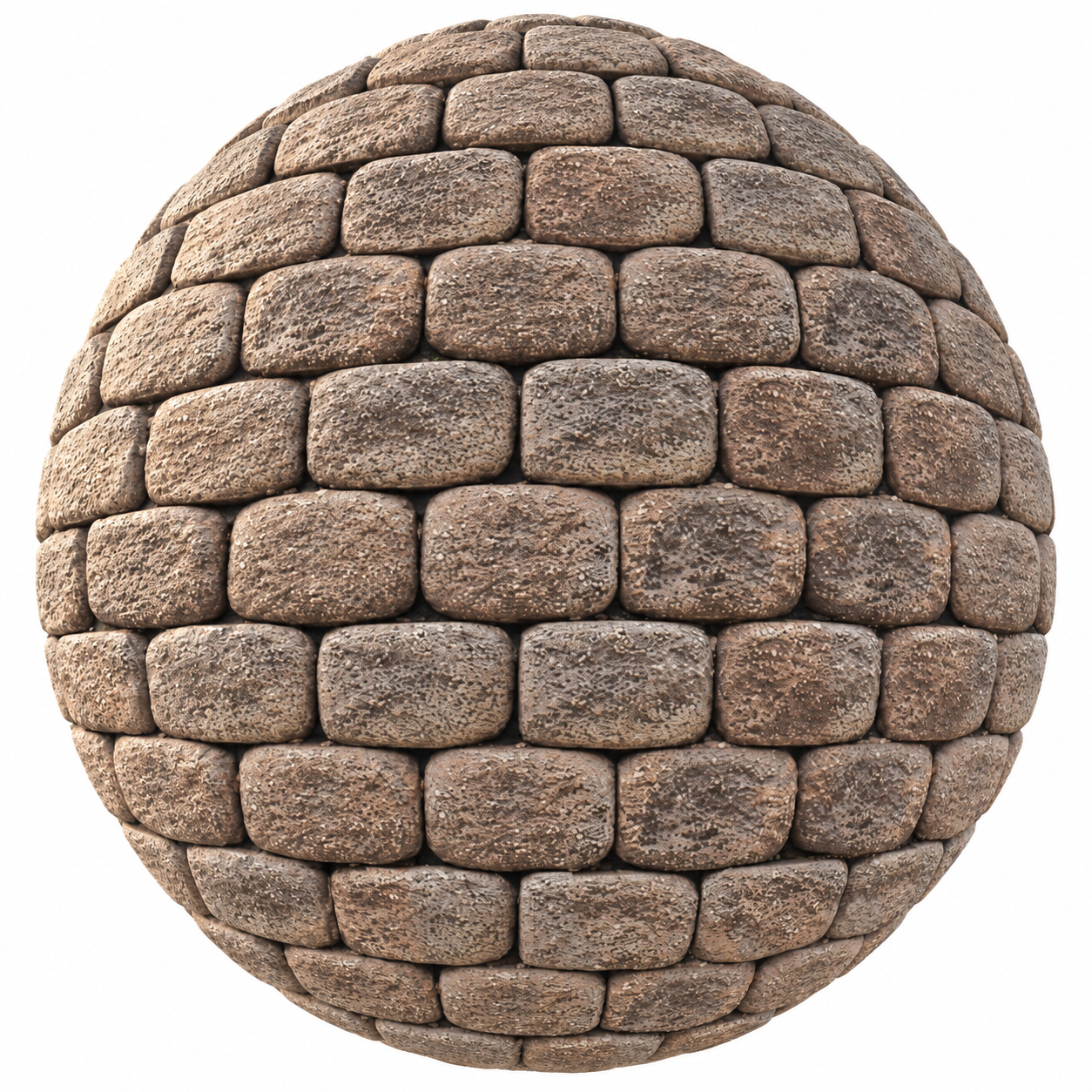
Weathered Taupe Rounded Square Stone Block Wall Texture
Stone No. 00090
FREE
Specifications
- Brand
- Laruus
- Style
- Modern
- Material
- Stone
- Suitable spaces
- Living Room, Office, Cafe, Commercial, Garden, Outdoor, Entrance, Balcony
- Color
- BrownGrayBeigeBlack
- File types
- Albedo MapAlpha MapAO MapBump MapDiffuse Color MapEdge MapEmission MapHeight MapMetallic MapNormal MapPacked Texture MapRoughness Map
Weathered Taupe Rounded Square Stone Block Wall Texture - High Resolution Seamless PBR Textures
Description
Weathered Taupe Rounded Square Stone Block Wall Texture presents a tightly arranged masonry surface made from compact rectangular and nearly square stone blocks with softly rounded corners. The material is distinguished by its earthy taupe coloration, mottled gray-brown variations, coarse granular faces, and deep dark joints between individual stones. Unlike conventional long rectangular masonry, this pattern uses relatively short blocks of similar height, creating a dense rhythm of horizontal rows. Each stone displays a slightly different distribution of beige, muted brown, charcoal-gray speckles, and pale mineral-like marks. The rounded edges soften the overall geometry while preserving the solid appearance of individual blocks. Dark recesses remain visible around the perimeter of many stones, creating a strong separation between adjacent units. The resulting surface combines an orderly block arrangement with irregular weathered details, making it suitable for architectural designs that require textured masonry with a distinctive compact pattern.
The visible structure consists of closely spaced stone units arranged in horizontal courses with varying offsets between neighboring rows. Most blocks have rounded rectangular outlines, while some approach a square proportion. Their front faces show a rough, grainy texture with small pits, scattered pale flecks, and uneven darker patches. The colors alternate subtly between warm gray, dusty taupe, light brown, and darker charcoal-tinted areas. Corners and edges appear worn and gently curved rather than sharply cut, giving the masonry a softened, aged appearance. The joints are particularly noticeable because their interiors appear substantially darker than the exposed stone faces. Small gaps around the corners contribute to the perception of separate three-dimensional blocks. Although the surface suggests weathering, the preview does not establish a specific geological stone type, manufacturing method, actual block dimensions, or historical age. The material should therefore be described according to its visible appearance rather than attributed to an unverified stone classification.
This rounded stone block wall texture can be used for exterior facade visualization, garden retaining walls, entrance features, boundary walls, and decorative architectural surfaces. Its compact block arrangement provides a consistent visual rhythm that can complement modern building forms while introducing the irregular character of aged masonry. In residential scenes, the material can represent a textured feature wall, courtyard enclosure, or stone accent surrounding an entrance. Outdoor landscaping projects may use it for garden structures, low walls, and background masonry elements. Commercial environments, including cafes, hospitality spaces, and public courtyards, can incorporate the material where a subdued natural stone appearance is desirable. The combination of neutral earth tones and pronounced dark joints makes the texture particularly effective beside timber, concrete, planted areas, and dark metal detailing. These are visual design applications rather than claims about the physical performance of any real construction material.
Within architectural visualization and CGI workflows, the texture can be assigned to wall meshes, facade models, modular building components, and other architectural geometry in 3ds Max or compatible 3D software. Appropriate UV mapping helps maintain consistent block proportions across surfaces of different sizes. Because the individual units are compact and repeated in organized rows, correct texture scale is important for preventing an oversized or miniature appearance. Close camera views can emphasize the granular stone faces, softened corners, and recessed dark joints. At greater viewing distances, the regular horizontal arrangement becomes the dominant visual characteristic. Directional lighting can strengthen the perceived depth around block boundaries, while diffuse daylight can reveal subtle variations in taupe, beige, and gray. For extensive walls, repeated arrangements and recognizable individual stones should be evaluated carefully. Seamless tiling is specified for the product, but perfect continuity along the image edges cannot be confirmed from the preview alone.
In interior and exterior design compositions, the texture offers a balance between geometric repetition and naturally irregular surface character. Its warm gray-brown palette can support contemporary architecture without appearing overly uniform. Paired with smooth plaster, large glass panels, or dark metal frames, the coarse stone pattern provides a contrasting tactile appearance. Natural wood surfaces can reinforce its earthy color range, while lighter concrete and neutral furnishings can create a restrained architectural setting. The closely arranged blocks produce a finer masonry rhythm than larger ashlar stones, making the pattern useful for surfaces where detailed texture is intended to remain visible. Unlike sharply edged brick patterns, the softened corners give the units a more rounded appearance. Unlike irregular rubble masonry, the horizontal rows remain organized and visually consistent. This combination makes the texture adaptable to both contemporary and traditional-inspired architectural scenes.
The supplied product information lists Albedo, Alpha, AO, Bump, Diffuse Color, Edge, Emission, Height, Metallic, Normal, Packed Texture, and Roughness maps. Within a PBR material workflow, Albedo or Diffuse Color can represent the mottled taupe stone coloration and darker joint areas. Normal and Bump maps may reproduce the apparent grain, surface pits, and softened edges, while Height information can help communicate the separation between raised stone faces and recessed joints when supported by the selected shader. AO may reinforce shadowing in narrow gaps, and Roughness can help preserve a predominantly matte mineral appearance. Actual map content and effectiveness should be verified using the supplied files. The inclusion of Metallic and Emission maps does not indicate that the visible stone is metallic or luminous. Final material realism depends on UV scaling, geometry, lighting conditions, and shader configuration.
Frequently asked questions
Is this texture free?
Yes. You can download it with a free Laruus account. Free textures are limited to 5 downloads per day.
Which software can I use this texture in?
The maps are standard image files, so they work in any renderer with PBR materials, such as Corona or V-Ray in 3ds Max, Blender, SketchUp with V-Ray or Enscape, and Unreal Engine.
What do I get when I download it?
A 77.1 MB download. It was added to Laruus on October 28, 2026.
Which spaces is it suitable for?
It suits Living Room, Office, Cafe, Commercial, Garden, Outdoor, Entrance, and Balcony projects. Style: Modern.
Are there 3D models that use this material?
Yes. Laruus has 3D models in the same material:
- Stone — 2Browse Architecture (2)