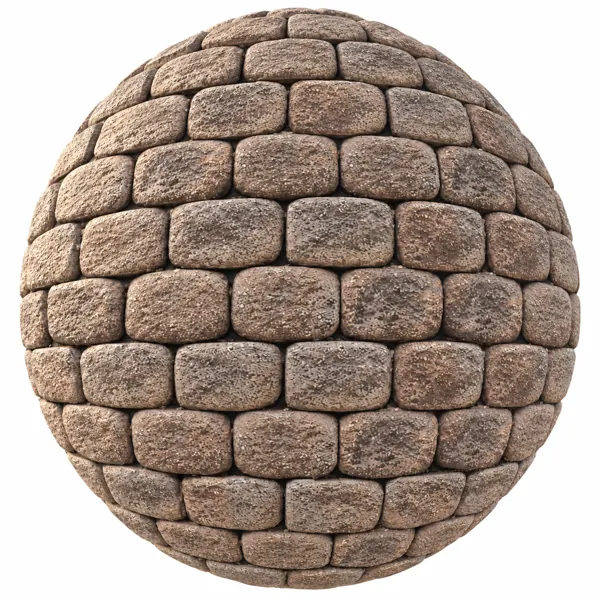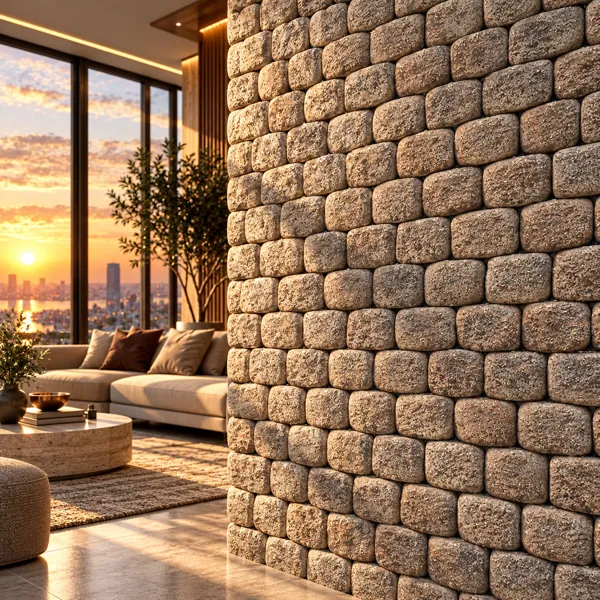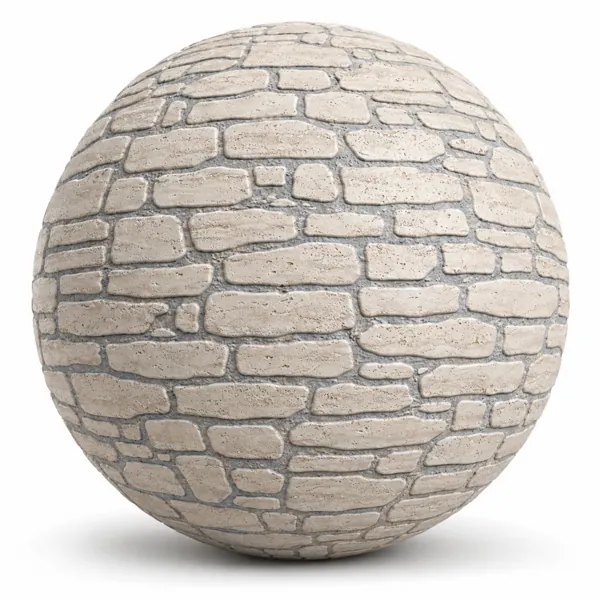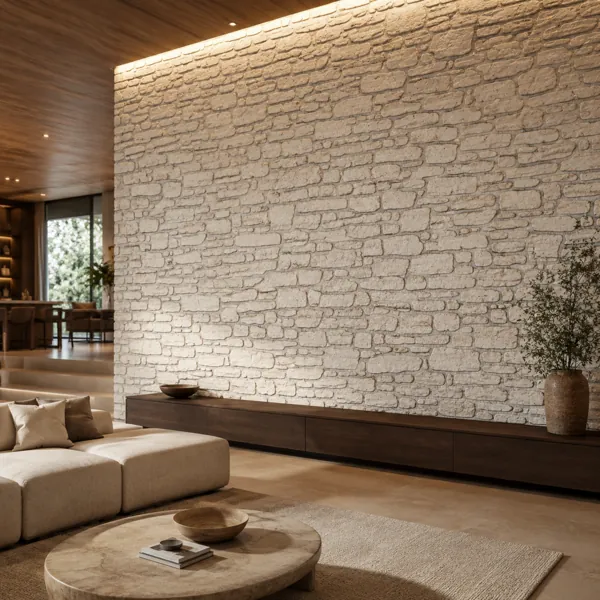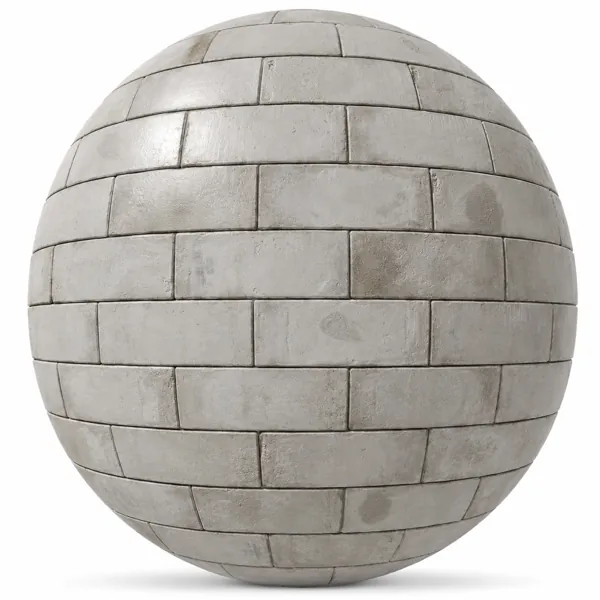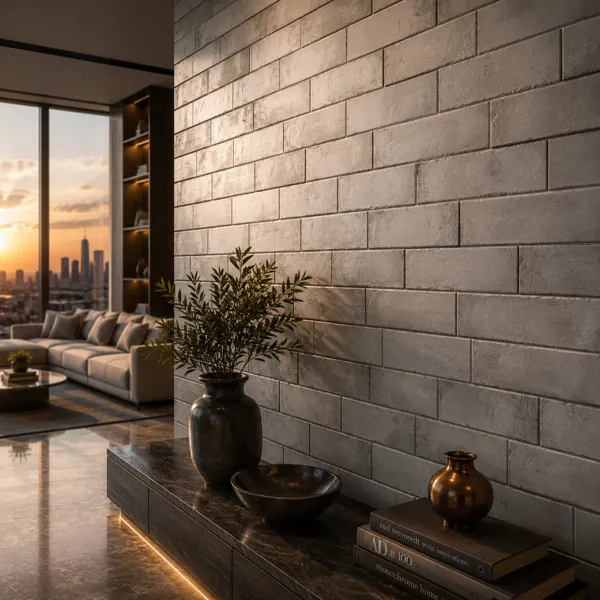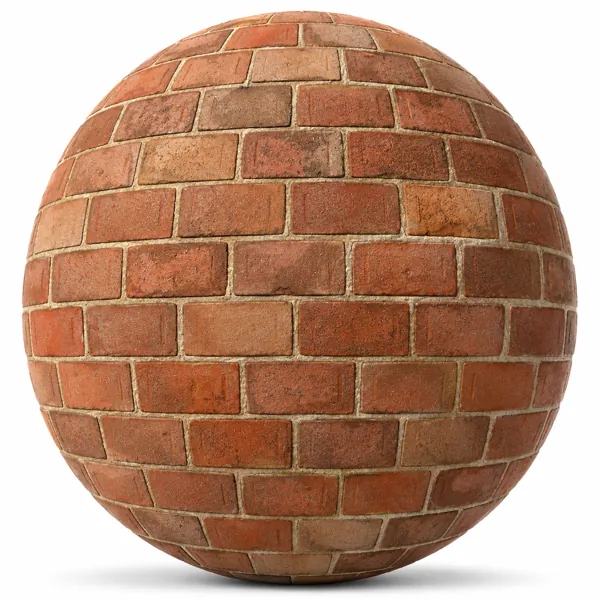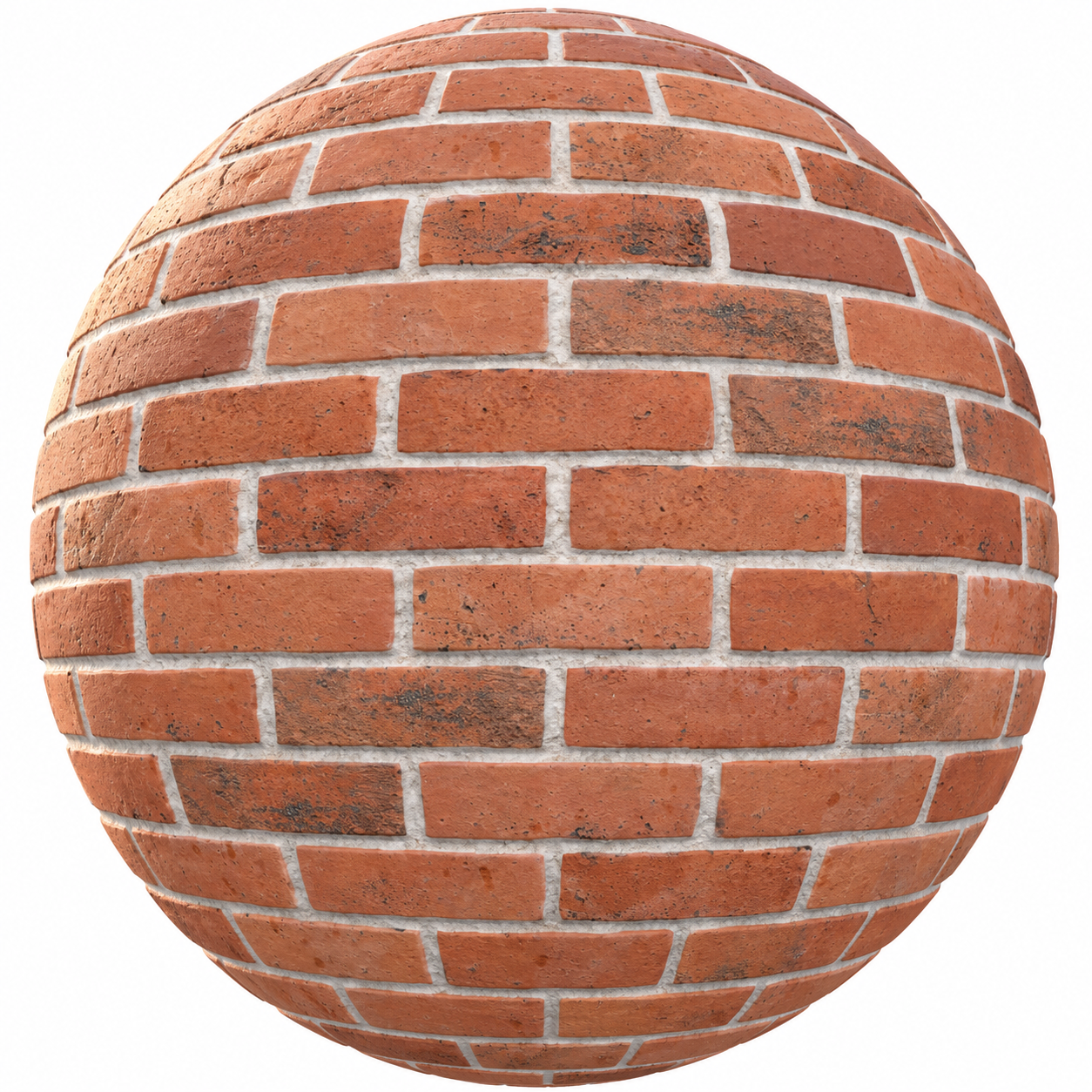
Soft Terracotta Red Brick Wall White Mortar Texture
Stone No. 00080
FREE
Specifications
- Brand
- Laruus
- Style
- Modern
- Material
- Stone
- Suitable spaces
- Living Room, Bedroom, Office, Cafe, Commercial, Kitchen, Garden, Outdoor, Entrance, Balcony
- Color
- RedOrangeWhiteBrown
- File types
- Albedo MapAlpha MapAO MapBump MapDiffuse Color MapEdge MapEmission MapHeight MapMetallic MapNormal MapPacked Texture MapRoughness Map
Soft Terracotta Red Brick Wall White Mortar Texture - High Resolution Seamless PBR Textures
Description
Soft Terracotta Red Brick Wall White Mortar Texture depicts a warm-toned rectangular brick masonry surface distinguished by muted terracotta red coloration, pale white mortar joints, and scattered dark surface speckles. The bricks follow a regular horizontal running bond, with vertical joints offset between successive rows to create a balanced architectural pattern. Individual units display subtle variations of salmon red, dusty orange, and earthy terracotta, producing a cohesive yet naturally varied appearance. Unlike heavily distressed masonry, these brick faces appear comparatively even, with fine granular pores, occasional shallow marks, and irregular dark flecks that add character without overwhelming the surface. The bright mortar provides a clear visual separation between bricks and creates a lighter overall composition than traditional dark-jointed red brickwork. This combination is particularly suitable for architectural designs seeking the warmth of exposed brick with a clean, approachable visual rhythm.
The material pattern consists of elongated rectangular bricks with gently irregular edges and relatively consistent proportions. Their surfaces show fine pits, small dark inclusions, faint tonal patches, and occasional streaks that interrupt the otherwise uniform terracotta coloration. Some bricks appear slightly more orange, while others lean toward dusty red or subdued brownish tones. These differences help distinguish individual masonry units without creating strong color discontinuities. The pale mortar joints are visibly wider than hairline gaps and form a continuous network of horizontal and staggered vertical divisions. Their light gray-white appearance contrasts with the reddish brick faces and makes the running bond easy to recognize. The image suggests a relatively restrained surface relief compared with deeply weathered brickwork, although actual depth, physical dimensions, manufacturing method, and material age cannot be determined from the preview. For convincing digital applications, brick proportions and mortar width should be scaled according to the intended architectural context.
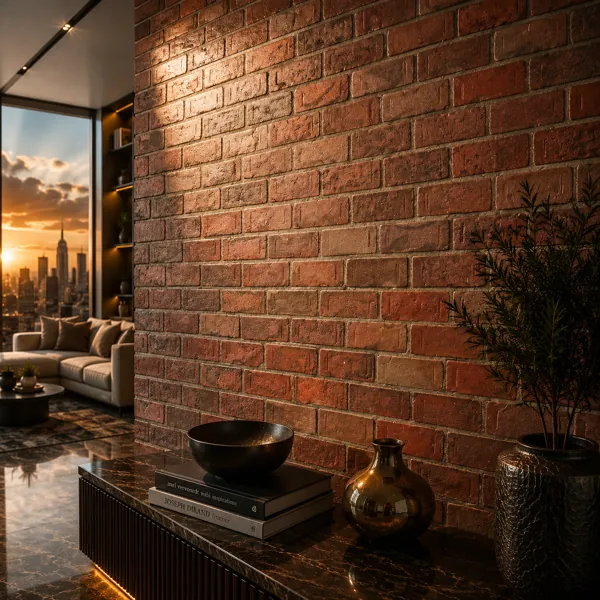
This terracotta brick wall texture can be used in visualizations of residential facades, garden walls, courtyards, entrances, balconies, and decorative architectural features. Its softer red-orange palette also works in interior settings such as living rooms, bedrooms, cafes, restaurants, offices, and retail environments. An exposed brick feature wall can introduce warmth behind a sofa, shelving arrangement, dining area, or reception counter. In contemporary interiors, the pale mortar creates a brighter appearance that pairs naturally with white plaster, light oak furniture, black metal details, and neutral fabrics. In exterior architectural imagery, the texture can help represent orderly brick cladding or masonry surfaces with a traditional rectangular layout. These examples describe possible design uses in digital scenes rather than verified claims about structural strength, weather resistance, or the installation requirements of a physical building product.
For architectural visualization and CGI workflows, the texture offers a recognizable brick surface that can be mapped onto walls, facade models, architectural partitions, and environmental assets. In 3ds Max, the material can be incorporated into a PBR shading setup, with UV mapping adjusted to maintain the horizontal running bond and realistic brick proportions. The contrast between the terracotta faces and pale joints remains visible in wide architectural compositions, while closer views reveal subtle speckling, surface pores, and differences between individual bricks. Balanced lighting helps preserve the muted color palette without pushing the bricks toward excessive saturation. For extensive surfaces, artists should inspect texture repetition, adjust UV scale, and introduce appropriate variation where necessary. The preview demonstrates a consistent masonry arrangement but does not independently establish perfect seamless tiling at the image boundaries.
Within interior design, the texture offers a middle ground between rustic exposed masonry and the cleaner character of modern decorative brickwork. Its terracotta tones provide warmth without the intense contrast associated with darker, heavily weathered bricks. The light mortar joints contribute a crisp visual structure, making the wall compatible with Scandinavian-inspired rooms, contemporary cafes, residential lofts, and relaxed commercial interiors. Natural timber, cream upholstery, brushed metal, and muted gray finishes can complement the reddish surface. Soft daylight may emphasize the subtle differences between bricks, while grazing artificial light can reveal the fine irregularities of their faces. In smaller rooms, using the texture on a single feature wall or architectural recess can preserve visual balance. Its relatively uniform brick arrangement also makes it useful when a predictable horizontal pattern is required across several connected surfaces.
The supplied product information lists Albedo, Alpha, AO, Bump, Diffuse Color, Edge, Emission, Height, Metallic, Normal, Packed Texture, and Roughness maps. Within a PBR workflow, Albedo or Diffuse Color can reproduce the muted terracotta coloration, scattered dark marks, and pale mortar network. Normal and Bump maps may be used to express fine pores and shallow surface irregularities, while Height information can help define the apparent separation between brick faces and recessed joints. AO can support subtle shading near transitions, and Roughness settings can be adjusted to approximate the predominantly matte finish suggested by the image. The preview does not independently verify the resolution, exact contents, or performance of the individual maps. The inclusion of Metallic or Emission maps in the supplied format list does not indicate that the brick is metallic or self-illuminating. Appropriate UV scaling, restrained relief settings, and scene-specific lighting remain important for realistic architectural rendering.
Frequently asked questions
Is this texture free?
Yes. You can download it with a free Laruus account. Free textures are limited to 5 downloads per day.
Which software can I use this texture in?
The maps are standard image files, so they work in any renderer with PBR materials, such as Corona or V-Ray in 3ds Max, Blender, SketchUp with V-Ray or Enscape, and Unreal Engine.
What do I get when I download it?
A 10.5 MB download. It was added to Laruus on November 6, 2026.
Which spaces is it suitable for?
It suits Living Room, Bedroom, Office, Cafe, Commercial, Kitchen, Garden, Outdoor, Entrance, and Balcony projects. Style: Modern.
Are there 3D models that use this material?
Yes. Laruus has 3D models in the same material:
- Stone — 3Browse Architecture (3)