
Carpets and Rugs: Why Soft Floors Look Flat in Renders
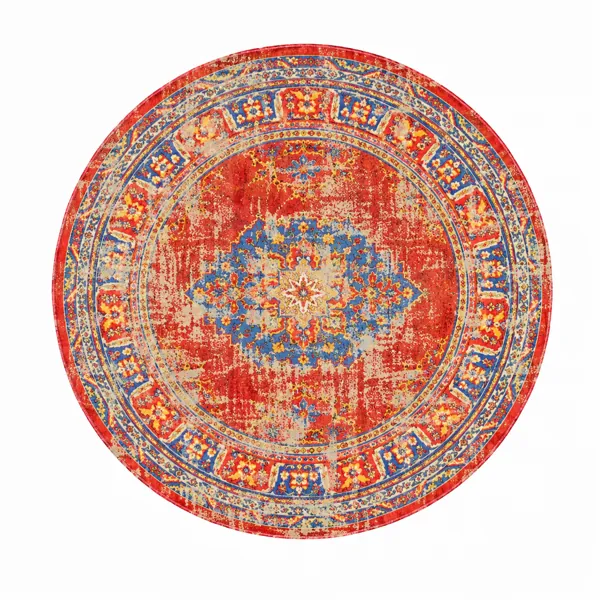
Soft floors are where many otherwise careful interiors go flat. Timber, stone and tile all have a hard surface that reflects light in a way the eye expects, but carpet and rugs do the opposite: they absorb light, scatter it, and show their character through pile and weave rather than through reflection. Treat them like any other floor texture and they turn into a printed image lying on the ground.
The first distinction is between wall-to-wall carpet and a rug. Broadloom carpet covers the whole floor and meets the walls; its texture is usually quiet, a fine pile, a subtle rib or a low-contrast weave, and its job is to recede. A rug is an object placed on a floor, with edges, a border and often a pattern, and its job is usually the opposite. Mixing up the two is a common mistake: a strongly patterned carpet texture tiled across an entire office floor reads as busy and dated, while a rug made from a plain broadloom texture looks like an offcut.
Pile is the second issue. Carpet has depth, and that depth is what makes it look soft. At a distance, the normal map carries most of it; the fibres catch light unevenly and produce the slightly grainy, velvety response that separates carpet from felt. Close to the camera, a flat texture is no longer enough and some real displacement or a fibre treatment becomes necessary, particularly at the edge of a rug where the thickness is visible. A rug that has no thickness where it meets a timber floor looks painted on, however good the pattern is.
Scale follows the same rules as other surfaces, with one extra trap. Carpet tiles and checkerboard patterns have a real module size, and the joins between tiles are part of the look. Fine ribs and stripes, on the other hand, are small enough that too large a repeat turns them into wide bands that read as upholstery fabric rather than flooring. Setting the repeat against a known object, a chair leg or a door frame, catches both problems early.
Placement is where a rug either belongs to the room or floats in it. In a living room the front legs of the sofa and chairs usually sit on the rug, which ties the group together; a rug that stops short of every piece of furniture looks too small, however large it is in absolute terms. Under a dining table the rug should extend past the chairs when they are pulled out, otherwise the back legs catch its edge. Small imperfections help too: a corner that does not sit perfectly flat, or fringes that are not perfectly combed, stop the rug from looking freshly unrolled for the photograph.
Colour behaves differently on soft floors. Because pile absorbs light, carpet renders darker and less saturated than the same colour on a hard surface, so a swatch that looks right in isolation can read muddy in the room. Warm greige and grey broadloom sits back; rust, navy and olive rugs pull the eye and anchor a seating area.
Carpet textures and area rug models in the Laruus catalogue can be combined in one scene, with broadloom setting the base and rugs defining the zones on top of it.
72
Related assets from the catalogue
Ready-to-render models and seamless textures covering what this article discusses.
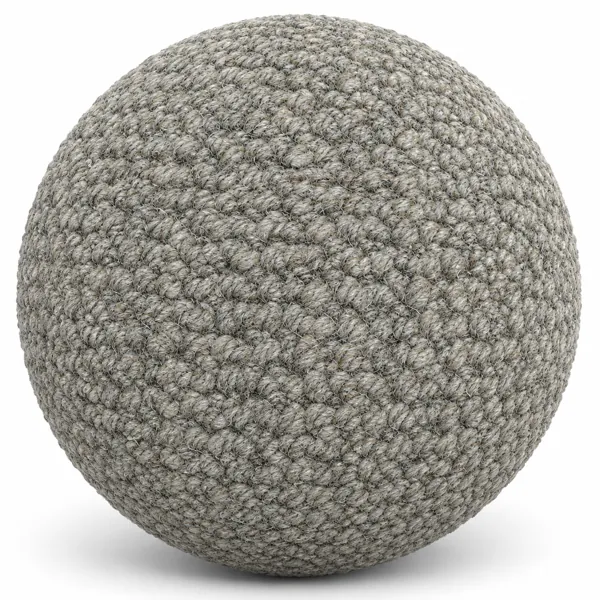
Greige Heathered Loop Pile Carpet Texture
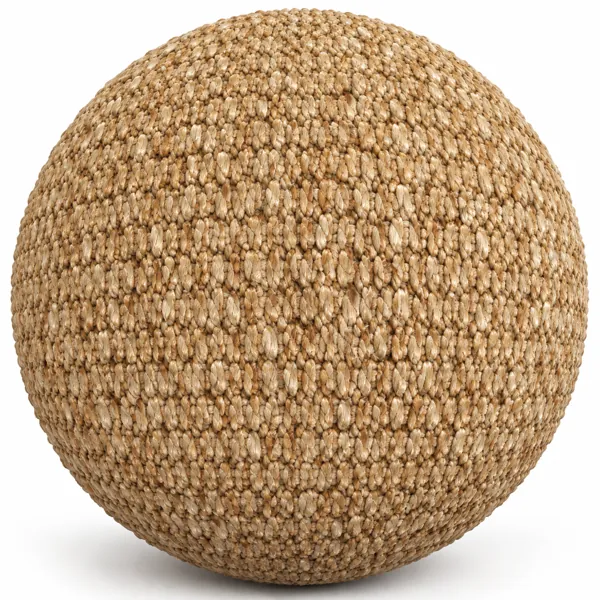
Golden Beige Pebbled Loop Carpet Texture
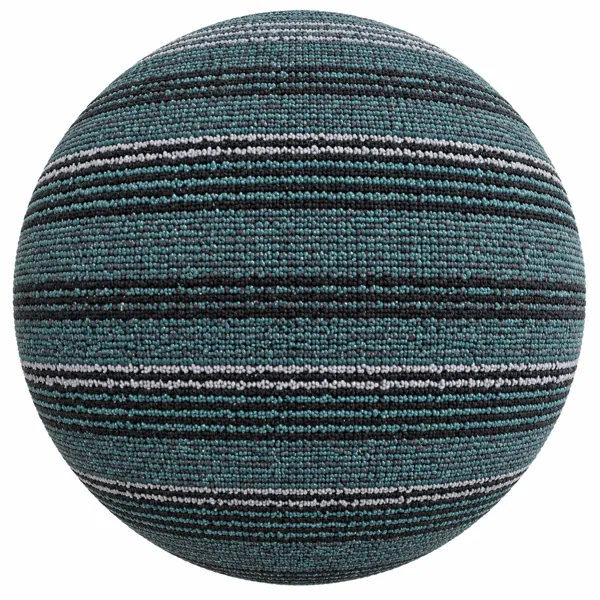
Teal Black Horizontal Striped Loop Carpet Texture
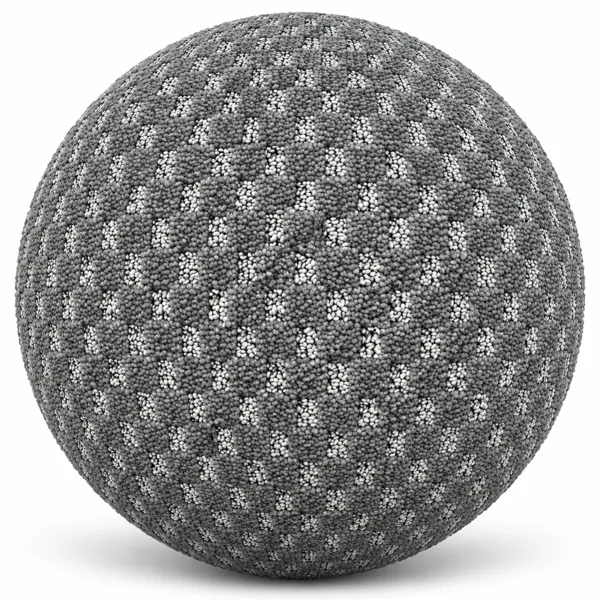
Gray White Geometric Loop Pile Carpet Texture
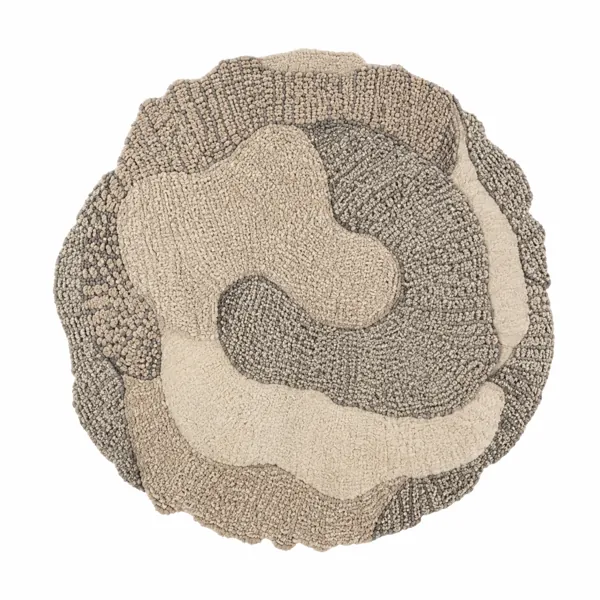
Organic Tufted Rug – Beige Gray Contour Islands
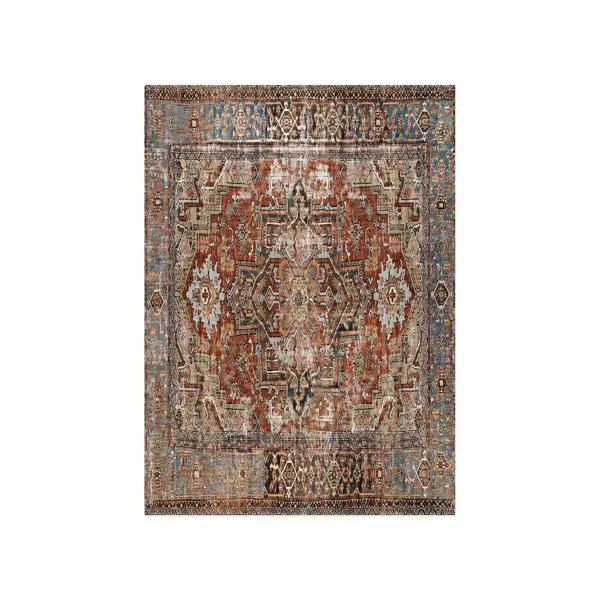
Vintage Medallion Rug – Rust Blue Distressed Borders
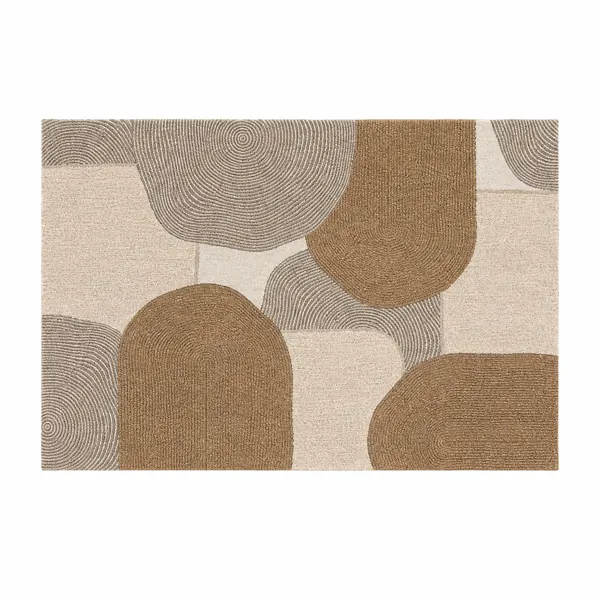
Modern Geometric Rug – Brown Beige Concentric Arches
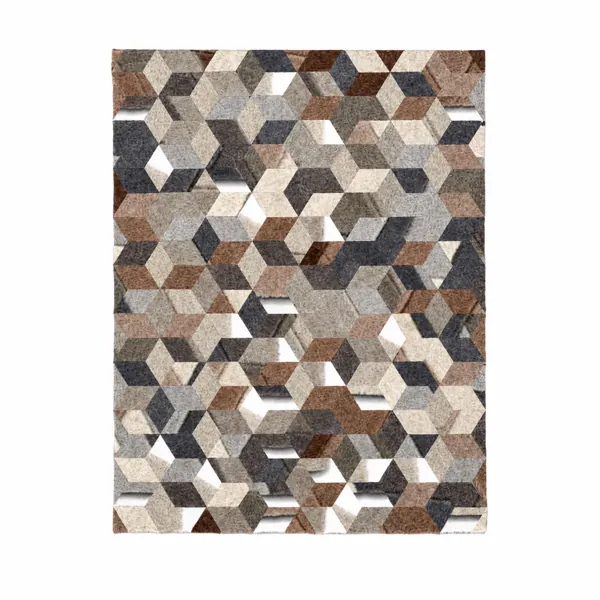
Geometric Cube Illusion Rug – Brown Beige Gray Tessellation