
Fabric and Upholstery: Matching Textures to Furniture Models
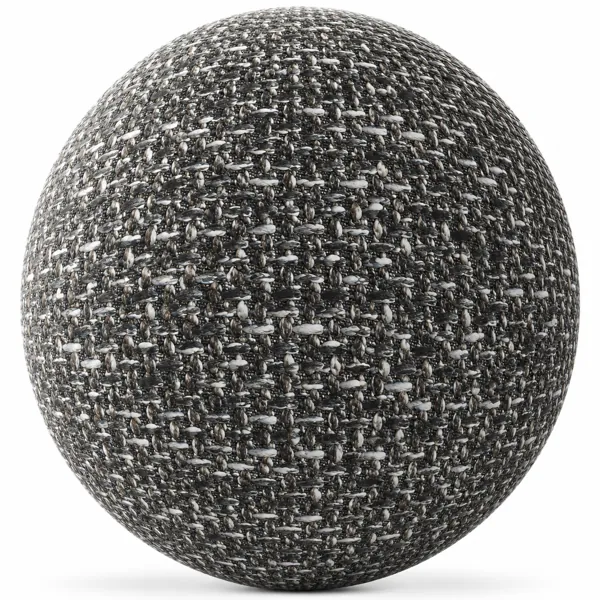
Upholstery is usually where an otherwise good interior render gives itself away. The sofa is modelled correctly, the proportions are right, the lighting is fine, and the fabric still reads as painted plastic. Almost always the material was treated as a colour rather than as a woven surface.
Fabric is not one material
Linen, velvet, bouclé and flat weave behave so differently that treating them as a single category guarantees a wrong result. Linen has a visible, fairly coarse grid and a dry, matte response. Velvet has almost no visible weave but a strong directional sheen. Bouclé is mostly silhouette — small loops that catch light along their edges. Swap one for another and change only the colour, and the furniture stops looking like the piece you modelled.
The normal map does the work
For fabric, the weave is carried almost entirely by the normal map. A flat albedo with a good normal will look like cloth. A beautiful albedo with no normal will look like printed paper, because there is nothing for the light to catch. This inverts the order most people work in, and it is the single fastest fix for plastic-looking upholstery.
Sheen is what separates velvet from everything else
Velvet's whole character is that it changes as you move. The pile catches light differently depending on the angle between the camera and the surface, so folds get bright edges and flat areas fall dark. Most modern renderers have a sheen or fabric layer for exactly this. Without it, velvet renders as a slightly shiny matte fabric, which is the one thing velvet never looks like.
Match the weave scale to the piece
A weave that is legible on a cushion at half a metre will vanish on a sofa seen across a room, and a weave scaled for the wide shot will look like sacking in a closeup. Decide which camera the material has to survive and scale for that one. It is entirely normal for the same fabric to be scaled differently on a chair and on curtains within the same scene.
Let the form choose the fabric
Tight, tailored upholstery over a firm frame suits flat weaves and leather, where the material has to hold a crisp edge. Loose cushions and soft seating suit fabrics with visible texture, because the folds give the weave somewhere to show. A heavy bouclé on a sharply tailored frame looks wrong for a reason that is hard to name and easy to see.
Laruus carries fifty fabric sets alongside its upholstered furniture — armchairs, sofas, chairs and soft seating — so the material and the model can be chosen together rather than one being fitted to the other afterwards.
140
Related assets from the catalogue
Ready-to-render models and seamless textures covering what this article discusses.
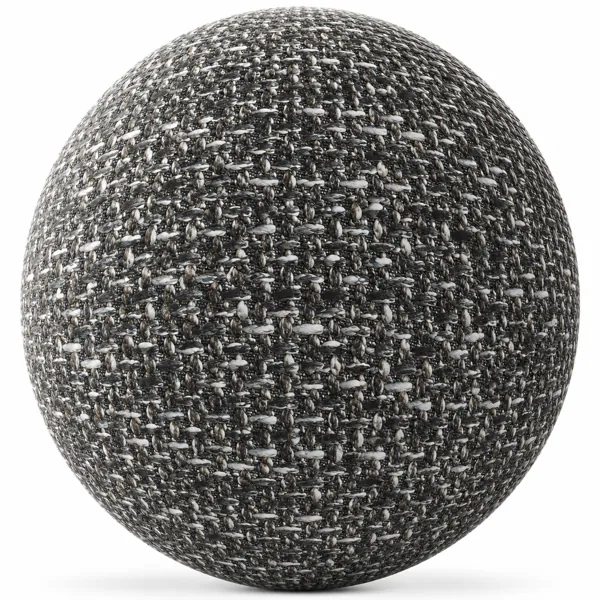
Basket Weave Dark Charcoal Fabric Texture
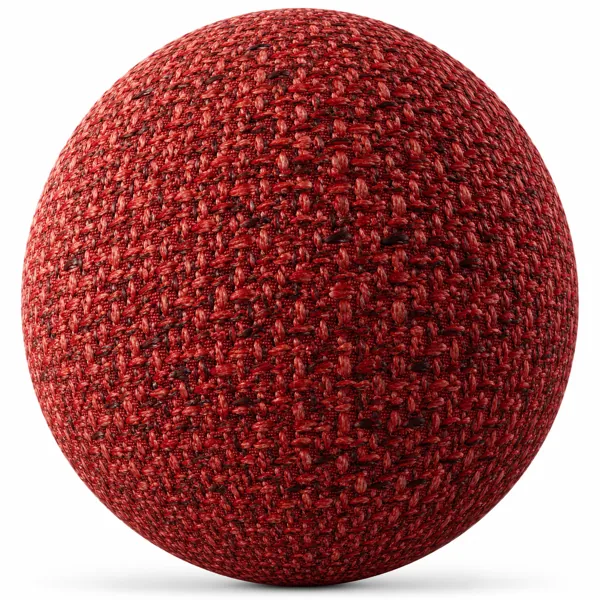
Basket Weave Deep Red Fabric Texture
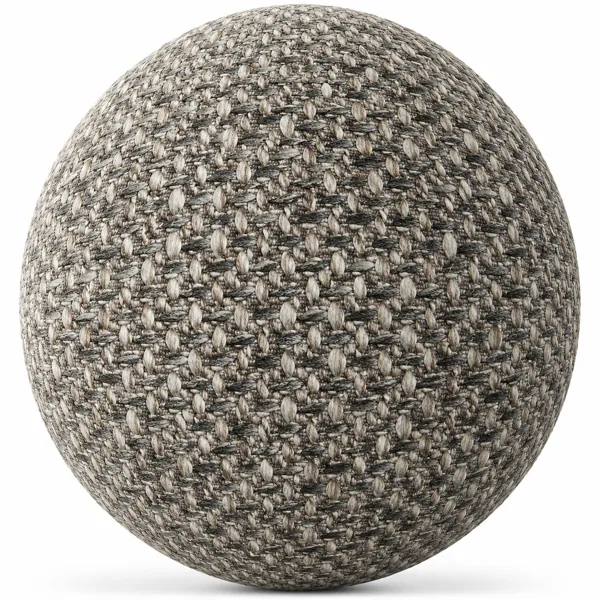
Beige & Charcoal Basket Weave Woven Fabric Texture
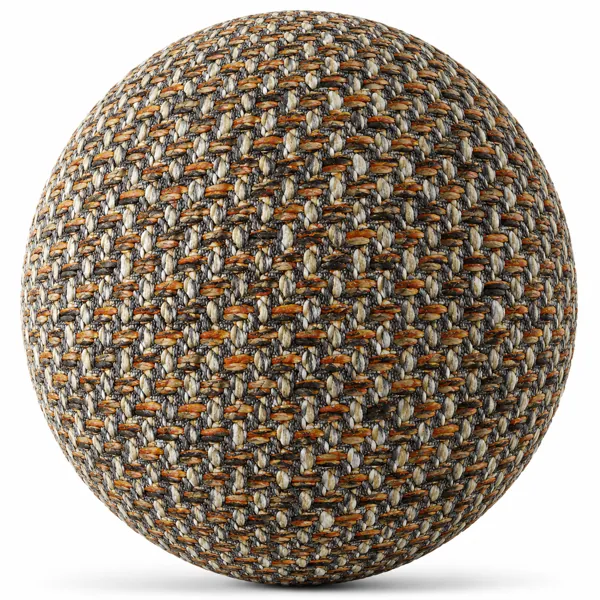
Beige, Charcoal & Rust Basket Weave Woven Fabric Texture
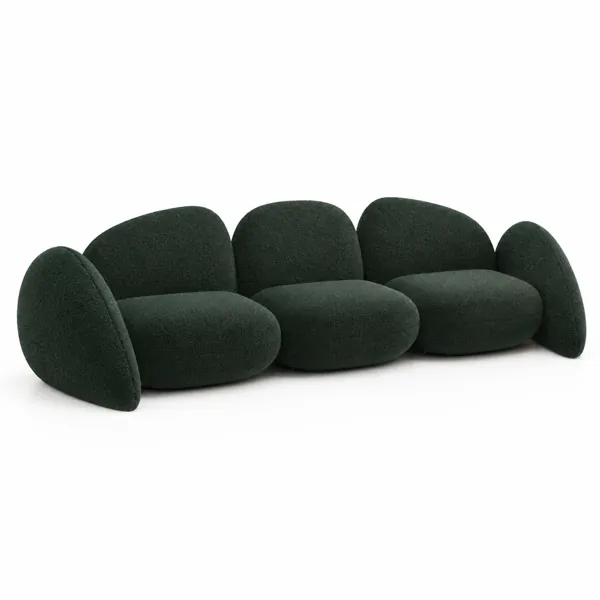
Deep Green Pebble Modular Sofa
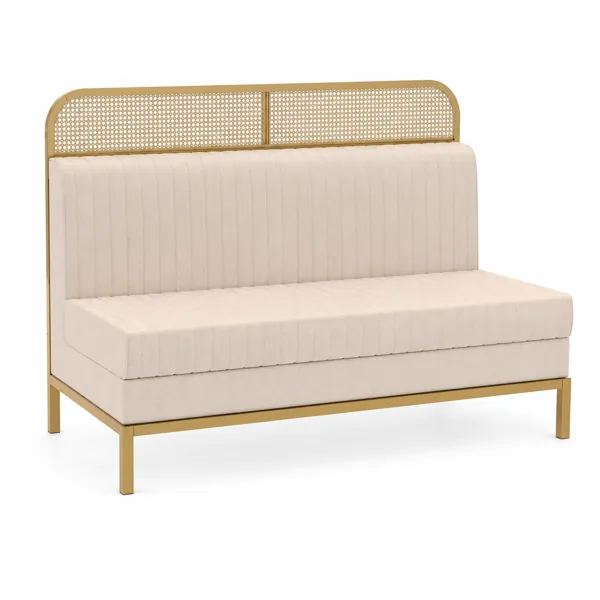
Beige Channel Sofa with Gold Cane Frame
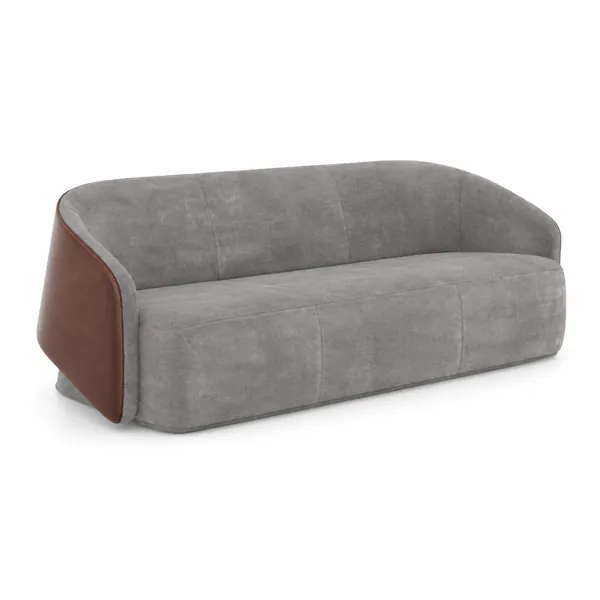
Gray Curved Sofa with Brown Leather Side Panels
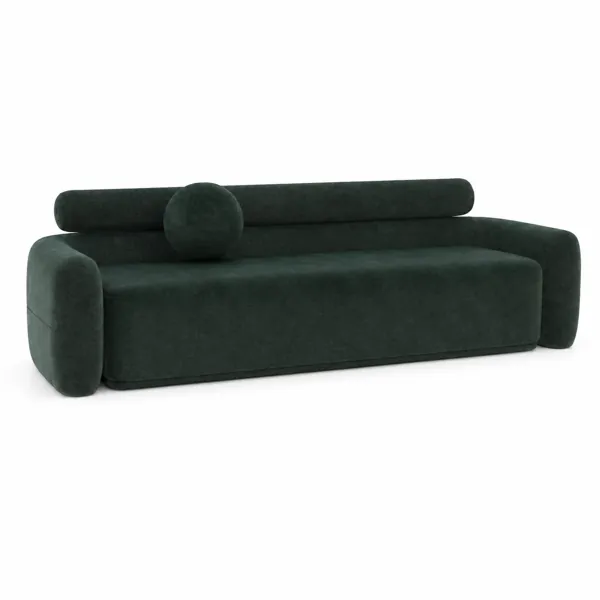
Deep Green Bolster Back Minimalist Sofa