
Fabric Textures
Free fabric textures covering dense pebble weaves, basket weaves, diamond geometric patterns and plain woven cloth, in ivory, cream, beige, charcoal and rust. Supplied with albedo, normal, roughness, metallic, bump and edge maps — the normal and bump pair is what lets a woven surface keep its structure at close range instead of blurring into a flat tone.
50 texturesPBR mapsFree download
50 results
Free
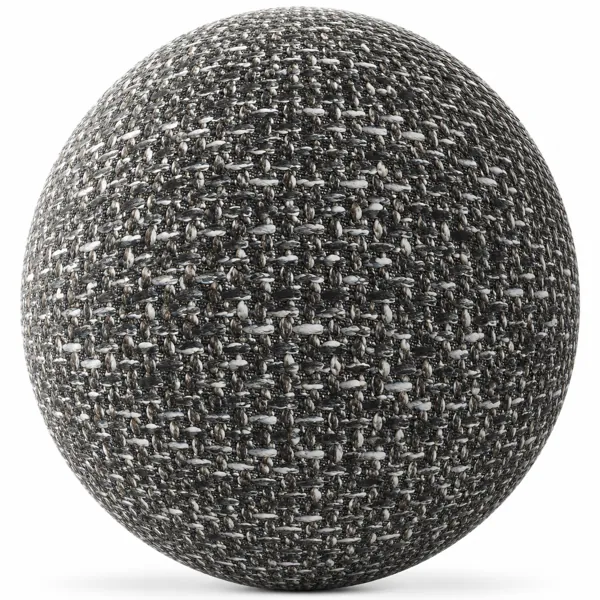
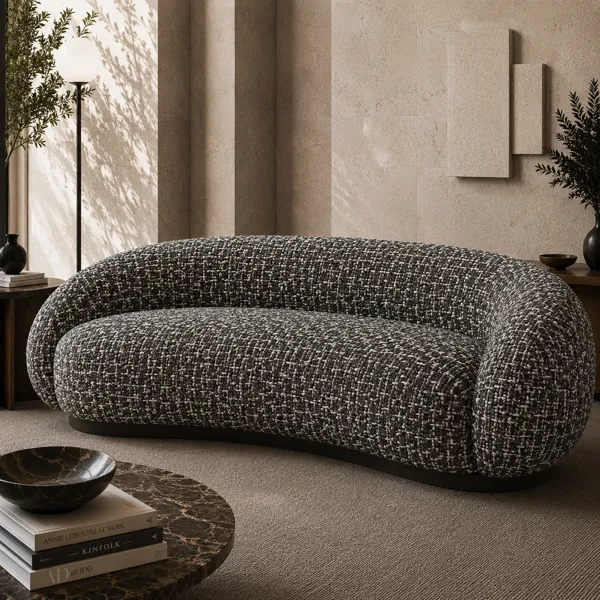
Basket Weave Dark Charcoal Fabric Texture
Laruus
Save
Wishlist
Free
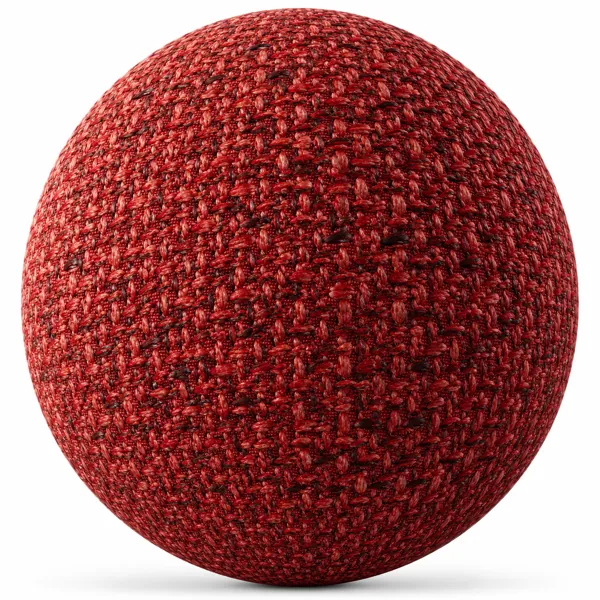
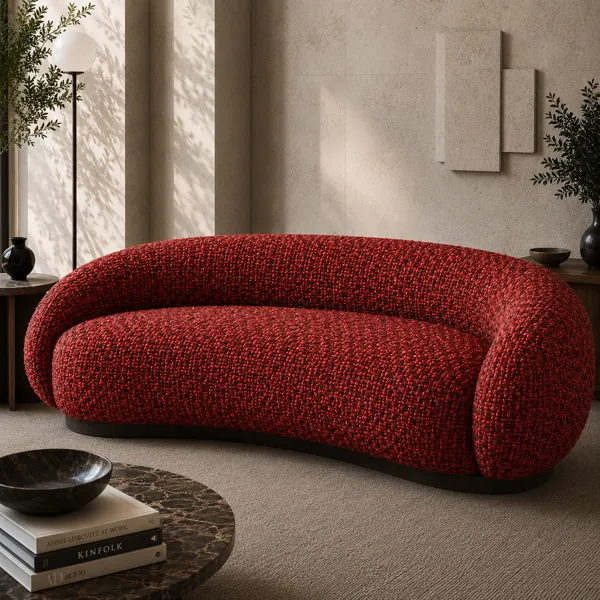
Basket Weave Deep Red Fabric Texture
Laruus
Save
Wishlist
Free
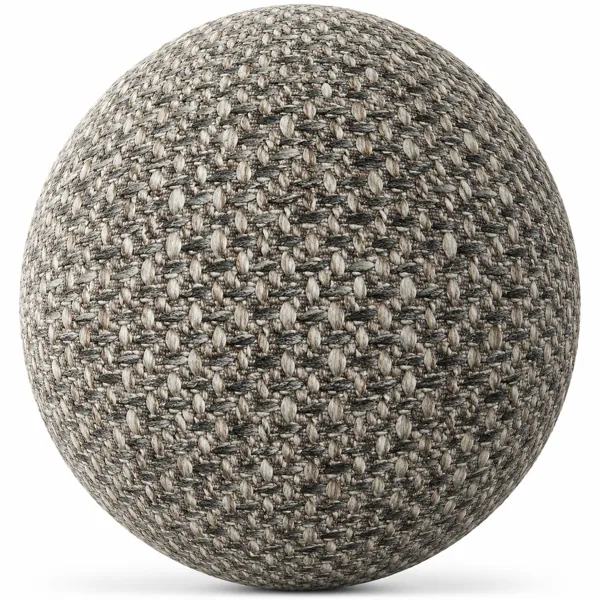
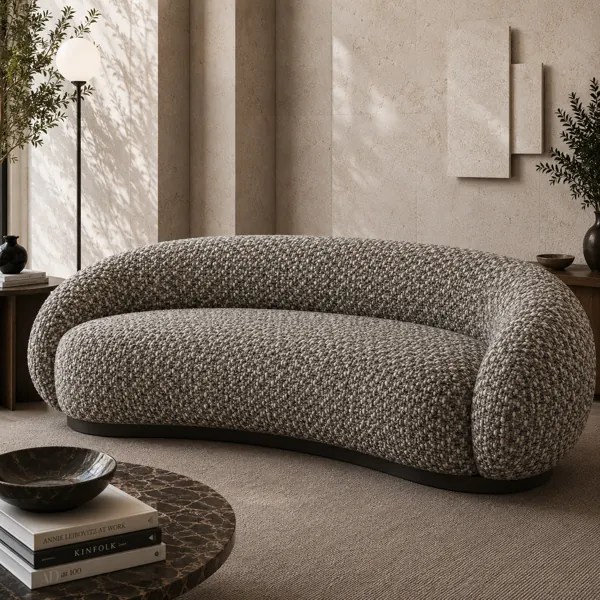
Beige & Charcoal Basket Weave Woven Fabric Texture
Laruus
Save
Wishlist
Free
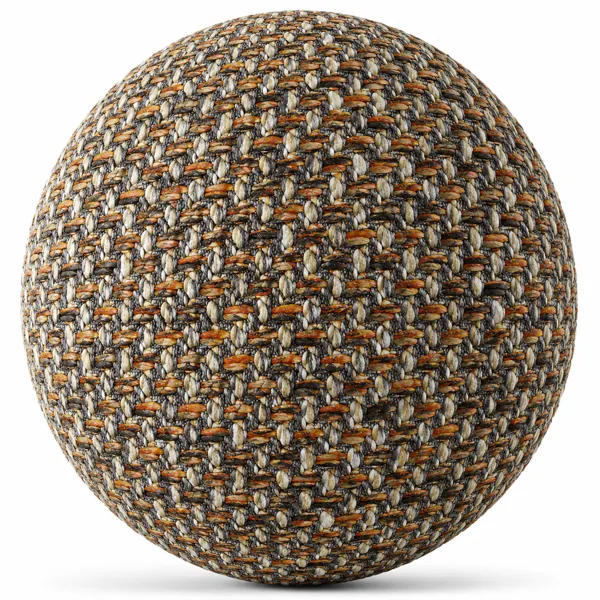
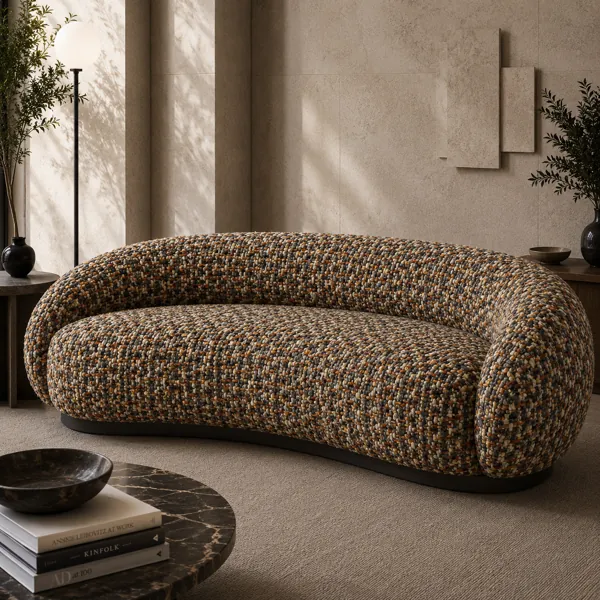
Beige, Charcoal & Rust Basket Weave Woven Fabric Texture
Laruus
Save
Wishlist
Free
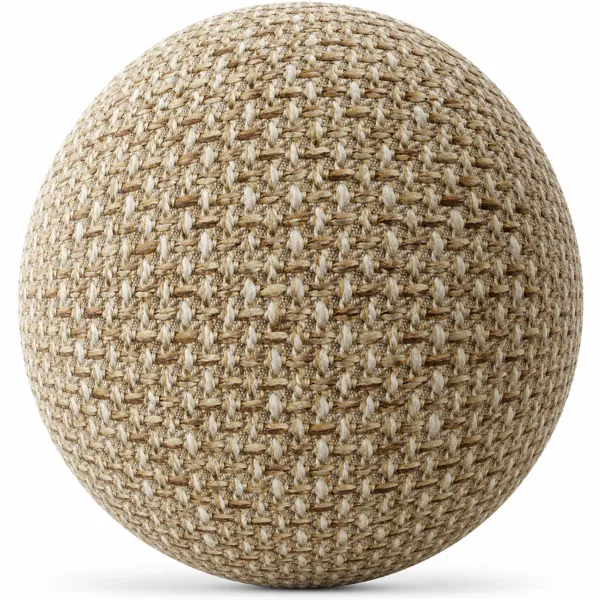
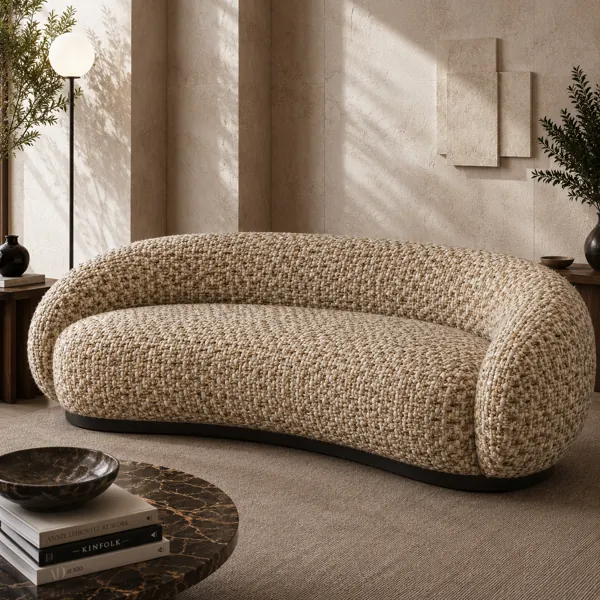
Natural Beige Basket Weave Woven Fabric Texture
Laruus
Save
Wishlist
Free
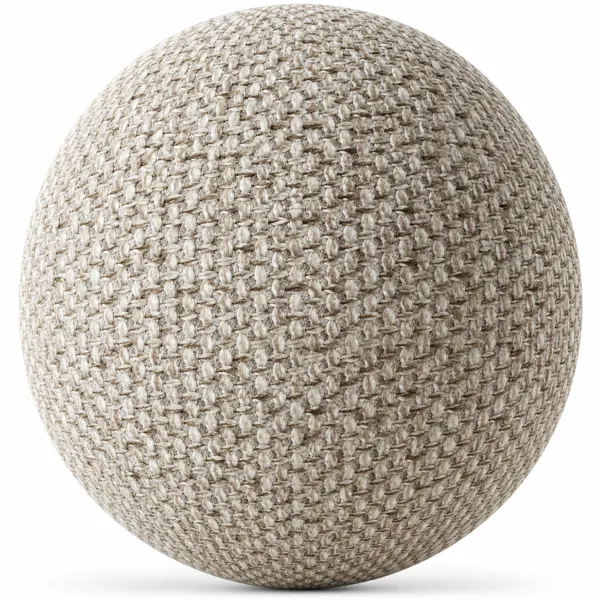
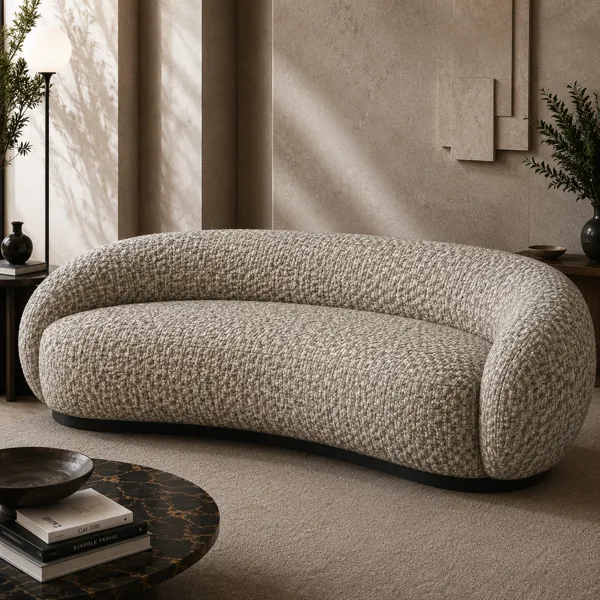
Soft Ivory Basket Weave Woven Fabric Texture
Laruus
Save
Wishlist
Free
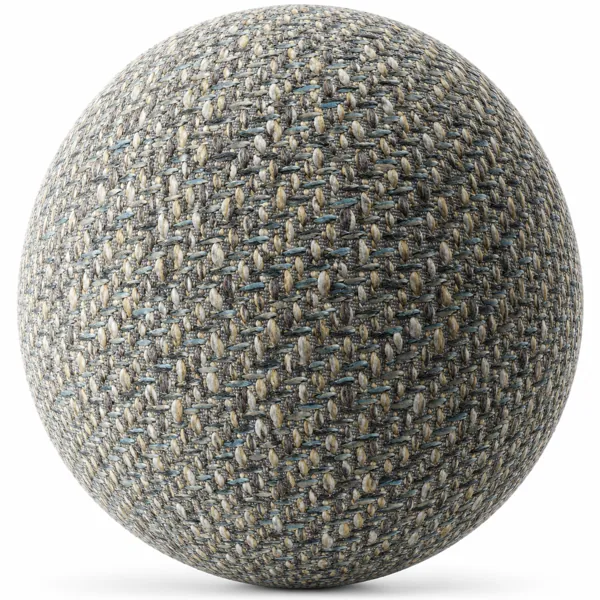
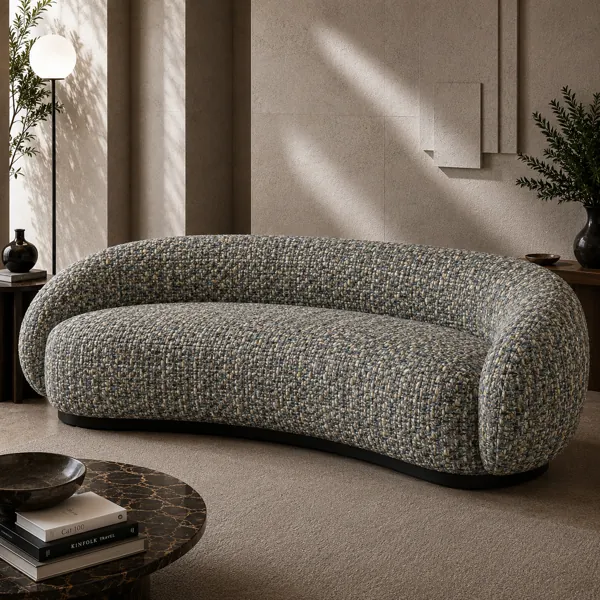
Beige Blue Basket Weave Woven Fabric Texture
Laruus
Save
Wishlist
Free
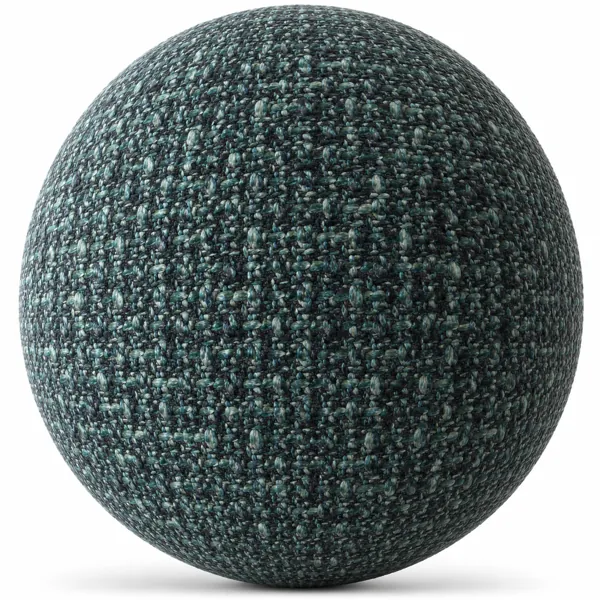
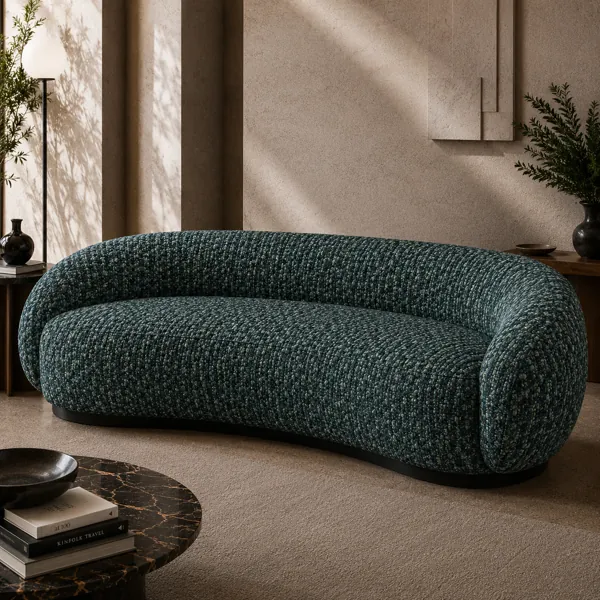
Deep Teal Basket Weave Woven Fabric Texture
Laruus
Save
Wishlist
Free
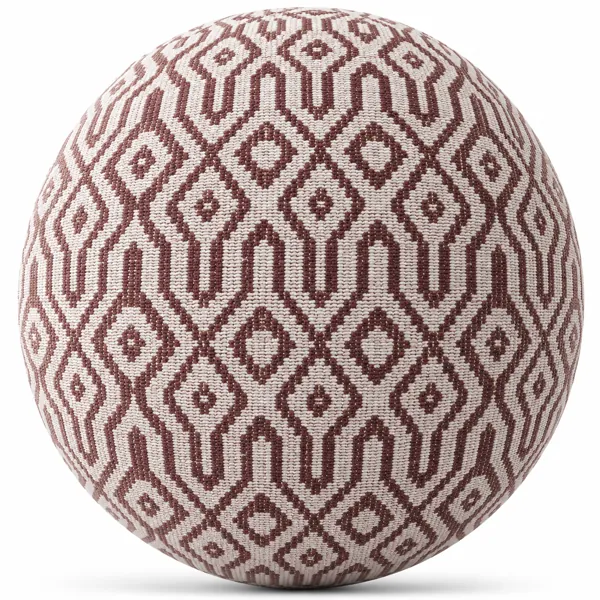
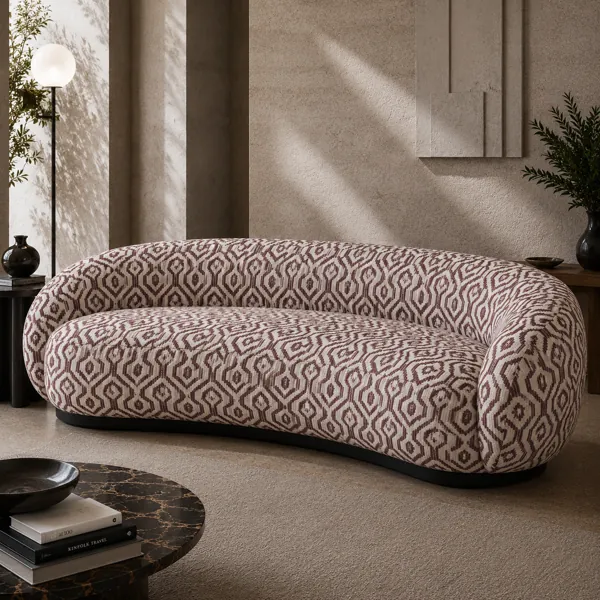
Ivory Brown Diamond Weave Geometric Fabric Texture
Laruus
Save
Wishlist
Free
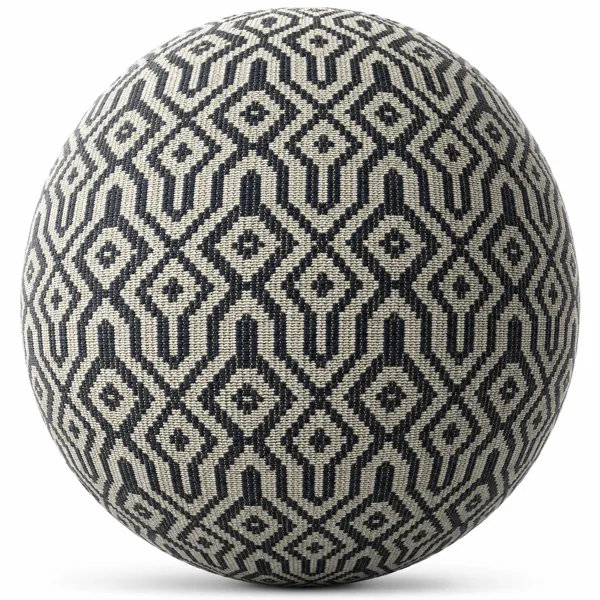
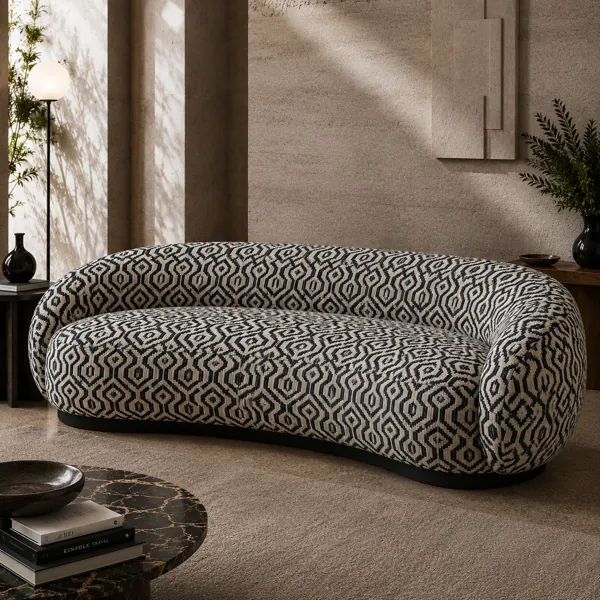
Ivory Charcoal Diamond Weave Geometric Fabric Texture
Laruus
Save
Wishlist
Free
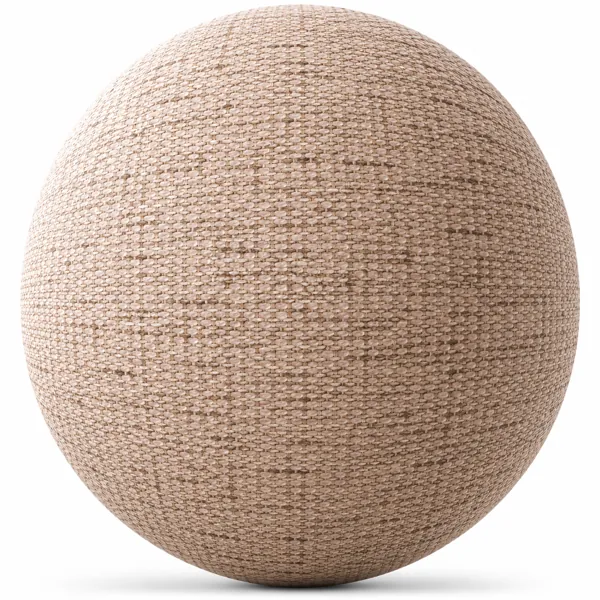
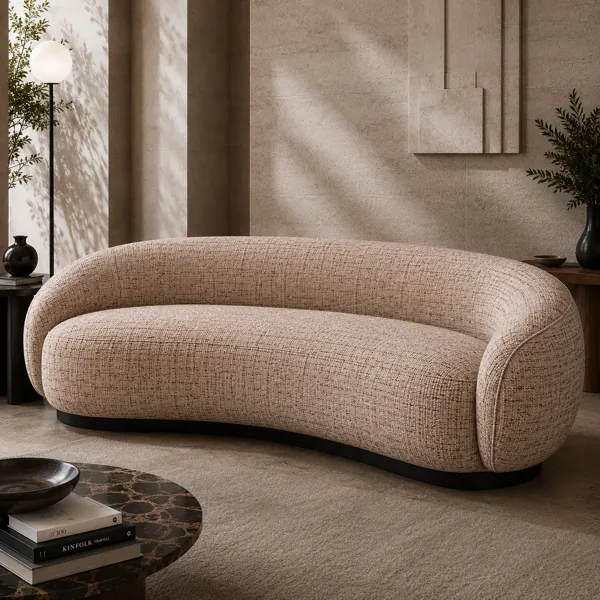
Natural Beige Linen Look Woven Fabric Texture
Laruus
Save
Wishlist
Free
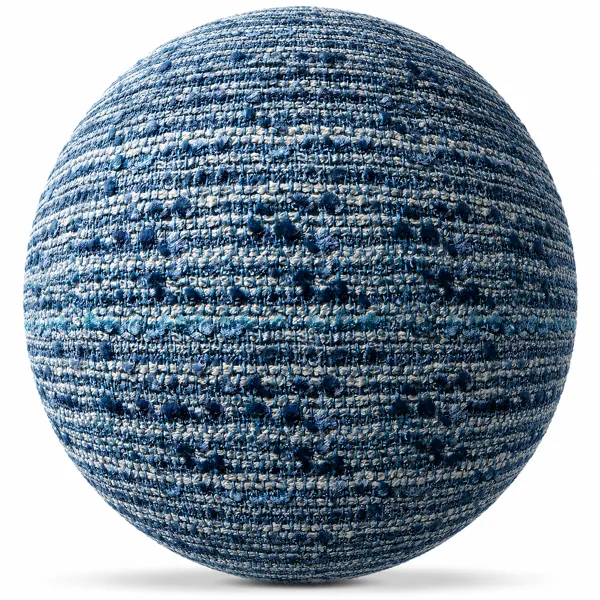
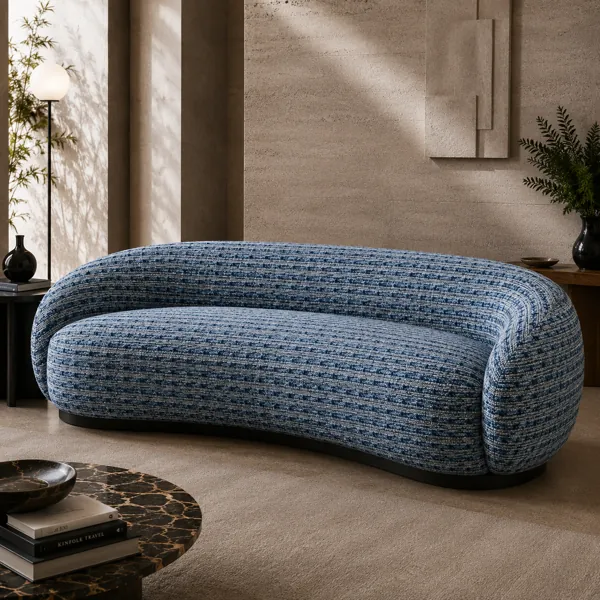
Blue & White Bouclé Fabric Texture
Laruus
Save
Wishlist
Fabric Textures for Architectural Visualization
Fabric behaves differently from every other surface in a texture library, and the reason is worth understanding: cloth is not a flat surface with a pattern on it. It is a three-dimensional structure of threads, and what makes a fabric render convincing is that the structure survives at close range instead of blurring into a printed tone.
This is why the normal and height maps matter more here than the albedo does. A basket weave has threads passing over and under each other, and that over-under relationship catches light from different directions on adjacent threads. Lose it and the weave becomes a photograph of a weave — recognisable, but flat. When evaluating one of these textures, the useful test is to render a small patch under raking light and confirm that individual threads cast shadow on their neighbours.
The second consideration is scale, and fabric is less forgiving than most surfaces because the viewer has strong intuitions about thread size. A pebble weave scaled up by a factor of three does not read as a different fabric; it reads as a fabric photographed too closely, and it makes the object it covers appear smaller than intended. On upholstery in particular, checking the weave against the seam width of the model is a quick sanity check.
The range covers dense pebble weaves, basket weaves, diamond geometric patterns and plain woven cloth in ivory, cream, beige, charcoal, rust and deeper teals. Geometric patterns carry an additional constraint: the repeat is visible, so the tile boundary needs to fall somewhere unobtrusive on the object. On a sofa back, a repeat seam running down the visual centre is far more noticeable than the same seam placed near an arm.
Complete PBR sets are supplied — diffuse colour, normal, roughness, metallic, height, ambient occlusion and edge maps, with a packed variant. Roughness on fabric is rarely uniform: worn or compressed areas reflect differently from raised threads, and a flat roughness value is one of the more common reasons upholstery reads as vinyl.
These apply directly to the upholstered furniture in the model catalogue — sofas, armchairs, beds, dining chairs and soft seating all use fabric, velvet and woven surfaces of exactly this kind.