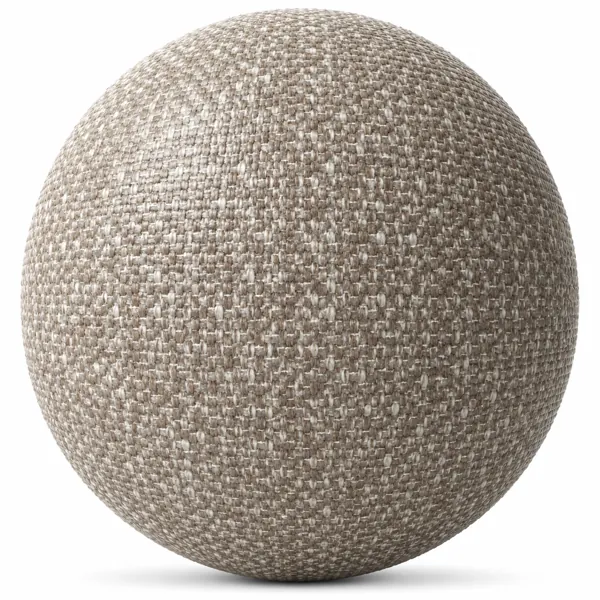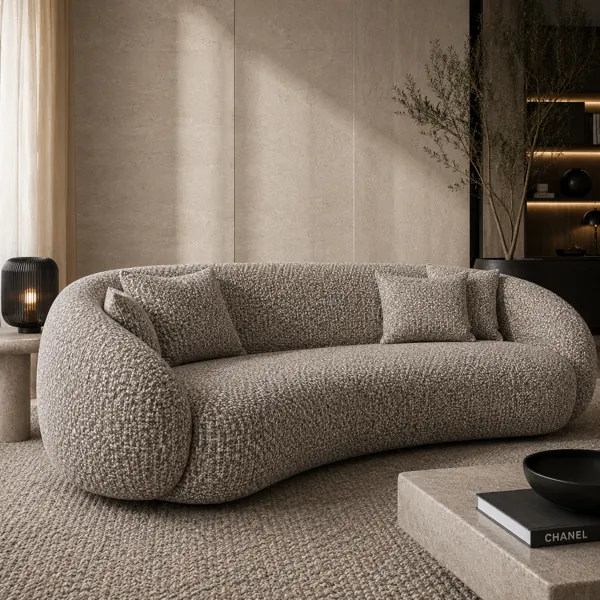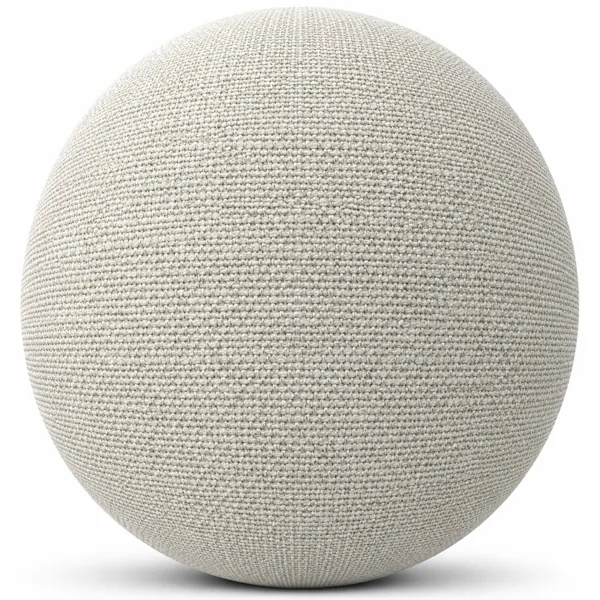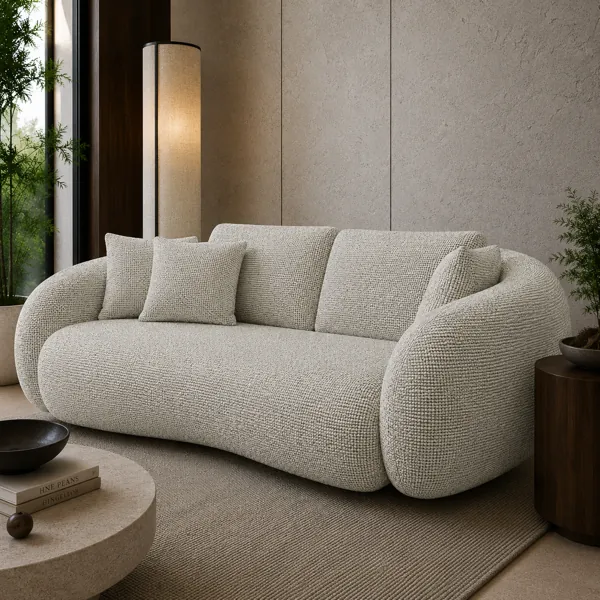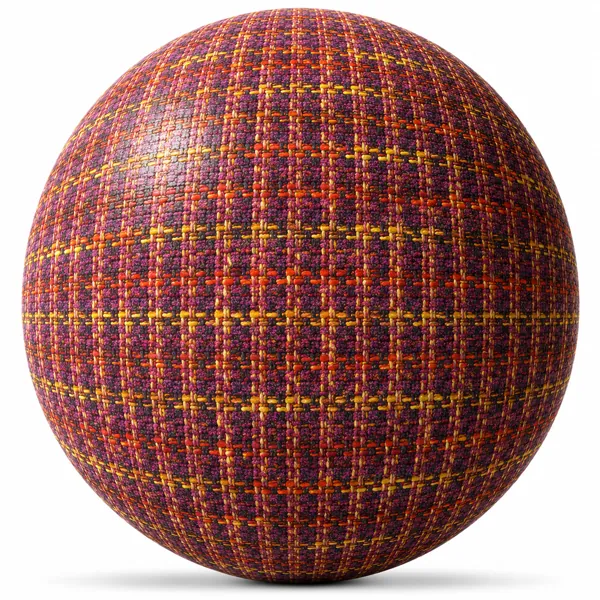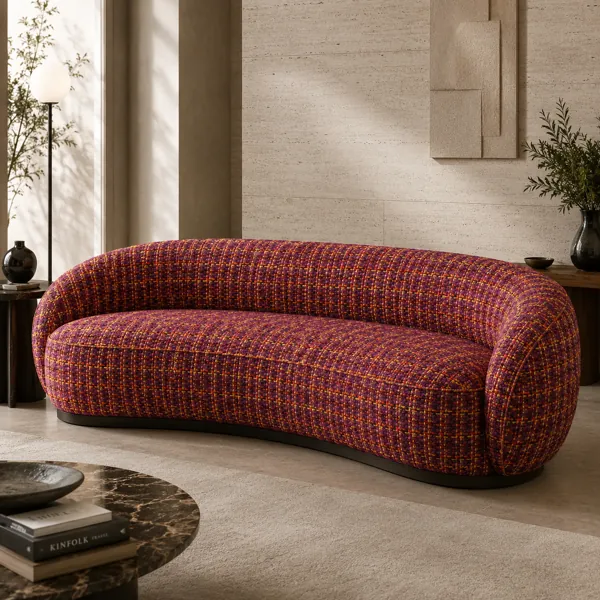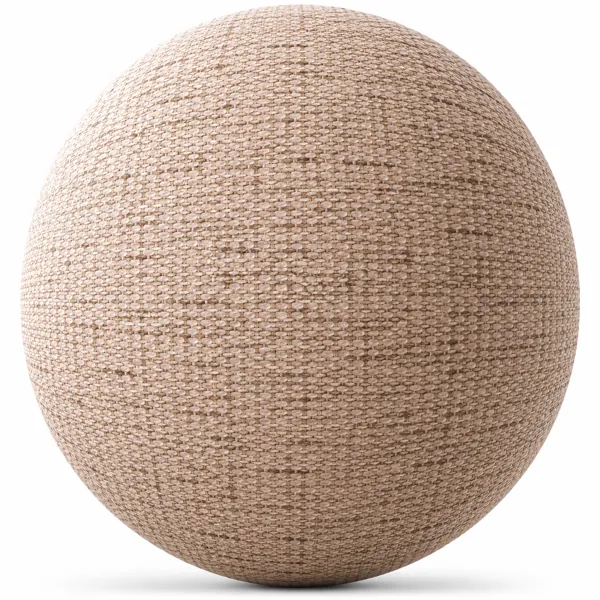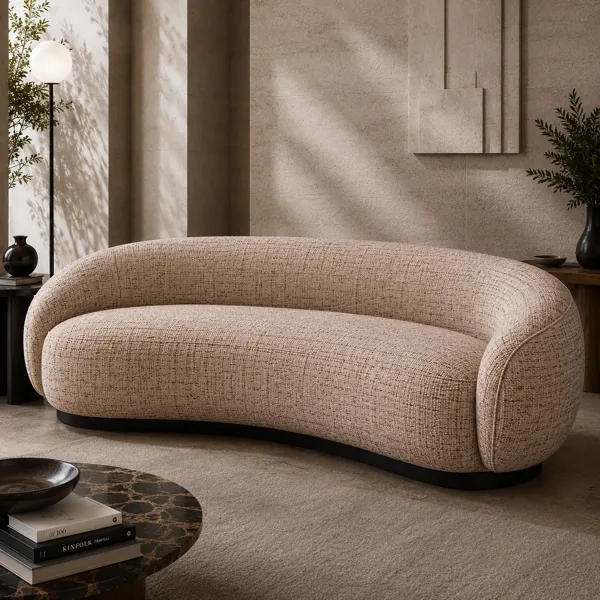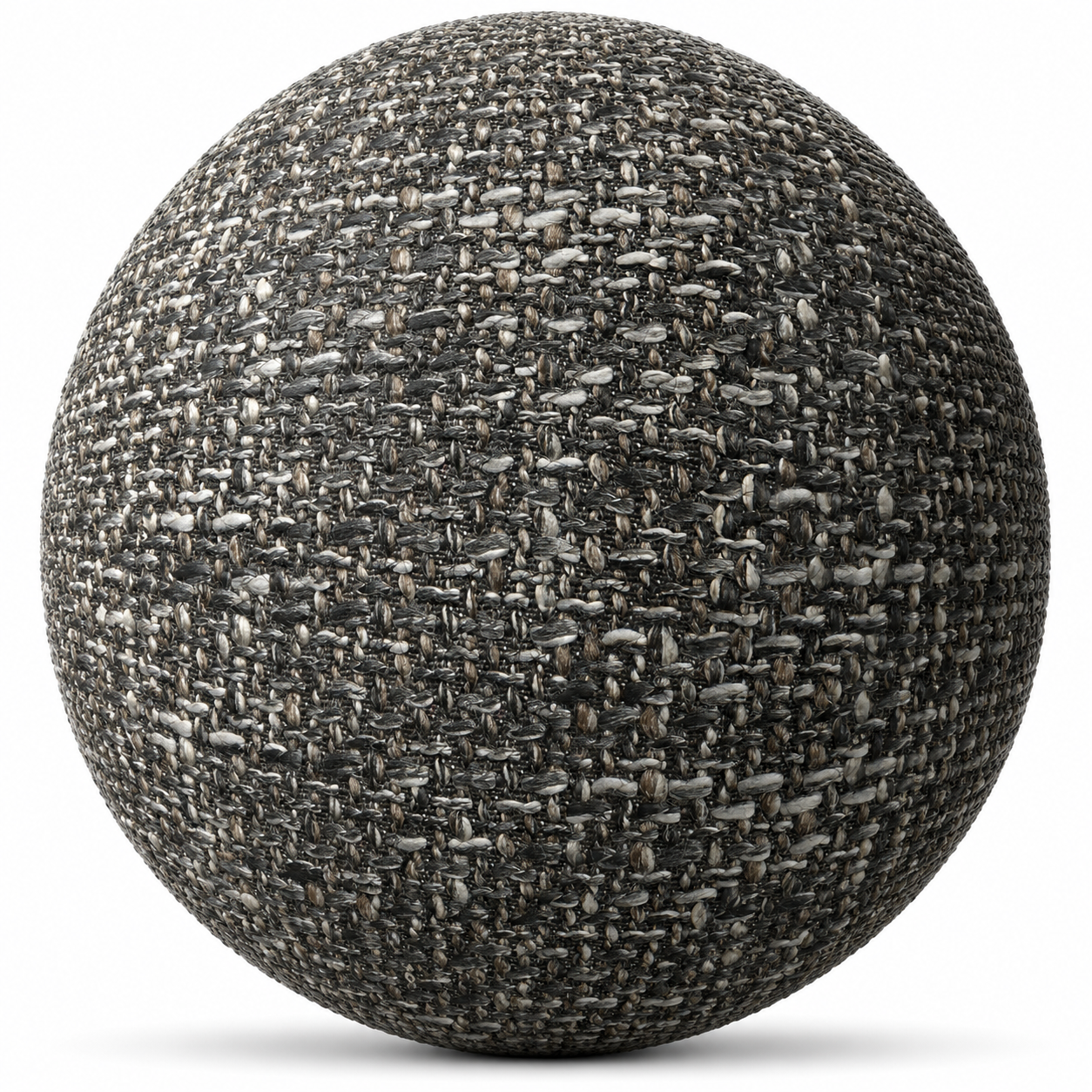
Charcoal Fabric Texture – Speckled Chunky Weave
Fabric No. 00021
FREE
Specifications
- Brand
- Laruus
- Style
- Modern
- Material
- Fabric
- Suitable spaces
- Living Room, Bedroom, Office, Cafe, Commercial, Entrance
- Color
- BlackGrayWhiteBrown
- File types
- Albedo MapAlpha MapAO MapBump MapDiffuse Color MapEdge MapEmission MapHeight MapMetallic MapNormal MapPacked Texture MapRoughness Map
Charcoal Speckled Chunky Woven Texture
Description
Charcoal Fabric Texture – Speckled Chunky Weave presents a dark, tactile textile surface distinguished by an irregular mix of charcoal, gray, cream and muted brown yarn details. Rather than following a clean geometric pattern, the material is defined by scattered light-colored loops and elongated fiber clusters embedded within a predominantly dark woven ground. This creates a naturally speckled appearance with strong micro-level variation across the surface. The combination of deep neutral color and visibly uneven yarn structure gives the fabric a contemporary, substantial character suited to modern interiors where upholstery should add material richness without relying on printed graphics or highly ordered patterns.
The visible construction appears dense and coarse, with interlaced yarns varying noticeably in thickness, shape and orientation. Short pale fibers, darker twisted strands and occasional warm taupe-brown elements interrupt the charcoal base and create a layered surface with pronounced visual depth. Small raised loops and irregular bundled fibers make the material appear more dimensional than a flat woven textile, especially where directional lighting catches individual strands. The exact fiber composition, yarn dimensions, manufacturing method and commercial textile specification cannot be established from the reference image, so no unsupported identification such as wool, cotton, linen or synthetic fiber is assigned. The material is described only by visible qualities: dark neutral coloration, irregular mixed yarns, coarse weave and raised textile relief.
This charcoal fabric texture can work effectively on sofas, armchairs, lounge chairs, dining chairs, benches, ottomans, cushions, upholstered beds, headboards and other soft furniture surfaces. In a Living Room, the dark neutral base can complement Wood, Stone, Glass and restrained Metal finishes while the lighter flecks prevent the upholstery from reading as a flat black mass. Bedroom applications may include upholstered headboards, reading chairs and accent cushions. Office interiors can use a similar coarse textile on lounge seating, visitor chairs or acoustic-style upholstered elements. Cafe and Commercial spaces can also benefit from the varied surface when seating requires a dark, durable-looking visual character with enough tonal movement to remain interesting at close range.
For architectural visualization and CGI workflows, the irregular woven structure provides useful micro-scale detail for medium and close camera views. Correct mapping scale is important because the individual yarn clusters are clearly visible; if scaled too large, the fibers can appear oversized relative to the furniture, while an excessively small mapping scale may reduce the distinctive speckled weave to visual noise. UV placement should follow the construction logic of each upholstered component so the textile retains believable continuity across cushions, seats, backs and side panels. According to the supplied product information, the asset is associated with 3ds Max and Corona Renderer, making it relevant to interior archviz, furniture visualization and material presentation workflows.
Within modern interior design, dark charcoal upholstery offers a flexible neutral foundation that works well with minimalist, contemporary, industrial and naturally toned schemes. The cream, gray and muted brown yarn accents soften the darkness of the surface and introduce subtle variation without creating a formal decorative motif. On larger furniture pieces, the texture can provide visual depth while maintaining a restrained palette; on smaller accent pieces, the irregular weave becomes a stronger tactile feature. From farther away, the textile reads as a dark gray-black surface, while closer views reveal the scattered pale fibers, layered yarn structure and uneven woven character.
The provided technical information identifies 3ds Max and Corona Renderer, but no file formats are specified. Exact texture resolution, map dimensions, seamless or tileable status, UV requirements, included PBR channels and compatibility with additional renderers cannot be verified from the image and are therefore not claimed. In production renders, mapping scale, bump or displacement strength, roughness and reflectivity should be adjusted according to furniture size, camera distance and scene lighting so the chunky textile relief remains convincing without making individual fibers appear exaggerated.
Frequently asked questions
Is this texture free?
Yes. You can download it with a free Laruus account. Free textures are limited to 5 downloads per day.
Which software can I use this texture in?
The maps are standard image files, so they work in any renderer with PBR materials, such as Corona or V-Ray in 3ds Max, Blender, SketchUp with V-Ray or Enscape, and Unreal Engine.
What do I get when I download it?
A 61.3 MB download. It was added to Laruus on June 30, 2026.
Which spaces is it suitable for?
It suits Living Room, Bedroom, Office, Cafe, Commercial, and Entrance projects. Style: Modern.
Are there 3D models that use this material?
Yes. Laruus has 3D models in the same material:
- Fabric — 284Browse Beds (70)