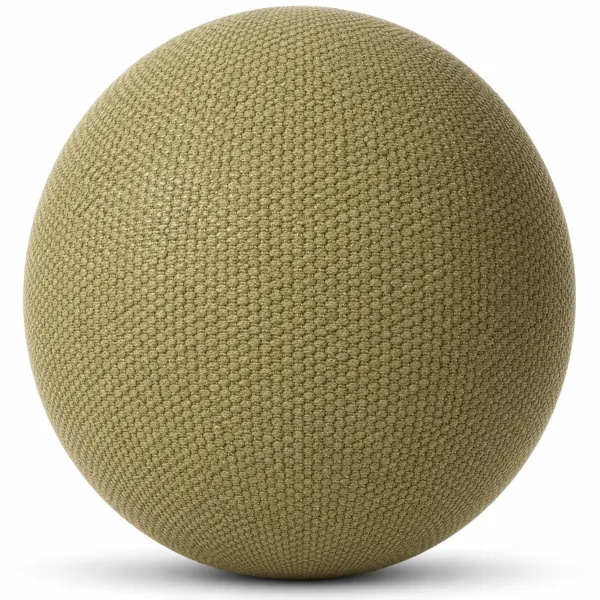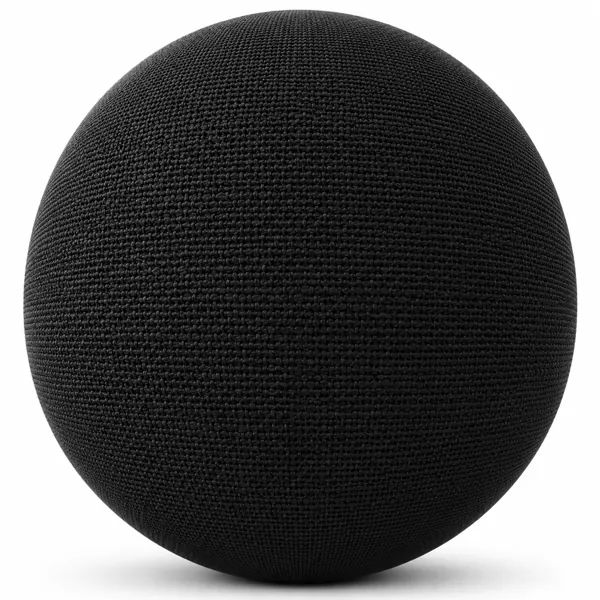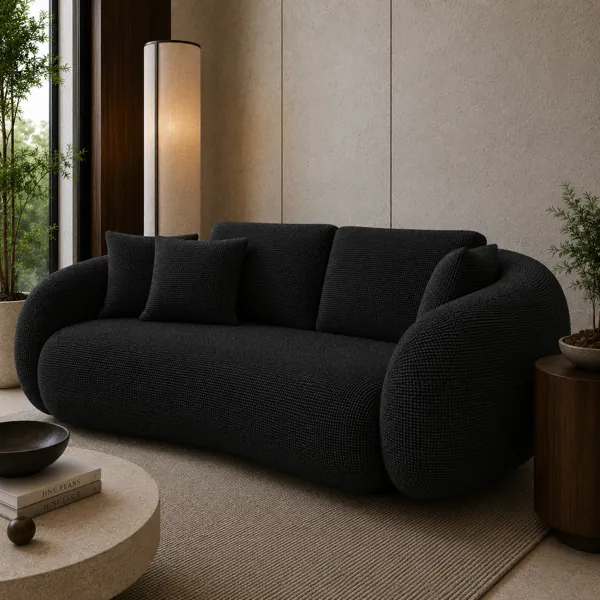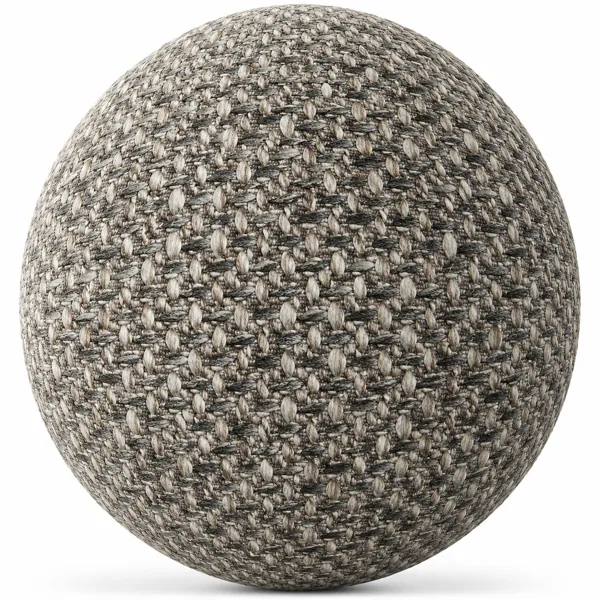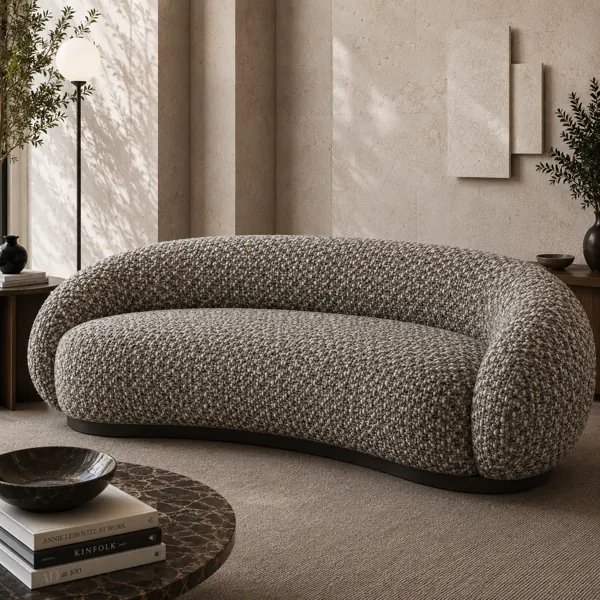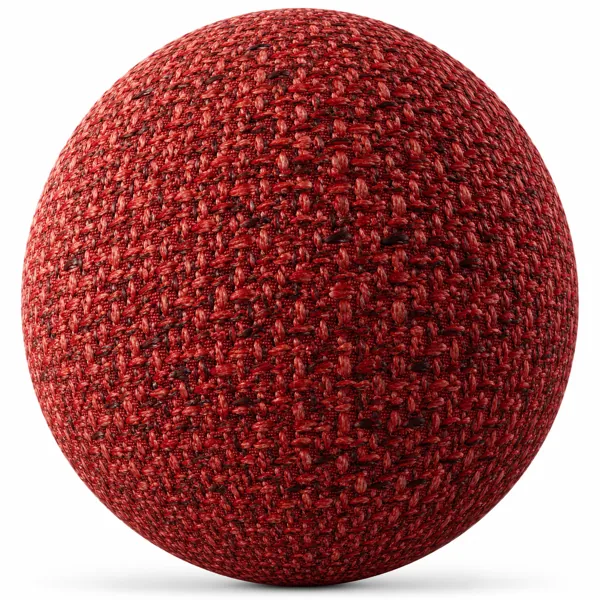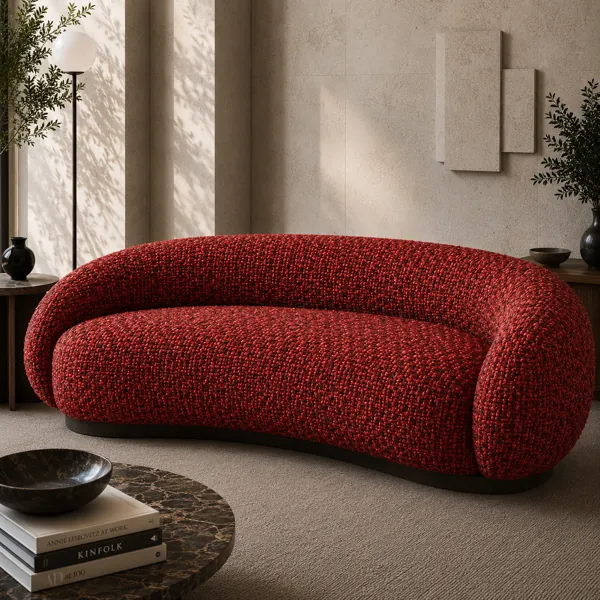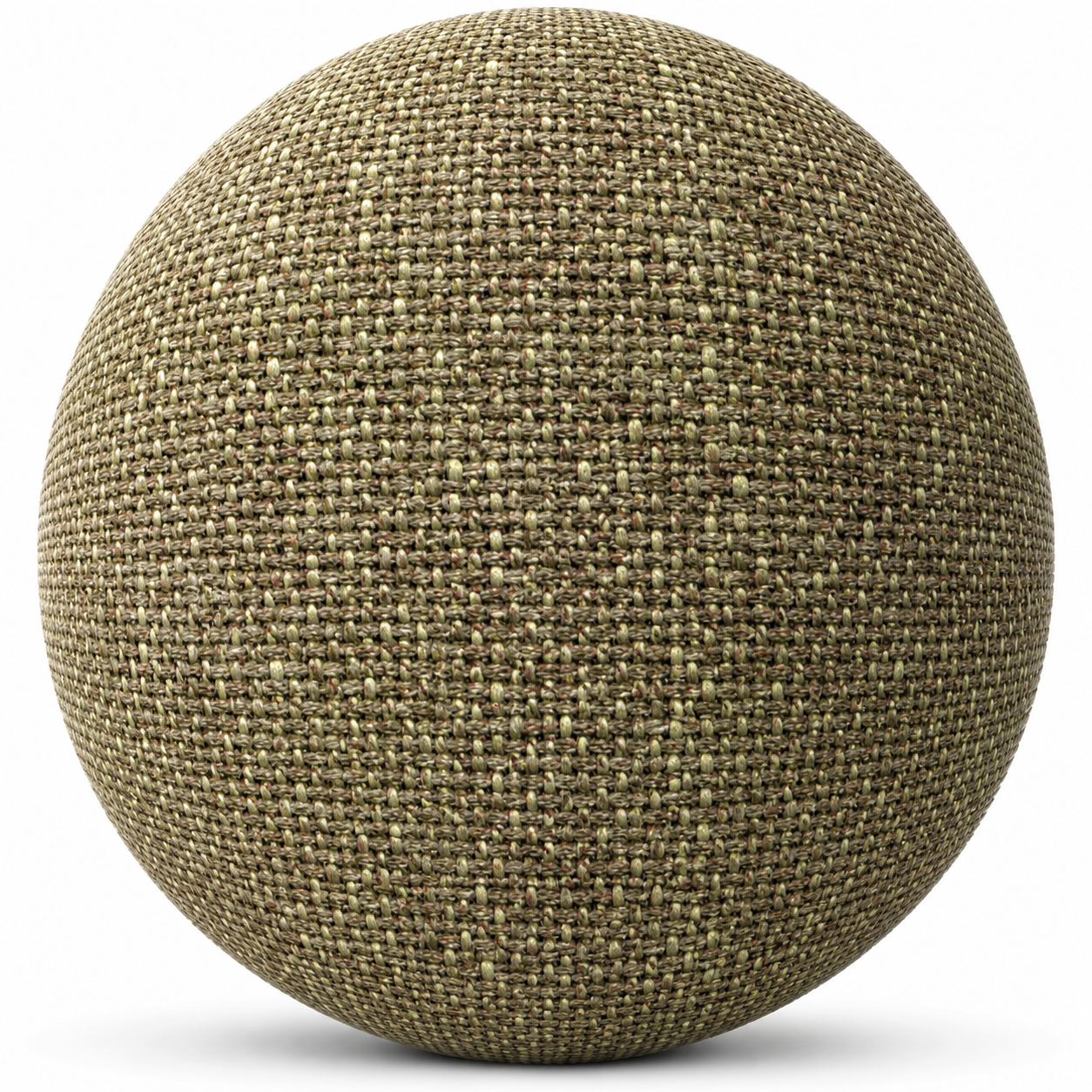
Olive Green Woven Fabric Texture – Dense Flecked Weave
Fabric No. 00011
FREE
Specifications
- Brand
- Laruus
- Style
- Modern
- Material
- Fabric
- Suitable spaces
- Living Room, Bedroom, Office, Cafe, Commercial, Entrance
- Color
- GreenBrownBeige
- File types
- Albedo MapAlpha MapAO MapBump MapDiffuse Color MapEdge MapEmission MapHeight MapMetallic MapNormal MapPacked Texture MapRoughness Map
Earthy Olive Woven Detail
Description
This olive green woven fabric texture is defined by a dense flecked weave, earthy coloration, and clearly visible interlaced thread structure. The surface combines muted olive green with brown, beige, and subtle darker fibers, producing a naturally varied appearance rather than a flat single-color finish. Small changes in thread tone are distributed throughout the weave, giving the material visual depth while maintaining a restrained modern character. Its organic palette makes it especially suitable for interiors where upholstery needs to introduce texture and warmth without relying on a bold printed pattern or strong color contrast.
The visible construction consists of tightly interwoven threads arranged in a compact, slightly irregular structure. Individual yarn segments remain recognizable at close range, with small differences in thickness, position, and tone creating a tactile low-relief surface. Light catches the raised portions of the weave while narrow gaps between threads form fine shadow details, helping the fabric read as physically textured. The material does not visually resemble smooth linen, velvet, leather, or a long-pile textile; its distinguishing feature is the coarse, densely woven character. Exact fiber composition, yarn type, thread count, physical thickness, elasticity, backing construction, durability, and manufacturing method are not provided and cannot be reliably determined from the image alone.
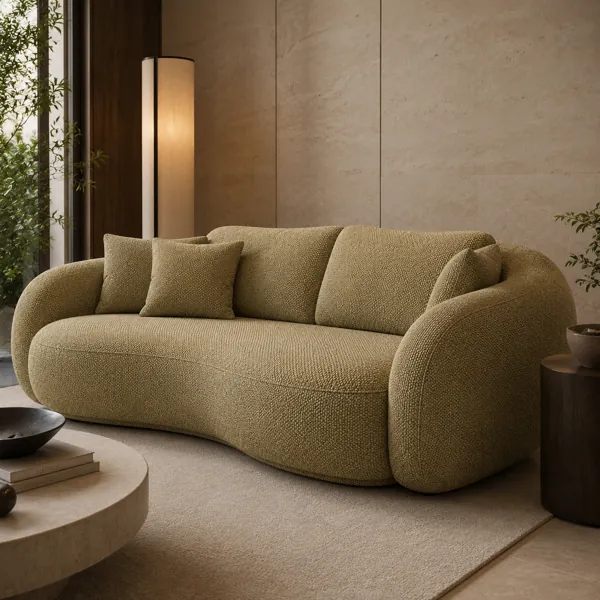
The earthy olive palette makes this fabric useful across Living Room, Bedroom, Office, Cafe, Commercial, and Entrance environments. It can visually suit upholstered sofas, lounge chairs, dining chairs, ottomans, benches, cushions, headboards, acoustic panels, textile wall panels, and other fabric-covered furnishings. Olive green works naturally alongside medium and dark Wood, warm Stone, black or brushed Metal, neutral Fabric, Leather, beige finishes, and subdued brown accents. Because the color variation occurs at thread level rather than through a large decorative motif, the texture can cover substantial furniture surfaces while retaining a balanced and consistent appearance from typical interior viewing distances.
For architectural visualization and CGI workflows, the dense woven structure provides useful microdetail for both close and medium camera distances. Close-up renders can emphasize individual thread crossings, subtle highlights, small shadow pockets, and tonal variation across the olive and brown fibers. From farther away, those details merge into a controlled mottled surface that remains visually richer than a uniform green shader. In 3ds Max and Corona Renderer workflows, the material can be considered for upholstery, cushions, seating, textile panels, and decorative soft furnishings according to the artist's UV, mapping, scale, and shader setup. Correct texture scale is particularly important when the material appears beside recognizable furniture proportions.
Within modern interior design, this olive woven fabric provides a grounded alternative to conventional beige, gray, or black upholstery. Its muted green base can complement organic modern, contemporary, minimalist, Scandinavian-inspired, and nature-influenced schemes while remaining understated enough for larger upholstered pieces. The combination of green, brown, and beige fibers also responds effectively to warm interior lighting, where the weave can shift subtly between lighter olive highlights and deeper earthy shadows. This makes the material useful when a scene needs textile variation that becomes more apparent at close range without dominating the overall composition.
The supplied product information identifies Fabric as the primary material and specifies 3ds Max with Corona Renderer as the software and rendering context. No file formats are listed, so compatibility with specific formats cannot be confirmed. The image also does not establish texture resolution, physical dimensions, seamless tiling capability, UV scale, displacement data, normal or bump maps, roughness values, or exact reflectance settings. These technical properties should be verified in the downloadable product package rather than inferred visually. The observable olive green coloration, dense interwoven construction, fine beige and brown flecks, and pronounced thread-level surface detail remain the defining characteristics of this fabric texture.
Frequently asked questions
Is this texture free?
Yes. You can download it with a free Laruus account. Free textures are limited to 5 downloads per day.
Which software can I use this texture in?
The maps are standard image files, so they work in any renderer with PBR materials, such as Corona or V-Ray in 3ds Max, Blender, SketchUp with V-Ray or Enscape, and Unreal Engine.
What do I get when I download it?
A 23.7 MB download. It was added to Laruus on June 27, 2026.
Which spaces is it suitable for?
It suits Living Room, Bedroom, Office, Cafe, Commercial, and Entrance projects. Style: Modern.
Are there 3D models that use this material?
Yes. Laruus has 3D models in the same material:
- Fabric — 284Browse Beds (70)