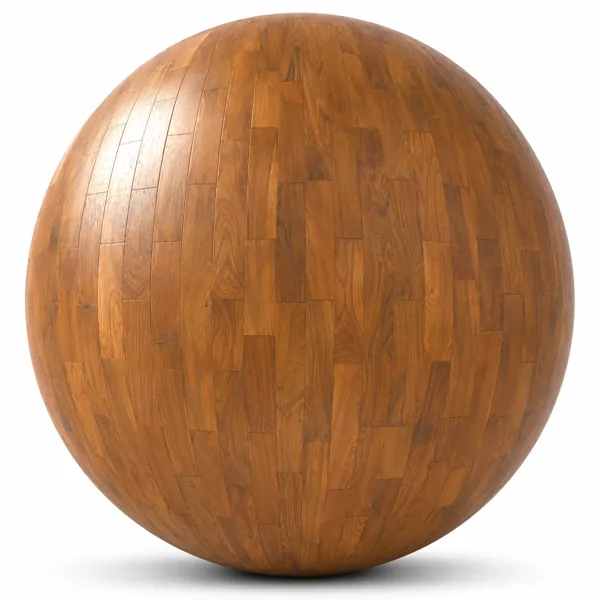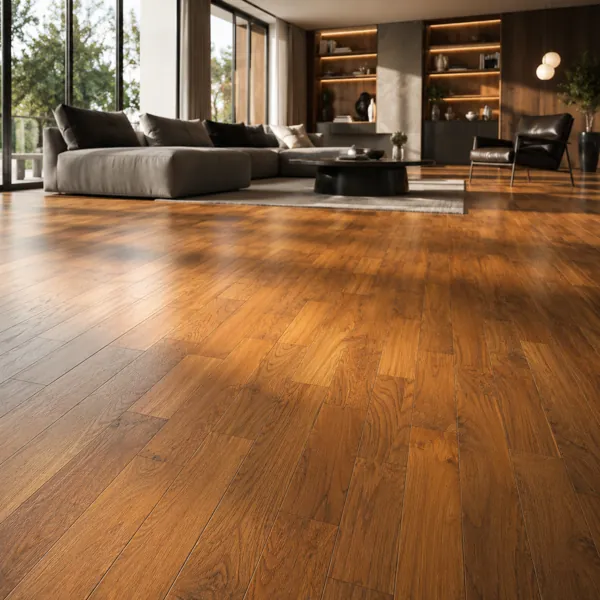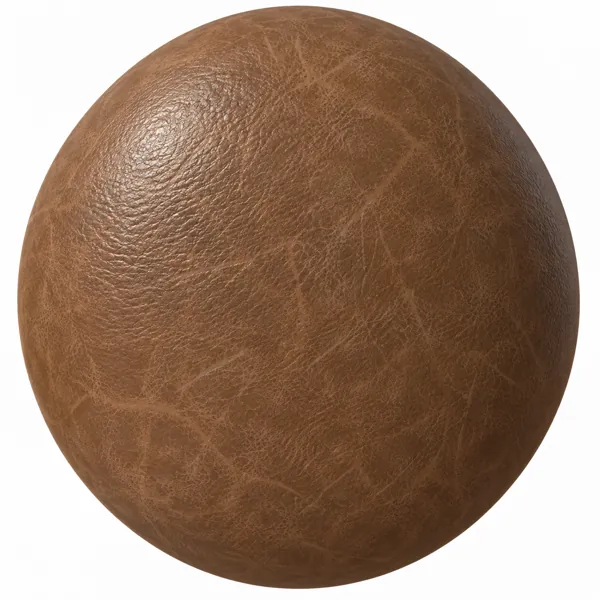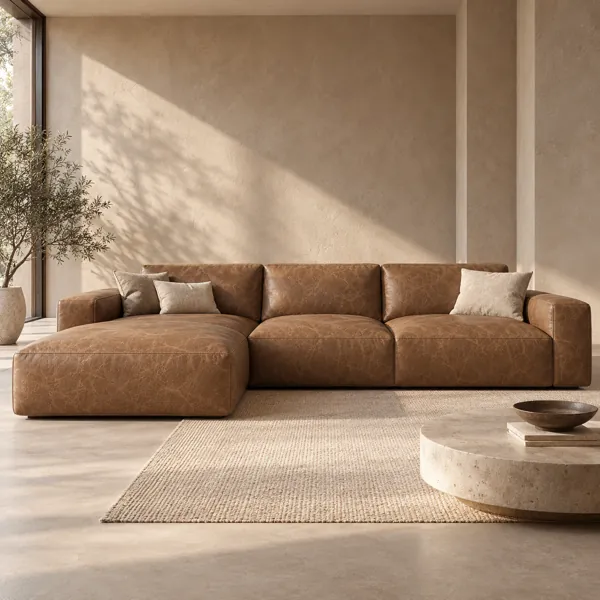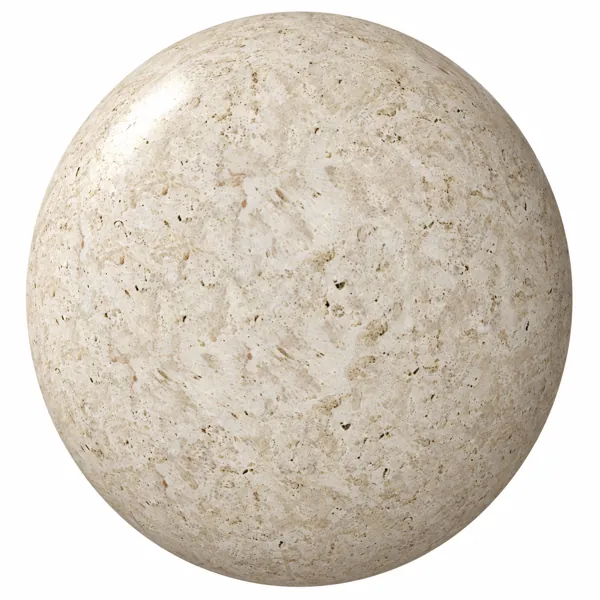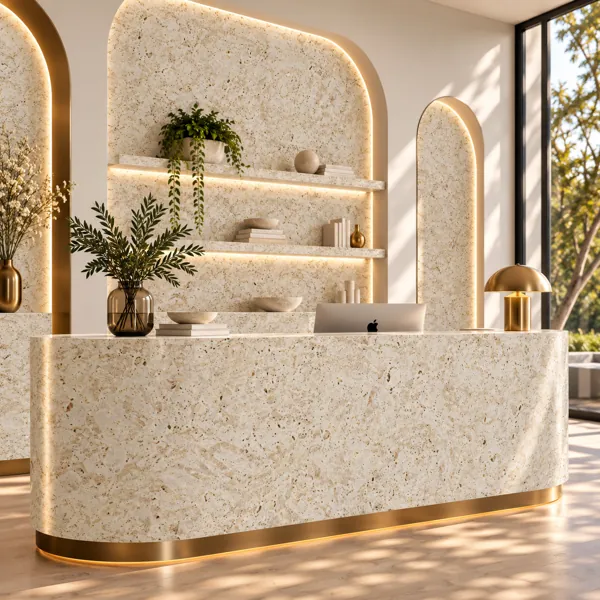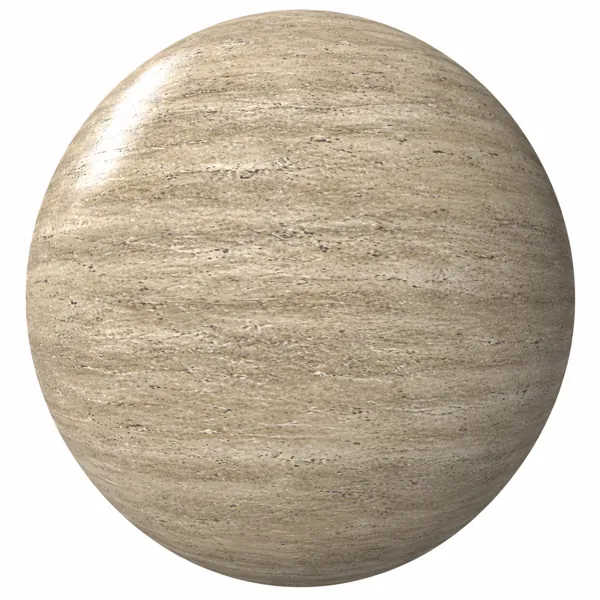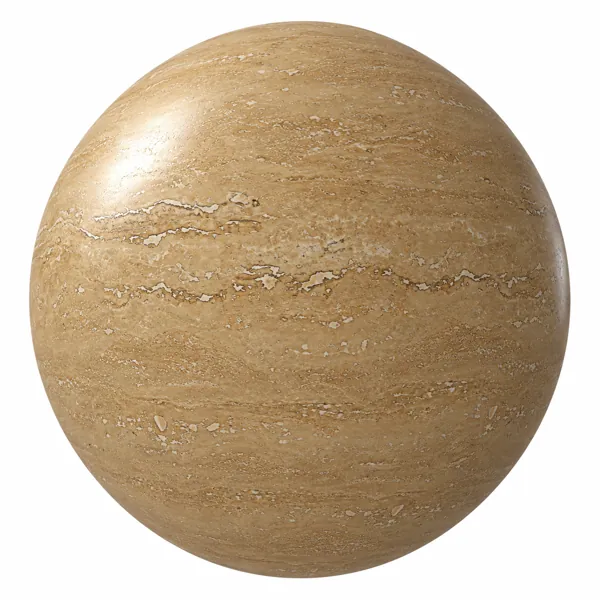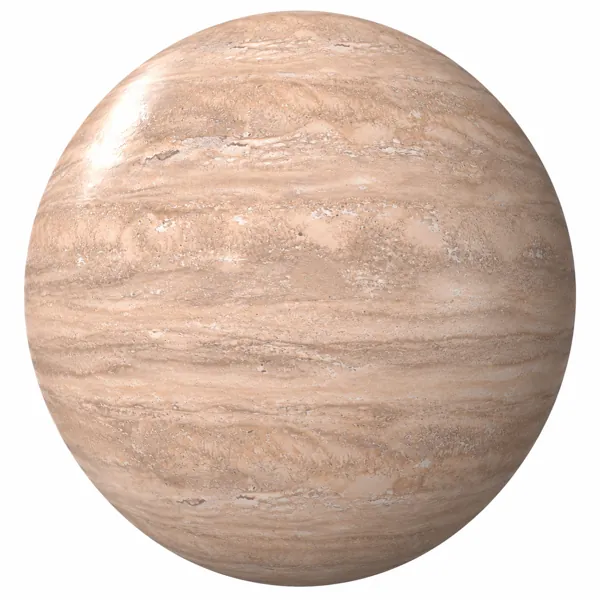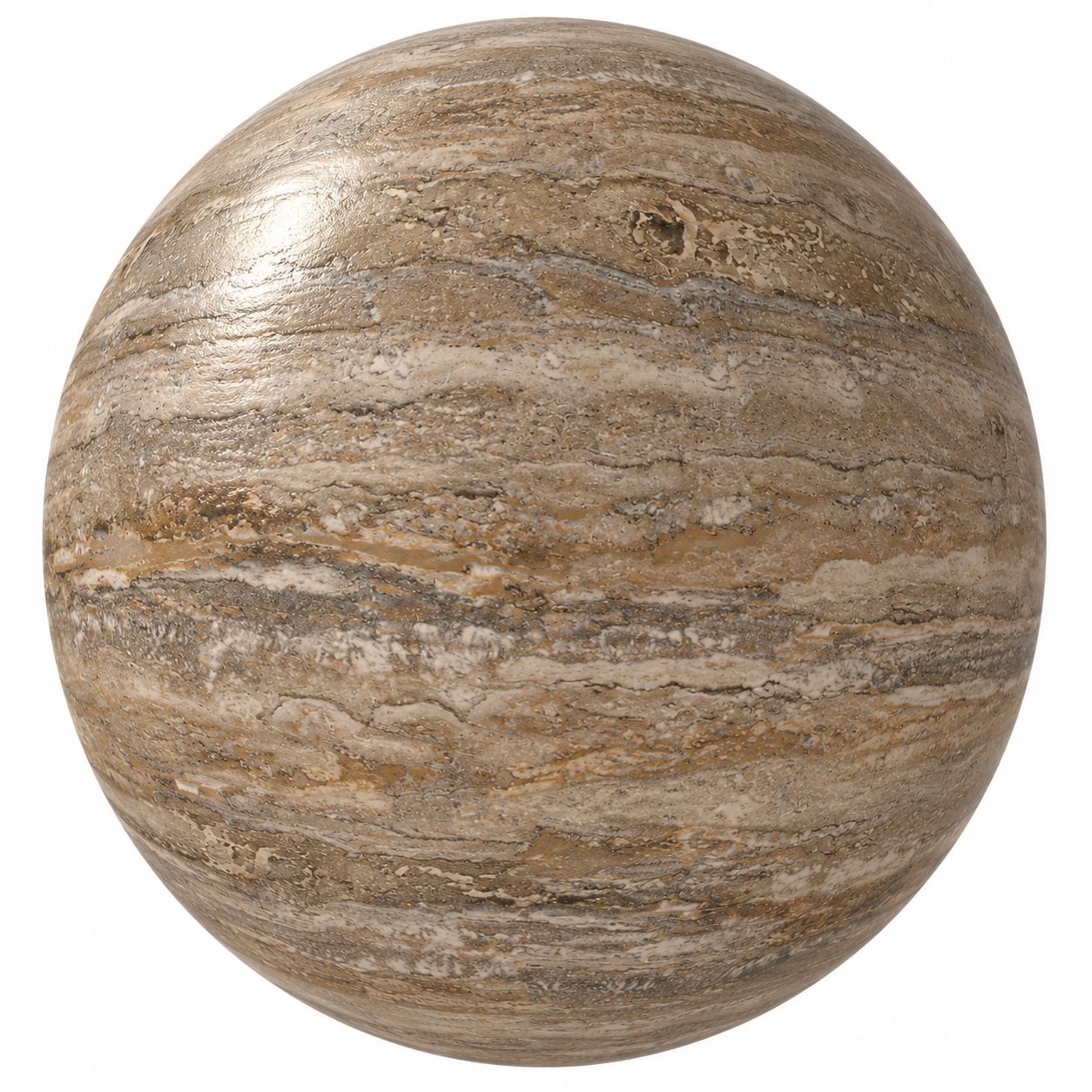
Warm Taupe Brown Layered Horizontal Travertine Texture
Travertine No. 00036
FREE
Specifications
- Brand
- Laruus
- Style
- Modern
- Material
- Stone, Travertine
- Suitable spaces
- Living Room, Bedroom, Office, Cafe, Commercial, Kitchen, Entrance
- Color
- BrownBeigeGray
- File types
- Albedo MapAlpha MapAO MapBump MapDiffuse Color MapEdge MapEmission MapHeight MapMetallic MapNormal MapPacked Texture MapRoughness Map
Warm Taupe Brown Layered Horizontal Travertine Texture - High Resolution Seamless PBR Textures
Description
The Warm Taupe Brown Layered Horizontal Travertine Texture presents a naturally stratified stone appearance characterized by muted taupe, earthy brown, warm beige, and subtle gray mineral accents. Its defining feature is a series of broad horizontal sedimentary bands interrupted by narrow irregular lines, weathered mineral formations, and gently contrasting stone layers. Unlike travertine surfaces with pronounced white veins or sharply defined dark stripes, this material displays a softer transition between adjacent layers. The resulting composition has a grounded, organic character that complements modern architectural interiors. Warm brown areas are distributed across the surface, while pale gray and beige sections introduce variation without overwhelming the overall color balance. The horizontal structure remains clearly visible throughout the image, making the material particularly suitable for visual compositions that emphasize natural layering and understated architectural rhythm.
The stone pattern combines elongated sedimentary formations with irregular mineral deposits, small cavities, and fragmented linear details. Broad taupe-brown bands occupy much of the surface, while lighter beige and gray layers appear between them. Several narrow mineral boundaries extend horizontally across the image, occasionally changing thickness or forming gentle waves. Certain areas contain darker brown concentrations and scattered pale markings that resemble naturally weathered stone formations. Near the central and lower sections, the pattern includes denser gray mineral bands and irregular light-colored inclusions. These details create a varied surface appearance without introducing a strongly contrasting or highly decorative pattern. The visible composition suggests natural sedimentary layering, although the exact geological origin, physical dimensions, surface treatment, and measurable depth cannot be established from the image alone. The texture should therefore be evaluated primarily through its visible color distribution and directional stone pattern.
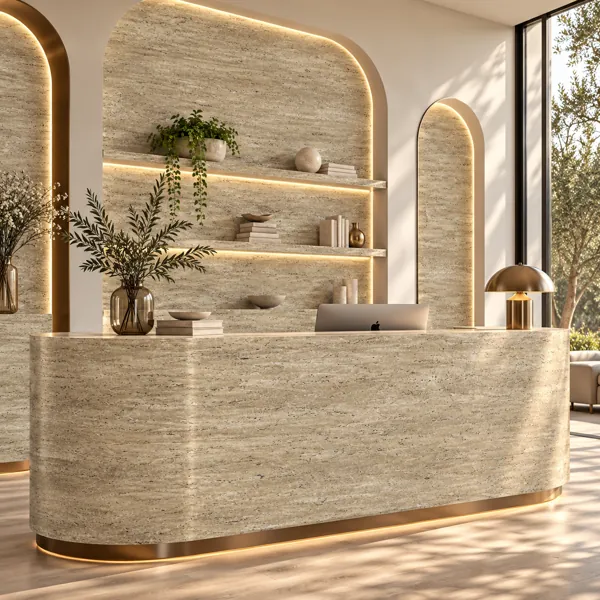
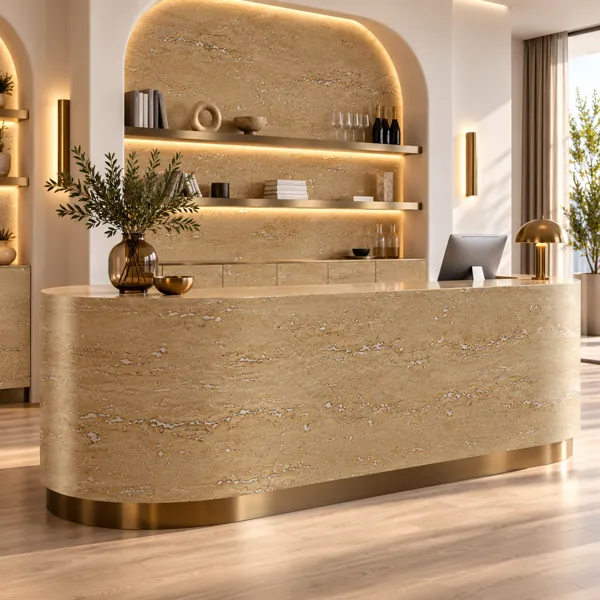
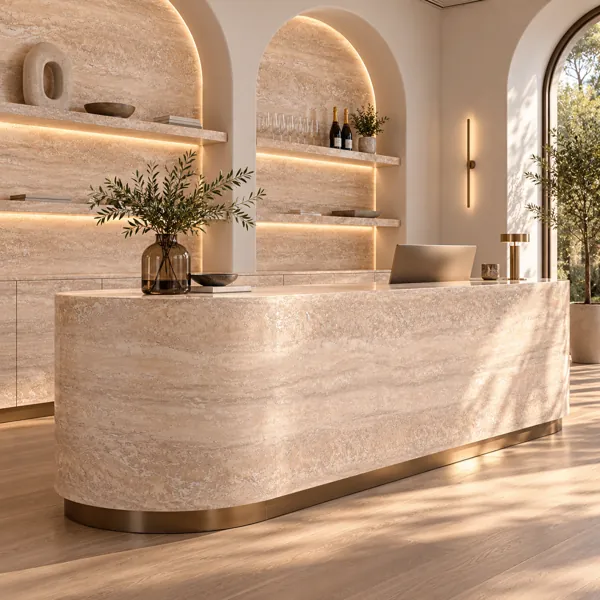
This warm taupe travertine appearance can be used in architectural visualizations of decorative wall cladding, living room feature walls, reception counters, kitchen islands, bathroom surfaces, and custom furniture panels. The muted earth-tone palette provides a natural visual connection with timber, neutral upholstery, and understated architectural finishes. In residential interiors, the horizontal bands can introduce subtle movement across large wall surfaces or kitchen backsplashes. Commercial environments may incorporate the material into office reception areas, retail interiors, and hospitality spaces where a warm natural stone appearance is desired. Cafes can use the texture for counter fronts and decorative partitions, while entrance halls may benefit from its layered visual structure. These examples describe potential visual applications and should not be interpreted as verified recommendations for physical installation, durability, or moisture resistance.
For architectural visualization and CGI production, the texture provides a diffuse color reference for building travertine materials in 3ds Max and other compatible 3D software. Its predominantly horizontal mineral structure should be considered during UV mapping, especially when applied to large architectural surfaces. Maintaining a consistent stripe direction across adjacent panels helps preserve the intended layered appearance. On vertical walls, horizontal mapping can emphasize width and continuity, while alternative orientations may be explored for specific design compositions. Close-up renders can reveal the small irregular mineral marks, subtle cavities, and tonal variations. Wider views highlight the broader sedimentary bands and the overall warm taupe-brown character. When applying the texture to curved furniture, columns, or complex architectural geometry, UV distortion should be checked to prevent unwanted stretching of the horizontal pattern.
In contemporary interior design, the material's combination of taupe, brown, beige, and restrained gray works well alongside light oak, walnut, warm white plaster, brushed bronze, and dark metal accents. Its earthy palette can soften minimalist spaces dominated by straight lines and simple forms. A large travertine-inspired feature wall may establish a calm architectural backdrop, while smaller surfaces can introduce natural variation into cabinetry, shelving, or reception furniture. Soft daylight can reveal the relationship between warm sedimentary bands and cooler mineral markings. Controlled artificial lighting can help evaluate the interaction between the stone pattern and surrounding finishes. Because the visible pattern contains both broad continuous layers and localized irregular details, it can support compositions ranging from quiet residential interiors to more structured commercial environments.
The supplied preview displays diffuse color information and does not independently confirm the presence of a complete calibrated PBR material. The listed Albedo, Alpha, AO, Bump, Diffuse Color, Edge, Emission, Height, Metallic, Normal, Packed Texture, and Roughness maps should be verified against the actual downloadable package. Physical scale, precise surface roughness, reflectivity, displacement depth, and seamless tiling behavior cannot be determined from the preview alone. During material setup, review UV scale, horizontal alignment, color consistency, visible repetition, and lighting response. Preserving the warm taupe-brown background, layered beige transitions, and subdued gray mineral lines is important for maintaining the recognizable appearance of this travertine texture.
Frequently asked questions
Is this texture free?
Yes. You can download it with a free Laruus account. Free textures are limited to 5 downloads per day.
Which software can I use this texture in?
The maps are standard image files, so they work in any renderer with PBR materials, such as Corona or V-Ray in 3ds Max, Blender, SketchUp with V-Ray or Enscape, and Unreal Engine.
What do I get when I download it?
A 54.4 MB download. It was added to Laruus on October 27, 2026.
Which spaces is it suitable for?
It suits Living Room, Bedroom, Office, Cafe, Commercial, Kitchen, and Entrance projects. Style: Modern.
Are there 3D models that use this material?
Yes. Laruus has 3D models in the same material:
- Stone — 2Browse Architecture (2)