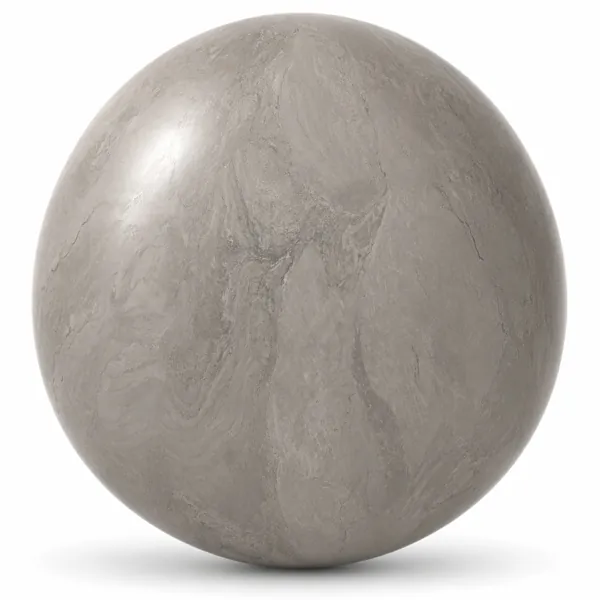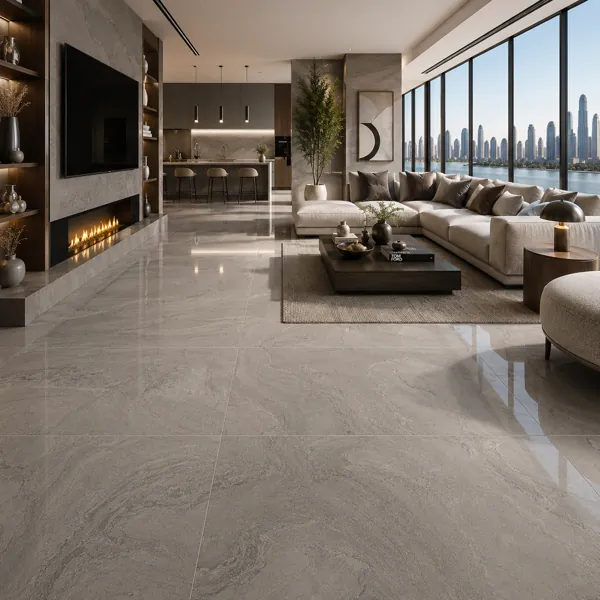
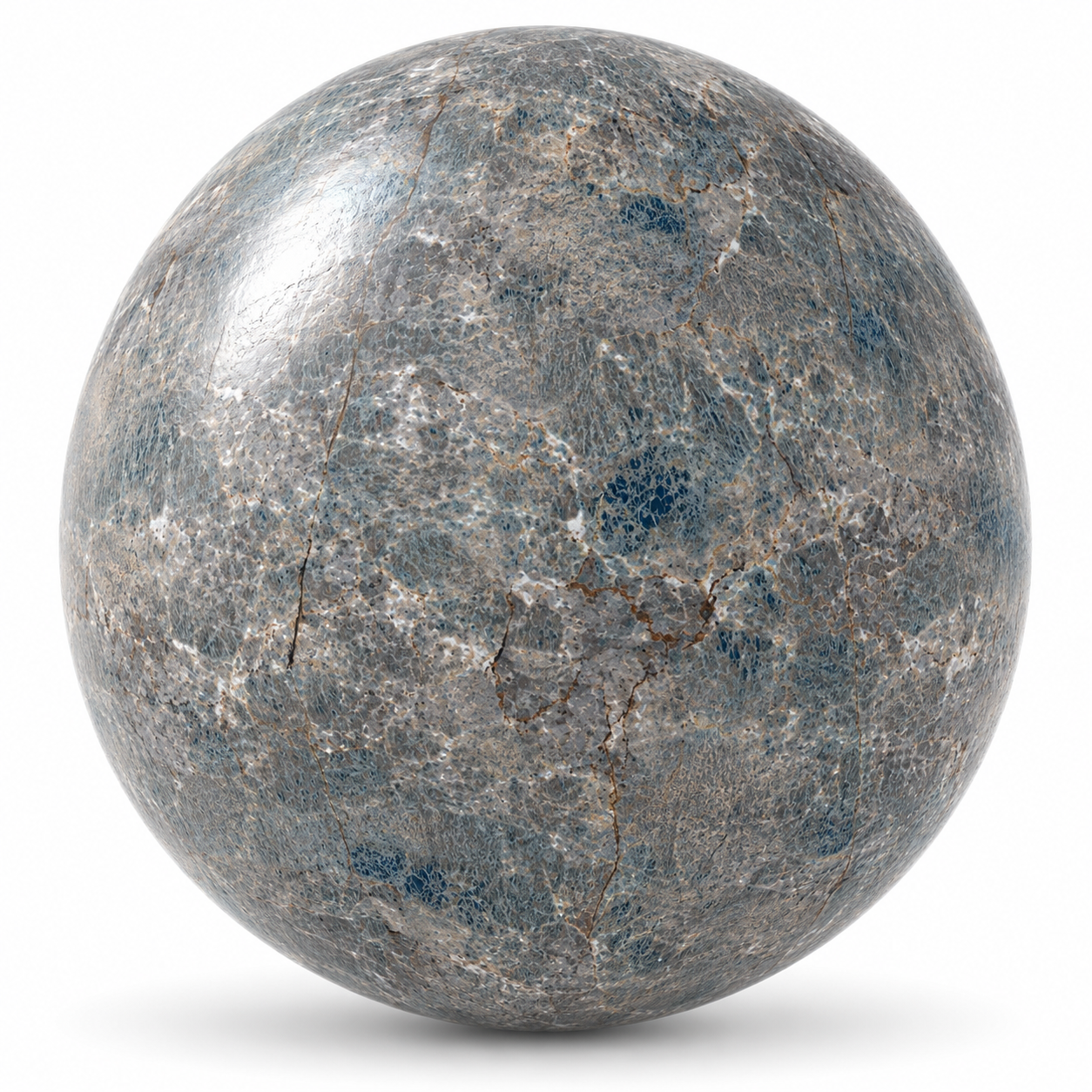
Blue Breccia Ceramic Texture
Ceramic No. 00012
FREE
Sign in to download.
Specifications
- Brand
- Laruus
- Style
- Modern
- Material
- Ceramic
- Color
- BlueGrayBrownBeige
- File types
- Albedo MapAlpha MapAO MapBump MapDiffuse Color MapEdge MapEmission MapHeight MapMetallic MapNormal MapPacked Texture MapRoughness Map
Deep Blue Stone Character - Seamless High Resolution Material
Description
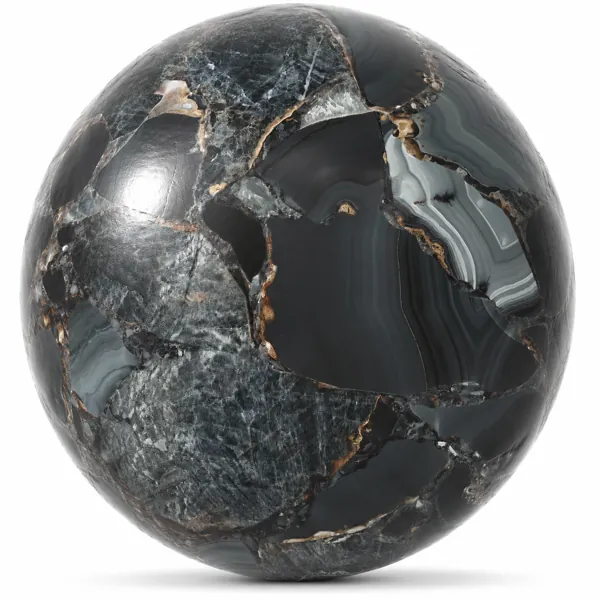
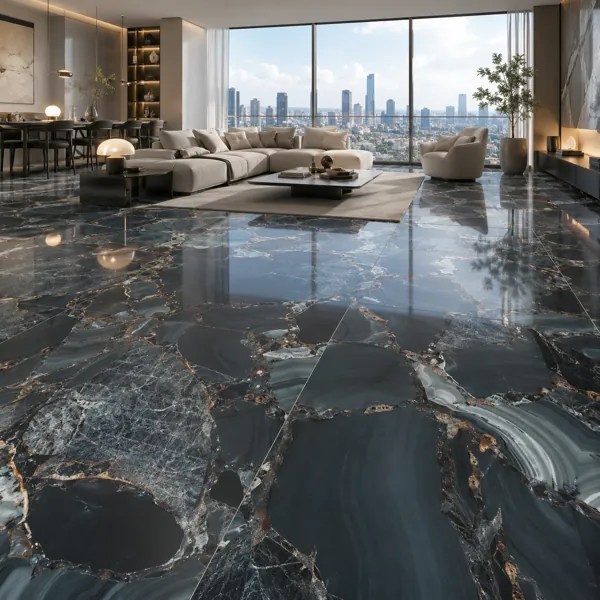
This ceramic texture presents a dramatic stone-inspired composition characterized by fragmented mineral patterns, layered crystalline formations, and rich blue-gray coloration. The surface resembles breccia-style natural stone interpreted through a ceramic finish, featuring a dense arrangement of irregular shapes interconnected by fine veins and subtle tonal transitions. Deep blue accents emerge throughout the texture, creating visual contrast against the dominant gray and beige matrix. The result is a contemporary ceramic material with strong visual identity and substantial decorative presence. The texture exhibits a complex network of mineral-like fragments distributed across the entire surface. Variations in scale, density, and color create a naturally layered appearance that enhances realism. Fine brownish veining traverses the composition, visually connecting individual stone-like sections and adding geological character. The glossy reflection visible in the material suggests a polished ceramic finish, allowing light to reveal depth within the intricate pattern. This combination of reflective properties and detailed surface variation creates a dynamic appearance that changes subtly depending on lighting direction and viewing angle. In interior applications, this ceramic texture works particularly well as a statement surface. It can be used for feature walls, decorative cladding, fireplace surrounds, reception counters, hospitality interiors, luxury-inspired retail environments, and contemporary residential spaces. The blend of blue, gray, and earthy tones pairs effectively with brushed metals, dark woods, neutral furnishings, and minimalist architectural forms. Its expressive pattern makes it suitable for projects seeking a focal material while maintaining a refined and architectural aesthetic. For architectural visualization and CGI workflows, richly detailed ceramic surfaces help create convincing material diversity within a scene. This texture provides substantial visual information even at medium camera distances, making it useful for interior renderings, product visualizations, commercial presentations, and design competitions. The fragmented mineral appearance contributes realism without requiring excessive geometric complexity. Designers and visualization artists can apply the material to large wall sections, custom furniture surfaces, decorative panels, or ceramic slab concepts while maintaining strong visual interest. From an interior design perspective, the texture bridges contemporary ceramic manufacturing aesthetics with the visual language of rare natural stone. The blue-gray foundation introduces cool sophistication, while the warmer beige and brown accents prevent the surface from feeling overly cold. This balance enables integration into both modern and transitional environments. The material can support monochromatic design schemes or act as a contrast element within lighter interiors. Because the pattern is highly organic, it introduces movement and texture that help enrich otherwise restrained spaces. Within 3ds Max and Corona Renderer pipelines, this ceramic texture offers extensive detail suitable for photorealistic rendering. The layered mineral structures interact naturally with direct and indirect lighting, generating subtle variations in highlights and reflections. Its intricate patterning performs well in close-up material studies as well as broader architectural perspectives. The polished appearance contributes realism under daylight, studio, and artificial lighting scenarios, making the texture a versatile option for professional archviz production, CGI environments, interior visualization projects, and material-focused presentations.