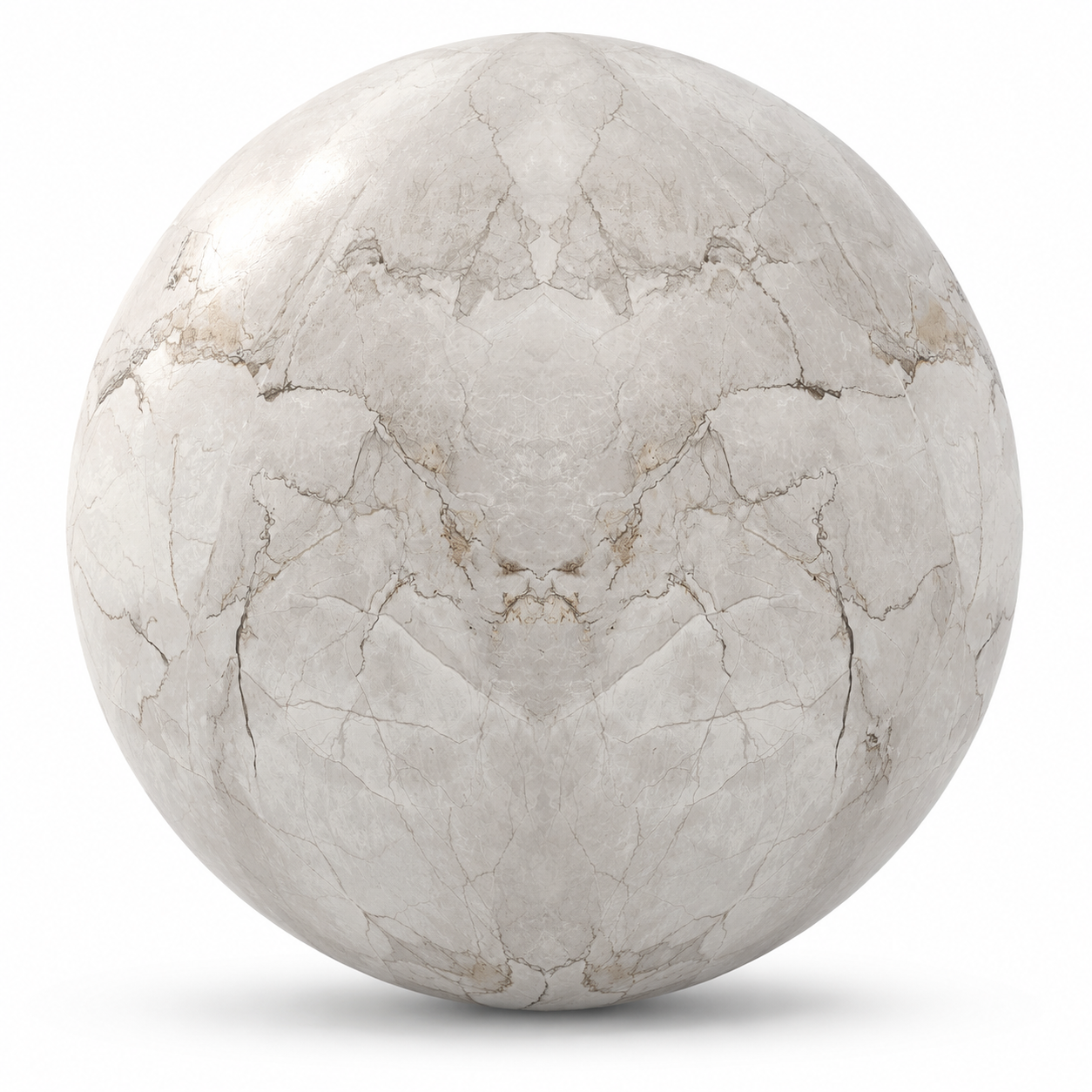
Ivory Marble Ceramic Texture
Ceramic No. 00001
FREE
Sign in to download.
Specifications
- Brand
- Laruus
- Style
- Modern
- Material
- Ceramic
- Color
- WhiteBeigeGray
- File types
- Albedo MapAlpha MapAO MapBump MapDiffuse Color MapEdge MapEmission MapHeight MapMetallic MapNormal MapPacked Texture MapRoughness Map
Elegant Veined Ceramic Surface - Seamless High Resolution Material
Description
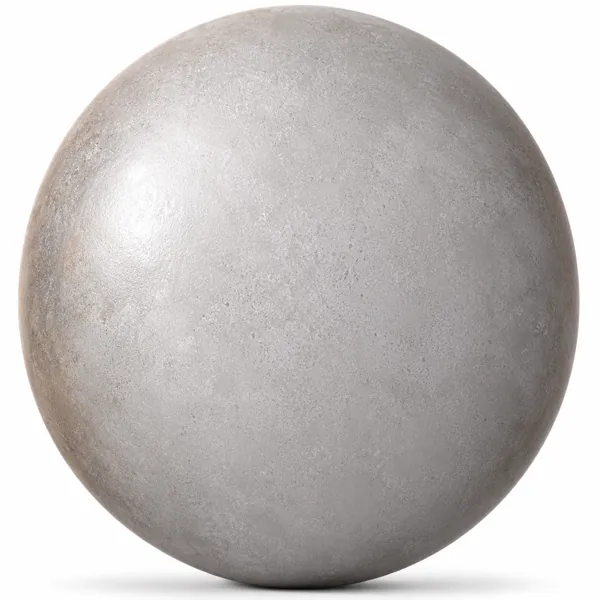
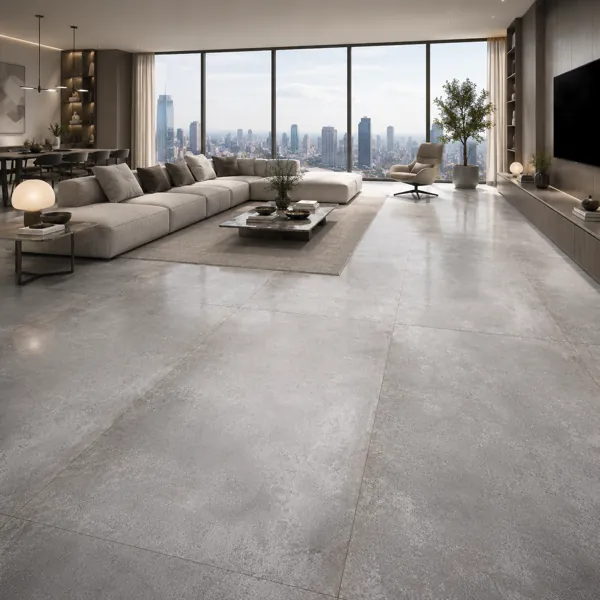
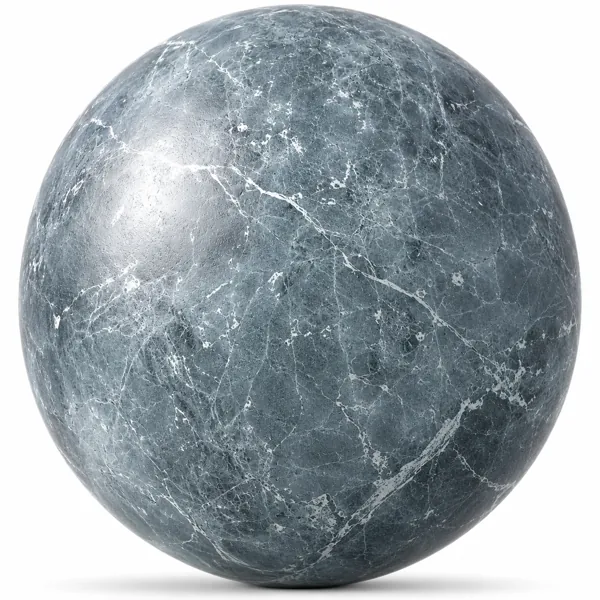
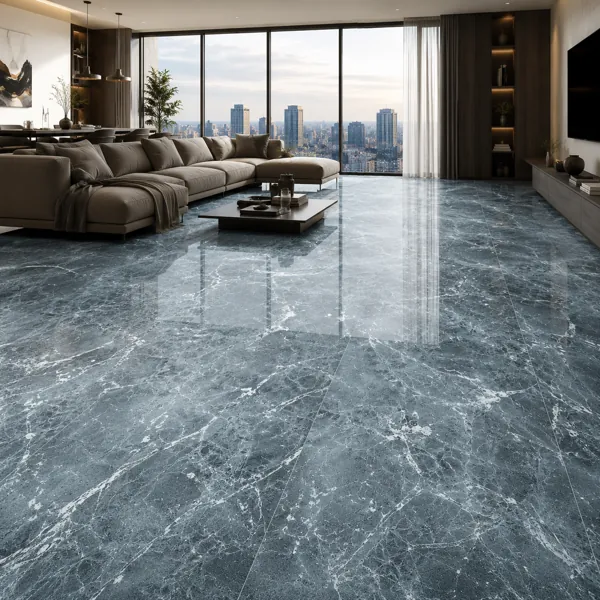
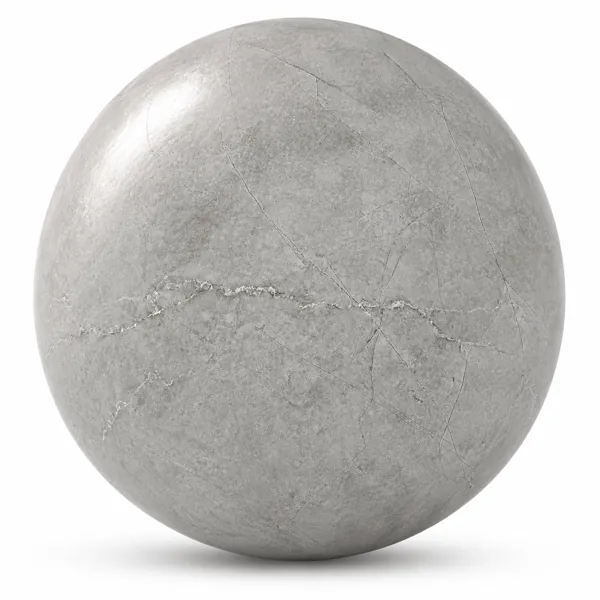
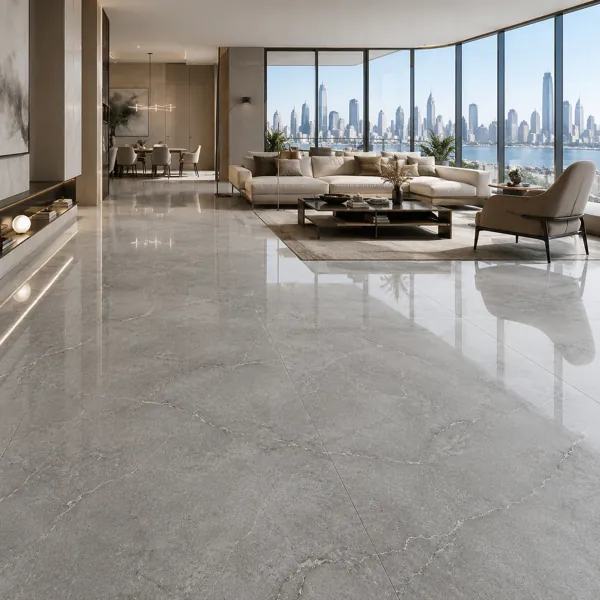
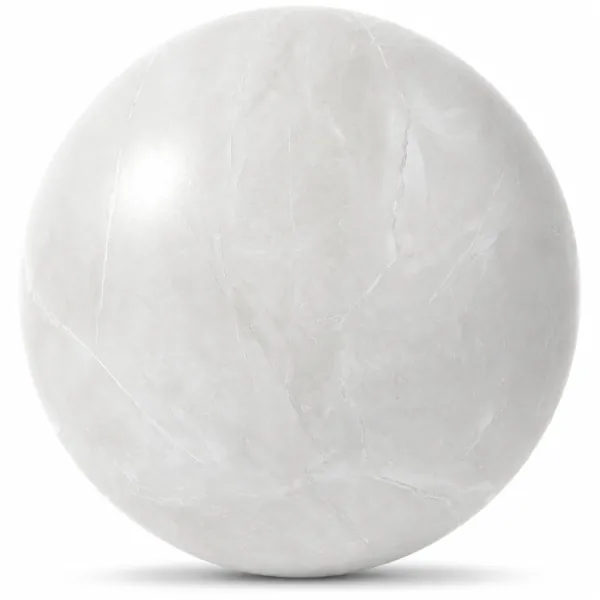
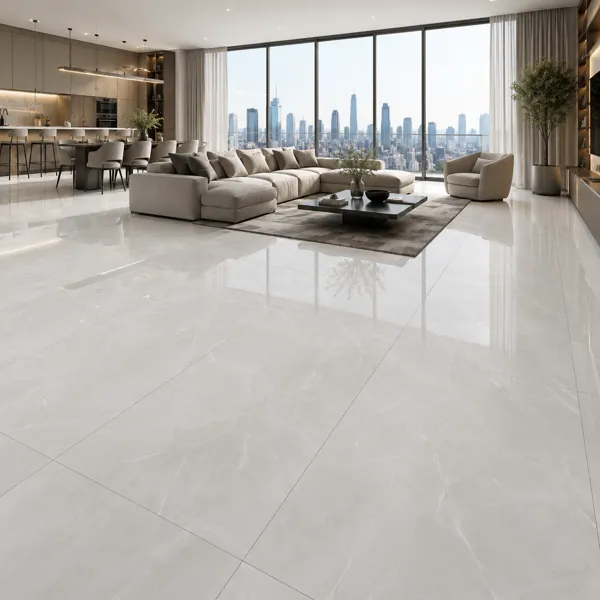
This ceramic texture presents a refined marble-inspired surface characterized by a soft ivory background and an intricate network of delicate mineral veining. The overall appearance is calm, balanced, and highly versatile, making it suitable for contemporary interiors that prioritize light, spaciousness, and material elegance. Subtle tonal transitions move between warm ivory, light beige, and pale gray accents, creating a sophisticated visual composition without overwhelming surrounding architectural elements. The surface reflects the aesthetic language commonly associated with natural stone while maintaining the consistency expected from ceramic and porcelain finishes. Based solely on the visual information available in the image, the texture features a polished or lightly reflective appearance with organic vein formations distributed across the surface. The veining varies in thickness and intensity, producing a natural stone-like pattern that introduces movement and visual depth. The texture exhibits a symmetrical presentation due to the preview mapping, highlighting the complexity of the internal mineral-inspired details. While the exact ceramic manufacturing process cannot be confirmed from the image alone, the visual characteristics strongly resemble marble-look ceramic or porcelain surfaces frequently used in contemporary architecture and interior design. This material is particularly suitable for residential and commercial environments where a bright and refined surface is desired. It can be applied to floors, walls, feature panels, reception areas, bathrooms, kitchens, hallways, and hospitality interiors. The neutral coloration allows it to integrate seamlessly with wood, metal, glass, fabric, and natural stone elements. Its light visual character makes spaces appear larger and brighter, which is especially beneficial in compact interiors or projects that emphasize clean architectural lines and balanced material palettes. For architectural visualization and CGI production, marble-inspired ceramic textures remain among the most frequently specified materials due to their timeless appearance and broad application range. This texture performs well in luxury residences, apartment developments, hotels, office spaces, retail environments, and commercial presentation projects. The fine veining structure provides visual richness in close-up renders while remaining elegant and controlled in wide-angle architectural scenes. These characteristics help designers create realistic environments that communicate both material quality and spatial atmosphere. From an interior design perspective, the texture offers exceptional flexibility. It can support minimalist, contemporary, transitional, and modern classic aesthetics without appearing overly decorative. The soft vein patterns create a subtle focal point while maintaining a clean visual foundation for furniture, lighting, and decorative elements. Designers can use it as a primary surface material throughout an entire project or combine it with darker finishes to create contrast and material hierarchy. Its understated appearance makes it appropriate for both residential comfort and professional commercial environments. Within 3ds Max and Corona Renderer workflows, this ceramic texture provides strong visual realism through its nuanced veining, tonal variation, and polished stone-inspired appearance. The light coloration responds naturally to both artificial and daylight illumination, allowing reflections and highlights to enhance perceived depth. The detailed patterning supports photorealistic rendering at multiple viewing distances, making the texture suitable for architectural visualization, interior renderings, real estate marketing imagery, product presentations, and high-end CGI environments where realistic ceramic and porcelain materials play a central role.