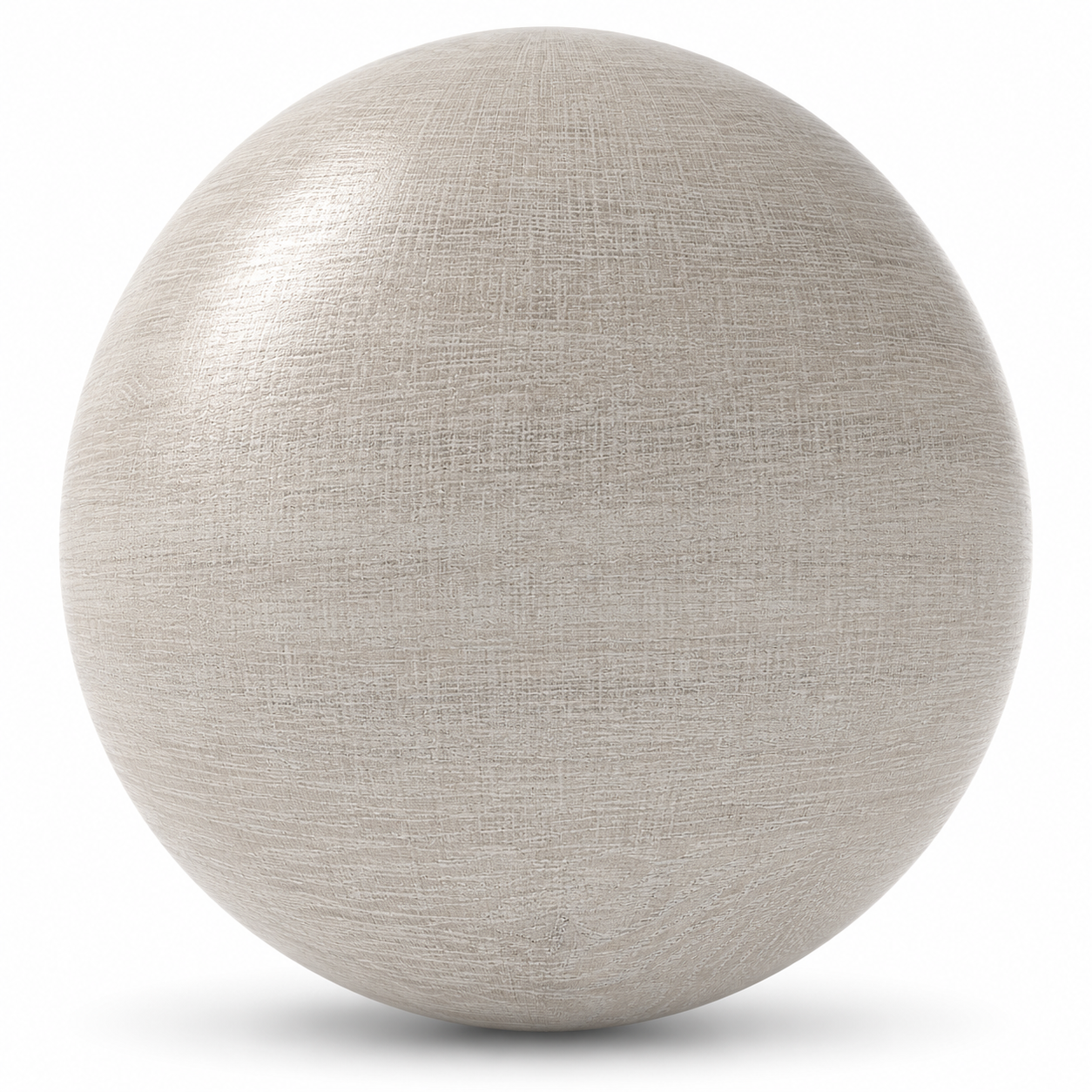
Linen Weave Ceramic Texture – Soft Ivory Crosshatch
Ceramic No. 00010
FREE
Sign in to download.
Specifications
- Brand
- Laruus
- Style
- Modern
- Material
- Ceramic
- Color
- BeigeWhiteGray
- File types
- Albedo MapAlpha MapAO MapBump MapDiffuse Color MapEdge MapEmission MapHeight MapMetallic MapNormal MapPacked Texture MapRoughness Map
Soft Woven Surface Appeal - Seamless High Resolution Material
Description
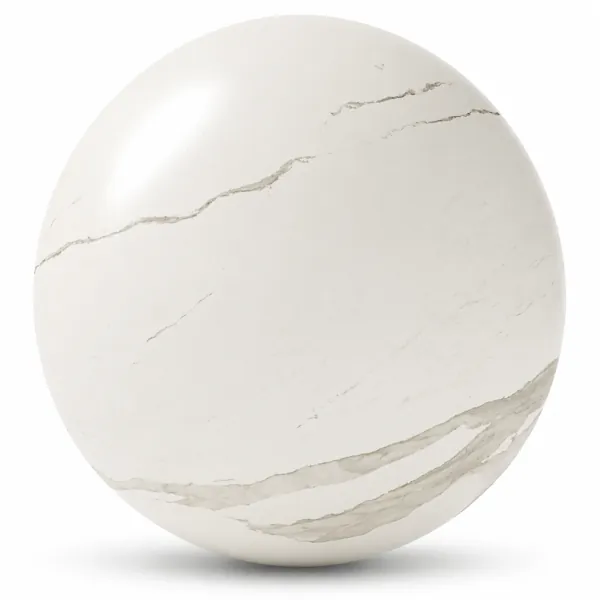
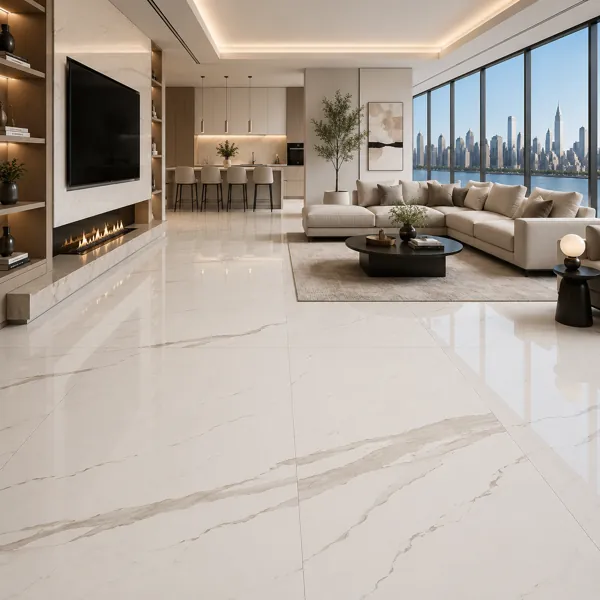
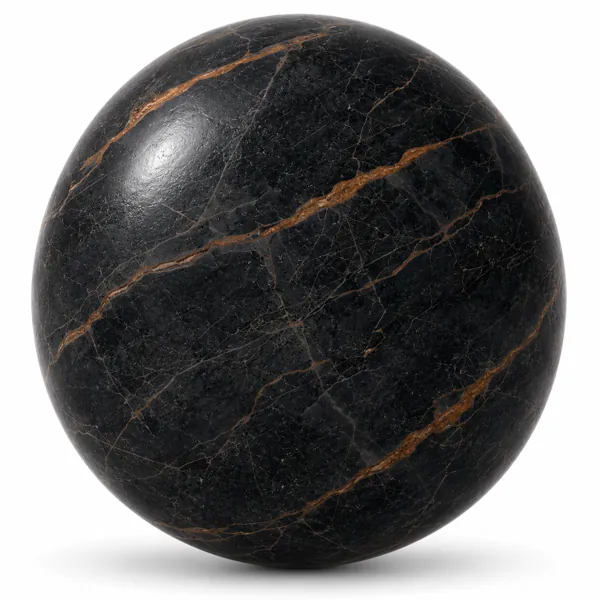
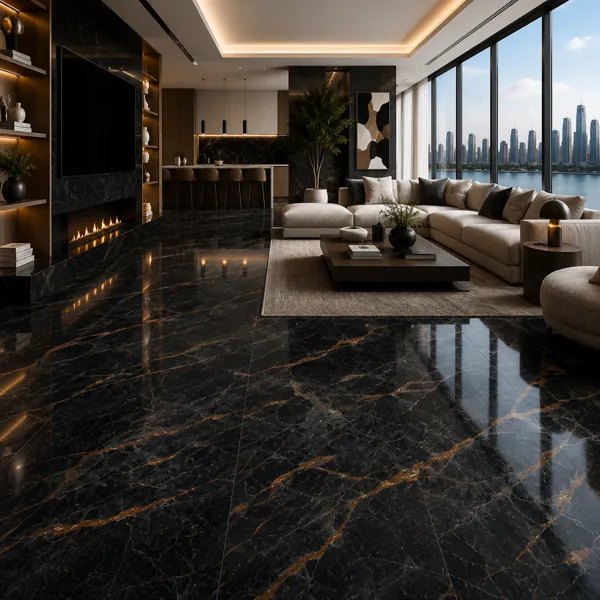
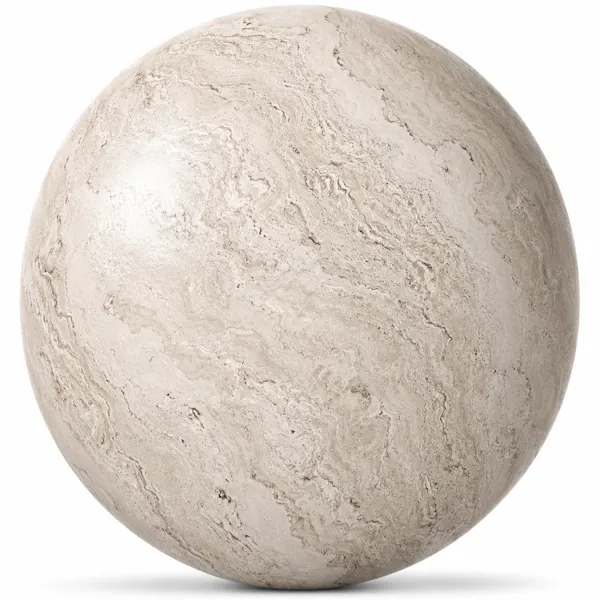
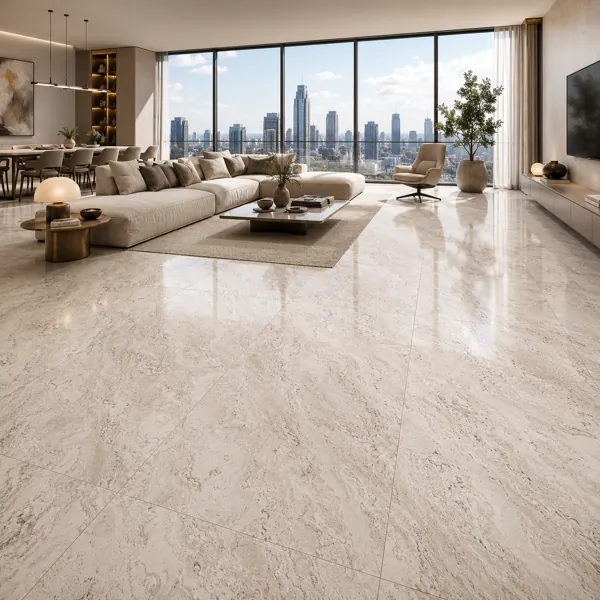
This ceramic texture presents a refined woven-inspired surface characterized by an intricate crosshatch pattern that resembles natural textile fibers. The design combines the visual warmth of fabric with the durability and clean aesthetic associated with ceramic finishes. Its appearance is calm, balanced, and contemporary, making it suitable for a wide variety of architectural and interior design applications. Rather than relying on bold veining or dramatic contrast, the texture achieves visual interest through subtle linear detail and a softly layered structure that creates depth without overwhelming surrounding design elements. Based on the visible image, the surface consists of a light beige foundation enriched with delicate horizontal and vertical threads that intersect across the material. This woven effect creates a fine-grain texture that resembles linen or natural fabric while maintaining the consistency expected from a ceramic finish. Gentle tonal variations introduce realism and help avoid a flat appearance. The texture appears smooth with a slight reflective quality that allows highlights to move naturally across the surface. The restrained color palette and understated patterning contribute to a timeless visual character that works effectively in both residential and commercial environments. The neutral appearance makes this ceramic texture suitable for living rooms, bedrooms, offices, hospitality projects, cafes, reception areas, and modern commercial spaces. Its soft visual texture can be applied to feature walls, decorative panels, flooring concepts, bathroom surfaces, and large-format ceramic installations. Because the pattern is subtle and evenly distributed, it integrates comfortably with natural wood, metal accents, stone surfaces, glass partitions, and contemporary furniture collections. Designers seeking a calm and cohesive material palette can use this texture to create continuity throughout an interior while still introducing visual richness and tactile character. Within architectural visualization and CGI workflows, textile-inspired ceramic materials are frequently selected to add realism and material diversity to scenes. This texture performs particularly well in photorealistic interior renderings where close-up camera views reveal its woven structure without creating distracting repetition. The balanced pattern density allows it to cover large surfaces while maintaining visual consistency. It can be used in residential marketing imagery, commercial visualization projects, hospitality presentations, showroom concepts, and digital staging environments. The material supports contemporary design narratives and helps create spaces that feel comfortable, natural, and visually layered. From an interior design perspective, the texture aligns naturally with modern, Scandinavian, minimalist, Japandi, and transitional aesthetics. Its fabric-like appearance softens architectural compositions and introduces a sense of comfort often associated with natural textiles. The light color palette contributes to brighter interiors and complements both warm and cool material schemes. Whether paired with wood furnishings, matte metals, stone surfaces, or neutral upholstery, the texture provides a versatile backdrop capable of supporting a broad range of design directions. For 3ds Max and Corona Renderer users, this ceramic texture offers realistic light interaction through its subtle surface variation and fine woven detailing. The texture responds naturally under daylight, studio illumination, and artificial interior lighting conditions. Its restrained contrast helps preserve material realism across multiple viewing distances, while the detailed micro-pattern contributes depth in close-range renders. These characteristics make it a practical choice for architectural visualization, interior CGI production, product staging, and professional rendering workflows requiring a contemporary ceramic material with a textile-inspired appearance.