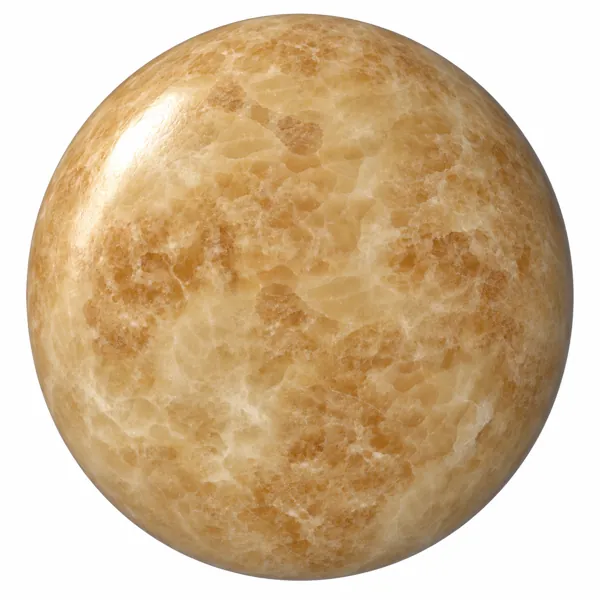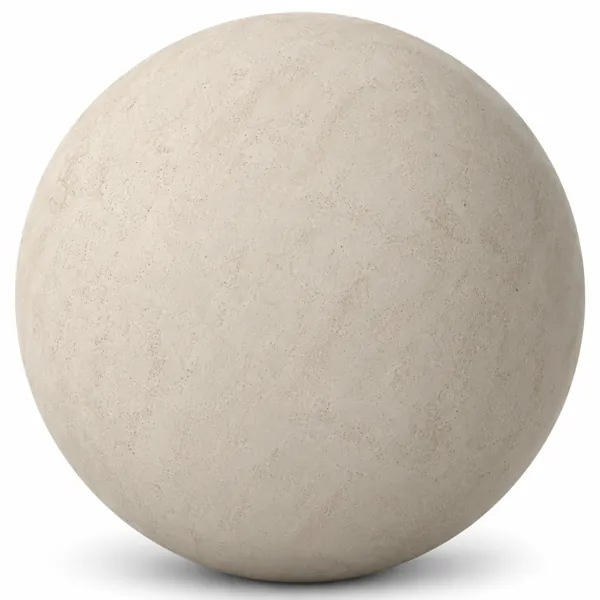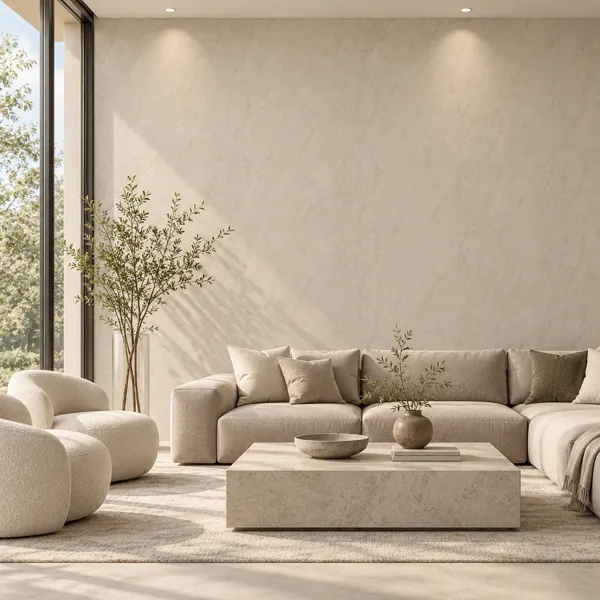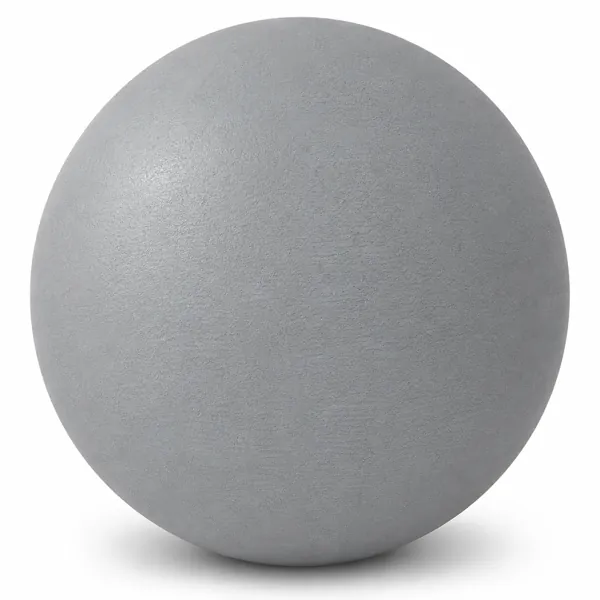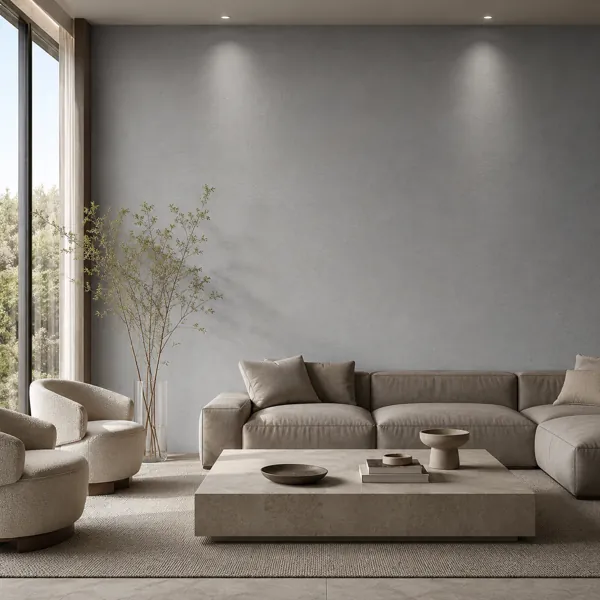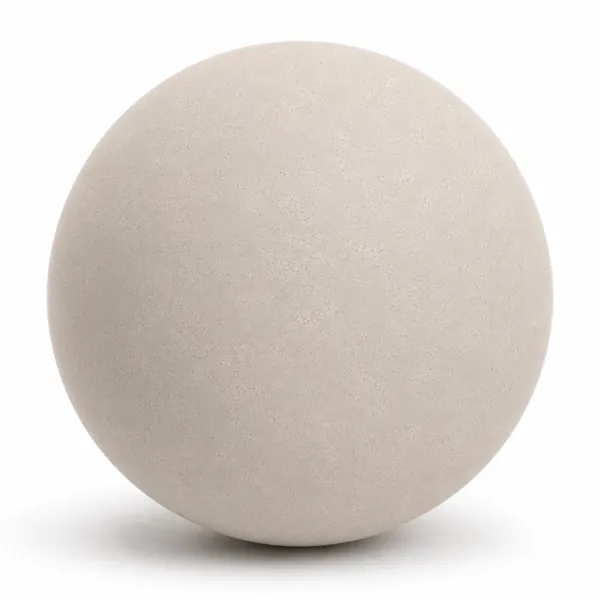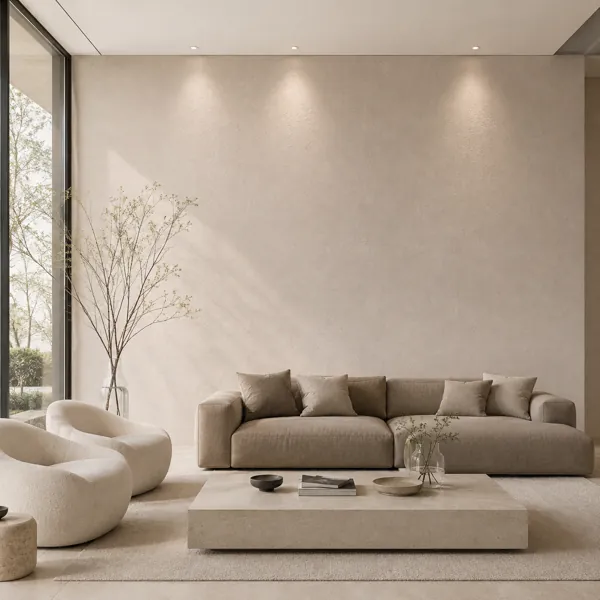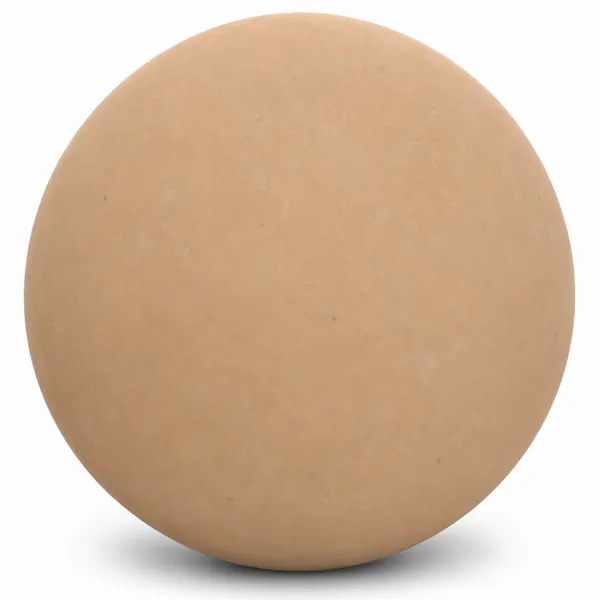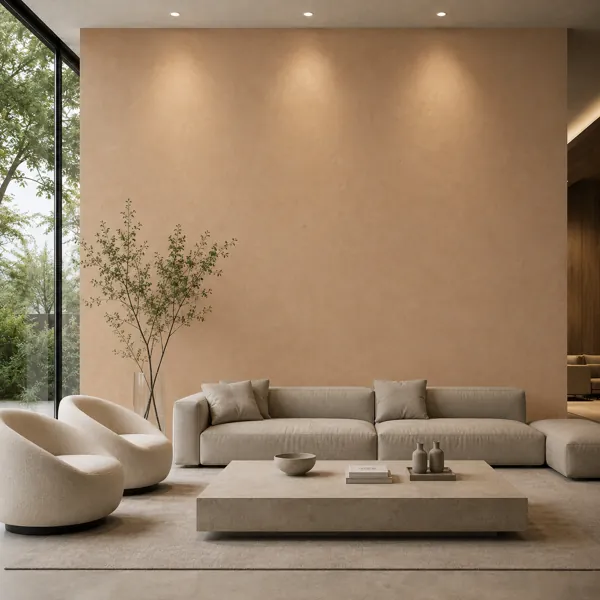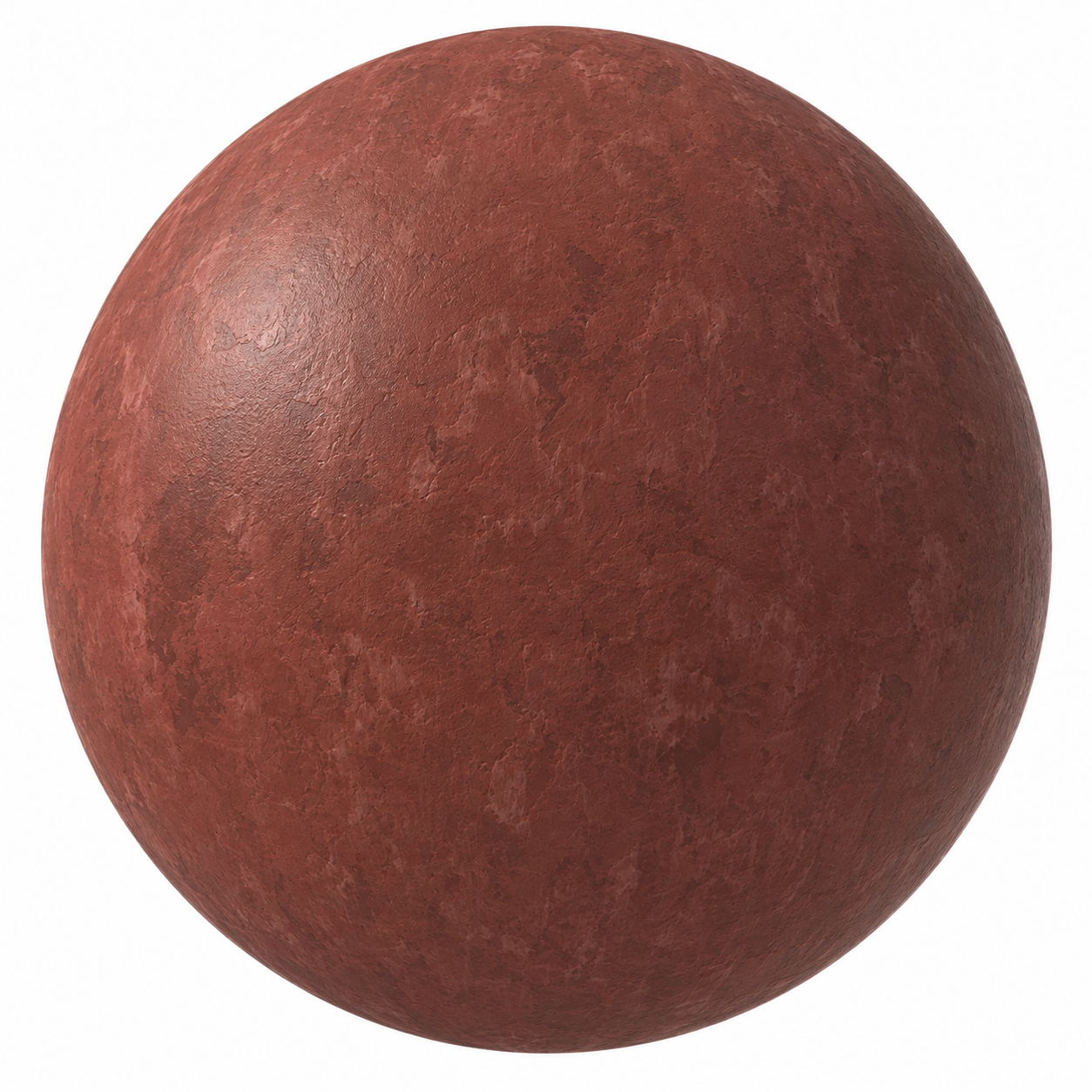
Deep Terracotta Mottled Plaster Texture
Plaster No. 00022
FREE
Specifications
- Brand
- Laruus
- Style
- Modern
- Material
- Plaster
- Suitable spaces
- Living Room, Bedroom, Office, Cafe, Commercial, Kitchen, Entrance
- Color
- RedBrown
- File types
- Albedo MapAlpha MapAO MapBump MapDiffuse Color MapEdge MapEmission MapHeight MapMetallic MapNormal MapPacked Texture MapRoughness Map
Deep Terracotta Mottled Plaster Texture - High Resolution Seamless PBR Textures
Description
Deep Terracotta Mottled Plaster Texture presents a warm red-brown architectural surface defined by irregular tonal layering, subtle trowel-like movement, and naturally varied plaster character. The visible finish combines deep terracotta coloration with softer cloudy patches and darker areas distributed organically across the surface. Rather than appearing uniformly painted, the material has a handcrafted visual rhythm created by overlapping marks and restrained tonal shifts. This makes it particularly suitable for modern interiors where a feature wall needs warmth, depth, and visual interest without relying on decorative patterns or pronounced geometric elements.
The plaster surface shows fine-scale variation throughout its structure. Broad mottled areas are accompanied by smaller marks, faint linear traces, and delicate surface irregularities that give the material a tactile appearance. Its red base moves toward earthy brown in some areas, while lighter terracotta accents create subtle contrast without changing the overall identity of the finish. The visual scale remains appropriate for architectural applications, with no oversized aggregate, stone particles, or strong veining visible in the reference. These characteristics help distinguish the texture from polished stone, marble, concrete, or terrazzo while retaining the imperfect character associated with hand-applied decorative plaster.
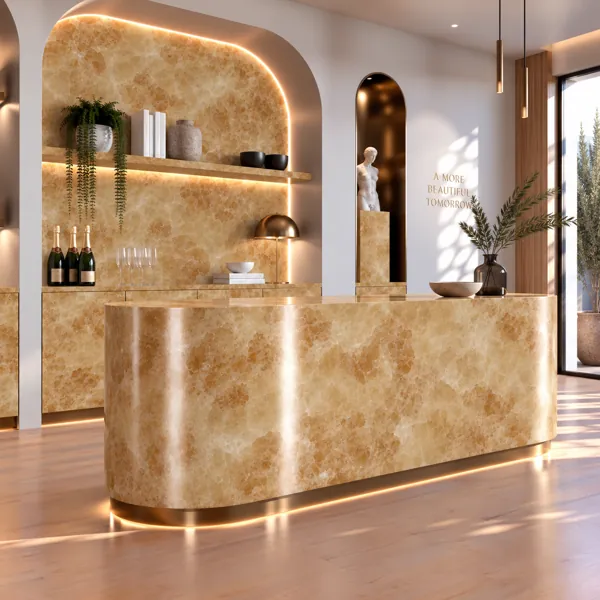
In interior design, this deep terracotta plaster texture can work effectively across Living Room, Bedroom, Office, Cafe, Commercial, Kitchen, and Entrance settings. It is especially relevant for feature walls, reception areas, fireplace surrounds, dining backdrops, hospitality interiors, and restrained accent surfaces. Warm neutral furniture, dark metal, natural wood, beige fabrics, stone flooring, and muted ceramics can complement its earthy coloration. Because the surface already contains substantial natural tonal movement, it can provide a focal point without requiring additional wall decoration, allowing designers to build layered contemporary spaces around the material itself.
For architectural visualization and CGI workflows, the texture offers a recognizable surface identity that can help large wall areas avoid an overly flat or digitally uniform appearance. In 3D's Max projects, it can be considered for close and medium-distance architectural views where subtle mottling and plaster irregularity contribute to material realism. The supplied map set includes Albedo Map, Alpha Map, AO Map, Bump Map, Diffuse Color Map, Edge Map, Emission Map, Height Map, Metallic Map, Normal Map, Packed Texture Map, and Roughness Map, providing multiple texture channels for integration into compatible PBR material workflows. Map usage should be adjusted according to the renderer and the requirements of the specific scene.
Within contemporary interiors, the terracotta-red tone can introduce an earthy counterpoint to restrained palettes of cream, beige, grey, charcoal, and natural timber. It can also support Mediterranean-inspired, warm minimalist, organic modern, and material-focused compositions while remaining visually appropriate for broader modern design concepts. Soft daylight can reveal the cloudy tonal transitions, while controlled grazing illumination can emphasize the finer surface marks. Keeping surrounding materials quieter allows the mottled plaster finish to remain visually prominent without making the overall room feel excessively decorative.
For rendering, material scale and tonal balance should remain consistent with the reference appearance. Excessive bump or displacement could make the subtle plaster marks appear unnaturally deep, while excessive gloss could suppress the dry, mineral-like character visible in the surface. Lighting should preserve the deep terracotta and red-brown relationship rather than pushing the finish toward bright orange or burgundy. When mapped across broad architectural surfaces, careful UV placement and appropriate texture scaling can help maintain believable proportions and reduce distracting repetition. The result is a distinctive plaster surface suited to material studies, interior CGI, architectural visualization, and detailed modern environment design.
Frequently asked questions
Is this texture free?
Yes. You can download it with a free Laruus account. Free textures are limited to 5 downloads per day.
Which software can I use this texture in?
The maps are standard image files, so they work in any renderer with PBR materials, such as Corona or V-Ray in 3ds Max, Blender, SketchUp with V-Ray or Enscape, and Unreal Engine.
What do I get when I download it?
A 54.2 MB download. It was added to Laruus on August 31, 2026.
Which spaces is it suitable for?
It suits Living Room, Bedroom, Office, Cafe, Commercial, Kitchen, and Entrance projects. Style: Modern.