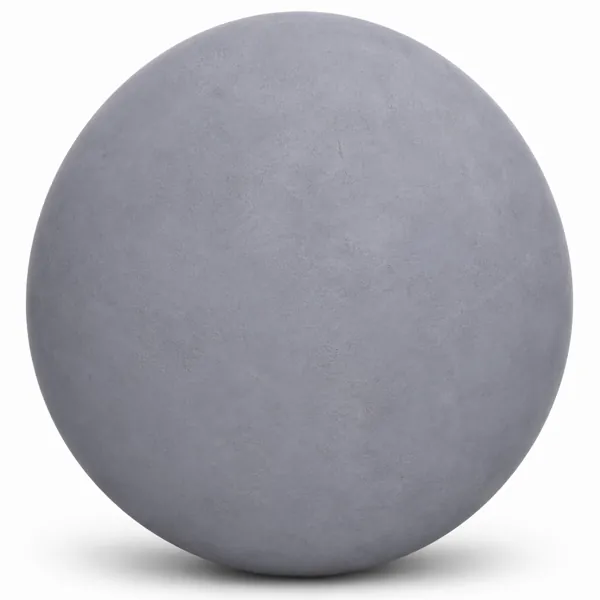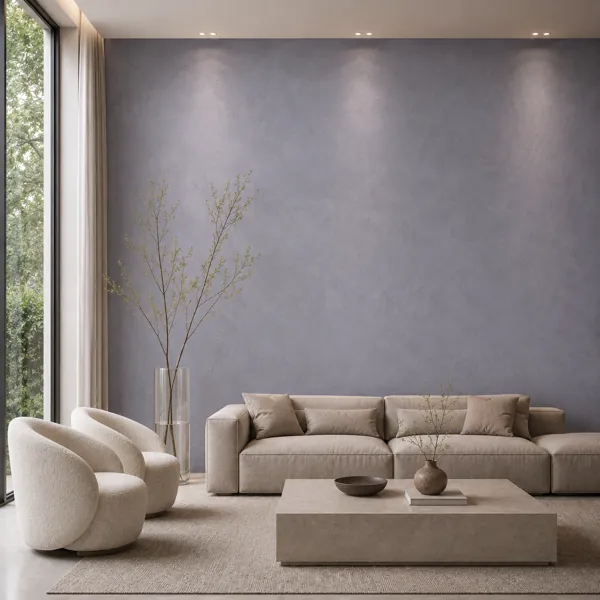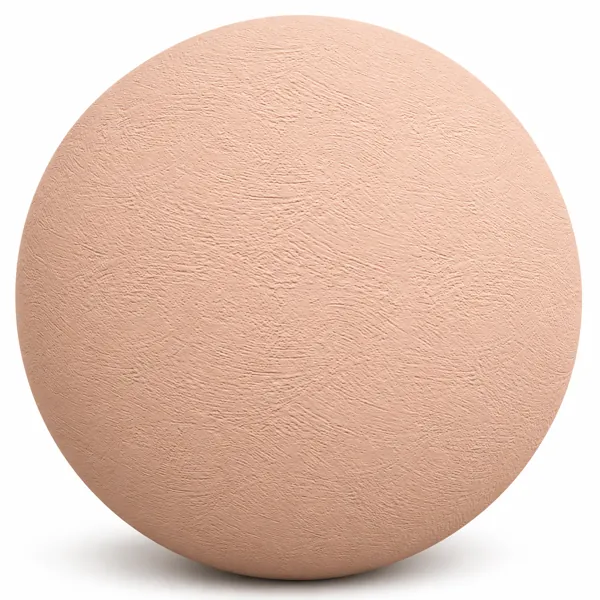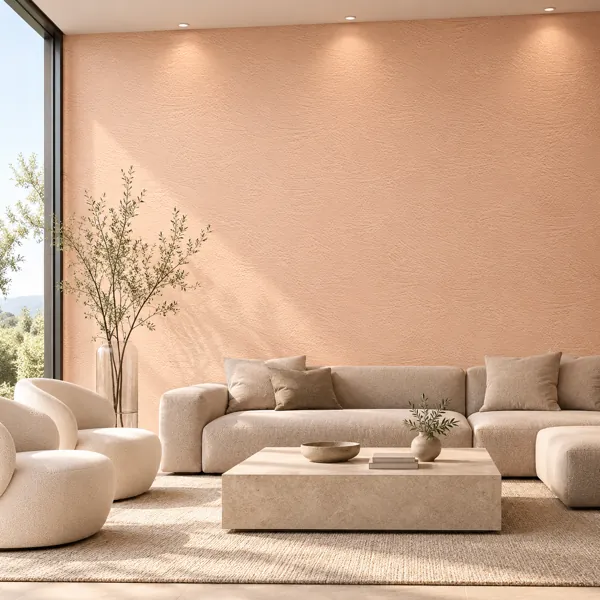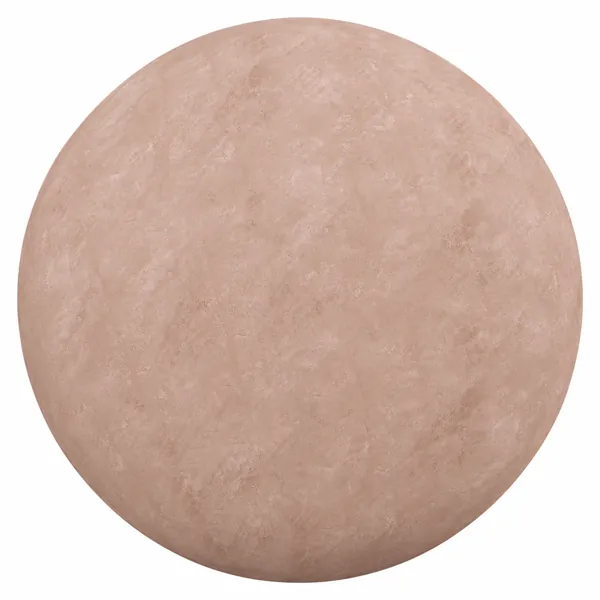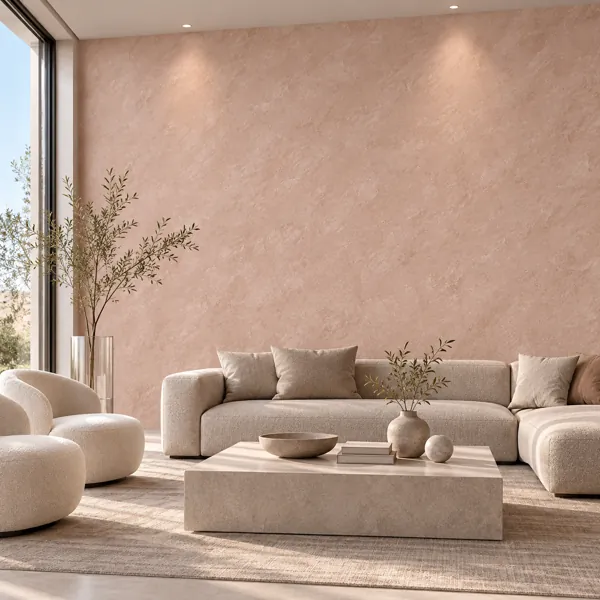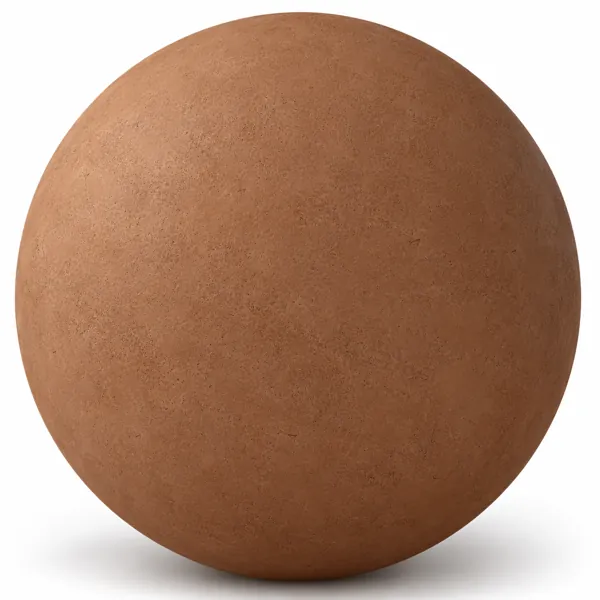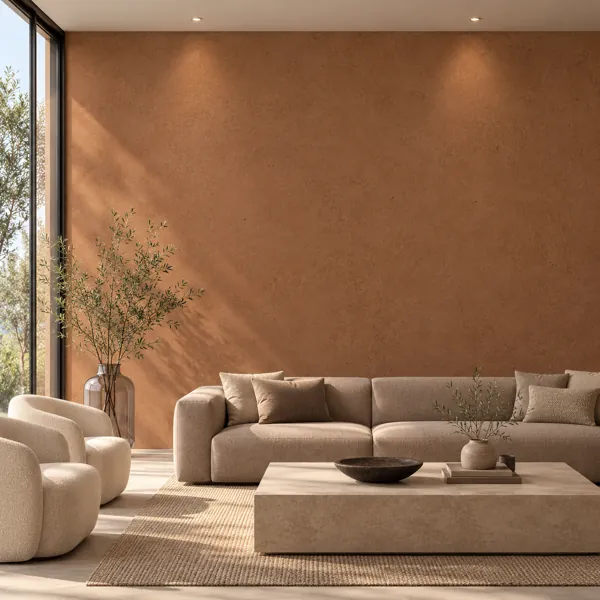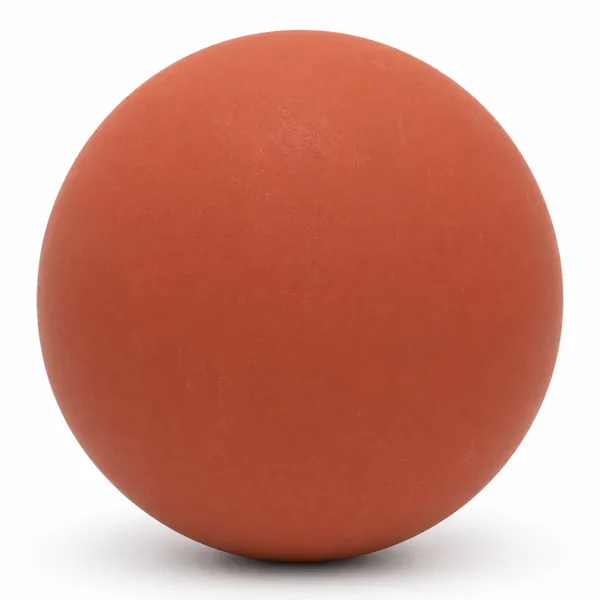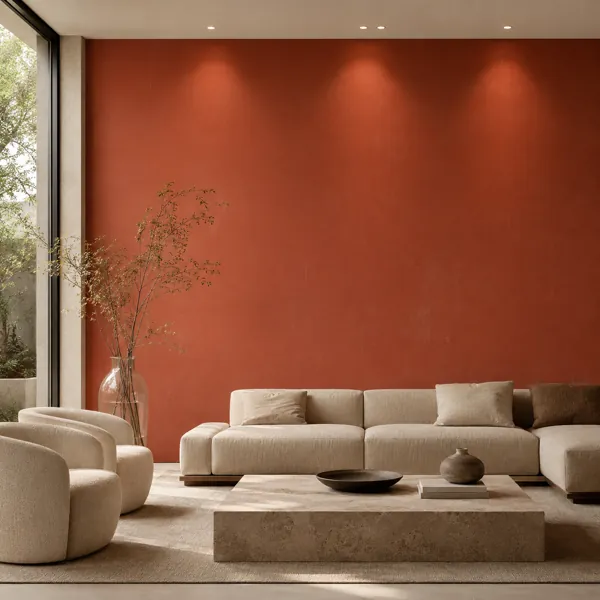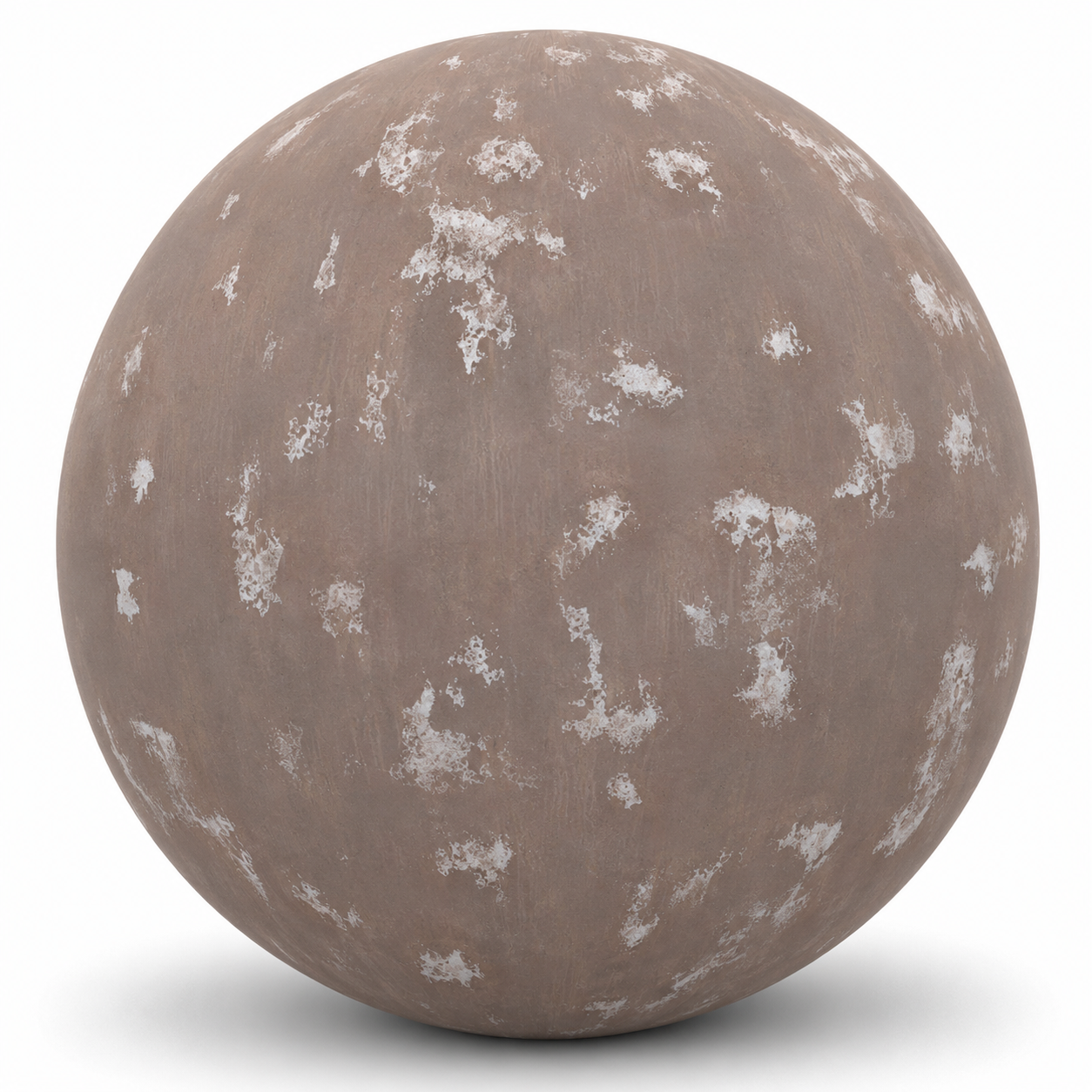
Dusty Taupe White Patina Plaster Texture
Plaster No. 00049
FREE
Specifications
- Brand
- Laruus
- Style
- Modern
- Material
- Plaster
- Suitable spaces
- Living Room, Bedroom, Office, Cafe, Commercial, Kitchen, Entrance
- Color
- BrownWhiteGray
- File types
- Albedo MapAlpha MapAO MapBump MapDiffuse Color MapEdge MapEmission MapHeight MapMetallic MapNormal MapPacked Texture MapRoughness Map
Dusty Taupe White Patina Plaster Texture - High Resolution Seamless PBR Textures
Description
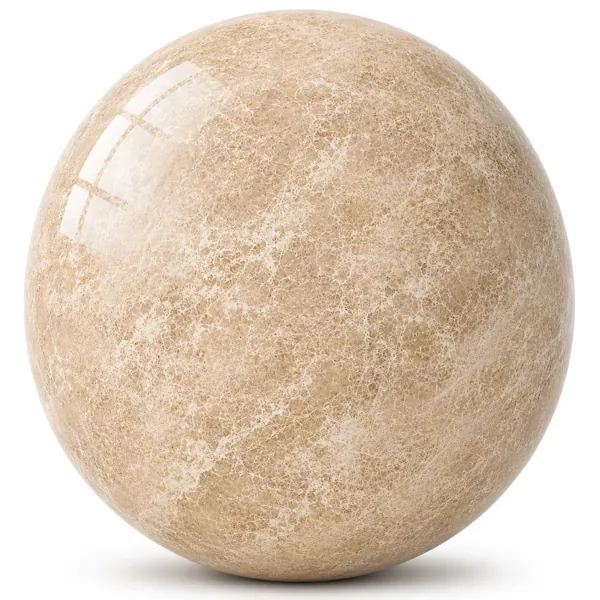
Dusty Taupe White Patina Plaster Texture presents a muted taupe-brown plaster surface distinguished by scattered white patina marks and softly weathered tonal variation. The visible finish combines a calm earthy base with irregular pale patches that appear naturally distributed rather than arranged into a repeating decorative pattern. Fine vertical and cloudy traces remain visible beneath the brighter areas, giving the surface an aged, handcrafted character while retaining a restrained modern appearance. Its neutral brown-grey palette makes the texture suitable for contemporary interiors where walls need more visual depth than a uniform painted finish without introducing strong stone veining or geometric motifs.
The surface character is defined primarily by plaster, with subtle changes in tone and numerous irregular white areas varying in shape, scale and density. Some marks are compact and softly feathered, while others form fragmented clusters with rough edges. The taupe background itself is not completely flat; gentle mottling and faint application traces create additional variation across the material. These details can help communicate the appearance of layered plaster, worn lime-like residue or decorative patina in close and medium-distance views. Because the visible pattern includes both broad quiet areas and smaller contrasting accents, the material can remain readable across architectural wall surfaces without appearing excessively busy.
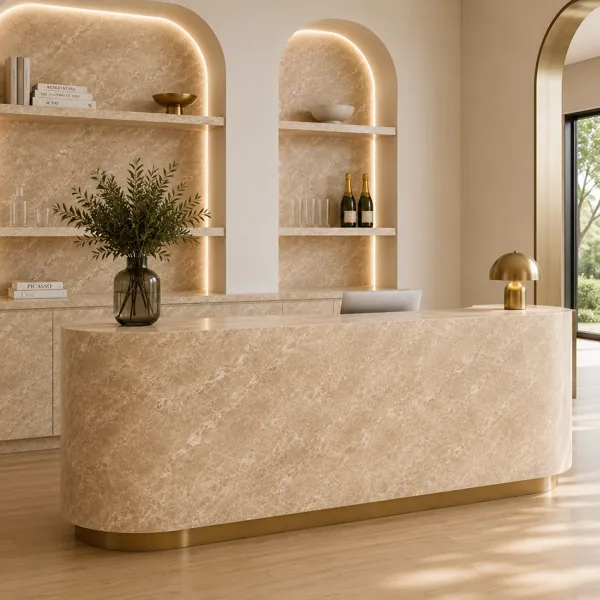
This plaster texture can work effectively in Living Room, Bedroom, Office, Cafe, Commercial, Kitchen and Entrance environments. It is particularly appropriate for feature walls, reception backgrounds, hospitality interiors, boutique spaces, studio settings and residential areas that use earthy or desaturated palettes. The dusty taupe base pairs naturally with warm wood, beige textiles, dark metal, muted stone, ceramic objects and soft neutral upholstery. White patina accents can also create a visual connection with pale furnishings or architectural details, allowing designers to build coordinated interiors while keeping the wall itself expressive.
For archviz and CGI workflows, the texture offers a distinctive alternative to plain plaster, polished stone or conventional concrete surfaces. It can be mapped onto walls and other broad architectural planes where the irregular coloration remains clearly visible. In 3ds Max or comparable 3D workflows, careful UV scale is important so the white patina marks maintain believable proportions relative to the architecture. The material can support residential visualizations, commercial concepts, virtual staging, interior design presentations and material studies where a naturally imperfect plaster finish is required.
Within contemporary interior design, this dusty taupe plaster works especially well with minimalist, organic modern and understated industrial compositions. Its weathered visual language can soften precise architectural geometry, while the restrained base color prevents the surface from overwhelming furniture and lighting. Large uninterrupted walls allow the scattered pale marks to become a recognizable design feature, whereas smaller applications can provide localized texture behind furniture, counters or decorative objects. Directional or grazing light can reveal the fine tonal transitions and surface character while maintaining the material's matte visual identity.
The supplied texture set includes Albedo Map, Alpha Map, AO Map, Bump Map, Diffuse Color Map, Edge Map, Emission Map, Height Map, Metallic Map, Normal Map, Packed Texture Map and Roughness Map. These map types provide options for constructing a PBR-oriented material workflow according to the target renderer and scene requirements. Final roughness, bump strength, mapping scale and lighting should be adjusted to the specific visualization rather than exaggerated, preserving the subtle plaster character visible in the reference. This makes the texture useful for detailed material studies, close architectural views and broader interior scenes where a dusty taupe surface with irregular white patina is the intended visual focus.
Frequently asked questions
Is this texture free?
Yes. You can download it with a free Laruus account. Free textures are limited to 5 downloads per day.
Which software can I use this texture in?
The maps are standard image files, so they work in any renderer with PBR materials, such as Corona or V-Ray in 3ds Max, Blender, SketchUp with V-Ray or Enscape, and Unreal Engine.
What do I get when I download it?
A 55.7 MB download. It was added to Laruus on August 31, 2026.
Which spaces is it suitable for?
It suits Living Room, Bedroom, Office, Cafe, Commercial, Kitchen, and Entrance projects. Style: Modern.