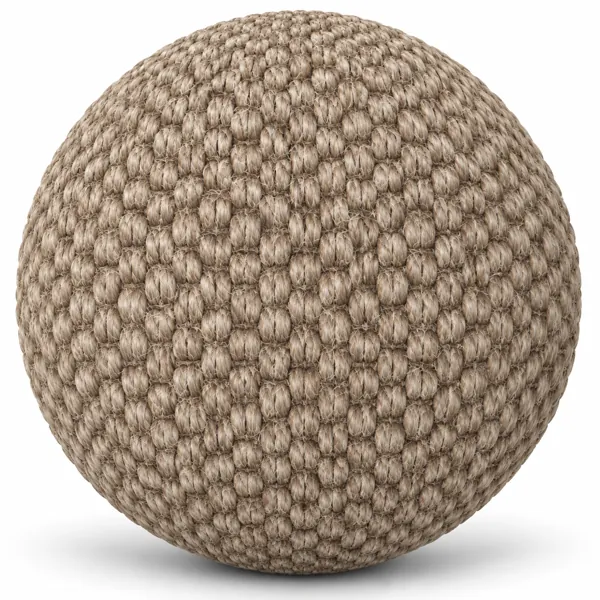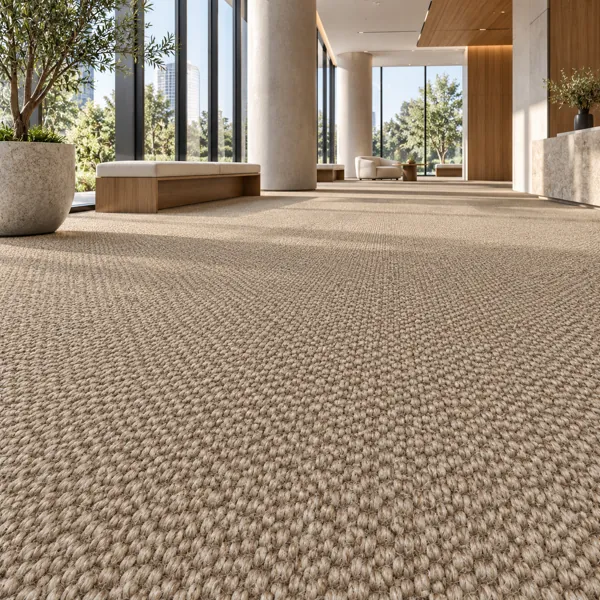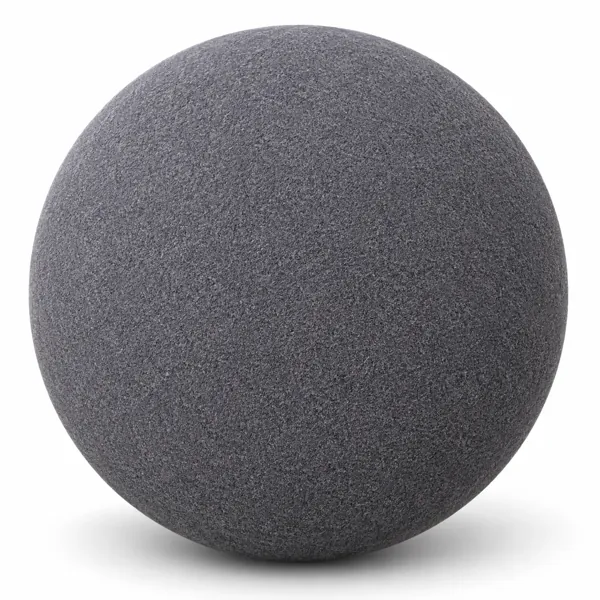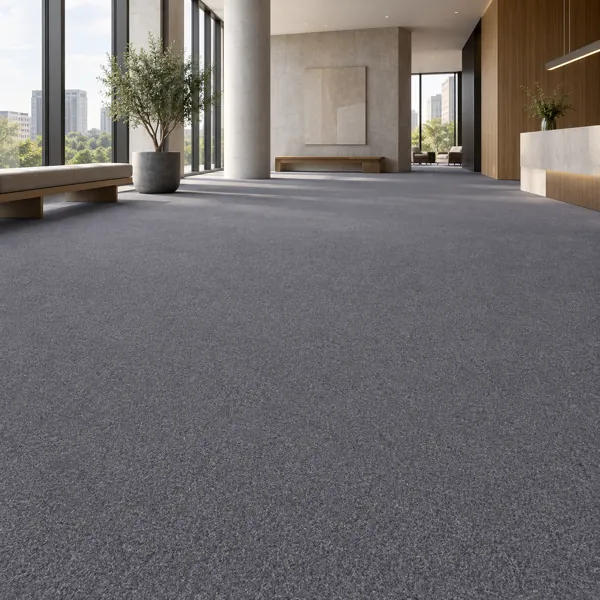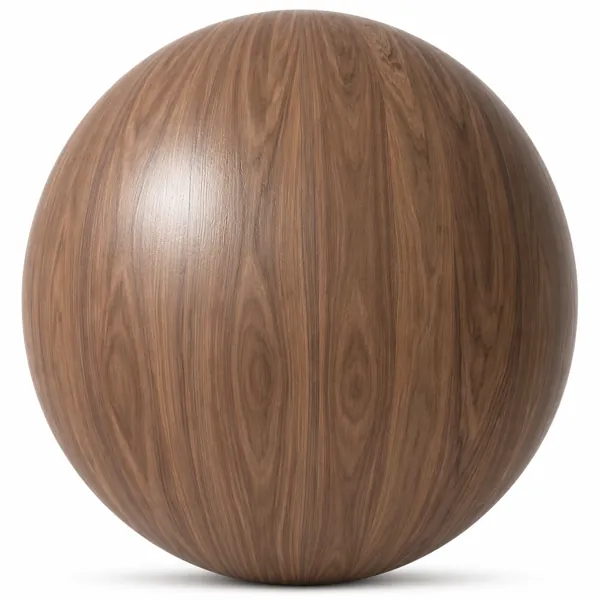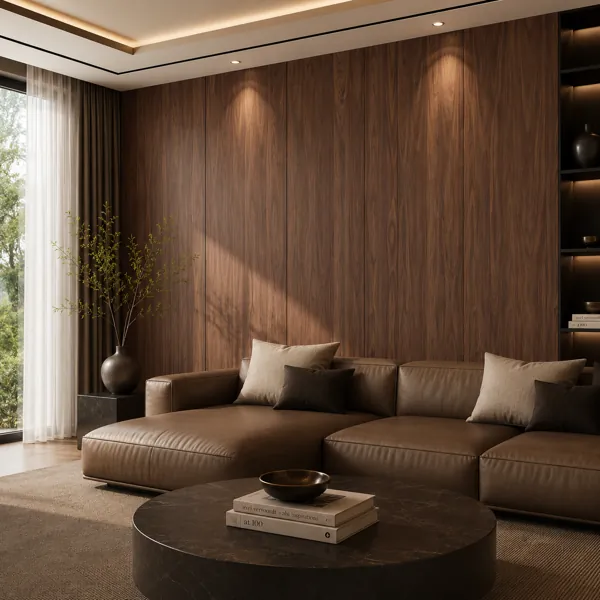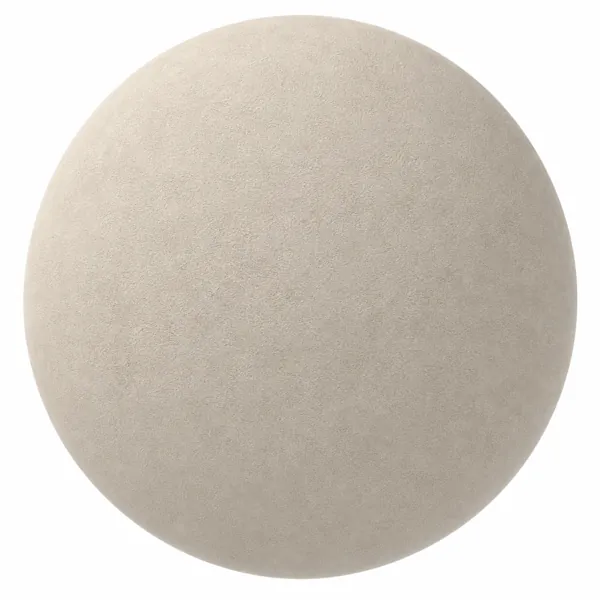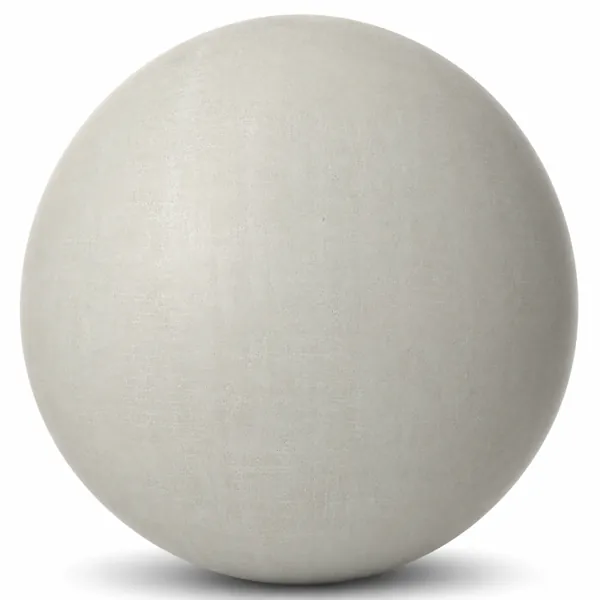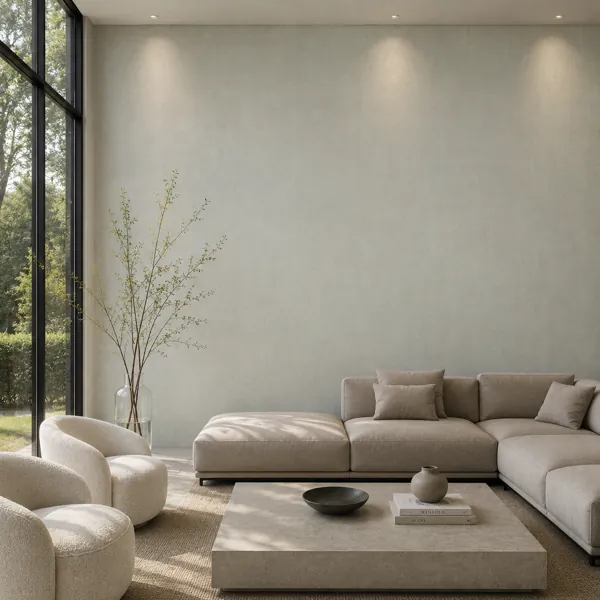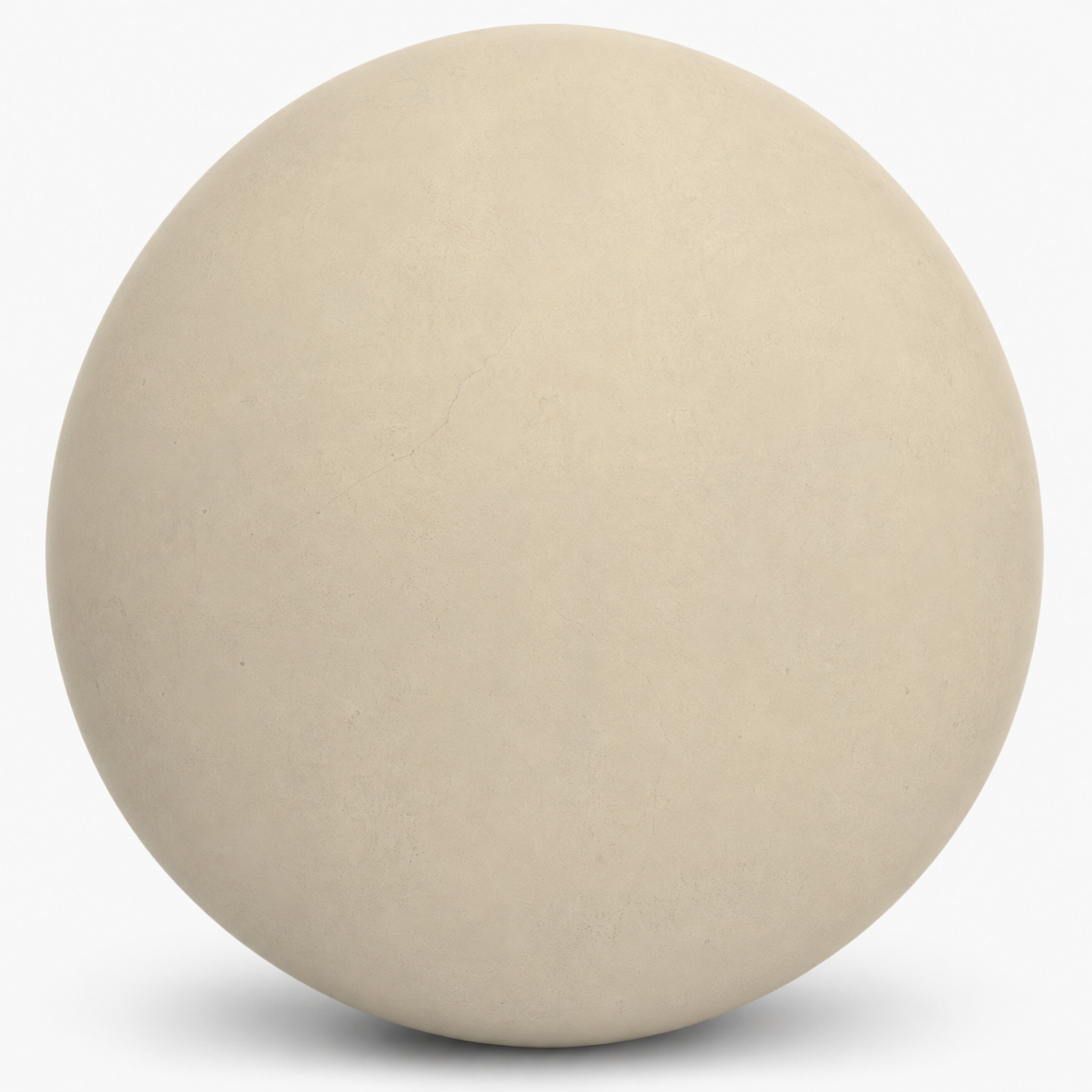
Warm Ivory Fine Grain Plaster Texture
Plaster No. 00029
FREE
Specifications
- Brand
- Laruus
- Style
- Modern
- Material
- Plaster
- Suitable spaces
- Living Room, Bedroom, Office, Cafe, Commercial, Kitchen, Entrance, Childroom
- Color
- Beige
- File types
- Albedo MapAlpha MapAO MapBump MapDiffuse Color MapEdge MapEmission MapHeight MapMetallic MapNormal MapPacked Texture MapRoughness Map
Warm Ivory Fine Grain Plaster Texture - High Resolution Seamless PBR Textures
Description
Warm Ivory Fine Grain Plaster Texture presents a softly aged plaster surface defined by a light warm ivory-beige tone, restrained tonal variation and delicate natural imperfections. The visible finish is matte and understated, with fine granular detail distributed across the surface rather than a strong directional pattern. Faint hairline marks, subtle cloudy areas and occasional tiny darker traces give the material a believable handcrafted character without making it visually busy. Its quiet appearance makes it suitable for modern interiors where the wall finish needs texture and depth while remaining calm enough to support furniture, lighting and architectural elements.
The surface structure is primarily characterized by very fine plaster grain and gentle irregularity. There are no pronounced stone veins, large aggregate particles or deep relief features visible in the reference. Instead, the texture relies on small-scale variations that can respond naturally to grazing light and close architectural views. The warm ivory coloration stays within a narrow tonal range, helping large mapped surfaces feel cohesive. Because the visible details are subtle, maintaining an appropriate real-world mapping scale is important: enlarging the fine marks excessively could change the intended plaster character, while balanced scaling preserves the restrained material language shown in the preview.
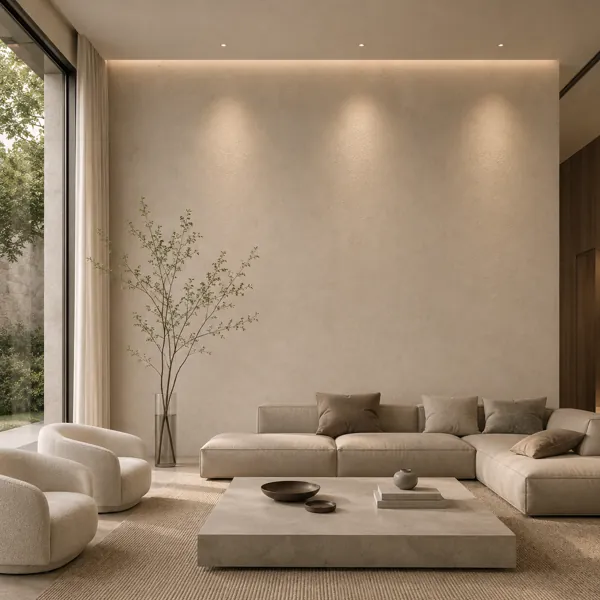
This warm ivory plaster texture can work across Living Room, Bedroom, Office, Cafe, Commercial, Kitchen, Entrance and Childroom environments. It is particularly appropriate for feature walls, broad uninterrupted wall planes, niches, reception areas, corridors and minimalist architectural backgrounds. In residential scenes, the neutral beige base pairs naturally with warm wood, cream fabric, muted stone, black metal and softly colored furniture. For commercial visualization, it can support boutique, hospitality, workspace and retail concepts where a subtle mineral-style wall finish is preferred over a perfectly flat painted surface. Its low visual contrast also allows decorative objects and furnishings to remain readable in the composition.
Within archviz and CGI workflows, the material is useful for creating believable wall surfaces that require more visual information than a uniform color but less movement than heavily weathered plaster or concrete. The supplied map set includes Albedo Map, Alpha Map, AO Map, Bump Map, Diffuse Color Map, Edge Map, Emission Map, Height Map, Metallic Map, Normal Map, Packed Texture Map and Roughness Map. These technical resources can be incorporated according to the requirements of the chosen material setup and rendering workflow. The fine surface information is especially relevant in close-ups, interior camera angles and lighting conditions where subtle roughness and micro-detail contribute to realism.
From an interior design perspective, the warm ivory tone supports contemporary, minimalist and softly organic palettes without introducing a dominant color statement. It can serve as a neutral architectural backdrop behind low-profile sofas, beds, desks, cabinetry or display furniture. Natural daylight can emphasize the gentle tonal shifts, while recessed or grazing artificial light can make the fine grain more perceptible. The material is visually adaptable enough for expansive walls yet contains sufficient irregularity to avoid the sterile appearance associated with completely uniform digital surfaces.
For rendering, preserve the texture's restrained contrast, pale warm-beige color and fine-scale imperfections rather than exaggerating bump or displacement. The reference shows a predominantly matte plaster response, so overly glossy reflections would alter its visual identity. Careful UV mapping and consistent scale are recommended when applying the texture to large architectural surfaces, especially where walls continue across wide camera views. When integrated with physically based shading, realistic lighting and appropriate surface scale, this plaster texture provides a convincing foundation for modern interior visualization, material studies, architectural CGI and detailed close-range renders.
Frequently asked questions
Is this texture free?
Yes. You can download it with a free Laruus account. Free textures are limited to 5 downloads per day.
Which software can I use this texture in?
The maps are standard image files, so they work in any renderer with PBR materials, such as Corona or V-Ray in 3ds Max, Blender, SketchUp with V-Ray or Enscape, and Unreal Engine.
What do I get when I download it?
A 50.5 MB download. It was added to Laruus on August 31, 2026.
Which spaces is it suitable for?
It suits Living Room, Bedroom, Office, Cafe, Commercial, Kitchen, Entrance, and Childroom projects. Style: Modern.