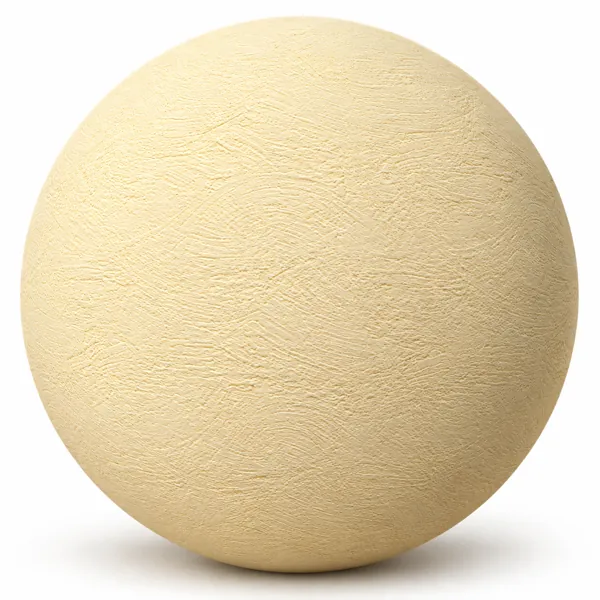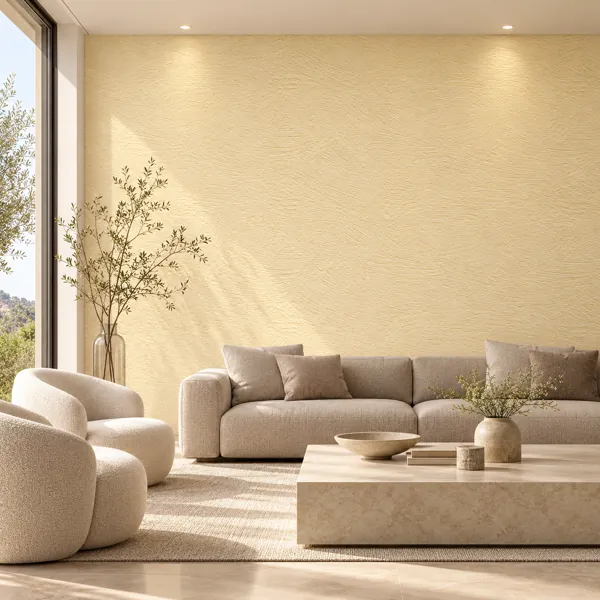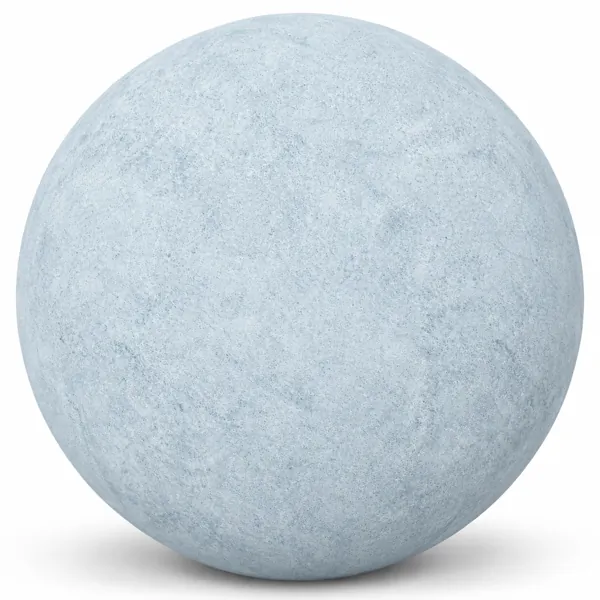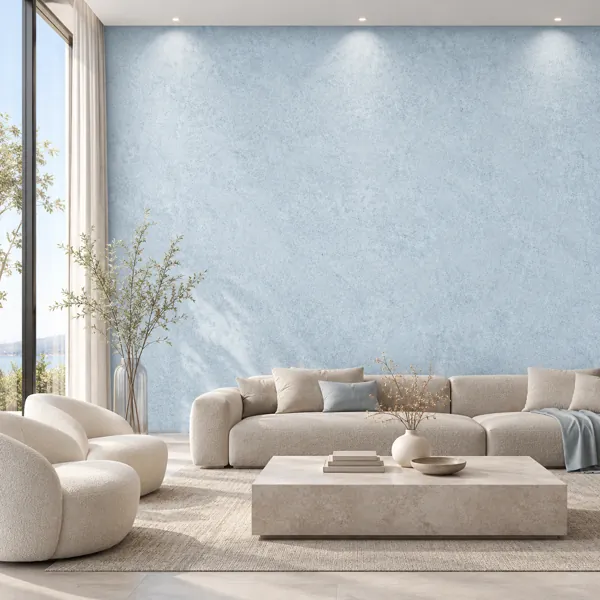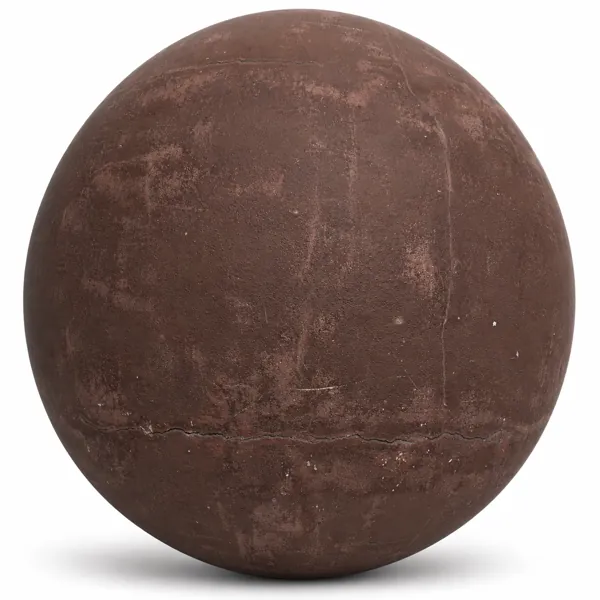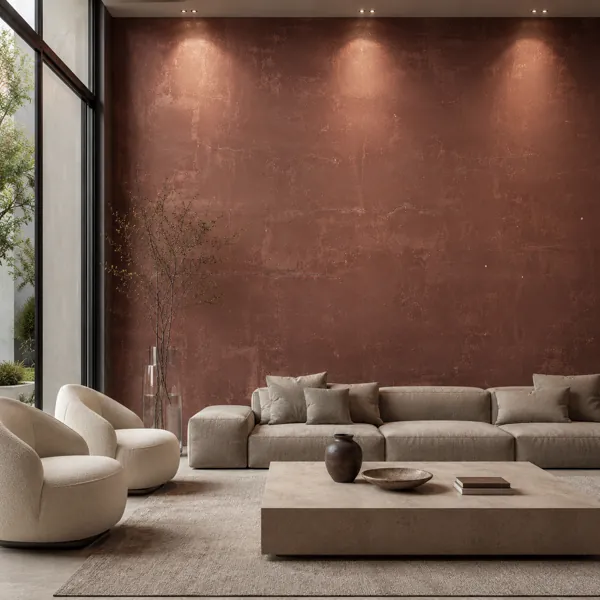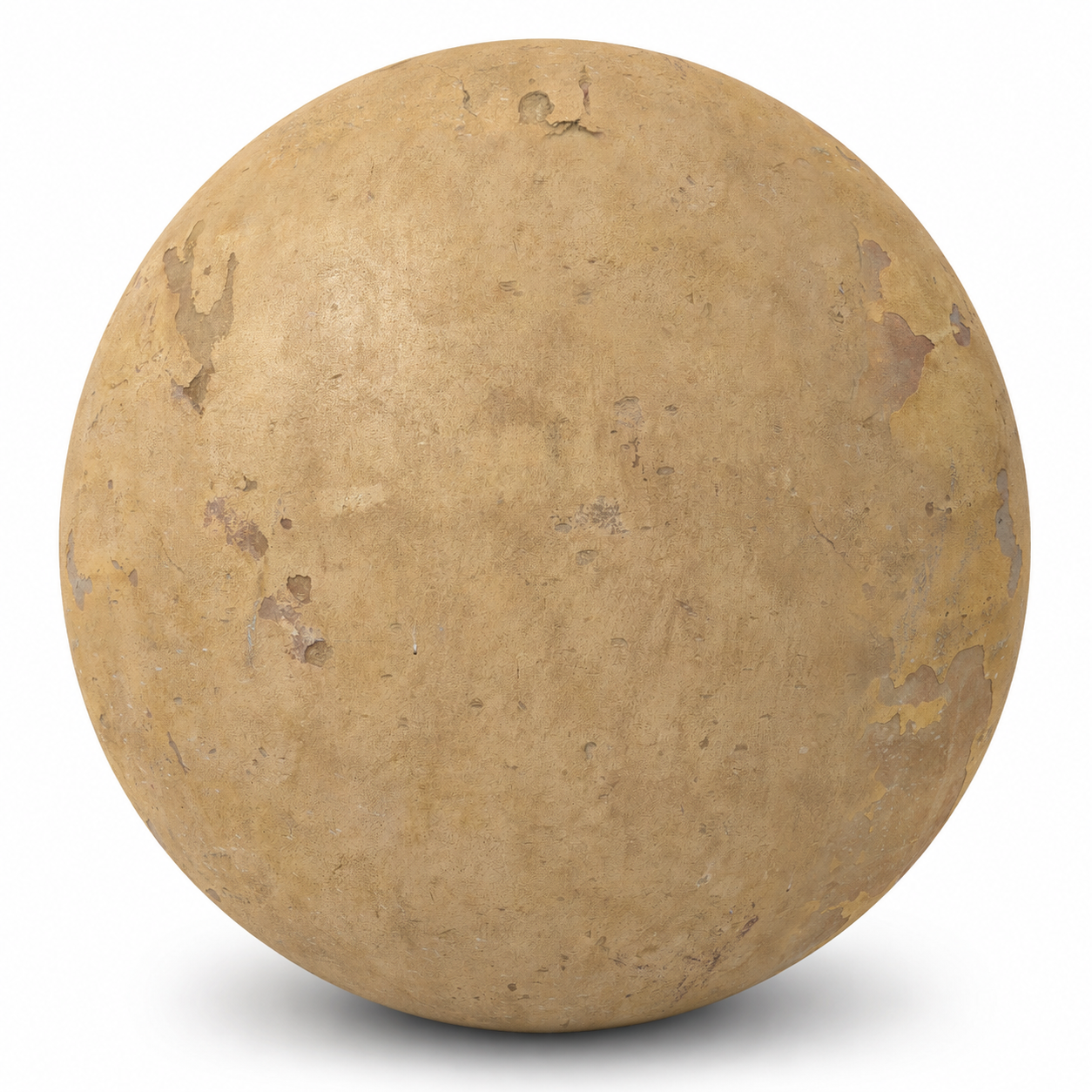
Warm Ochre Beige Peeling Weathered Plaster Texture
Plaster No. 00045
FREE
Specifications
- Brand
- Laruus
- Style
- Modern
- Material
- Plaster
- Suitable spaces
- Living Room, Bedroom, Office, Cafe, Commercial, Kitchen, Entrance
- Color
- BeigeBrownYellowGray
- File types
- Albedo MapAlpha MapAO MapBump MapDiffuse Color MapEdge MapEmission MapHeight MapMetallic MapNormal MapPacked Texture MapRoughness Map
Warm Ochre Beige Peeling Weathered Plaster Texture - High Resolution Seamless PBR Textures
Description
Warm Ochre Beige Peeling Weathered Plaster Texture features a sun-warmed beige and ochre surface distinguished by scattered peeling patches, faded brown marks and naturally irregular signs of age. The visual character combines a softly mottled plaster base with areas where the upper finish appears worn away, revealing muted brown and grey-beige tones beneath. Fine scratches, tiny speckles, faint hairline marks and uneven discoloration enrich the surface without creating an overly dramatic pattern. Its aged appearance makes the material particularly recognizable compared with cleaner plaster finishes while retaining a restrained, earthy architectural character.
The surface is dominated by warm beige and muted yellow-ochre tones, accompanied by brown exposed areas and occasional grey details. Larger weathered patches are concentrated irregularly rather than forming a uniform repeat, while smaller abrasions and scattered marks create additional variation across the material. Fine granular texture remains visible between the more pronounced worn areas. When mapped to architectural surfaces, maintaining a realistic texture scale is important because the peeling sections act as clear visual reference points. Excessively enlarged mapping could make these details appear unnatural, while an appropriate scale preserves the believable relationship between the fine plaster grain and broader areas of surface wear.
This weathered plaster texture can be used in living rooms, bedrooms, offices, cafes, commercial spaces, kitchens and entrance areas where an aged warm-toned wall finish supports the design concept. It is especially suitable for feature walls, hospitality interiors, atmospheric retail spaces and contemporary environments that combine modern furniture with timeworn architectural surfaces. The ochre beige palette works naturally with dark wood, neutral fabrics, aged metal, stone and warm grey furnishings. Because the material contains both subtle discoloration and more visible peeling sections, it can create a focal surface without requiring additional decorative patterns or wall treatments.
For architectural visualization and CGI workflows, the texture provides a detailed foundation for constructing weathered plaster materials in 3ds Max and other compatible visualization environments. The supplied files include Albedo Map, Alpha Map, AO Map, Bump Map, Diffuse Color Map, Edge Map, Emission Map, Height Map, Metallic Map, Normal Map, Packed Texture Map and Roughness Map. These maps can be incorporated according to the requirements of the selected PBR material workflow and renderer. Careful UV mapping is particularly relevant on large walls so the recognizable peeling patches, fine scratches and tonal variations remain correctly proportioned and visually coherent across the rendered surface.
In interior visualization, soft daylight can reveal the warm ochre base while preserving the distinction between intact plaster and the muted brown exposed patches. Gentle grazing illumination can emphasize small surface irregularities, whereas neutral lighting helps prevent the beige-yellow coloration from becoming excessively orange. The material can complement minimalist furniture by introducing controlled visual age and texture into otherwise restrained spaces. Close-up views can highlight the finer granular character, while wider architectural compositions allow the irregular peeling pattern and cloudy tonal transitions to define the wall from a distance.
For final PBR material preparation, Bump Map, Normal Map, Height Map and Roughness Map settings should be balanced according to camera distance, scene scale and the chosen renderer. The visible peeling areas suggest surface variation, but displacement should remain controlled so the finish does not become excessively deep or rocky. Accurate UV mapping and physically plausible shading help maintain the relationship between the matte plaster base, worn patches and fine imperfections. With restrained surface depth and realistic illumination, this warm weathered plaster texture can retain its distinctive ochre beige identity across contemporary archviz, material studies and detailed CGI wall applications.
Frequently asked questions
Is this texture free?
Yes. You can download it with a free Laruus account. Free textures are limited to 5 downloads per day.
Which software can I use this texture in?
The maps are standard image files, so they work in any renderer with PBR materials, such as Corona or V-Ray in 3ds Max, Blender, SketchUp with V-Ray or Enscape, and Unreal Engine.
What do I get when I download it?
A 64.2 MB download. It was added to Laruus on August 31, 2026.
Which spaces is it suitable for?
It suits Living Room, Bedroom, Office, Cafe, Commercial, Kitchen, and Entrance projects. Style: Modern.