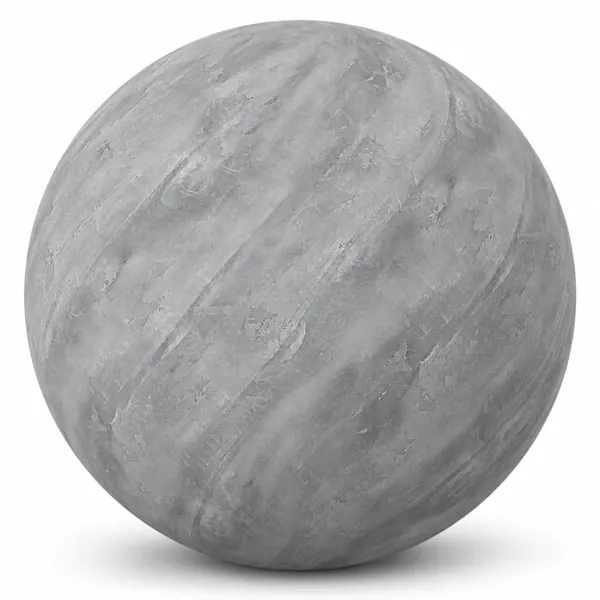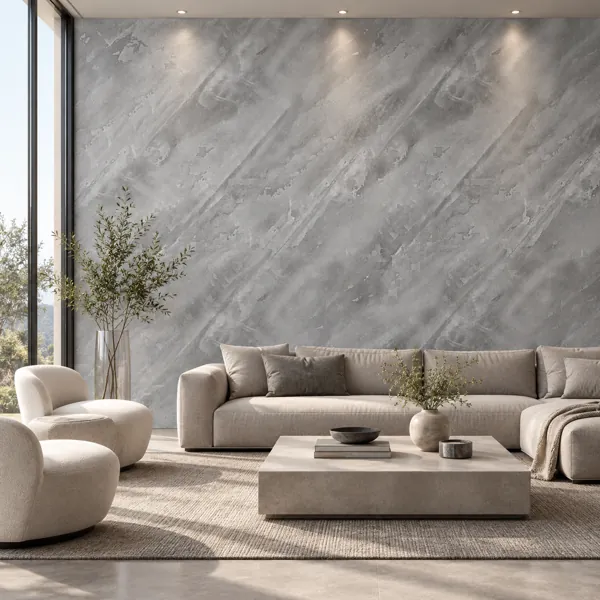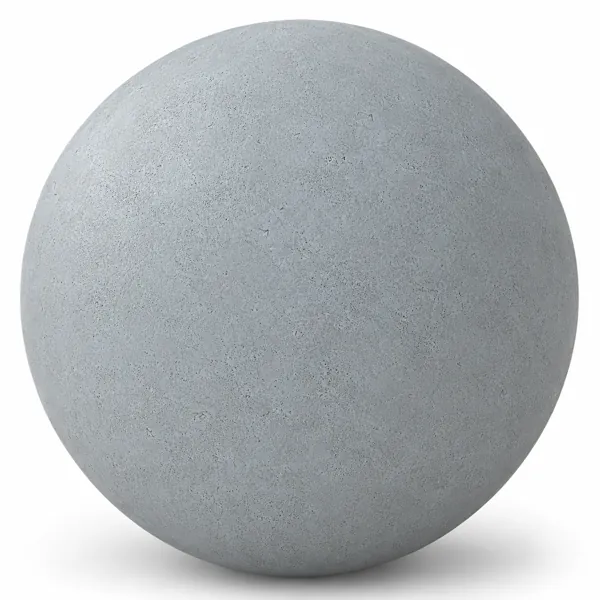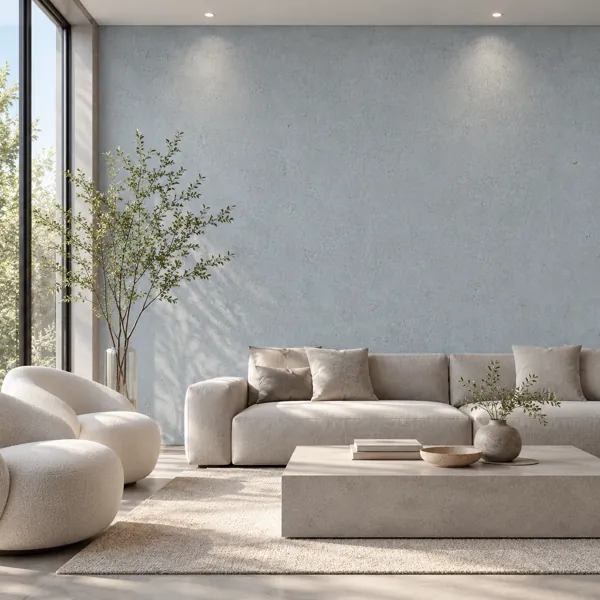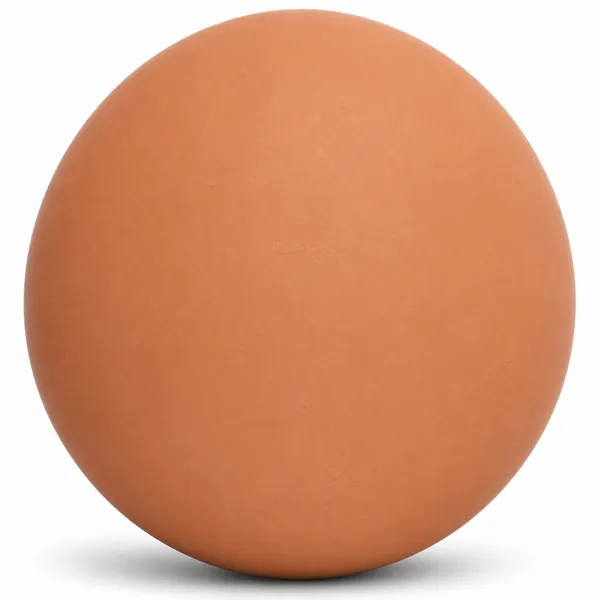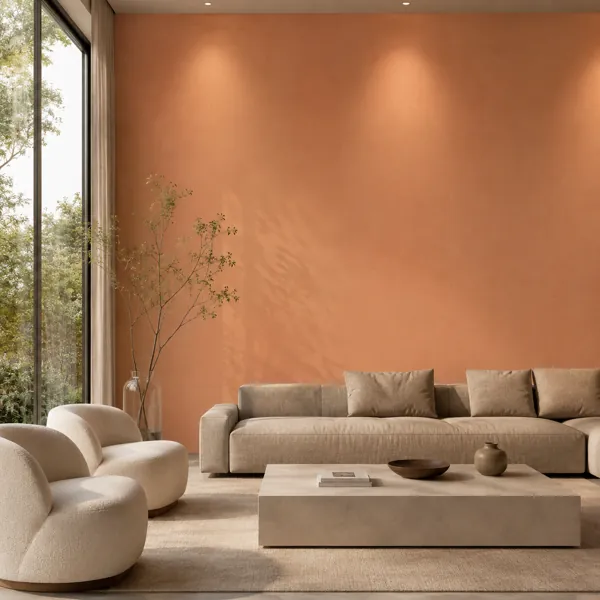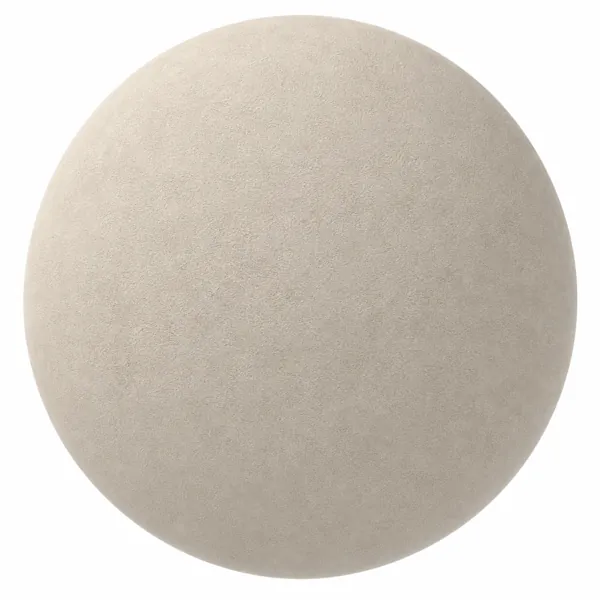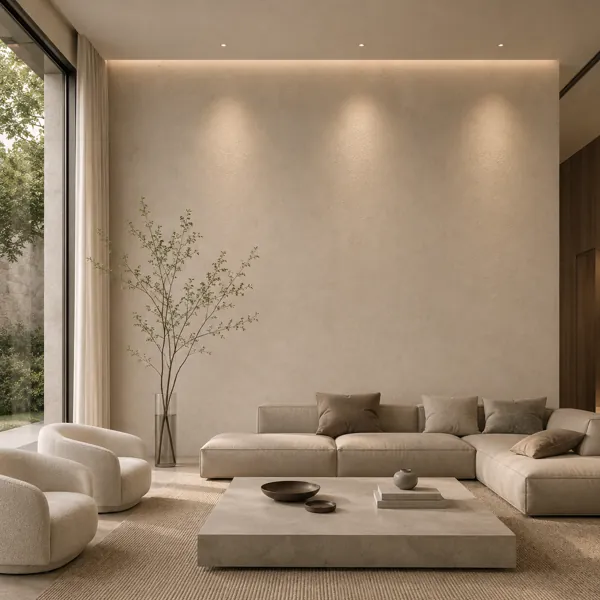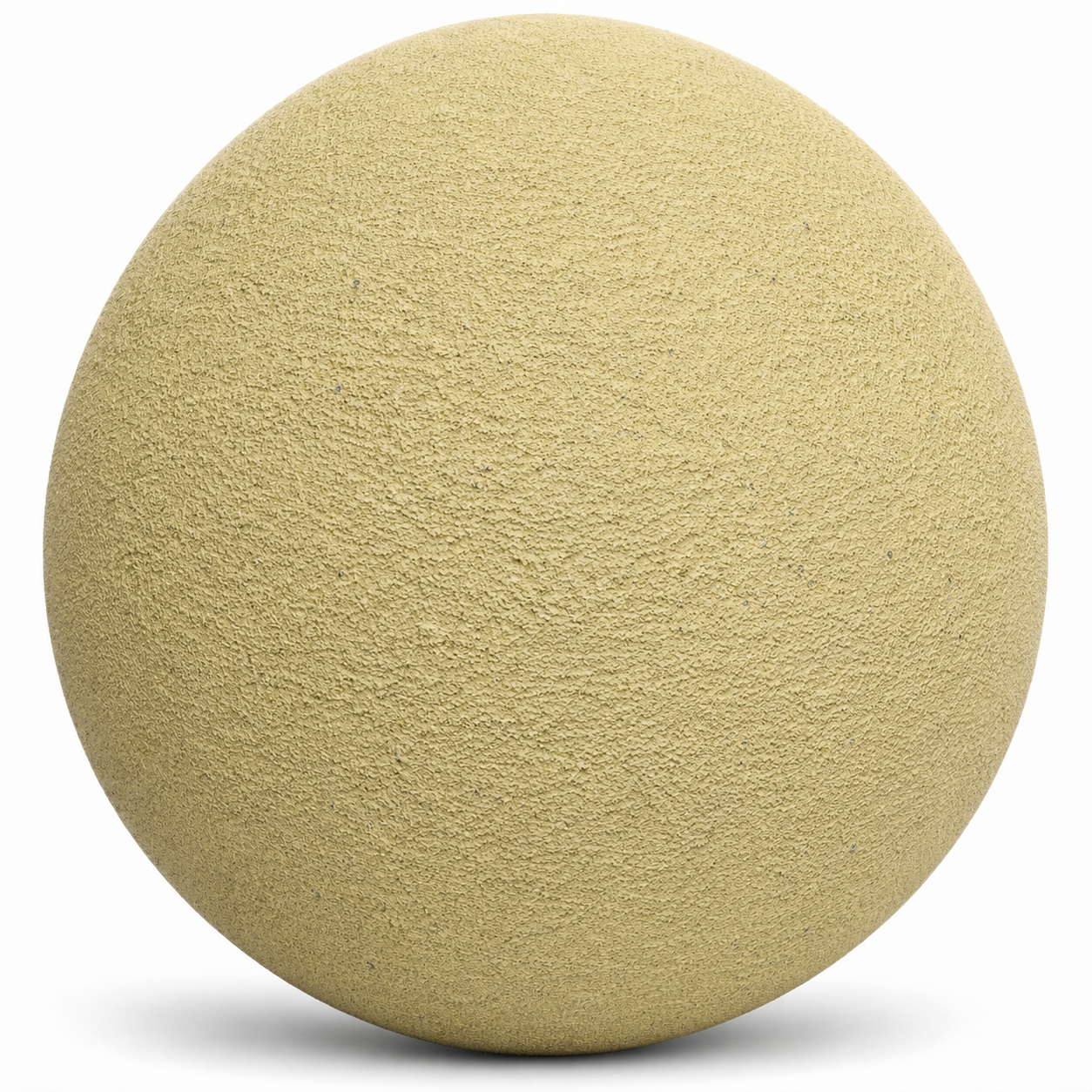
Warm Sand Rough Grain Plaster Texture
Plaster No. 00038
FREE
Specifications
- Brand
- Laruus
- Style
- Modern
- Material
- Plaster
- Suitable spaces
- Living Room, Bedroom, Office, Cafe, Commercial, Kitchen, Entrance, Childroom
- Color
- BeigeYellow
- File types
- Albedo MapAlpha MapAO MapBump MapDiffuse Color MapEdge MapEmission MapHeight MapMetallic MapNormal MapPacked Texture MapRoughness Map
Warm Sand Rough Grain Plaster Texture - High Resolution Seamless PBR Textures
Description
Warm Sand Rough Grain Plaster Texture presents a warm beige-sand surface defined by dense granular relief, fine irregular markings, and a naturally matte appearance. The visible finish has a consistent rough character without relying on strong decorative patterns, making the material suitable for contemporary architectural surfaces where tactile detail is an important part of the design. Small tonal shifts across the surface prevent the finish from appearing completely uniform, while scattered darker mineral-like specks add subtle visual variation. Its restrained sandy palette works naturally within modern, minimalist, Mediterranean-inspired, and warm neutral interior concepts.
The defining feature of this plaster texture is its closely packed rough grain. Fine raised and recessed areas create a continuous tactile structure across the material, producing a noticeably more textured appearance than smooth polished plaster. The surface remains visually cohesive despite these irregularities, with no dominant veins, geometric motifs, or pronounced directional pattern. Its warm beige and muted yellow undertones provide an earthy base that can respond effectively to both direct and grazing illumination. Because the image clearly shows a matte, granular plaster character, it is particularly useful when a visualization requires walls to feel physically textured rather than flat or digitally uniform.
This material can be used across a broad range of interior applications, including Living Room feature walls, Bedroom surfaces, Office interiors, Cafe environments, Commercial spaces, Kitchen walls, Entrance areas, and Childroom concepts. It is especially appropriate for large uninterrupted wall surfaces where the fine roughness can contribute depth without introducing a visually dominant pattern. The sandy coloration pairs naturally with light and medium woods, neutral fabrics, ceramic elements, stone surfaces, matte metals, and understated furniture palettes. In hospitality or retail visualization, the texture can also support warm contemporary environments where subtle wall relief helps distinguish architectural planes.
Within archviz and CGI workflows, the texture is suited to material development for close, medium, and wider architectural views. Its granular structure can become particularly visible under side lighting or soft grazing illumination, allowing wall surfaces to react more convincingly to light and shadow. In 3D's Max workflows, the supplied map set can support the construction of a detailed PBR material while giving artists control over color, surface relief, roughness, and related shading properties. Material scale should be adjusted according to the modeled architecture so the grain remains believable relative to doors, furniture, wall dimensions, and other recognizable elements in the scene.
From an interior design perspective, the warm sand tone offers a flexible alternative to plain white, cool grey, or completely smooth painted walls. It can introduce visual warmth while remaining subdued enough to serve as a background for furniture and architectural details. Natural timber, cream upholstery, beige textiles, muted brown accents, and soft stone finishes can reinforce its earthy character. Conversely, darker wood, black metal, or deep neutral furnishings can create controlled contrast against the lighter textured surface. The irregular grain also works well in spaces that rely on natural daylight, because changing illumination can reveal different levels of micro-detail throughout the day.
The available file set includes Albedo Map, Alpha Map, AO Map, Bump Map, Diffuse Color Map, Edge Map, Emission Map, Height Map, Metallic Map, Normal Map, Packed Texture Map, and Roughness Map. These files provide a broad foundation for PBR-oriented material setup and adaptation across compatible rendering workflows. For realistic results, displacement or bump intensity should be balanced against the physical scale of the wall rather than exaggerated, preserving the fine-grained appearance visible in the reference. Combined with appropriate UV mapping, natural exposure, and physically plausible lighting, this warm sand rough plaster texture can produce convincing architectural wall surfaces for detailed interior visualization and material-focused CGI presentations.
Frequently asked questions
Is this texture free?
Yes. You can download it with a free Laruus account. Free textures are limited to 5 downloads per day.
Which software can I use this texture in?
The maps are standard image files, so they work in any renderer with PBR materials, such as Corona or V-Ray in 3ds Max, Blender, SketchUp with V-Ray or Enscape, and Unreal Engine.
What do I get when I download it?
A 72.0 MB download. It was added to Laruus on August 31, 2026.
Which spaces is it suitable for?
It suits Living Room, Bedroom, Office, Cafe, Commercial, Kitchen, Entrance, and Childroom projects. Style: Modern.