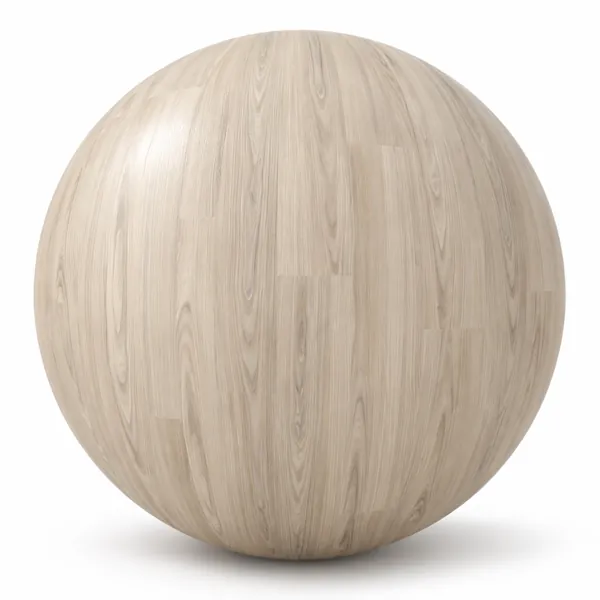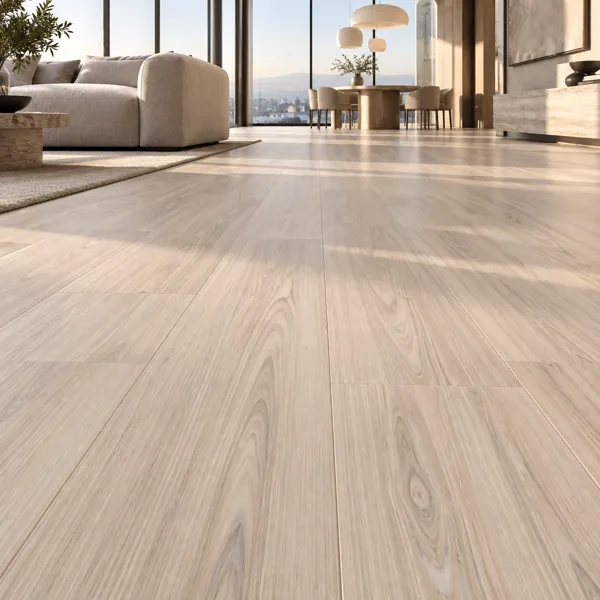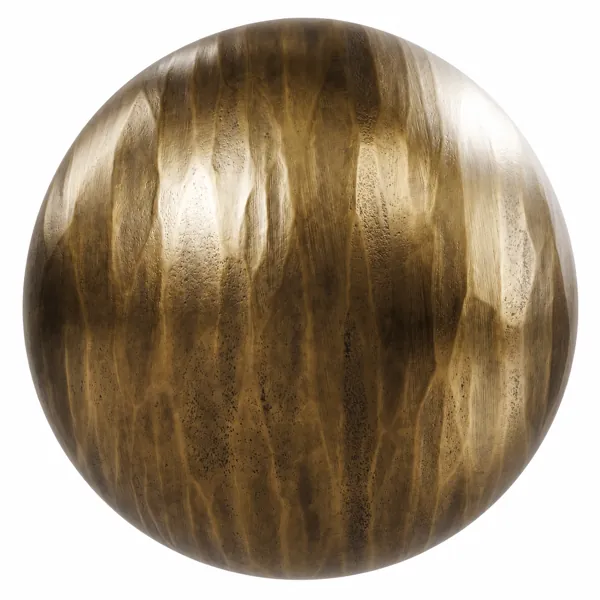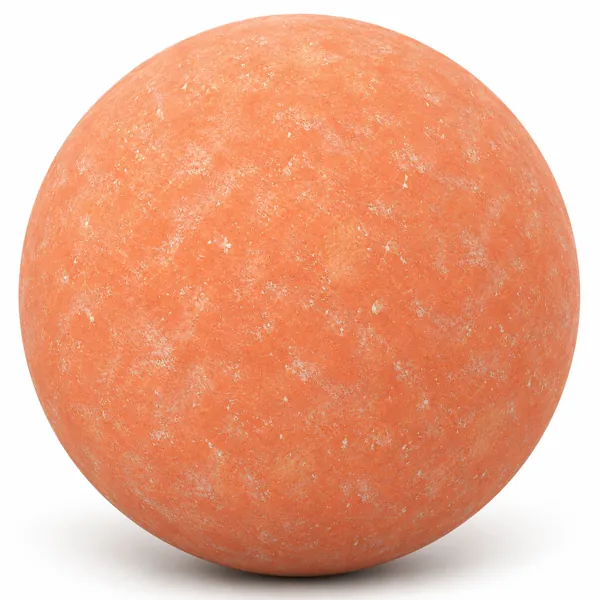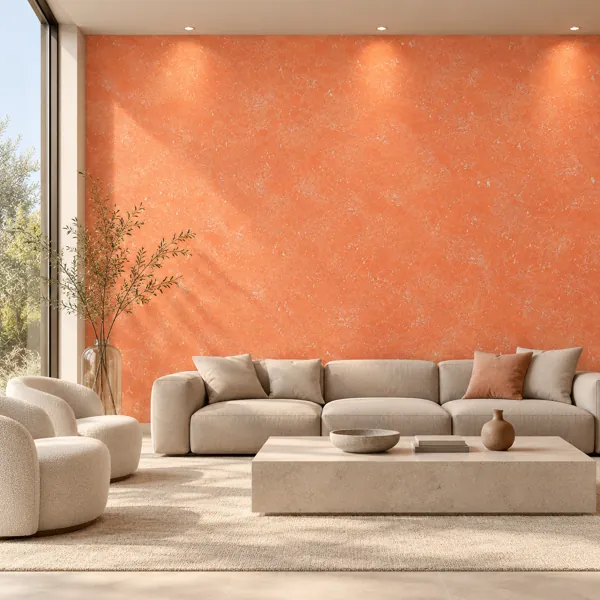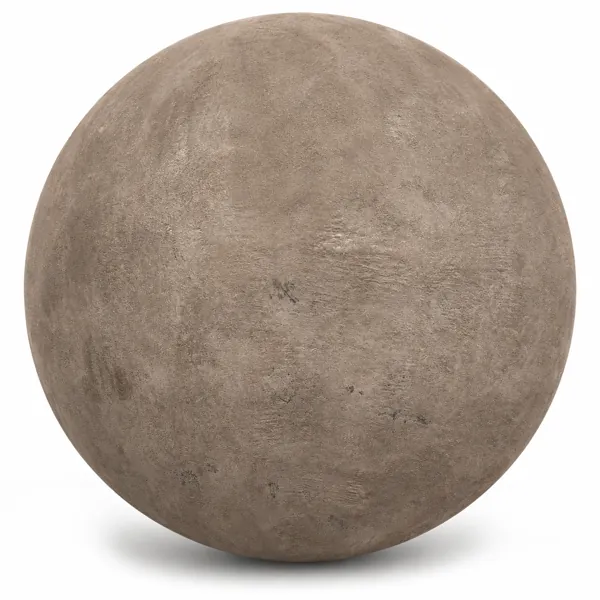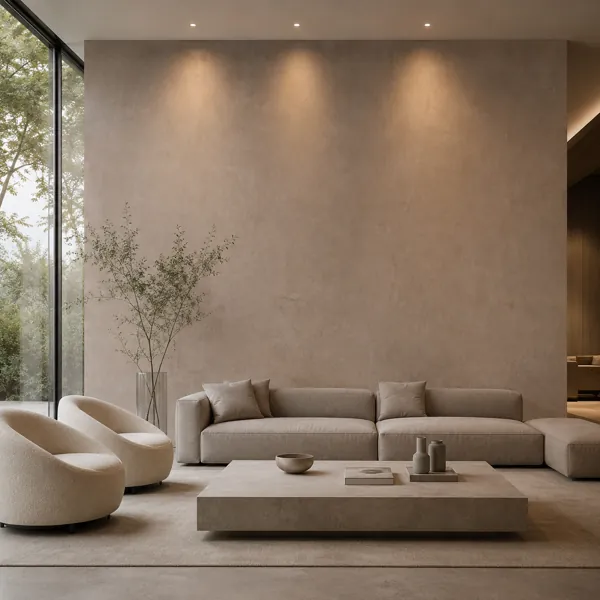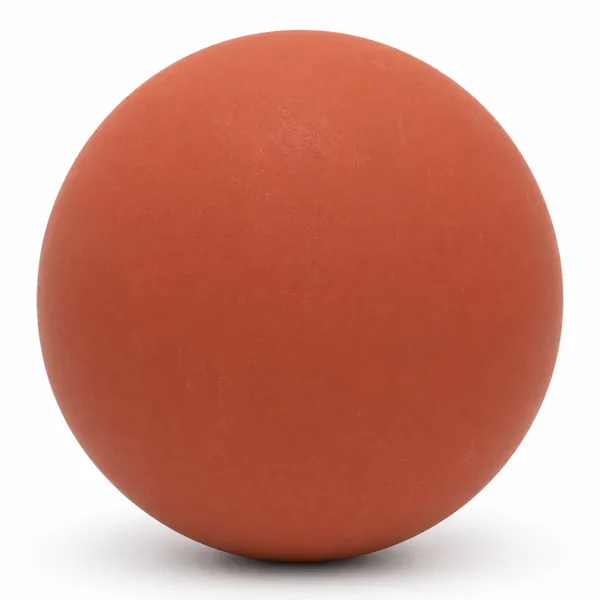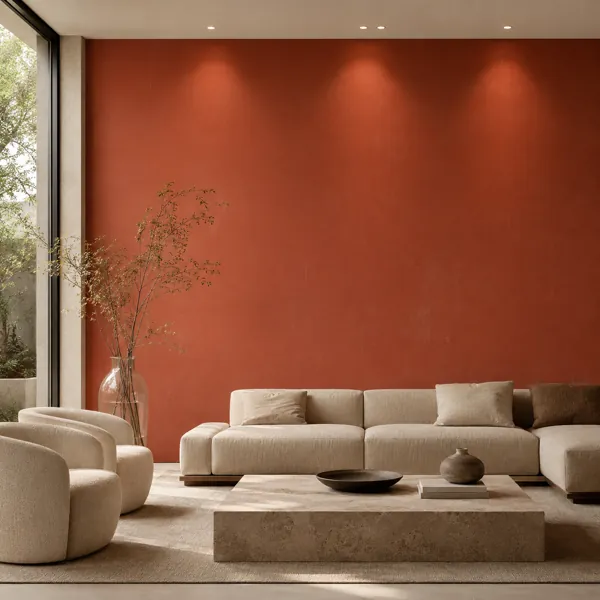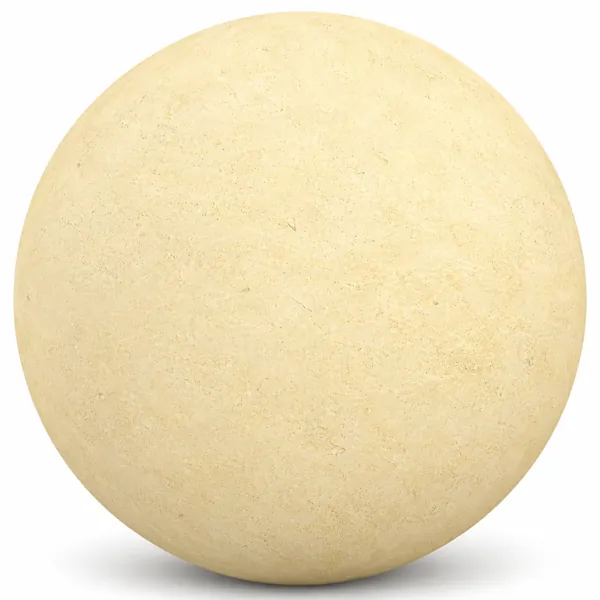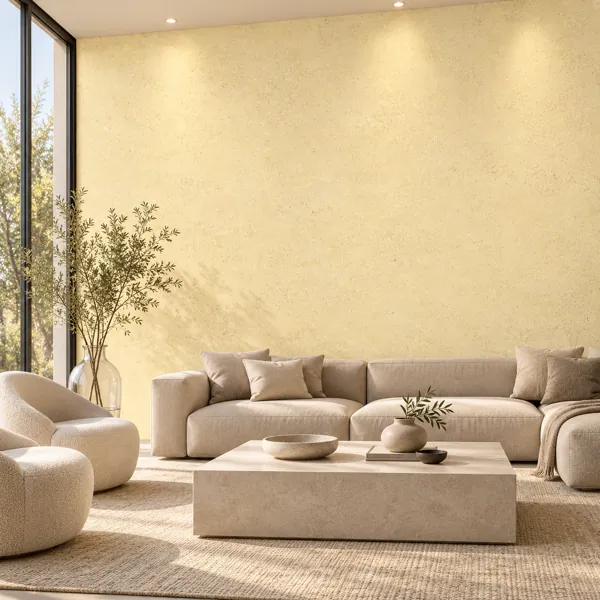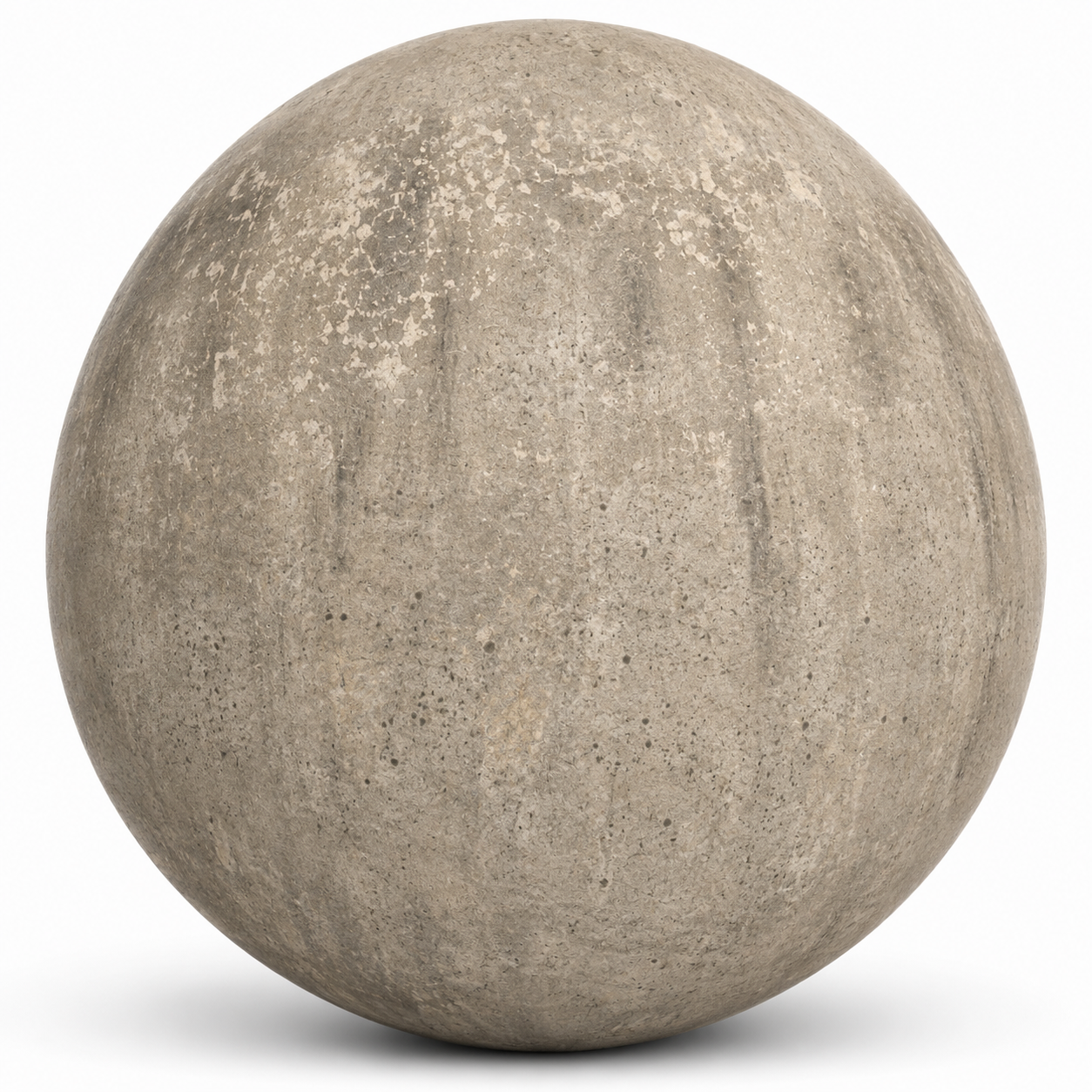
Weathered Beige Worn Plaster Texture
Plaster No. 00035
FREE
Specifications
- Brand
- Laruus
- Style
- Modern
- Material
- Plaster
- Suitable spaces
- Living Room, Bedroom, Office, Cafe, Commercial, Kitchen, Entrance
- Color
- BeigeGray
- File types
- Albedo MapAlpha MapAO MapBump MapDiffuse Color MapEdge MapEmission MapHeight MapMetallic MapNormal MapPacked Texture MapRoughness Map
Weathered Beige Worn Plaster Texture - High Resolution Seamless PBR Textures
Description
Weathered Beige Worn Plaster Texture presents an aged architectural surface defined by a warm beige-gray base, irregular pale worn patches, scattered darker marks and layered tonal variation. Unlike a clean decorative plaster finish, its visual identity comes from naturally distressed areas that create a convincing sense of use, exposure and accumulated surface character. The appearance remains predominantly matte, with an organic distribution of marks rather than a repetitive ornamental pattern. This makes the texture particularly relevant for contemporary interiors that require an authentic aged wall treatment, as well as industrial, rustic-modern and renovation-inspired visualization concepts.
The visible plaster surface combines fine granular detail with larger zones of discoloration and erosion-like variation. Light beige sections overlap muted gray and taupe areas, while small dark speckles and subtle vertical traces introduce additional depth. The upper portion displays especially noticeable pale, fragmented patches, creating a recognizable weathered finish without forming regular geometric shapes. Across the broader surface, fine imperfections, faint scratches, mottling and scattered spots help break up uniformity. These characteristics can communicate realistic scale when the material is applied to substantial architectural elements such as feature walls, corridors, reception areas or interior partitions.
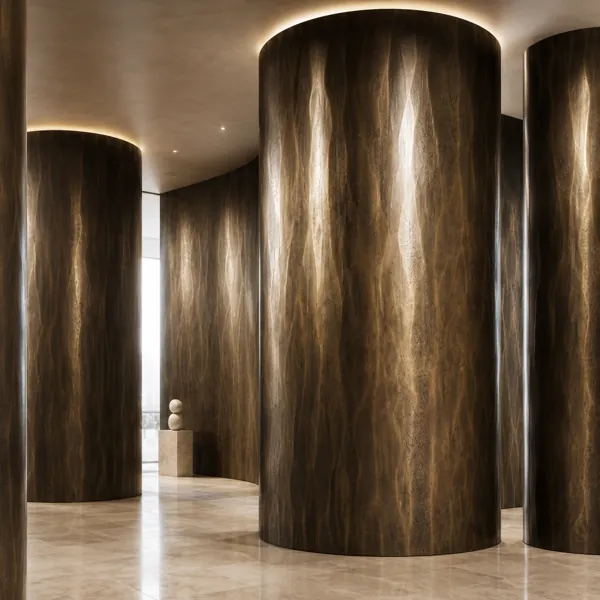
In interior design applications, this worn plaster texture can work as a visually expressive background without requiring additional wall decoration. It can be considered for Living Room feature walls, Bedroom surfaces, Office interiors, Cafe settings, Commercial spaces and Entrance areas where an aged neutral finish supports the overall design language. Its combination of Bej and Gri tones pairs naturally with wood, dark metal, neutral fabrics, stone surfaces and restrained contemporary furniture. The weathered appearance can also provide contrast against cleaner materials, allowing designers to create a deliberate relationship between refined furnishings and imperfect architectural surfaces.
For architectural visualization and CGI workflows, the texture is suited to scenes where perfectly uniform walls would appear overly artificial. Its irregular distribution of worn areas provides useful visual information across both wide architectural views and closer material-focused compositions. In 3D's Max workflows, it can be mapped onto walls, partitions, architectural backdrops and other plastered surfaces while maintaining attention to realistic material scale. Archviz artists can use the supplied texture maps to construct a PBR material response appropriate to the lighting and renderer configuration of their individual scene rather than relying on a flat color treatment.
The surface is particularly effective in contemporary minimalist interiors, adaptive-reuse concepts, industrial-inspired rooms and hospitality environments where controlled imperfection contributes to the atmosphere. Soft daylight can reveal the broad tonal transitions, while grazing artificial light can make the finer granular character and worn patches more noticeable. Because the pattern contains both broad weathering and small-scale marks, camera distance should be considered when setting UV scale. Keeping the texture at a believable architectural proportion helps prevent the worn patches and speckles from appearing unnaturally oversized.
The provided file set includes Albedo Map, Alpha Map, AO Map, Bump Map, Diffuse Color Map, Edge Map, Emission Map, Height Map, Metallic Map, Normal Map, Packed Texture Map and Roughness Map. These maps provide options for building the material according to the requirements of a specific PBR workflow. Final roughness, bump intensity, displacement behavior and map combinations should be adjusted within the chosen rendering setup rather than inferred solely from the preview image. For realistic results, preserve the visible beige-gray balance, fragmented pale wear, fine speckling and irregular surface variation that distinguish this plaster texture from cleaner or more uniformly finished alternatives.
Frequently asked questions
Is this texture free?
Yes. You can download it with a free Laruus account. Free textures are limited to 5 downloads per day.
Which software can I use this texture in?
The maps are standard image files, so they work in any renderer with PBR materials, such as Corona or V-Ray in 3ds Max, Blender, SketchUp with V-Ray or Enscape, and Unreal Engine.
What do I get when I download it?
A 71.6 MB download. It was added to Laruus on August 31, 2026.
Which spaces is it suitable for?
It suits Living Room, Bedroom, Office, Cafe, Commercial, Kitchen, and Entrance projects. Style: Modern.