Specifications
- Brand
- Laruus
- Style
- Contemporary Organic
- Material
- Fabric
- Suitable spaces
- Living Room, Office, Cafe, Commercial, Entrance
- Color
- BlackBeige
- File types
- 3D's MaxCorona Rendererfbxmtl3dsMapjpegobj
Low Form, Sculpted Presence 3D Model 3D's Max Corona Renderer
Description
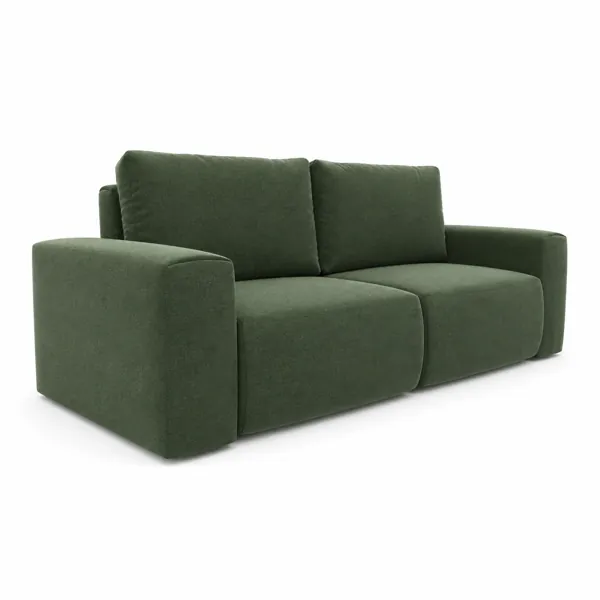
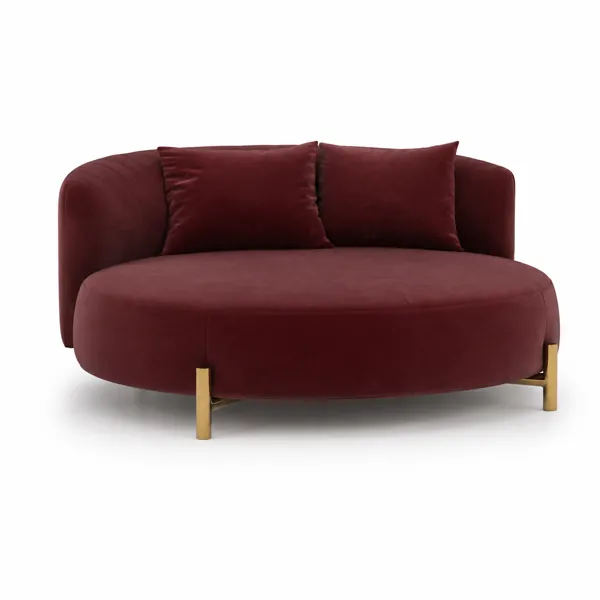
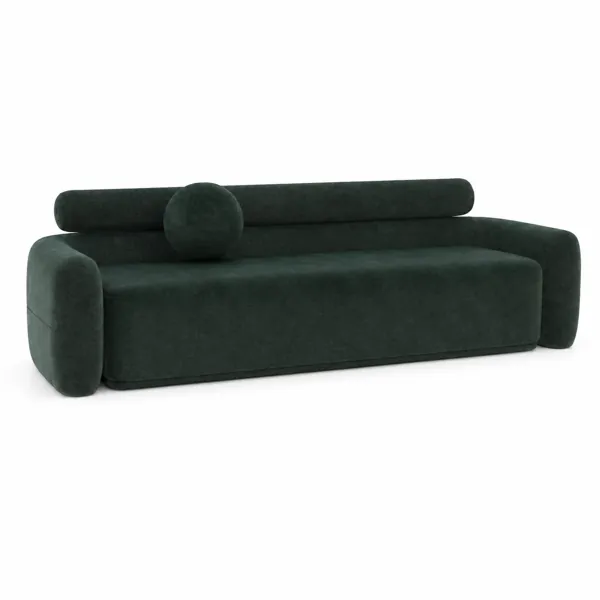
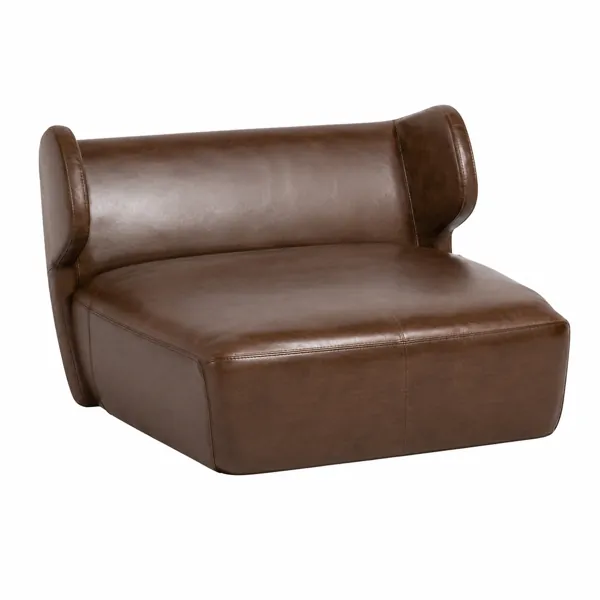
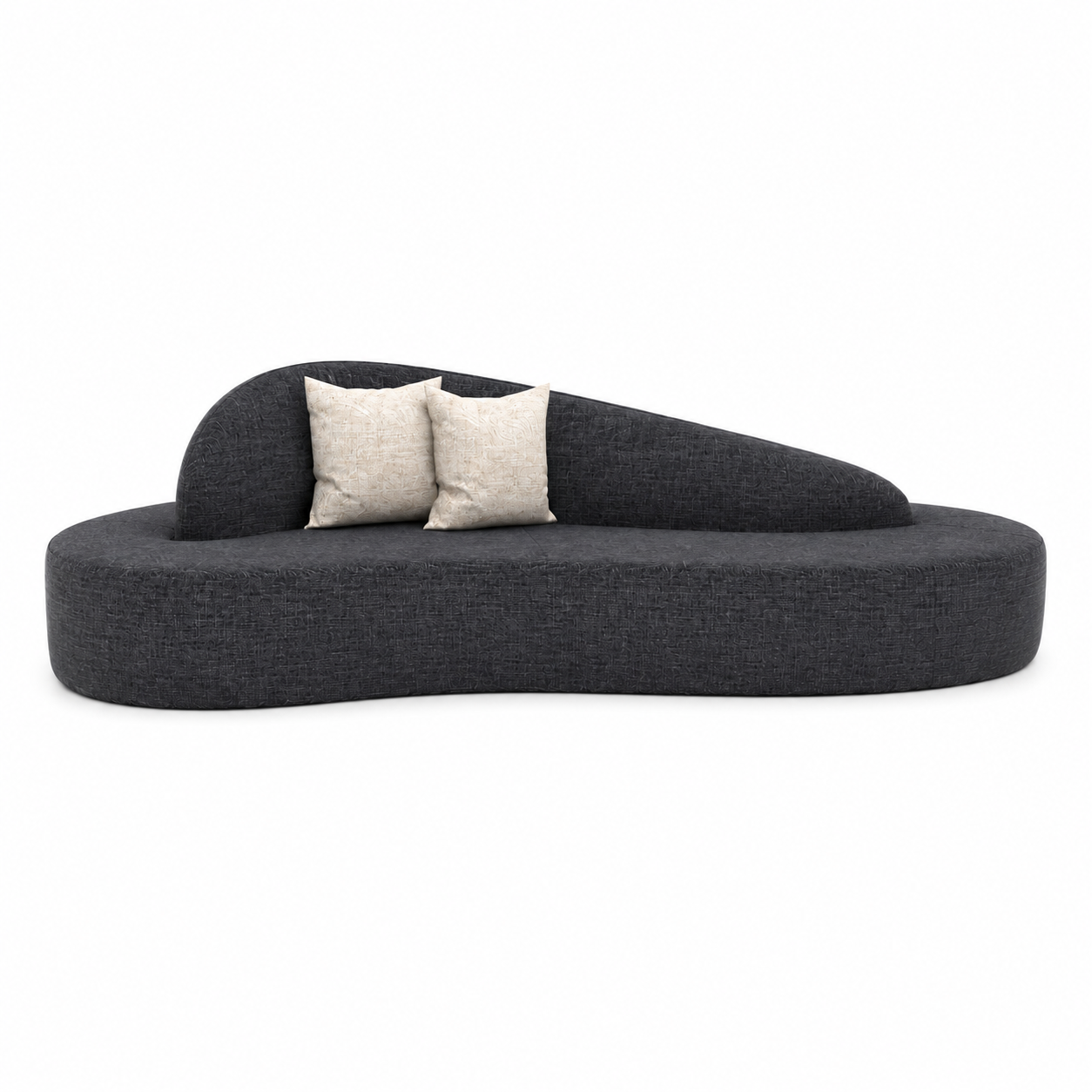
The Charcoal Organic Sofa with Sculpted Asymmetric Backrest is a contemporary seating model defined by its elongated low profile, dark textured upholstery, and distinctive curved backrest that rises on one side before gradually tapering toward the opposite end. The design avoids conventional straight armrests and segmented cushions, instead using a broad rounded base and a continuous sculptural form to create a calm, architectural silhouette. Its charcoal fabric gives the sofa a strong monochromatic presence, while two light beige loose cushions introduce a soft tonal contrast. The overall composition feels grounded and fluid, making the piece particularly suitable for interiors where furniture is intended to contribute to the spatial identity as well as provide seating.
Based on the supplied product information, Fabric is the primary material. The visible textile treatment appears across the seat base, curved back structure, and outer surfaces, producing a unified material language. The fabric has a visibly textured, irregular woven appearance that creates tonal variation across the dark surface without introducing additional colors. The seating area appears broad and continuous rather than divided into individual seat cushions. Two separate decorative cushions are positioned toward the higher side of the backrest, reinforcing the asymmetrical composition. The sofa has a low overall height, a deep lounge-oriented seat, and rounded perimeter edges. No exposed legs, structural frame, metal elements, storage compartments, adjustable mechanisms, or modular connectors are visible, so these features cannot be confirmed.
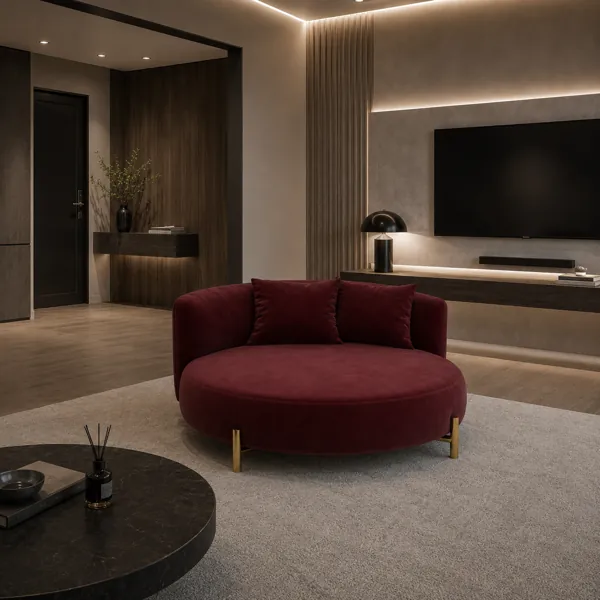
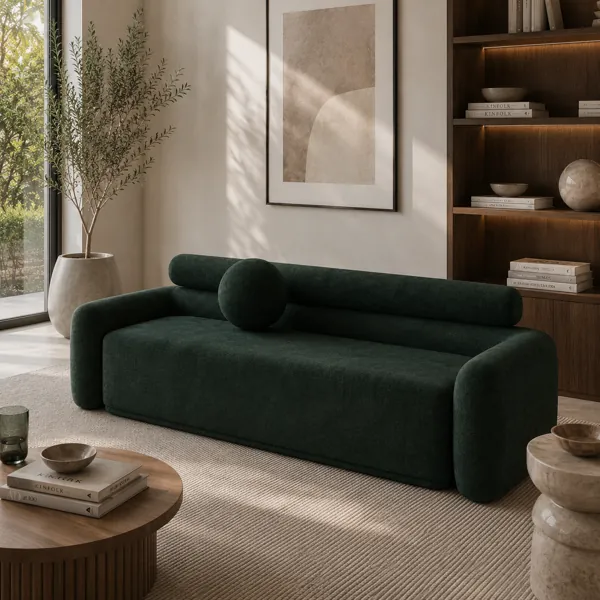
This sofa is well suited to contemporary living rooms, reception areas, creative offices, gallery-like interiors, hotel lounges, cafes, and commercial spaces where sculptural furniture can act as a visual anchor. Its dark charcoal tone works naturally with light stone, warm beige textiles, pale wood, concrete, brushed metals, and restrained wall finishes. The elongated horizontal form can help emphasize the width of a room, while the rising backrest introduces an intentional directional gesture. In open-plan spaces, the sofa can be positioned as a freestanding focal piece where its silhouette remains visible from multiple angles.
For architectural visualization and CGI workflows, this 3D sofa model offers large curved surfaces that respond effectively to directional lighting, global illumination, and subtle material shading. The textured fabric appearance supports realistic roughness variation, soft highlights, and gradual shadow transitions across the broad rounded volumes. The asymmetrical backrest creates changing depth along the sofa's length, while the loose cushions add layering and natural contact shadows. Architects, interior designers, furniture brands, and CGI artists can use the model in residential renders, hospitality visualizations, commercial presentations, furniture catalogs, virtual staging projects, and contemporary interior concept imagery.
From an interior design perspective, the sofa derives most of its visual identity from proportion, curvature, texture, and contrast rather than decorative ornament. Pairing it with low coffee tables, sculptural lighting, irregular rugs, stone side tables, or softly curved architectural elements can reinforce its organic language. In more rectilinear interiors, the same piece can soften rigid geometry and provide a deliberate contrast against straight wall planes or linear built-ins. The dark monochromatic body also allows the beige cushions to function as subtle highlights without disturbing the restrained palette.
According to the supplied specifications, the model was created in 3D's Max and rendered using Corona Renderer. The reference image clearly shows the low rounded base, charcoal textured fabric, asymmetrical sculpted backrest, and two loose beige cushions, but exact dimensions, polygon count, texture resolution, UV layout, internal construction, and export formats have not been provided. In Archviz scenes, the model can serve as a hero furniture object or a strong secondary element, with its elongated profile and sculptural back creating a recognizable visual signature.
Frequently asked questions
Is this 3D model free?
Yes. You can download it with a free Laruus account.
Which software can I use this 3D model in?
It is prepared for 3ds Max with Corona Renderer. Via FBX and OBJ, it can be opened in Blender, Cinema 4D and Maya. Via 3DS, it can be imported into SketchUp. Corona Renderer materials need to be set up again in other programs.
What do I get when I download it?
A 13.1 MB download with 3ds Max (Corona Renderer), FBX, OBJ + MTL, and 3DS files. Texture images are included. It was added to Laruus on June 25, 2026.
Which spaces is it suitable for?
It suits Living Room, Office, Cafe, Commercial, and Entrance projects. Style: Contemporary Organic.
Are there textures that go with it?
Yes. Laruus has textures in the same materials:
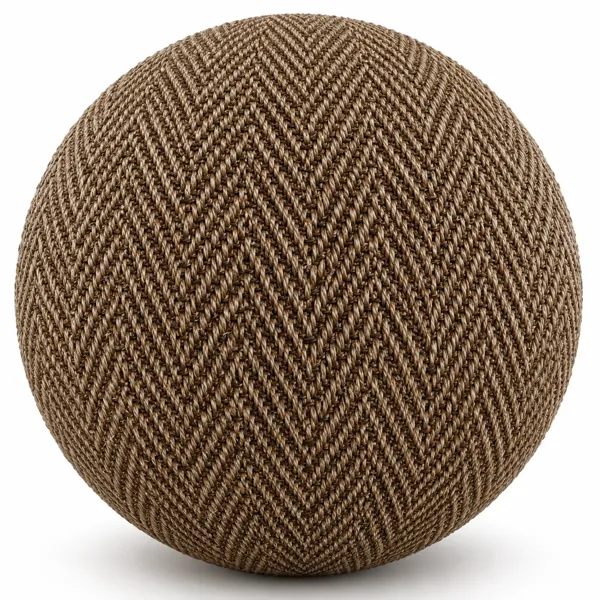
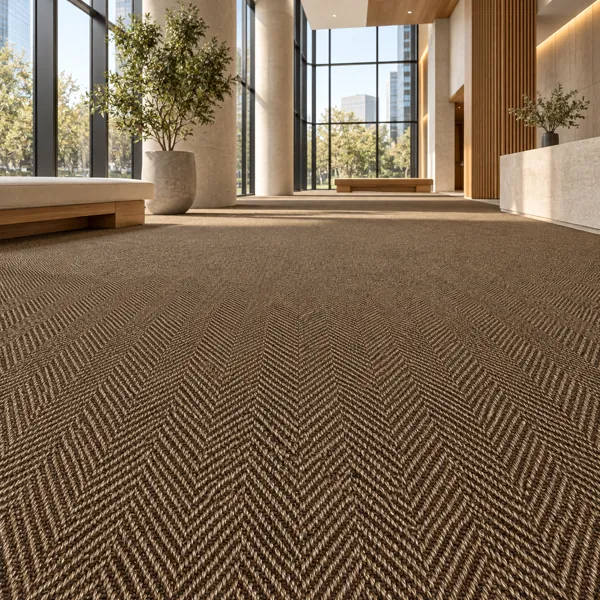
- Fabric — 142Browse Carpet Texture (92)
Can I preview it in 3D before downloading?
Yes. Use the 360 View button on the product images to rotate the model in your browser.