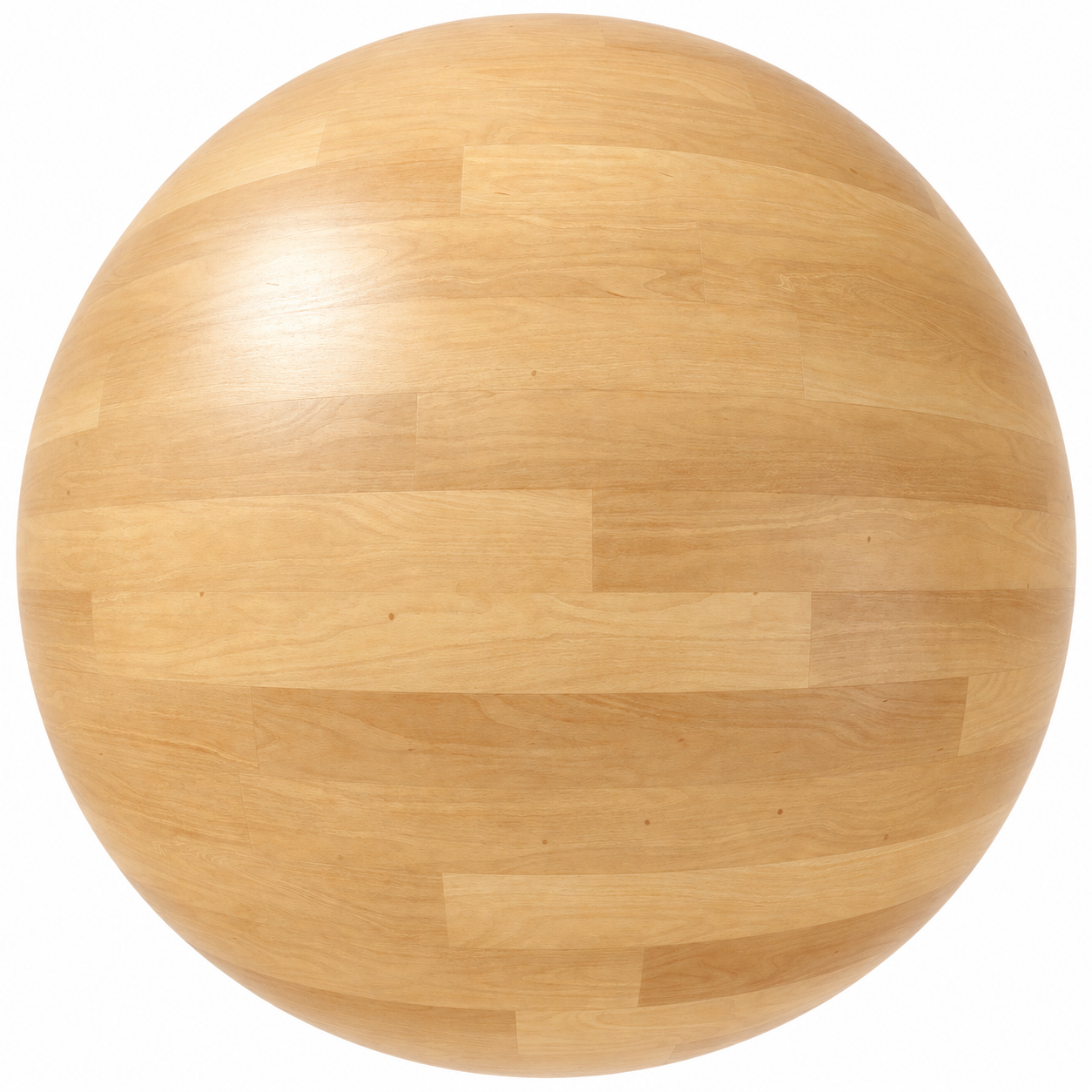
Light Maple Strip Parquet
Parquet No. 00020
FREE
Sign in to download.
Specifications
- Brand
- Laruus
- Style
- Modern
- Material
- Wood
- Color
- BeigeYellow
- File types
- Albedo MapAlpha MapAO MapBump MapDiffuse Color MapEdge MapEmission MapHeight MapMetallic MapNormal MapPacked Texture MapRoughness Map
Soft Natural Wood Warmth - Seamless High Resolution Material
Description
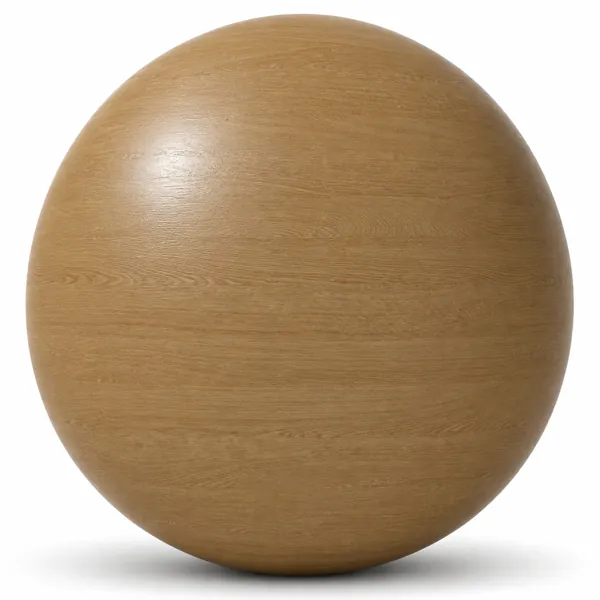
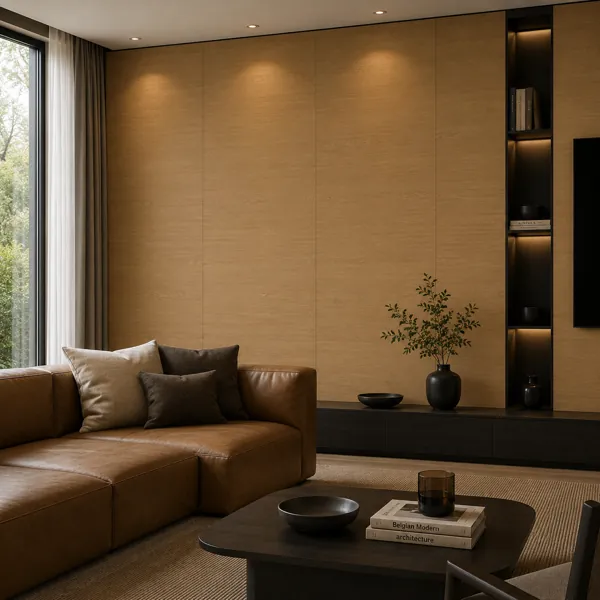
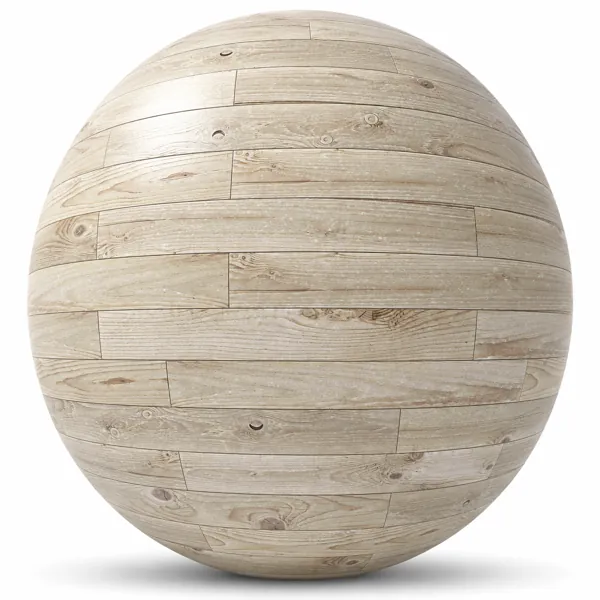
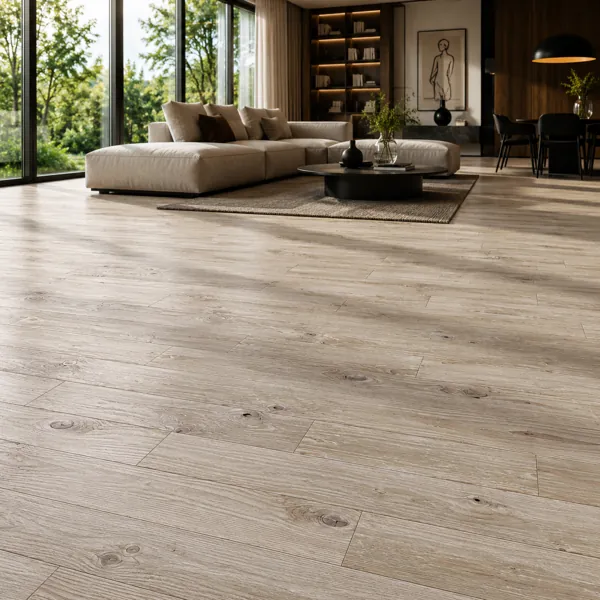
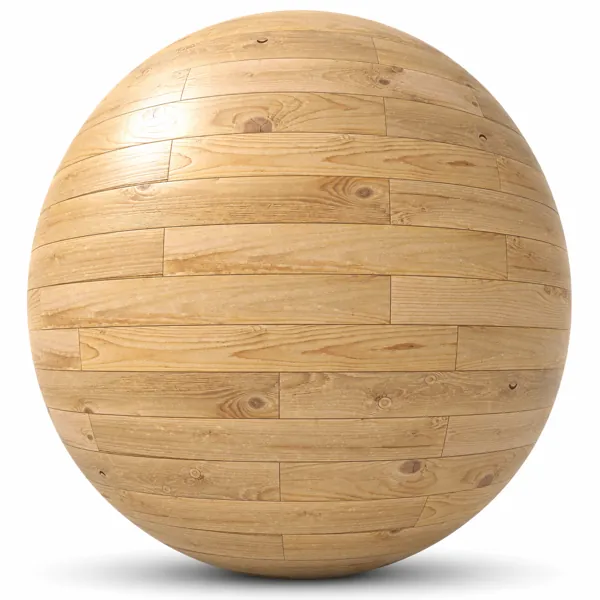
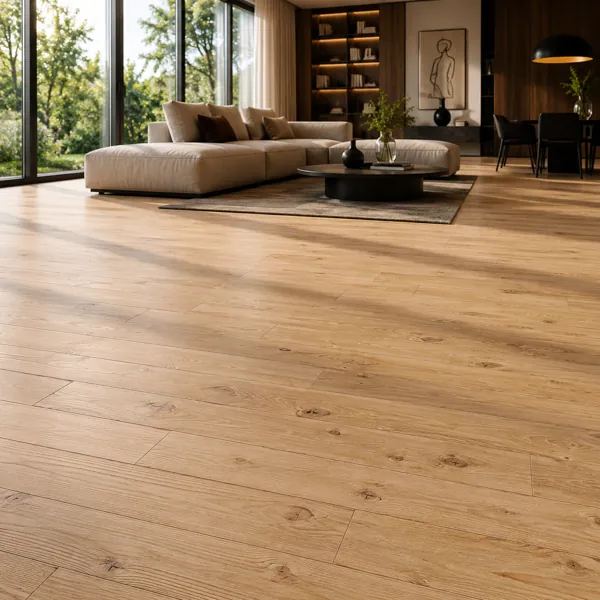
This parquet texture features a light wood flooring surface composed of staggered strip planks arranged in a clean and timeless layout. The material presents a warm beige-yellow appearance with subtle tonal variation between boards, creating a bright and welcoming visual character. The grain structure is soft and understated, allowing the texture to function as a versatile flooring solution across a wide range of interior styles. Its balanced appearance supports both contemporary and traditional spaces while maintaining the natural warmth associated with real wood surfaces. The texture displays elongated planks with a smooth grain pattern and gentle transitions in color. Compared to heavily knotted or rustic wood surfaces, this material emphasizes consistency and visual calm while still preserving natural timber characteristics. Minor grain variations and subtle wood markings help prevent an artificial appearance and contribute to overall realism. The rendered preview also reveals a lightly finished surface with soft reflections, suggesting a sealed wood floor. Specific information such as wood species certification, plank dimensions, manufacturing method, finish composition, or physical flooring specifications cannot be reliably determined from the image and therefore are not assumed. This parquet texture is particularly suitable for residential interiors where brightness and openness are important design goals. Living rooms, bedrooms, kitchens, entrances, home offices, cafés, and commercial spaces can benefit from the warm and neutral appearance of the flooring. The light wood coloration reflects available light effectively, helping interiors appear larger and more inviting. It pairs naturally with white, gray, earth-toned, and pastel color palettes while also complementing natural stone, metal details, soft textiles, and contemporary furniture collections. Within architectural visualization workflows, light wood flooring remains one of the most frequently requested materials because of its adaptability. This texture can be used in residential renderings, hospitality projects, office visualizations, retail presentations, and real estate marketing imagery. Its restrained grain pattern allows designers to showcase furniture, lighting, and architectural elements without visual competition from the floor surface. At the same time, the natural timber appearance adds enough detail to maintain realism in close-up render views and material-focused scenes. From an interior design perspective, this parquet texture works especially well in Scandinavian, modern, minimalist, contemporary, and transitional environments. The warm light tone introduces natural character without overwhelming the overall composition of a room. Designers often select flooring in this color range when creating calm, comfortable, and visually balanced spaces. The subtle wood grain adds texture and depth while supporting a wide range of decorative styles, making the material highly versatile for both residential and commercial applications. In 3ds Max and Corona Renderer projects, this wood parquet texture provides consistent grain definition, natural color variation, and realistic interaction with lighting conditions. Daylight scenes highlight the soft tonal shifts between planks, while artificial lighting reveals the gentle surface sheen and wood texture. Suitable for photorealistic CGI, architectural visualization, interior concept presentations, and commercial rendering workflows, this parquet texture offers a dependable foundation for creating believable wood flooring surfaces that remain visually appealing across different design contexts and rendering scenarios.