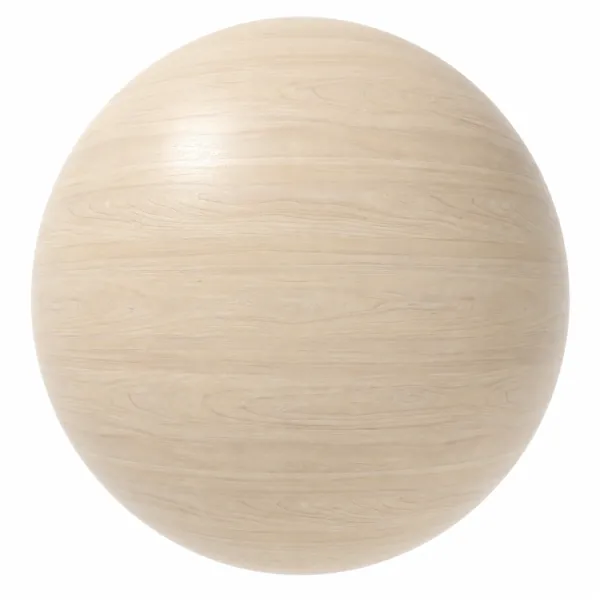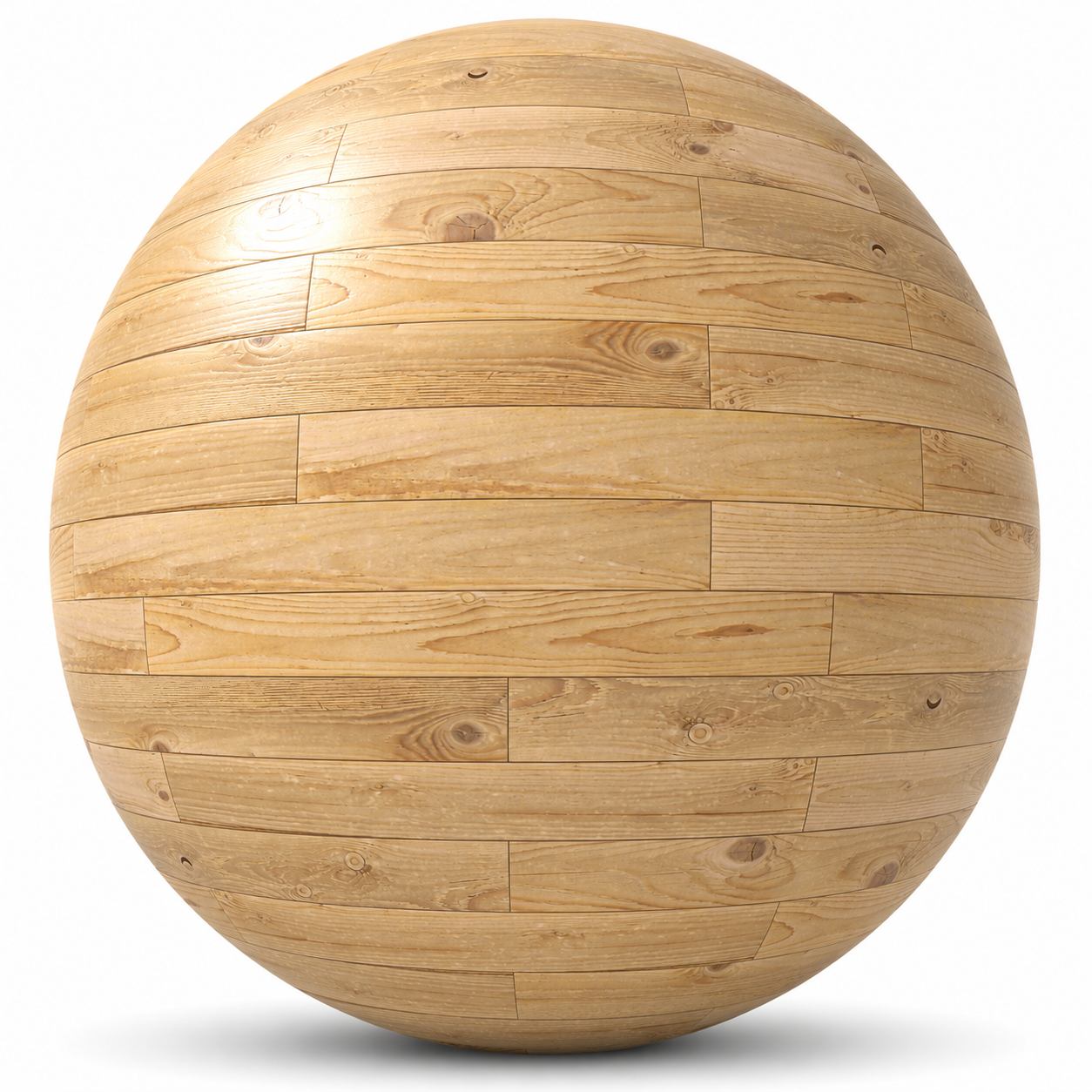
Warm Honey Knotty Wood Plank Parquet
Parquet No. 00050
FREE
Specifications
- Brand
- Laruus
- Style
- Wood
- Material
- Wood
- Suitable spaces
- Living Room, Bedroom, Office, Cafe, Commercial, Kitchen, Entrance, Childroom
- Color
- BeigeBrownYellow
- File types
- Albedo MapAlpha MapAO MapBump MapDiffuse Color MapEdge MapEmission MapHeight MapMetallic MapNormal MapPacked Texture MapRoughness Map
Warm Knotty Timber Plank Pattern
Description
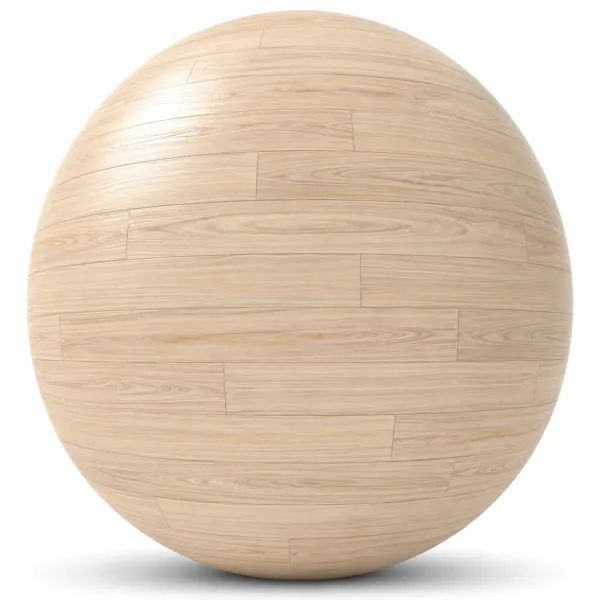
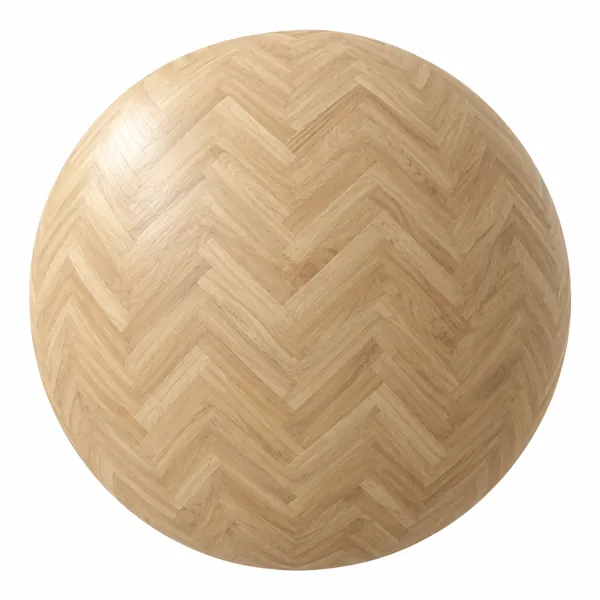
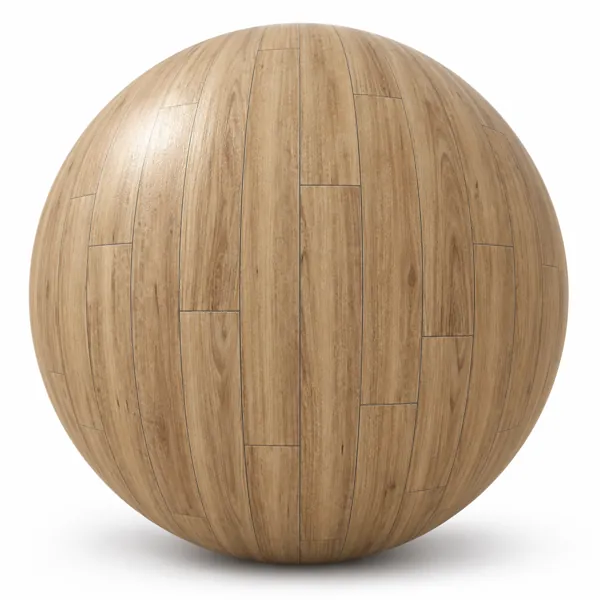
This warm honey knotty wood plank parquet features horizontally arranged timber boards with visible knots, flowing grain lines and gentle variation between individual planks. Its most distinctive characteristic is the light golden-honey coloration combined with naturally expressive knot patterns and elongated grain, giving the surface a warm but restrained timber character. The boards are installed in staggered rows, with joints offset between neighboring courses to avoid a rigid grid. Subtle differences in tone and grain density help each plank remain identifiable while preserving a cohesive overall appearance suitable for modern interiors, Scandinavian-inspired schemes and other spaces where natural wood is used as a primary surface material.
The visible construction consists of long rectangular boards in several lengths, arranged in a conventional staggered plank layout. Widths appear broadly consistent, while board lengths vary and create naturally offset end joints. The grain runs predominantly along the length of each plank, ranging from fine parallel lines to broader flowing patterns around knots. Several boards display circular or oval knot formations, darker growth marks and localized tonal changes that add recognizable natural variation. The overall palette moves between pale beige, honey yellow and light brown, with slightly deeper brown accents around knots and grain features. The surface appears relatively smooth while retaining enough visible timber structure to prevent it from looking flat or synthetic.
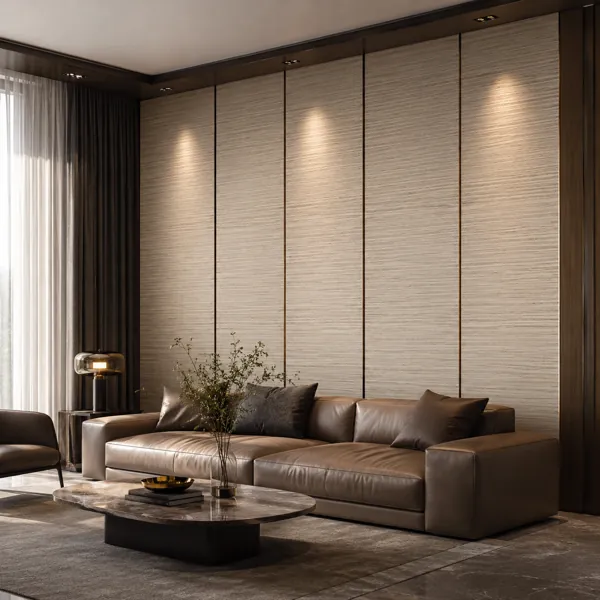
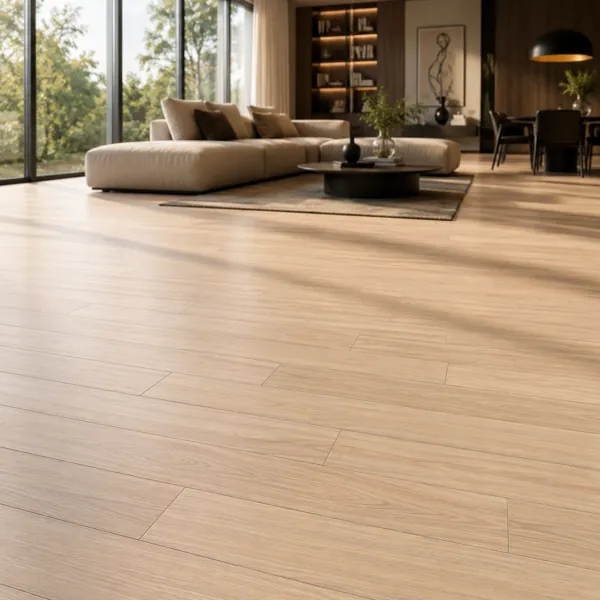
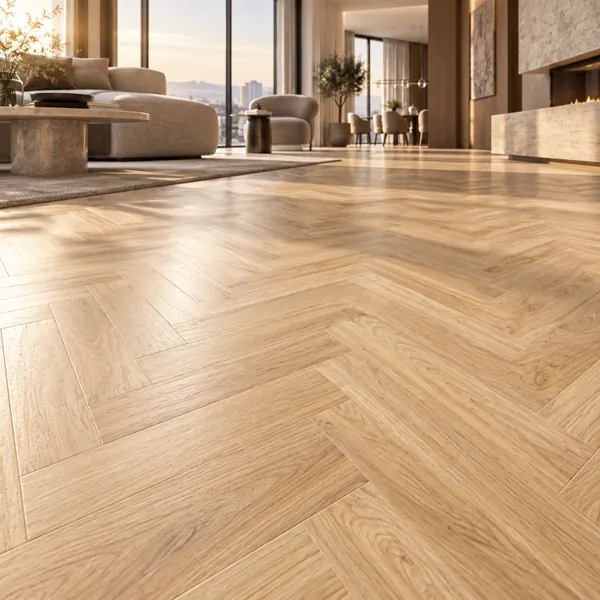
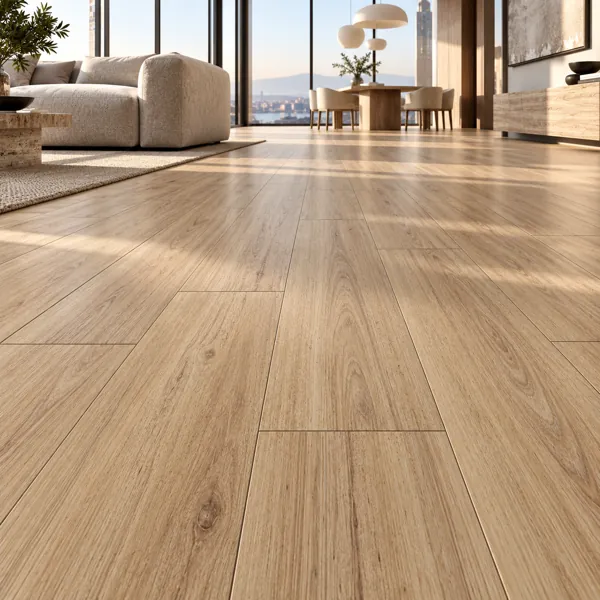
This warm wood parquet can suit living rooms, bedrooms, offices, cafes, commercial interiors, kitchens, entrances and child rooms where a light natural timber surface supports the design. It is particularly appropriate for flooring concepts, but its plank appearance can also inform decorative wall cladding, ceiling treatments, furniture panels or other architectural surfaces in visualization projects. The restrained honey tone coordinates naturally with white plaster, concrete, black or brushed metal, glass, fabric and neutral furnishings. Because the grain is visible without becoming overly dramatic, the material can function across minimalist, contemporary, rustic-modern and warm neutral interiors.
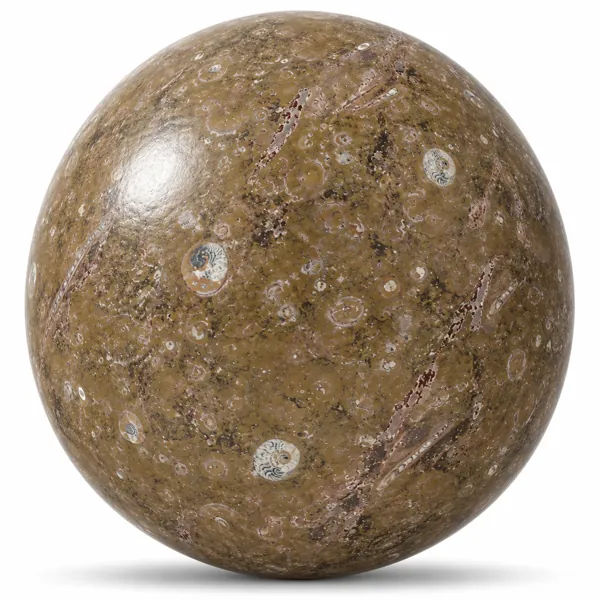
For architectural visualization and CGI workflows, the combination of staggered board joints, natural grain movement and knot distribution provides detail at several viewing distances. Close camera views can emphasize the fine grain, knot formations and localized tonal shifts, while wider compositions preserve the horizontal rhythm of the plank layout. The changing grain direction around individual knots helps reduce visual repetition and gives large flooring areas more natural variation. The supplied preview displays the material on a spherical form, allowing archviz artists to assess plank proportions, board transitions, grain visibility and overall color balance across curved geometry before applying the surface to architectural elements.
Within contemporary interior design, this light honey wood surface can introduce warmth without the visual weight of dark timber. Its pale golden tone works effectively with bright walls, muted fabrics, natural stone and simple furniture, while the visible knots prevent the surface from becoming overly uniform. The staggered plank arrangement reinforces a familiar architectural rhythm that works particularly well in open-plan residential interiors, hospitality spaces and offices. Used across larger areas, the material can establish a continuous natural base; used selectively, it can provide a warm contrast to colder materials such as concrete, metal or glass.
The provided product information identifies 3ds Max as the 3D software and Corona Renderer as the rendering environment. The uploaded preview clearly depicts wood despite the supplied material field listing Stone, so the visible material has been identified as Wood. Specific file extensions, physical board dimensions, wood species, texture resolution, mapping method, displacement settings and seamless tiling properties are not confirmed and therefore should not be assumed. Project-specific scale, mapping and material parameters should be verified within the supplied asset before final production rendering.
Frequently asked questions
Is this texture free?
Yes. You can download it with a free Laruus account. Free textures are limited to 5 downloads per day.
Which software can I use this texture in?
The maps are standard image files, so they work in any renderer with PBR materials, such as Corona or V-Ray in 3ds Max, Blender, SketchUp with V-Ray or Enscape, and Unreal Engine.
What do I get when I download it?
A 101 MB download. It was added to Laruus on June 28, 2026.
Which spaces is it suitable for?
It suits Living Room, Bedroom, Office, Cafe, Commercial, Kitchen, Entrance, and Childroom projects. Style: Wood.
Are there 3D models that use this material?
Yes. Laruus has 3D models in the same material:
- Wood — 197Browse Armchairs (29)