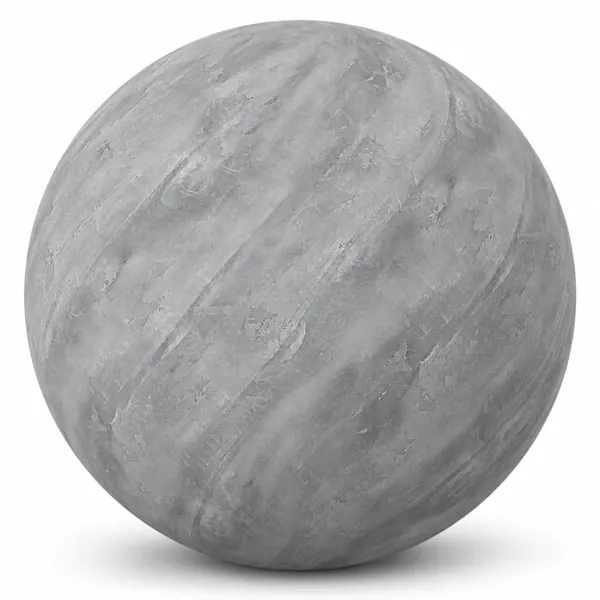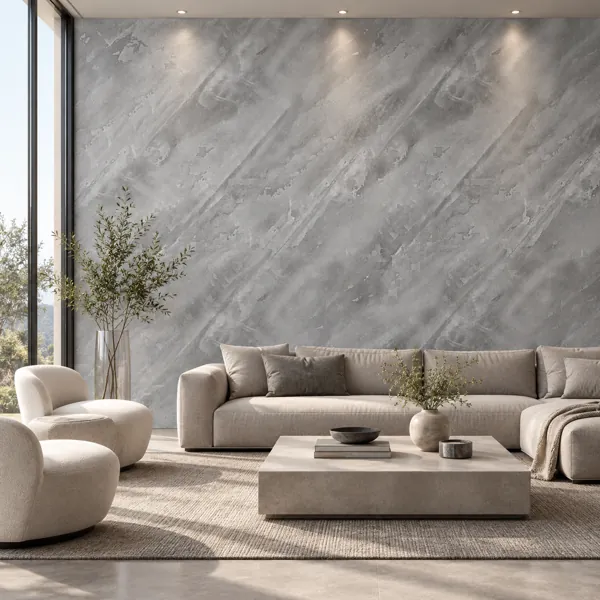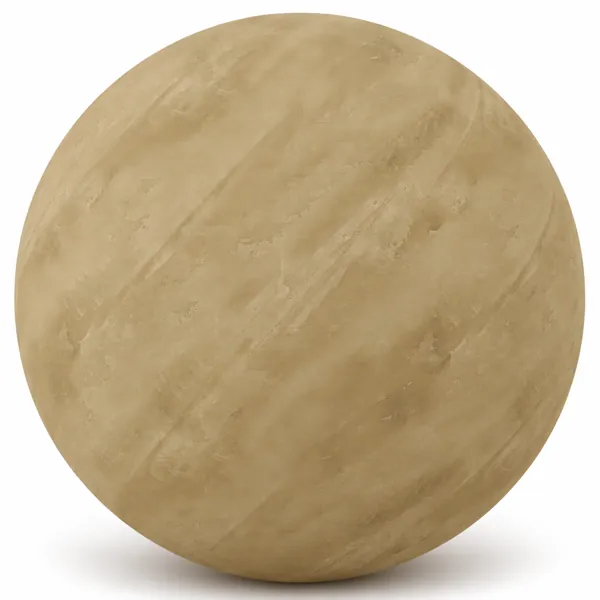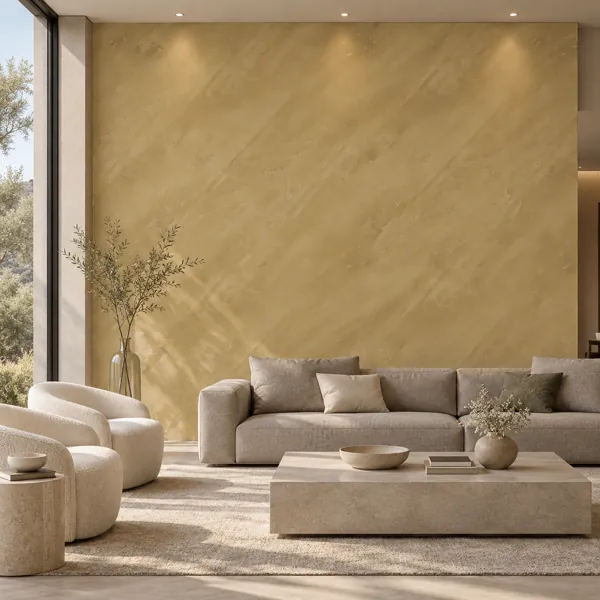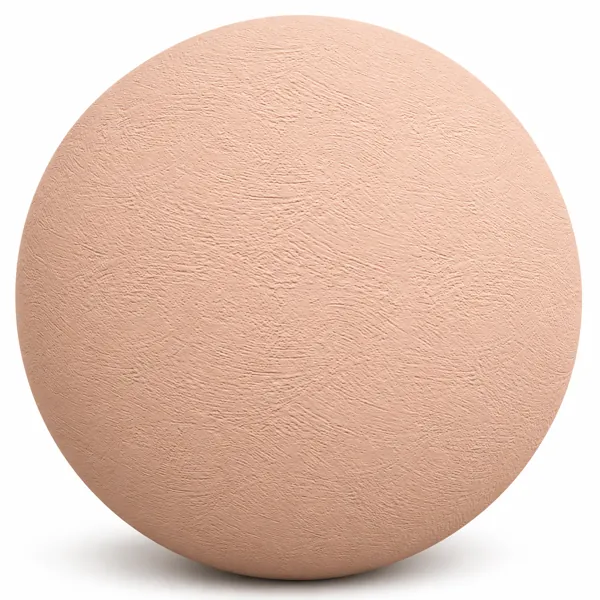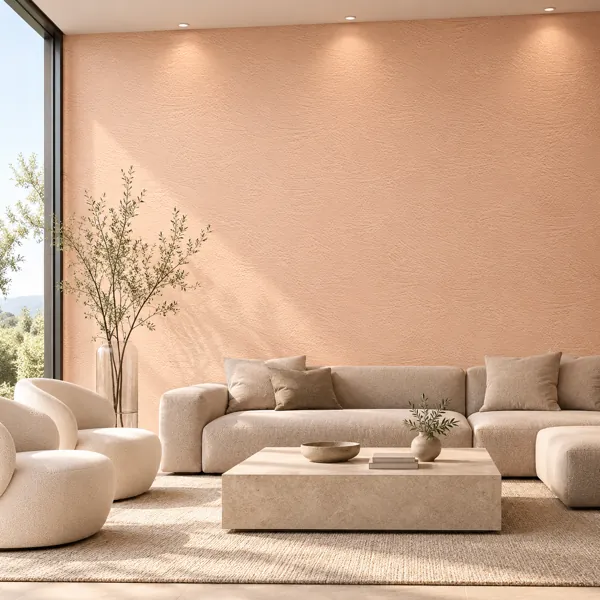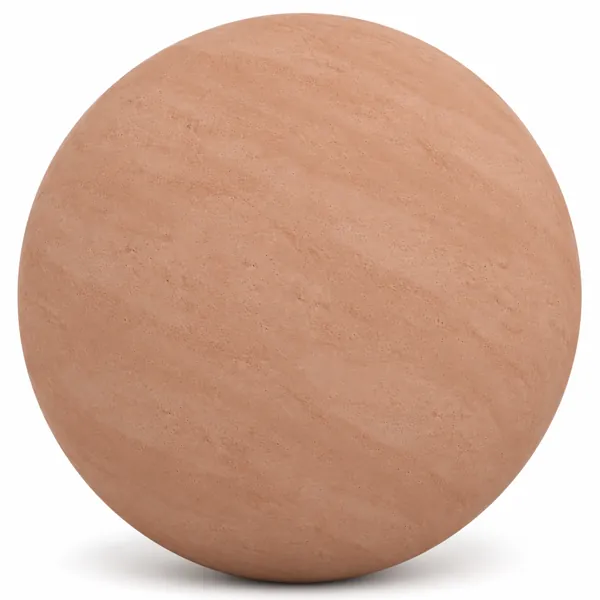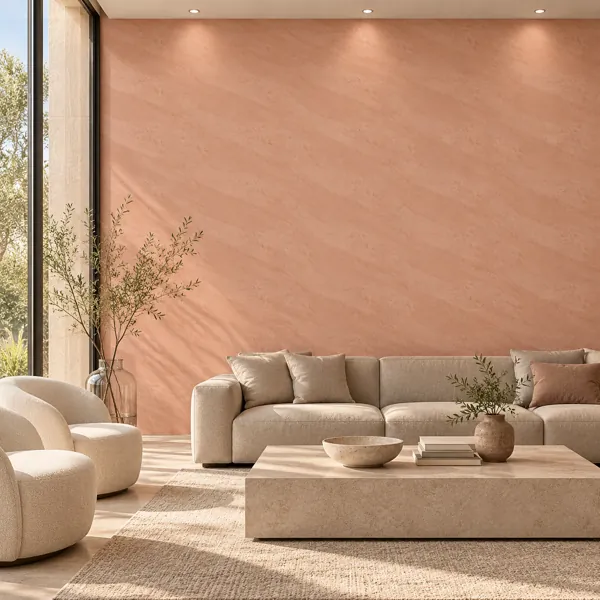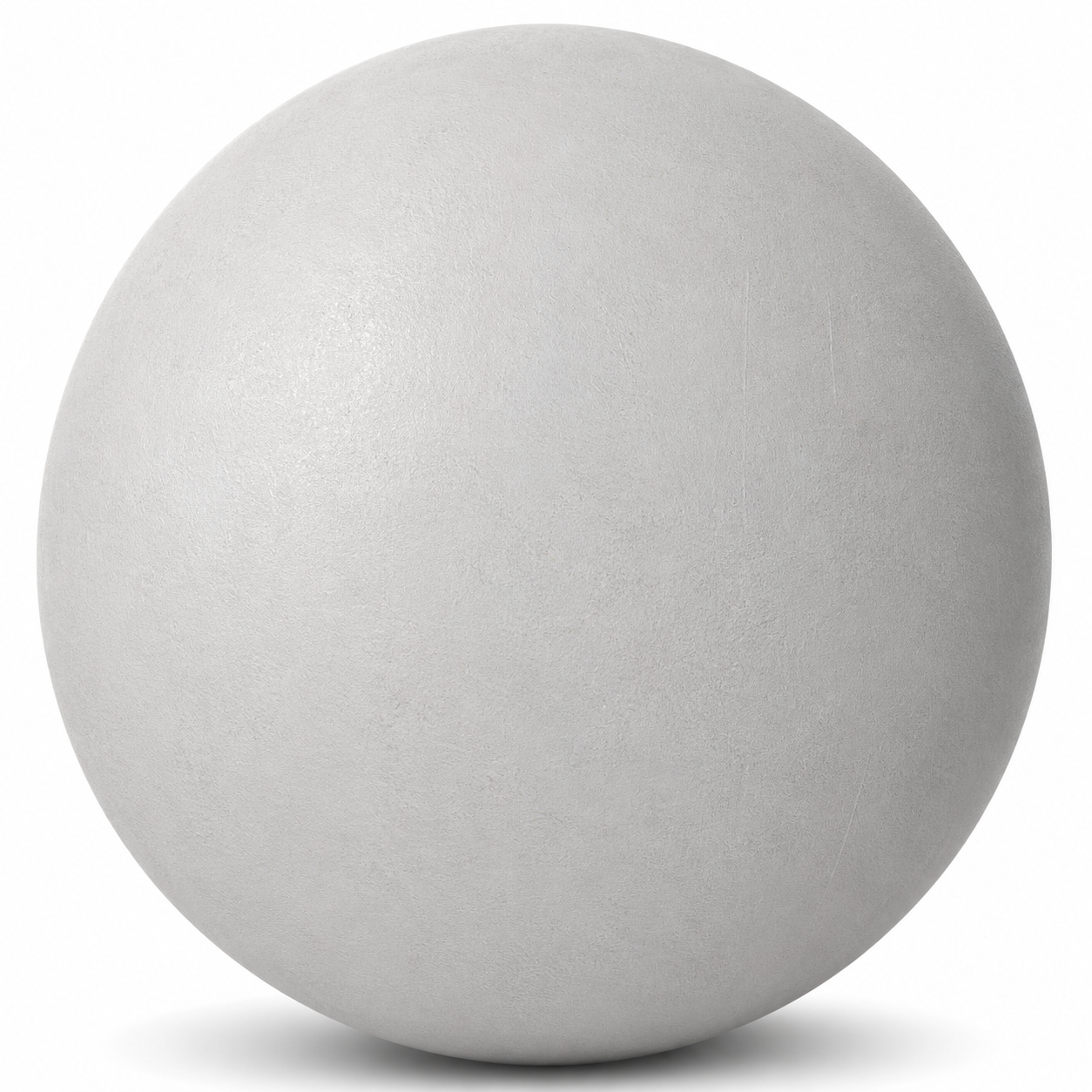
Pale Warm Gray Fine Grain Plaster Texture
Plaster No. 00003
FREE
Specifications
- Brand
- Laruus
- Style
- Modern
- Material
- Plaster
- Suitable spaces
- Living Room, Bedroom, Office, Cafe, Commercial, Kitchen, Entrance, Childroom, Balcony
- Color
- GrayWhiteBeige
- File types
- Albedo MapAlpha MapAO MapBump MapDiffuse Color MapEdge MapEmission MapHeight MapMetallic MapNormal MapPacked Texture MapRoughness Map
Pale Warm Gray Fine Grain Plaster Texture - High Resolution Seamless PBR Textures
Description
The Pale Warm Gray Fine Grain Plaster Texture presents a softly textured architectural surface defined by a pale warm gray base, subtle off-white and beige undertones, fine granular detail, and restrained natural markings. Its overall appearance is light, neutral, and calm, making it visually distinct from warmer sand-colored plaster and darker gray cement finishes. Gentle tonal variations move across the surface without creating strong patches or dramatic contrast. A few faint vertical traces and minor irregular marks add a lightly worked character while preserving a clean modern appearance. The reference does not show deep cracking, coarse aggregate, large cavities, or pronounced weathering, so the pale warm gray coloration and refined fine-grain surface are the primary distinguishing characteristics of this plaster texture.
The visible structure consists mainly of very fine micro-grain, soft mottling, subtle vertical and irregular linear traces, and small variations distributed across the material. Some areas appear marginally warmer or darker, while others approach a soft off-white tone, creating quiet depth without obvious color separation. The surface looks relatively even but not digitally flat, allowing it to retain a believable material character. Several delicate marks can be observed, particularly toward the right side, although they remain shallow in appearance and should not be interpreted as major scratches or structural cracks. The exact plaster composition, application technique, layer thickness, substrate, coating treatment, sealing method, measurable roughness, and physical durability cannot be confirmed from the supplied image alone and therefore should not be assumed.
This pale warm gray plaster texture can visually suit Living Room, Bedroom, Office, Cafe, Commercial, Kitchen, Entrance, Childroom, and Balcony environments. Its light neutral character works well for feature walls, continuous wall surfaces, niches, reception backdrops, integrated architectural elements, decorative panels, stair volumes, corridors, and minimalist interior backgrounds. The combination of Gri, Beyaz, and Bej tones can pair naturally with Wood, Stone, Metal, Glass, Ceramic, and neutral Fabric finishes. In residential interiors, the plaster can complement pale oak, walnut, cream upholstery, natural stone, brushed metal details, and muted contemporary palettes. In Office, Cafe, and Commercial spaces, its controlled surface detail gives large planes enough material presence while allowing furniture, artwork, lighting, signage, shelving, and decorative objects to remain visually prominent.
For archviz and CGI workflows, the supplied package includes Albedo Map, Alpha Map, AO Map, Bump Map, Diffuse Color Map, Edge Map, Emission Map, Height Map, Metallic Map, Normal Map, Packed Texture Map, and Roughness Map. These Maps provide multiple channels for constructing a detailed PBR Material in 3ds Max and other compatible 3D applications. Map connections, channel interpretation, Shader settings, and intensity values should be configured according to the selected Renderer and material workflow. Accurate UV Mapping and realistic texture scale are especially important because the identity of this surface depends on fine grain and low-contrast tonal variation rather than large structural patterns. Incorrect scaling may enlarge the micro-detail unnaturally or make repetition more noticeable across broad wall surfaces.
Within interior design compositions, the pale warm gray base creates a bright and understated architectural backdrop. From wider camera distances, the material reads as a mostly uniform light gray surface with subtle warmth and restrained tonal movement. At medium and closer distances, the fine grain, soft mottling, faint vertical traces, and small irregularities become more noticeable. This layered visual response makes the texture suitable for both wide architectural views and closer material-focused renders. Soft natural daylight can emphasize its neutral mineral quality, while directional or grazing artificial light can reveal the fine surface structure without making the plaster appear excessively rough or visually busy.
When building the final material, Bump Map, Normal Map, Height Map, and Roughness Map should be balanced according to scene scale, camera distance, and lighting conditions. Excessive Bump or Displacement may exaggerate the fine grain or subtle marks beyond what the reference supports, so relief values should remain controlled. The image does not reliably establish whether the physical plaster is polished, sealed, matte, burnished, or untreated, and precise Gloss or Reflectivity values should not be invented. With realistic mapping scale and restrained PBR settings, this pale warm gray fine grain plaster texture can provide a versatile architectural surface for contemporary residential, hospitality, commercial, archviz, and CGI scenes.
Frequently asked questions
Is this texture free?
Yes. You can download it with a free Laruus account. Free textures are limited to 5 downloads per day.
Which software can I use this texture in?
The maps are standard image files, so they work in any renderer with PBR materials, such as Corona or V-Ray in 3ds Max, Blender, SketchUp with V-Ray or Enscape, and Unreal Engine.
What do I get when I download it?
A 56.2 MB download. It was added to Laruus on August 25, 2026.
Which spaces is it suitable for?
It suits Living Room, Bedroom, Office, Cafe, Commercial, Kitchen, Entrance, Childroom, and Balcony projects. Style: Modern.