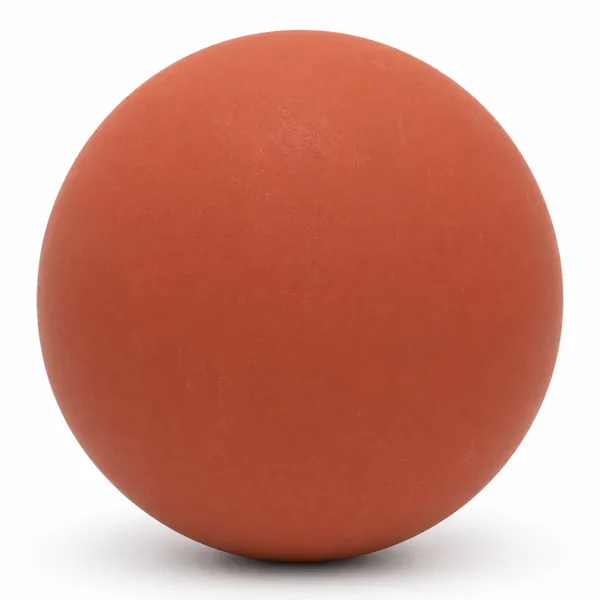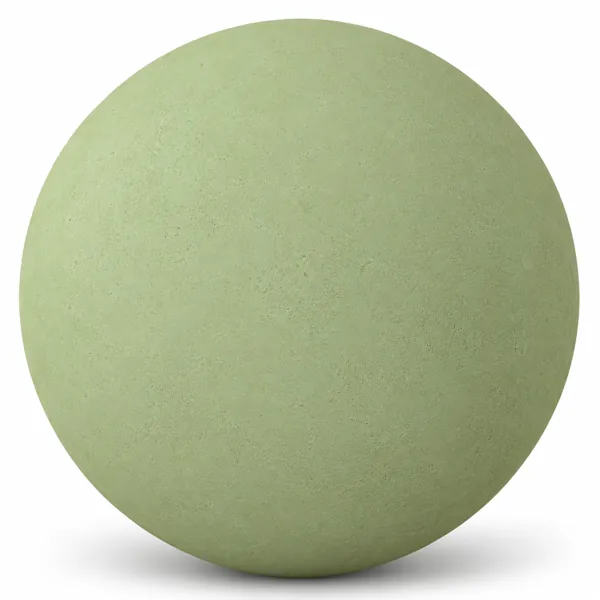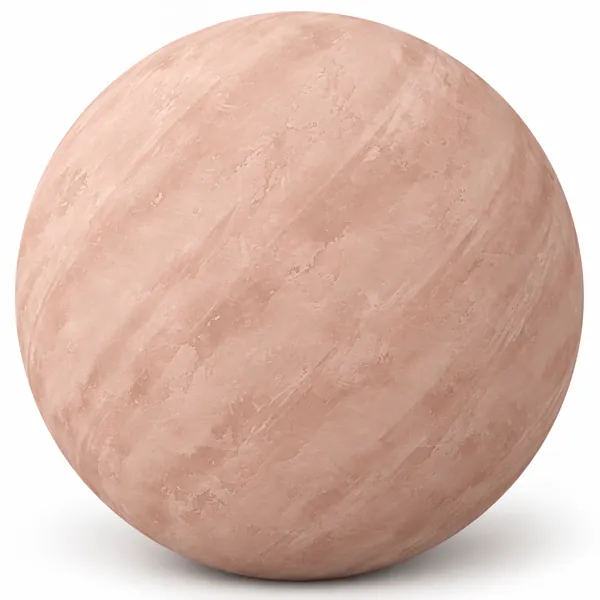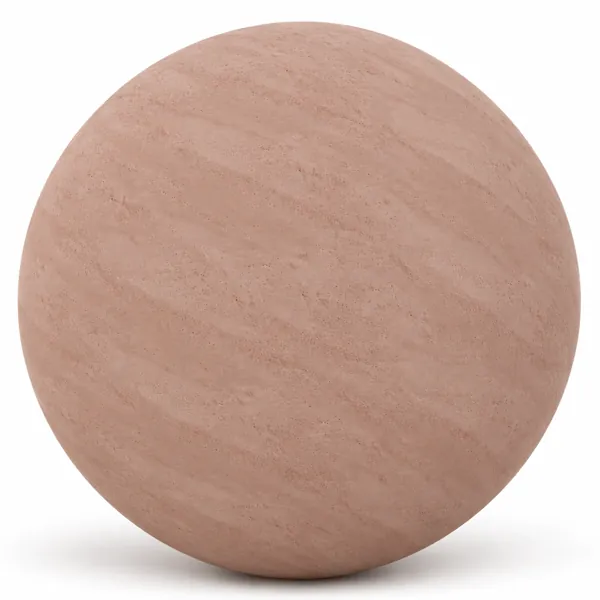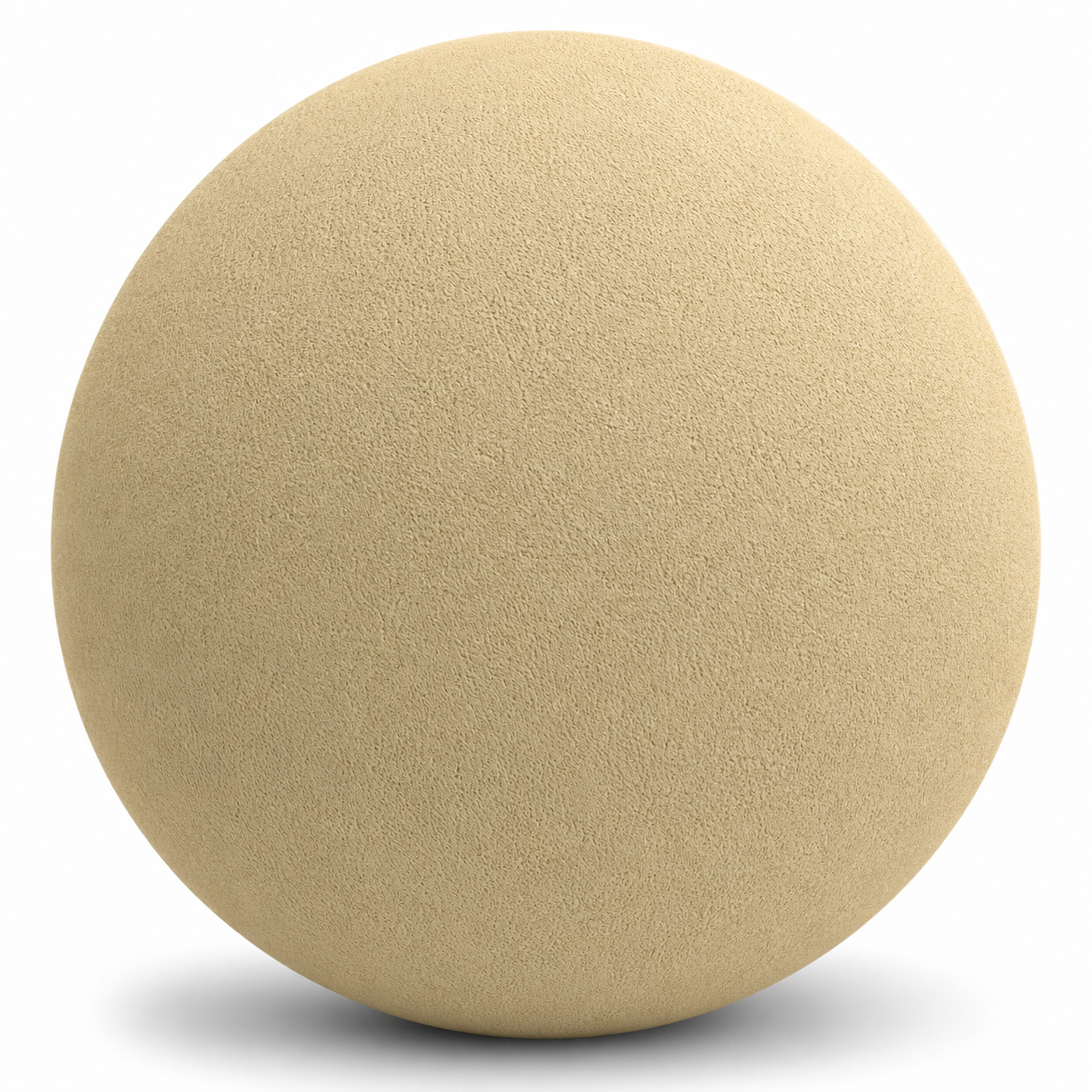
Warm Cream Fine Grain Plaster Texture
Plaster No. 00048
FREE
Specifications
- Brand
- Laruus
- Style
- Modern
- Material
- Plaster
- Suitable spaces
- Living Room, Bedroom, Office, Cafe, Commercial, Kitchen, Entrance, Childroom
- Color
- Beige
- File types
- Albedo MapAlpha MapAO MapBump MapDiffuse Color MapEdge MapEmission MapHeight MapMetallic MapNormal MapPacked Texture MapRoughness Map
Warm Cream Fine Grain Plaster Texture - High Resolution Seamless PBR Textures
Description
Warm Cream Fine Grain Plaster Texture presents a softly colored architectural surface defined by a light cream-beige tone, fine granular relief, and restrained matte character. The visible texture is consistent and understated, with small-scale irregularities distributed across the surface rather than bold cracks, dramatic stains, or pronounced decorative patterns. This subtle appearance makes the plaster suitable for contemporary interiors where walls need tactile visual depth without becoming the dominant design element. Its warm neutral color also supports modern, minimalist, organic, and softly layered interior palettes.
The surface is visually characterized by closely spaced fine grains and shallow irregularities that create a gently textured plaster finish. Rather than appearing polished or perfectly smooth, it retains a naturally worked character that becomes more noticeable under directional or grazing light. The relief remains relatively uniform in scale, helping the material read convincingly across broad architectural surfaces. Its warm cream coloration sits close to beige within the available color classification, while slight tonal variations prevent the surface from looking completely flat. These characteristics make it useful for representing decorative plaster, rendered walls, and subtly textured architectural finishes.
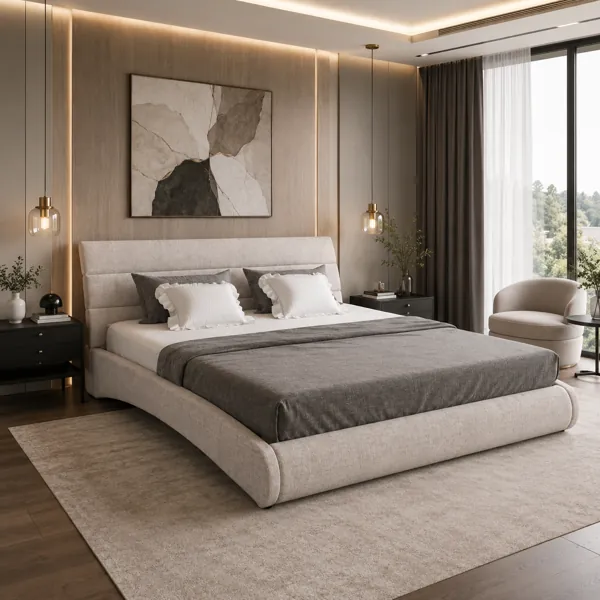
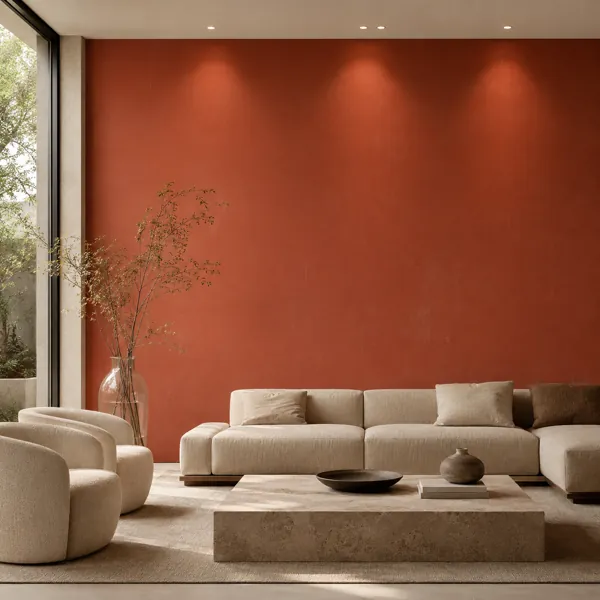
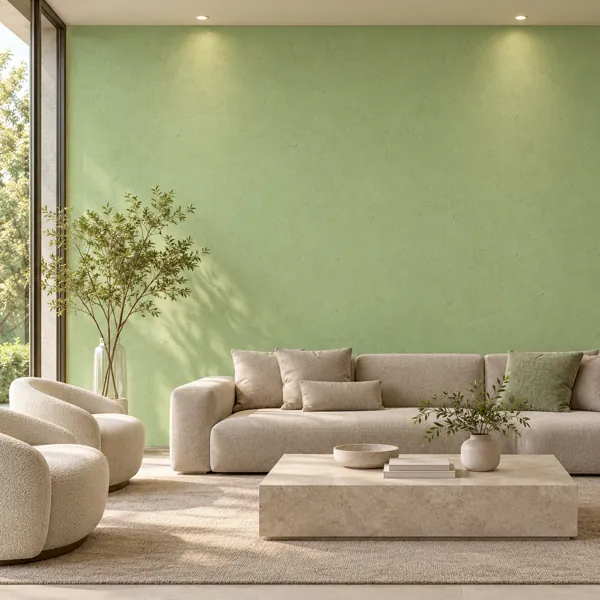
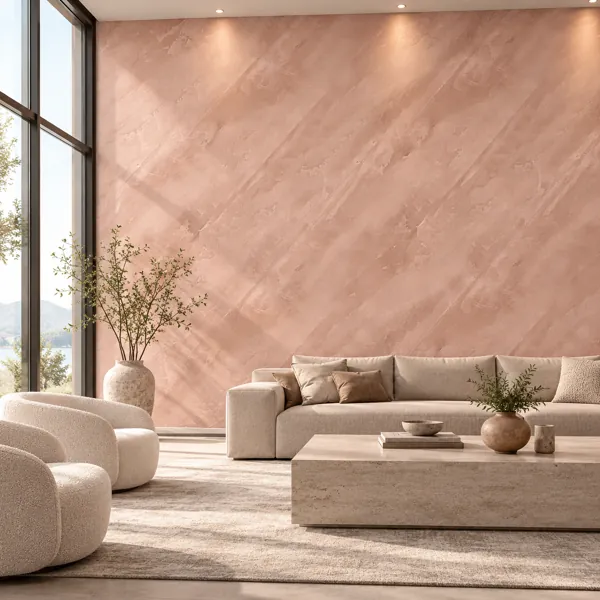
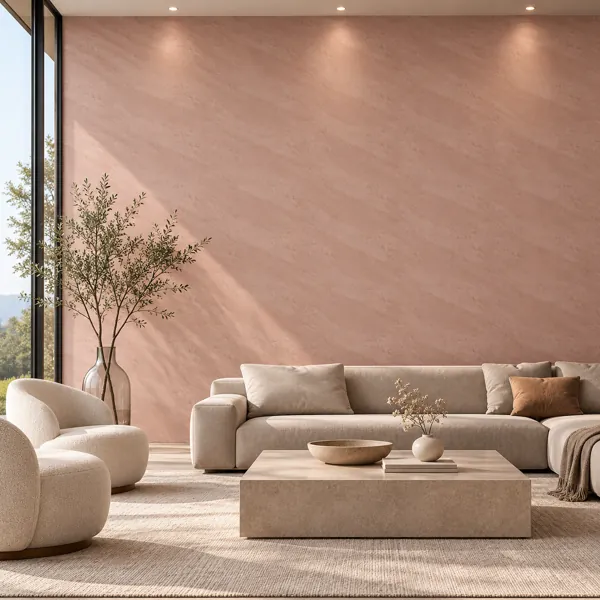
In interior applications, this warm cream plaster texture can work effectively on feature walls, full room envelopes, corridors, entrance areas, bedrooms, living rooms, offices, cafes, kitchens, and commercial environments. It pairs naturally with pale wood, neutral fabric, ceramic, stone, glass, and understated metal details. Because the pattern is fine rather than visually aggressive, designers can apply it across larger surfaces while maintaining a calm composition. It can also provide a tactile background for furniture, lighting, artwork, cabinetry, or decorative objects without introducing strong directional lines that compete with other elements in the scene.
For architectural visualization and CGI workflows, the material is especially useful when a plain painted wall would appear too visually uniform. Fine surface relief can interact with side lighting, window illumination, recessed spotlights, and indirect lighting to produce subtle shadow variation and a more believable wall response. In 3D interior scenes, the texture can support close and medium-distance camera views where small material details contribute to realism. It can be incorporated into 3ds Max workflows and other compatible PBR pipelines for residential visualization, commercial interiors, product staging, material studies, and architectural presentation imagery.
From an interior design perspective, the cream-beige tone offers considerable flexibility. It can support monochromatic schemes built around ivory, sand, beige, taupe, and warm grey, or act as a quiet backdrop for darker wood and contrasting furniture. The fine-grain plaster character is particularly appropriate for contemporary spaces seeking a handcrafted or mineral-inspired wall appearance without heavy weathering. Natural daylight can emphasize the restrained grain, while softer artificial lighting can maintain the material's calm and uniform appearance. This balance makes the texture adaptable to both minimal compositions and more layered interiors.
The supplied texture package includes Albedo Map, Alpha Map, AO Map, Bump Map, Diffuse Color Map, Edge Map, Emission Map, Height Map, Metallic Map, Normal Map, Packed Texture Map, and Roughness Map files. These map types provide options for building and adjusting the material response within compatible PBR rendering workflows. Bump, Normal, Height, and Roughness information can be used according to the needs of the target renderer and scene, while color-related maps establish the visible cream plaster appearance. For best results, material scale and surface relief should remain restrained so the fine granular structure retains the proportions visible in the reference.
Frequently asked questions
Is this texture free?
Yes. You can download it with a free Laruus account. Free textures are limited to 5 downloads per day.
Which software can I use this texture in?
The maps are standard image files, so they work in any renderer with PBR materials, such as Corona or V-Ray in 3ds Max, Blender, SketchUp with V-Ray or Enscape, and Unreal Engine.
What do I get when I download it?
A 60.2 MB download. It was added to Laruus on August 31, 2026.
Which spaces is it suitable for?
It suits Living Room, Bedroom, Office, Cafe, Commercial, Kitchen, Entrance, and Childroom projects. Style: Modern.