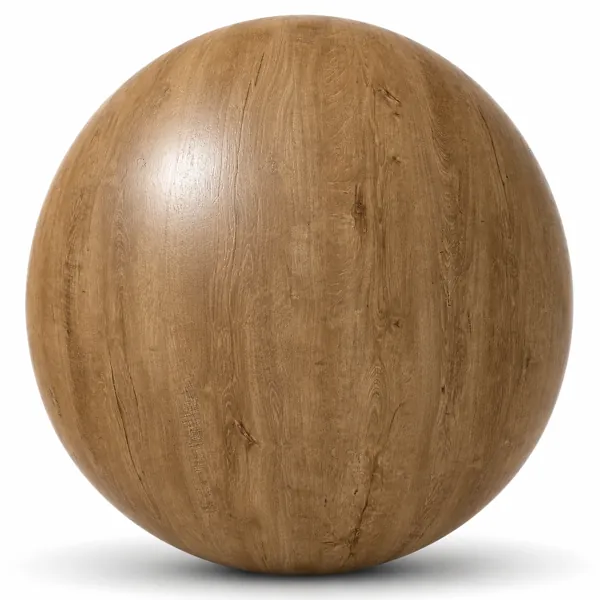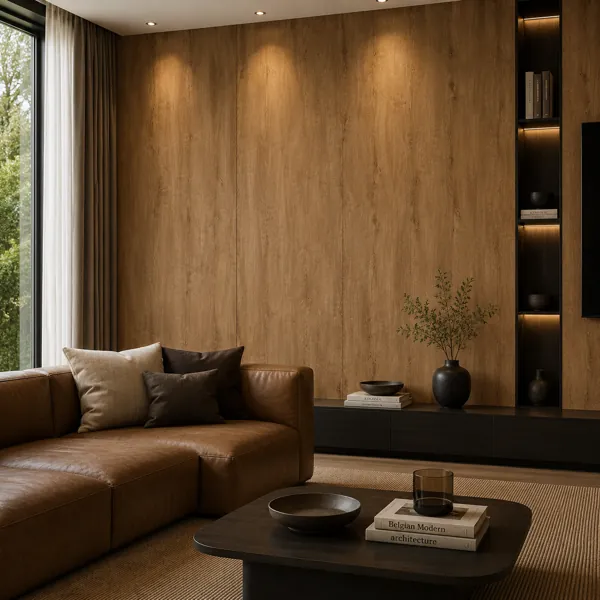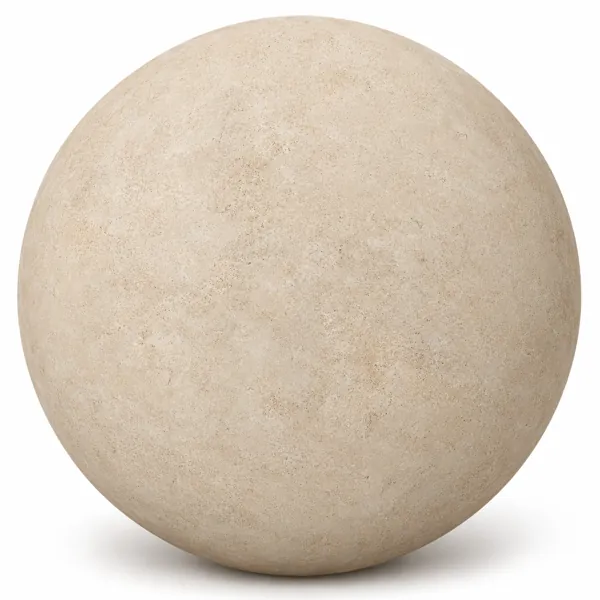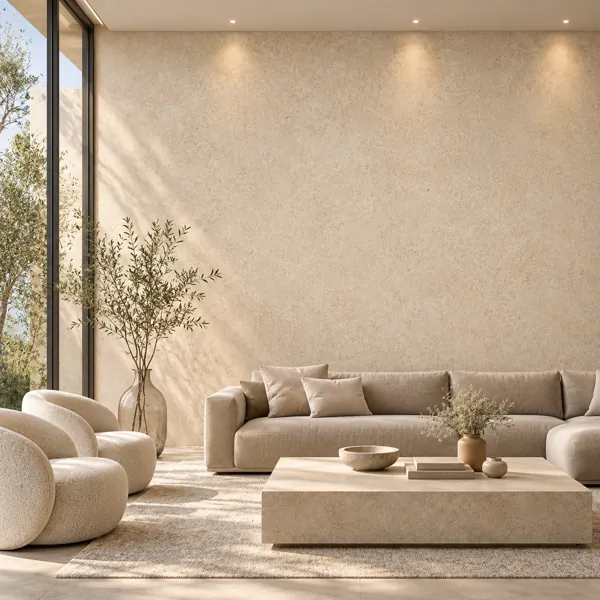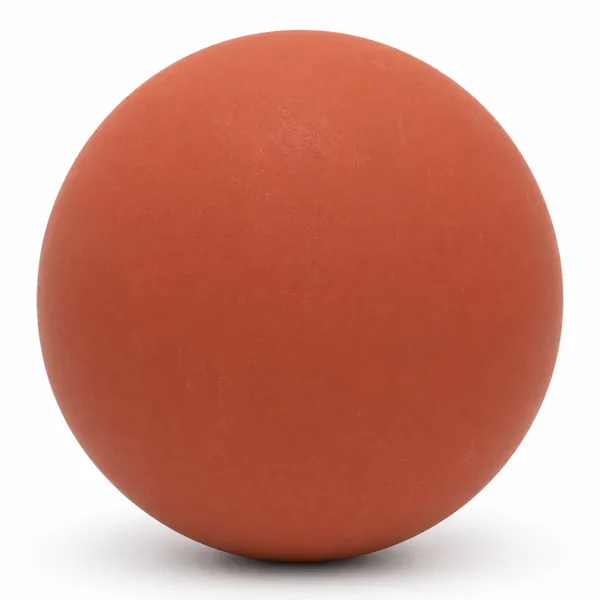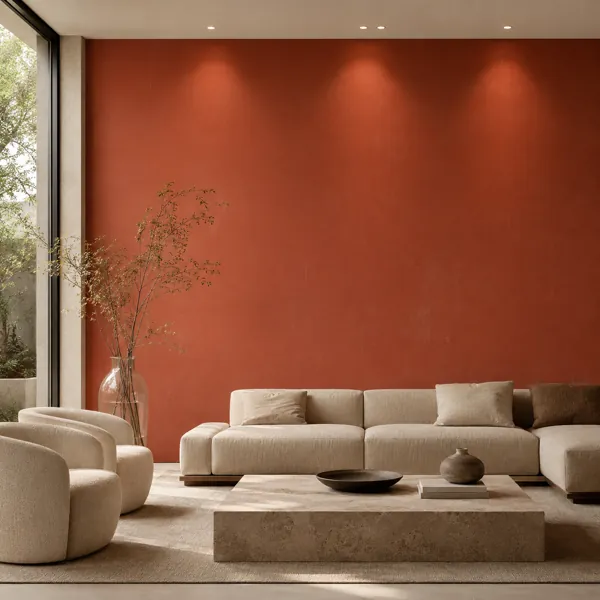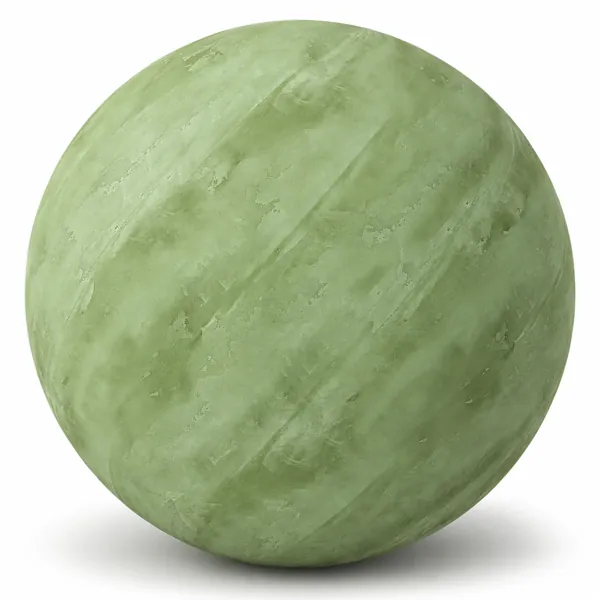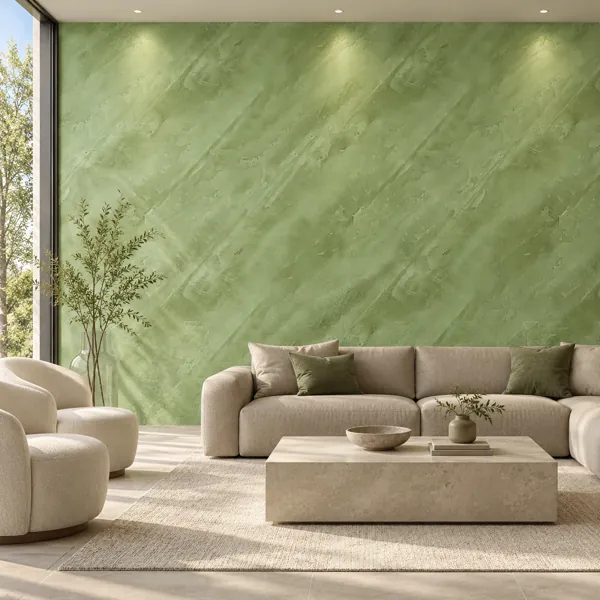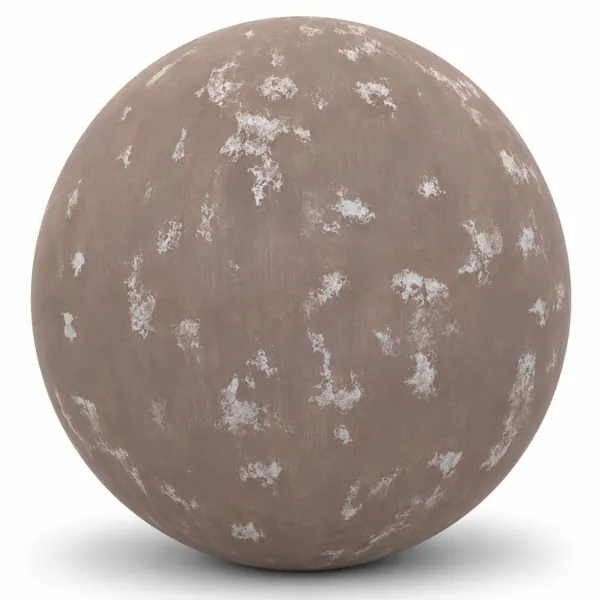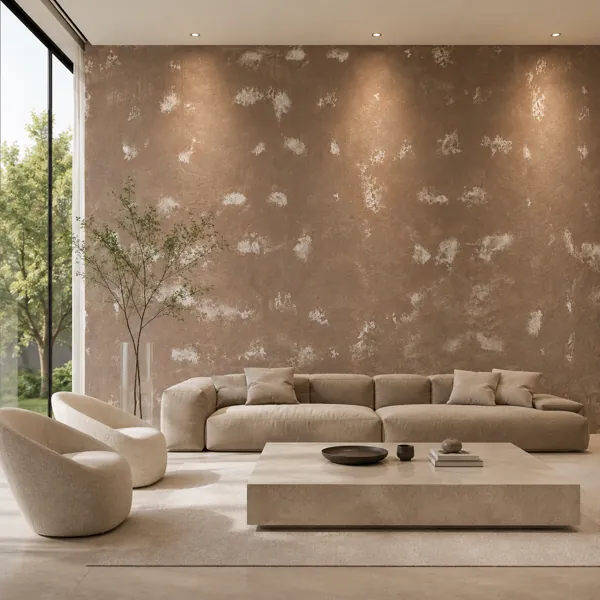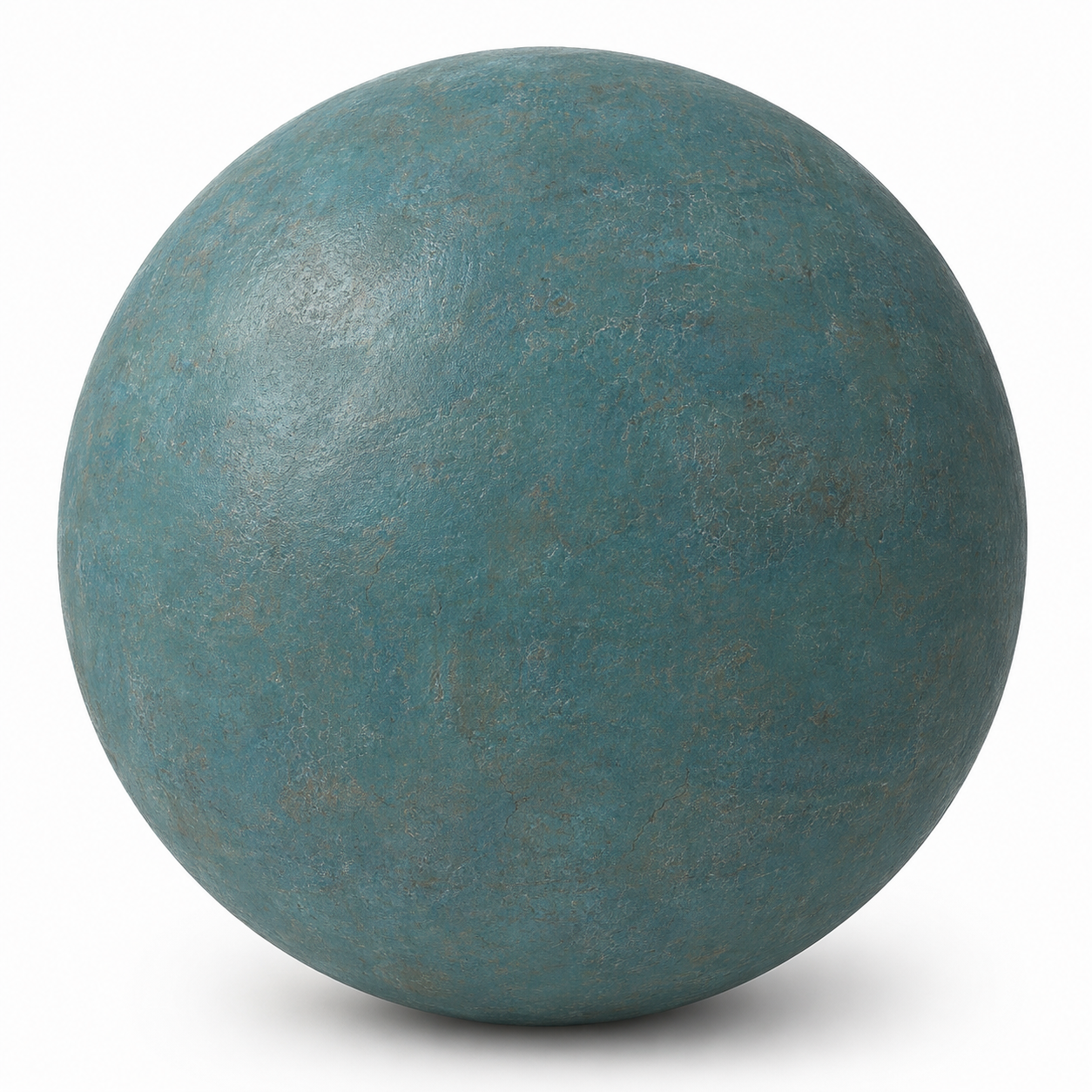
Weathered Teal Blue Mottled Plaster Texture
Plaster No. 00044
FREE
Specifications
- Brand
- Laruus
- Style
- Modern
- Material
- Plaster
- Suitable spaces
- Living Room, Bedroom, Office, Cafe, Commercial, Kitchen, Entrance
- Color
- BlueGrayBrown
- File types
- Albedo MapAlpha MapAO MapBump MapDiffuse Color MapEdge MapEmission MapHeight MapMetallic MapNormal MapPacked Texture MapRoughness Map
Weathered Teal Blue Mottled Plaster Texture - High Resolution Seamless PBR Textures
Description
Weathered Teal Blue Mottled Plaster Texture presents a distinctive blue-green plaster surface with muted grey undertones, scattered brown discoloration and delicate signs of natural-looking wear. Its visual character comes from irregular cloudy transitions, fine granular detail, faint application marks and restrained surface imperfections rather than a strong repeating pattern. Subtle hairline-like marks and lightly distressed areas add variation without overwhelming the underlying teal blue color. The result is a layered matte plaster appearance suited to modern interiors that require a more aged, tactile and visually nuanced wall finish.
The material combines a predominantly muted teal blue base with greyed areas and small warm brown accents distributed unevenly across the surface. Fine grain remains visible throughout, while soft patches and lightly weathered markings create a varied but cohesive appearance at larger scale. The surface does not read as polished stone or glossy paint; instead, its character is closer to an aged decorative plaster finish with restrained irregularity. Maintaining an appropriate real-world mapping scale is important so the fine marks, grain and delicate worn details remain proportional rather than becoming oversized or excessively rough when applied to architectural surfaces.
This plaster texture can work across living rooms, bedrooms, offices, cafes, commercial interiors, kitchens and entrance areas where a muted blue-green feature surface is desired. It can be used on broad statement walls or smaller architectural elements depending on the visual balance of the project. The cool teal coloring pairs naturally with warm wood, beige and grey upholstery, neutral stone, dark metal details and understated contemporary furniture. Its brown and grey surface variation can also help connect cooler wall colors with warmer materials, making the texture useful for interiors built around balanced earthy and mineral-inspired palettes.
For architectural visualization and CGI workflows, the texture offers a detailed basis for building realistic plaster materials in 3ds Max and other compatible visualization environments. The supplied files include Albedo Map, Alpha Map, AO Map, Bump Map, Diffuse Color Map, Edge Map, Emission Map, Height Map, Metallic Map, Normal Map, Packed Texture Map and Roughness Map. Each map can be incorporated according to the requirements of the chosen PBR material setup and renderer. Accurate UV mapping and suitable texture scale help preserve the naturally dispersed mottling and prevent the visible surface character from appearing stretched or disproportionately large in close architectural views.
Within interior design visualizations, the weathered teal blue finish can function as a focal wall while remaining sufficiently subdued to support furniture and lighting. Soft natural daylight can reveal the cool blue-green base and muted brown details, while gentle grazing illumination can emphasize the fine grain and irregular surface marks. Neutral lighting is especially useful when accurate color reproduction is important, since excessively warm illumination may shift the teal appearance toward green and obscure the cooler grey undertones. Controlled exposure also helps retain the subtle low-to-medium contrast that defines the original material character.
When preparing the final PBR material, surface depth should remain consistent with the visually fine plaster structure. Bump Map, Normal Map, Height Map and Roughness Map values can be adjusted to the renderer, camera distance and scene scale without exaggerating the shallow imperfections into deep cracks or heavy relief. Consistent UV mapping and realistic scale are particularly important for large walls, material studies and close-up CGI shots. Used with restrained displacement and physically plausible shading, the texture can retain its weathered teal identity while reading as a cohesive matte plaster surface across contemporary archviz scenes.
Frequently asked questions
Is this texture free?
Yes. You can download it with a free Laruus account. Free textures are limited to 5 downloads per day.
Which software can I use this texture in?
The maps are standard image files, so they work in any renderer with PBR materials, such as Corona or V-Ray in 3ds Max, Blender, SketchUp with V-Ray or Enscape, and Unreal Engine.
What do I get when I download it?
A 63.1 MB download. It was added to Laruus on August 31, 2026.
Which spaces is it suitable for?
It suits Living Room, Bedroom, Office, Cafe, Commercial, Kitchen, and Entrance projects. Style: Modern.