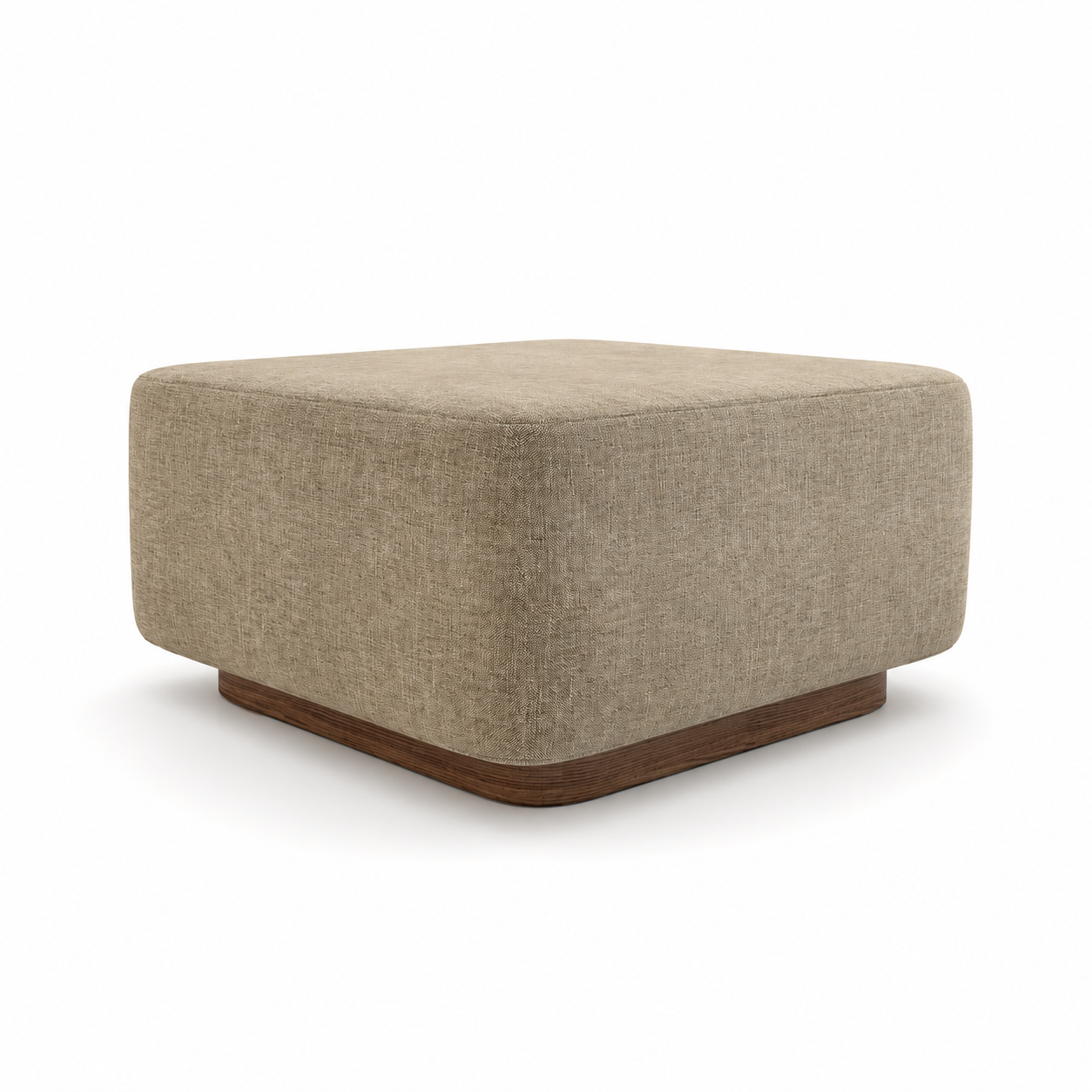
Beige Square Ottoman – Dark Wood Plinth Base 3D Model
Other Soft Seating No. 00059
FREE
Specifications
- Brand
- Laruus
- Style
- Modern
- Material
- Fabric, Wood
- Suitable spaces
- Living Room, Bedroom, Office, Cafe, Commercial, Entrance
- Color
- BeigeBrown
- File types
- 3D's MaxCorona Rendererfbxmtl3dsMapjpegobj
Soft Volume, Grounded Wood Base 3D Model 3D's Max Corona Renderer
Description
The Beige Square Ottoman – Dark Wood Plinth Base is a modern soft-seating piece defined by its broad square footprint, rounded corners, warm beige upholstery, and recessed dark wood foundation. Its most distinctive visual feature is the contrast between the substantial upholstered upper volume and the narrower wooden plinth beneath it. The top body extends slightly beyond the base on all visible sides, creating a subtle floating effect while preserving a grounded, stable appearance. The square geometry gives the ottoman a more substantial presence than a narrow bench or footstool, while softened edges and a gently cushioned top prevent the form from feeling rigid. This balance between geometric simplicity and tactile softness suits contemporary residential and commercial interiors where understated furniture is preferred.
Fabric and Wood are specified as the primary materials. The beige upholstery shows a clearly visible woven texture with mild tonal variation across the surface, producing a tactile appearance without decorative patterning. The top appears lightly padded and gently compressed, with softly rounded transitions into the vertical sides. Seam detailing is restrained, allowing the textured Fabric and overall volume to remain the primary visual focus. Beneath the upholstered body, the dark brown Wood plinth follows the square footprint with rounded corners and visible horizontal grain. The recessed placement of the base creates a narrow shadow line around the lower edge and reinforces the layered construction. The exact Wood species, Fabric composition, internal frame, filling material, foam density, joinery, physical dimensions, weight, and load capacity cannot be confirmed from the supplied render and are therefore not assumed.
In an interior setting, this square upholstered ottoman can function as an auxiliary seat, footrest, low central pouf, or flexible accent piece in a Living Room, Bedroom, Office, Entrance, Cafe, or selected Commercial environment. Its broad proportions make it suitable beside sofas and lounge chairs or as a central element within a seating arrangement. The beige Fabric works naturally with white walls, warm neutrals, stone, light timber, dark wood, brushed metals, and textured rugs. The darker Wood base adds enough contrast to keep the form visually distinct, especially against pale flooring or neutral carpet.
For Archviz and CGI workflows, the model provides a useful material contrast between woven Fabric and finished Wood. Medium camera distances clearly communicate the square silhouette, rounded corners, and recessed base. In closer renders, Fabric roughness, weave scale, subtle cushion compression, edge softness, wood grain direction, base reflections, and contact shadows become important for realism. The narrow shadow gap between the upholstered body and plinth also helps express the layered structure and should remain visible under balanced lighting. Because the design relies on restrained geometry, realistic material response is especially important in presenting the object convincingly.
From an interior design perspective, the ottoman works well in modern, minimalist, warm contemporary, and transitional spaces where soft upholstery needs to be balanced by a structured natural material. Its square footprint can visually anchor a seating group, while the rounded corners soften rectilinear architecture and nearby furniture. Used individually, it can serve as a practical low accent or footrest; arranged with complementary lounge furniture, it can support flexible social and hospitality layouts without adding unnecessary visual complexity.
The supplied technical information associates the model with 3D's Max and Corona Renderer. No downloadable file formats are specified, so file_types remains empty. Polygon count, topology, UV layout, texture resolution, exact scale, object hierarchy, modifier setup, and detailed material parameters cannot be verified from the render alone. For Archviz production, users should review scene scale, Fabric mapping, weave scale, seam shading, wood grain mapping, edge definition, contact shadows, and Corona Renderer material response after import according to the intended camera distance and lighting setup.
Frequently asked questions
Is this 3D model free?
Yes. You can download it with a free Laruus account.
Which software can I use this 3D model in?
It is prepared for 3ds Max with Corona Renderer. Via FBX and OBJ, it can be opened in Blender, Cinema 4D and Maya. Via 3DS, it can be imported into SketchUp. Corona Renderer materials need to be set up again in other programs.
What do I get when I download it?
A 17.8 MB download with 3ds Max (Corona Renderer), FBX, OBJ + MTL, and 3DS files. Texture images are included. It was added to Laruus on June 21, 2026.
Which spaces is it suitable for?
It suits Living Room, Bedroom, Office, Cafe, Commercial, and Entrance projects. Style: Modern.
Are there textures that go with it?
Yes. Laruus has textures in the same materials:
- Fabric — 142Browse Carpet Texture (92)
- Wood — 202Browse Wood Texture (102)
Can I preview it in 3D before downloading?
Yes. Use the 360 View button on the product images to rotate the model in your browser.
You might also like
Similar products
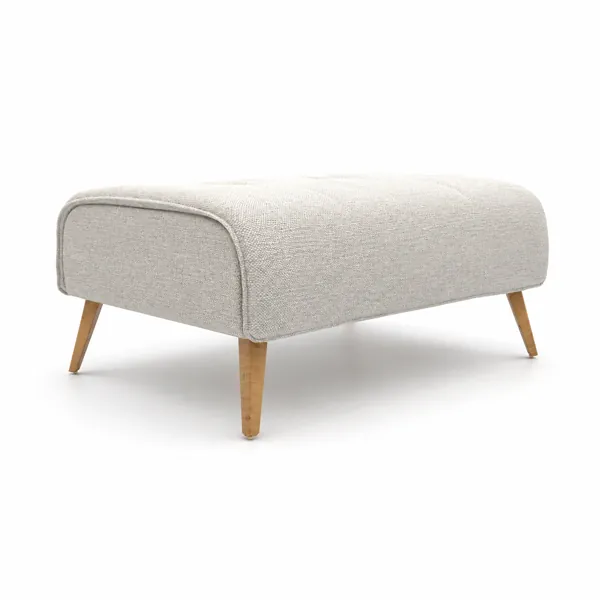
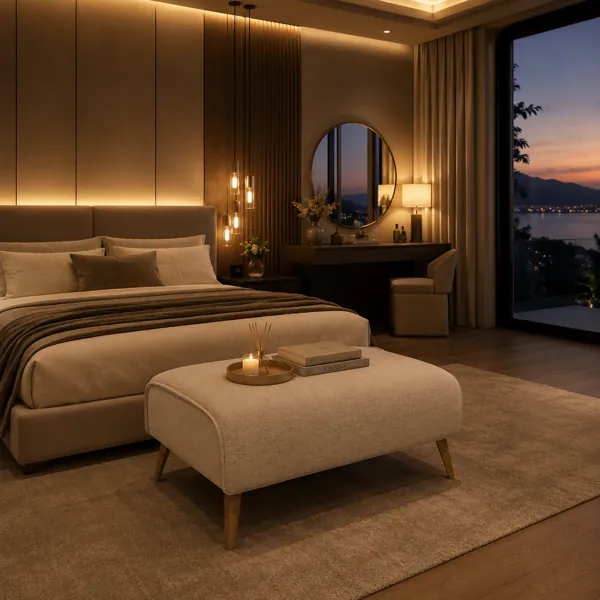
Ivory Woven Bench – Natural Wood Tapered Legs 3D Model
Laruus
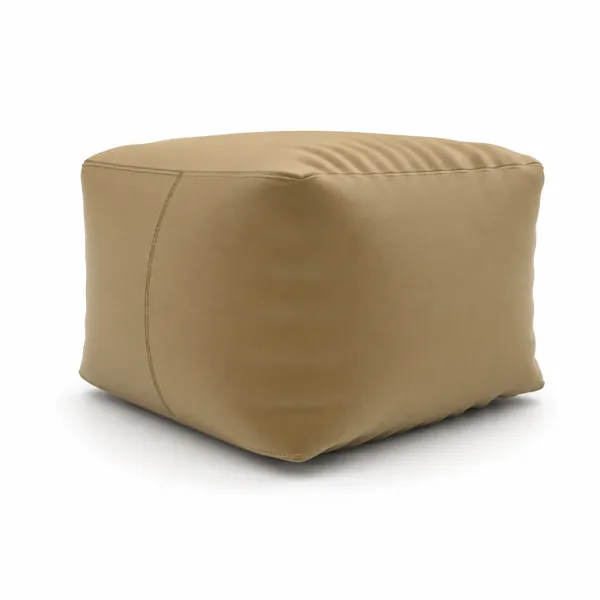
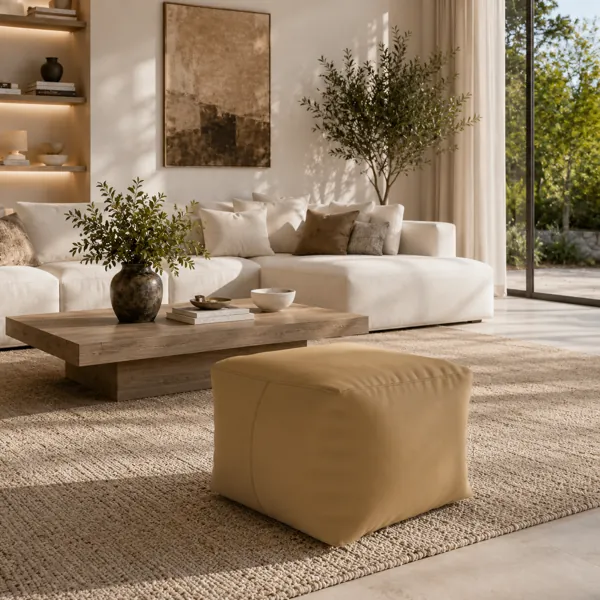
Sand Beige Fabric Cube Pouf – Relaxed Creases 3D Model
Laruus
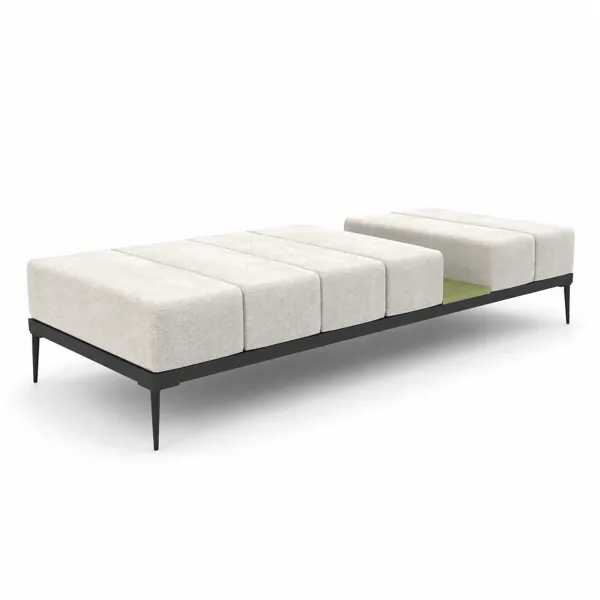
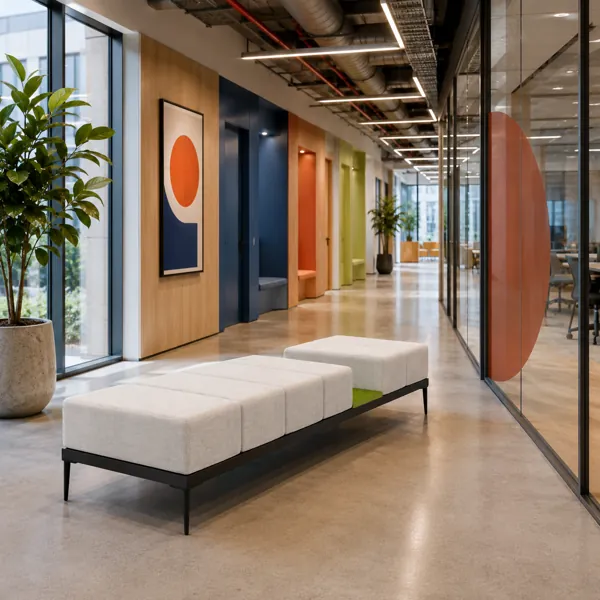
Ivory Modular Bench – Black Frame with Green Shelf 3D Model
Laruus
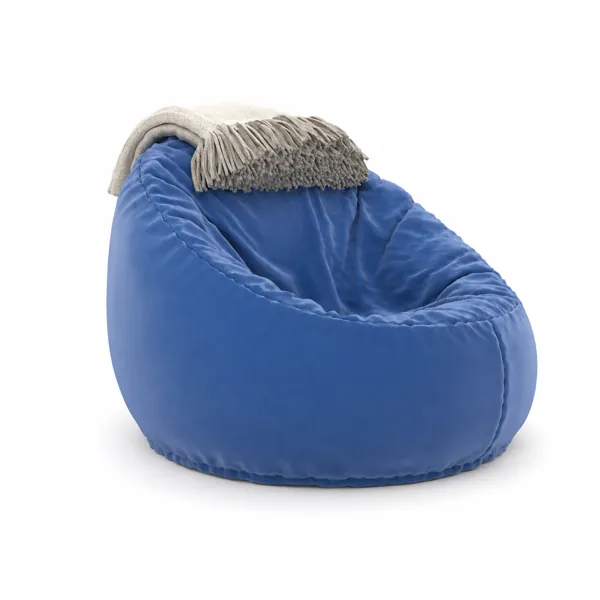
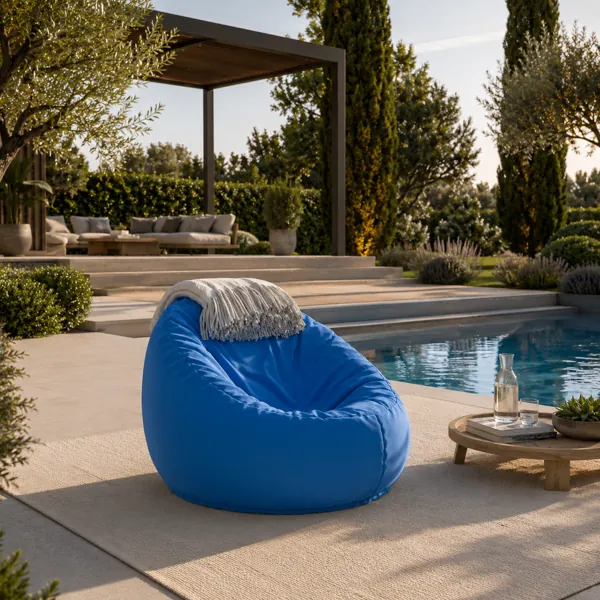
Blue Bean Bag Chair – Deep Cocoon Seat with Beige Throw 3D Model
Laruus