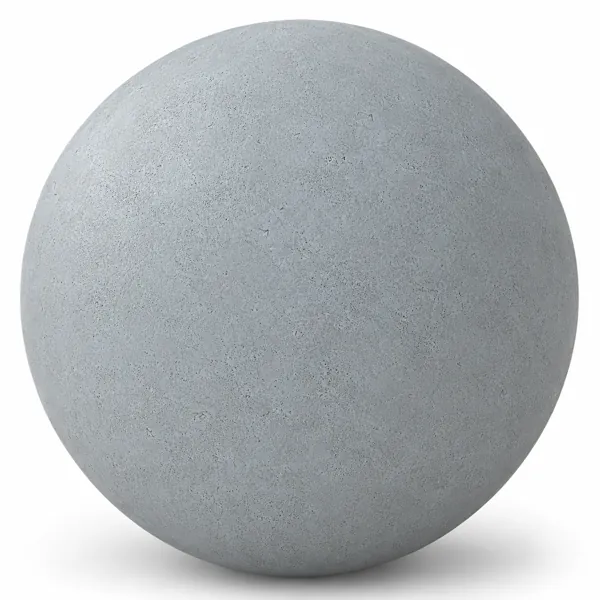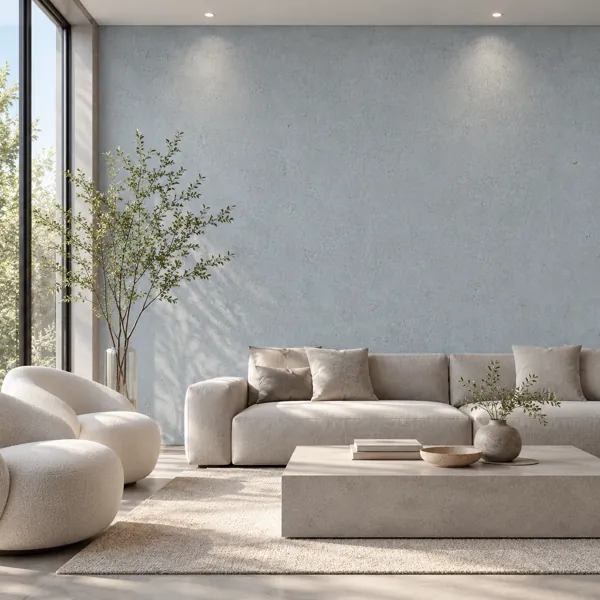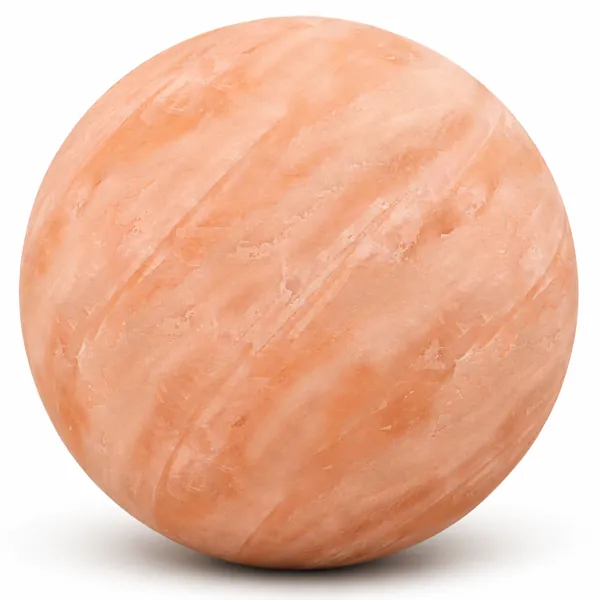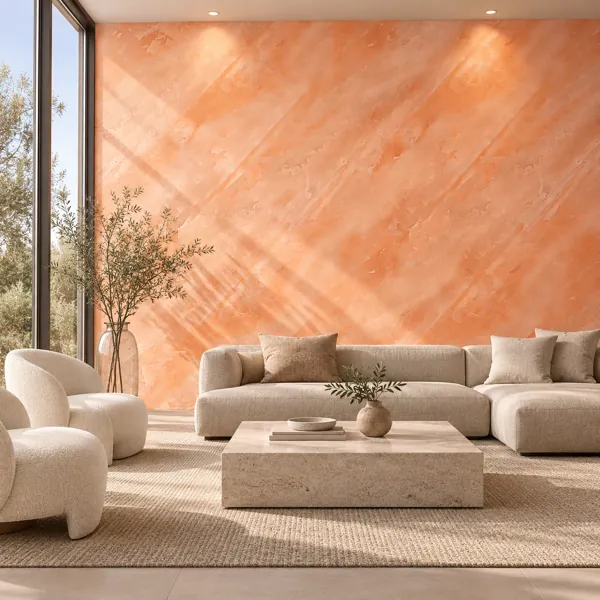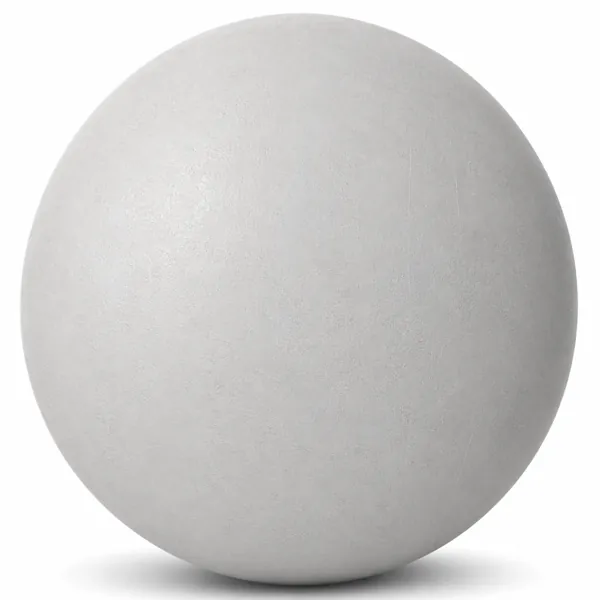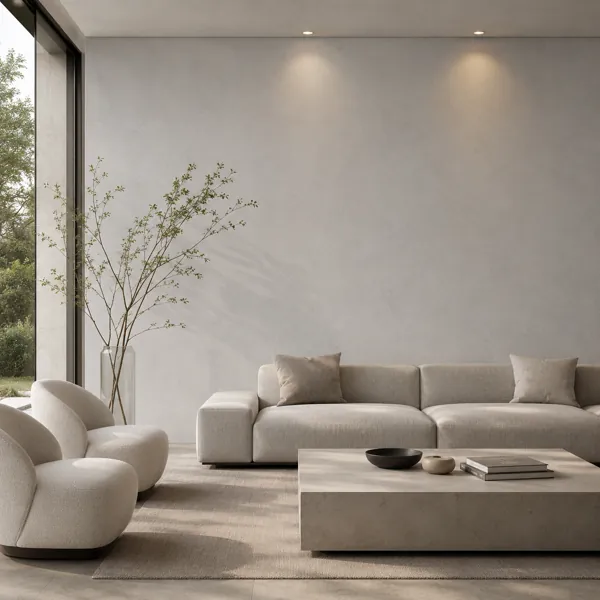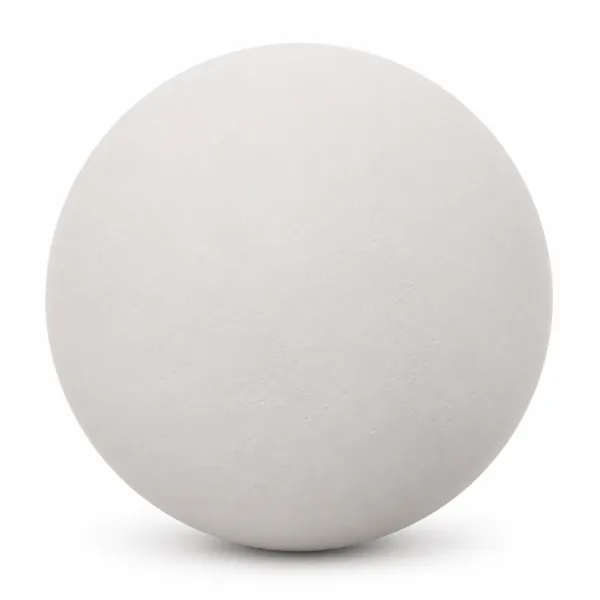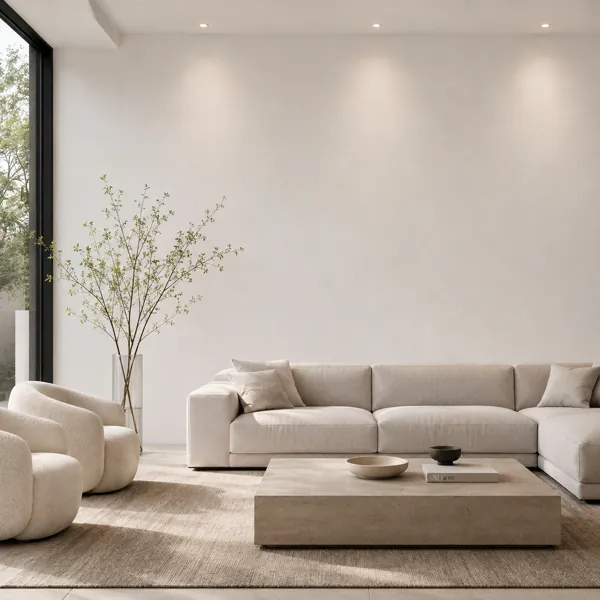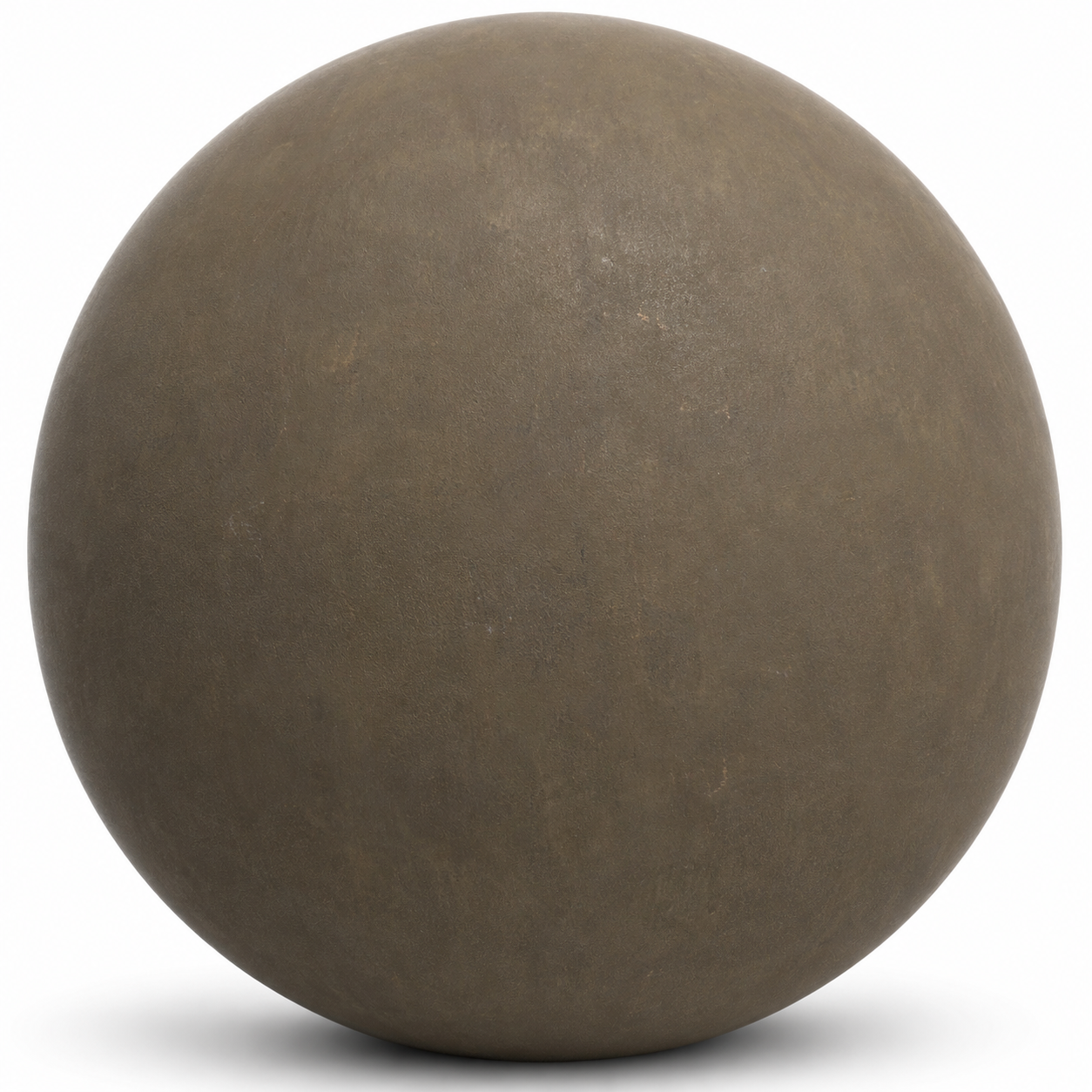
Dark Earth Brown Mottled Plaster Texture
Plaster No. 00042
FREE
Specifications
- Brand
- Laruus
- Style
- Modern
- Material
- Plaster
- Suitable spaces
- Living Room, Bedroom, Office, Cafe, Commercial, Kitchen, Entrance
- Color
- Brown
- File types
- Albedo MapAlpha MapAO MapBump MapDiffuse Color MapEdge MapEmission MapHeight MapMetallic MapNormal MapPacked Texture MapRoughness Map
Dark Earth Brown Mottled Plaster Texture - High Resolution Seamless PBR Textures
Description
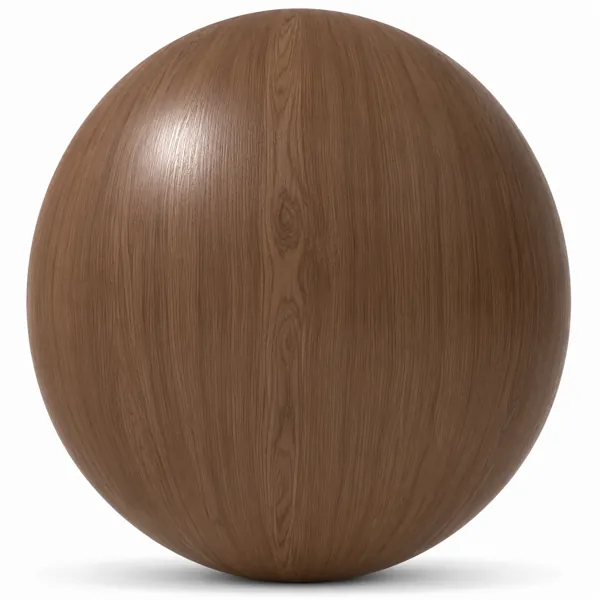
Dark Earth Brown Mottled Plaster Texture presents a deep earthy brown surface defined by restrained tonal variation, fine granular detail and softly irregular mottling. The material has a muted, matte visual character rather than a polished or reflective finish, making it suitable for contemporary interiors that require depth without an overly decorative pattern. Subtle lighter brown areas, faint cloudy transitions and scattered natural-looking marks break up the surface while maintaining a cohesive overall appearance. The result is a plaster texture with a grounded, understated identity that works particularly well with modern, minimalist and warm architectural palettes.
The visible surface combines a fine plaster grain with gentle variations in density and tone. Its brown base shifts subtly between darker and slightly warmer areas, while small imperfections and faint worn-looking traces add visual complexity at close range. These details remain relatively restrained, so the texture can cover broad architectural surfaces without becoming visually overwhelming. The material is especially effective when a design calls for a dark neutral wall finish with more character than a uniform painted surface. Its mottled appearance also provides enough variation to respond naturally to directional and grazing light in rendered environments.
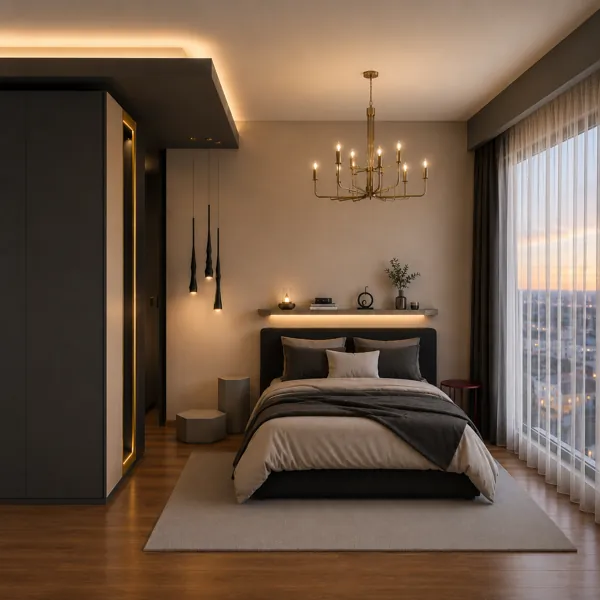
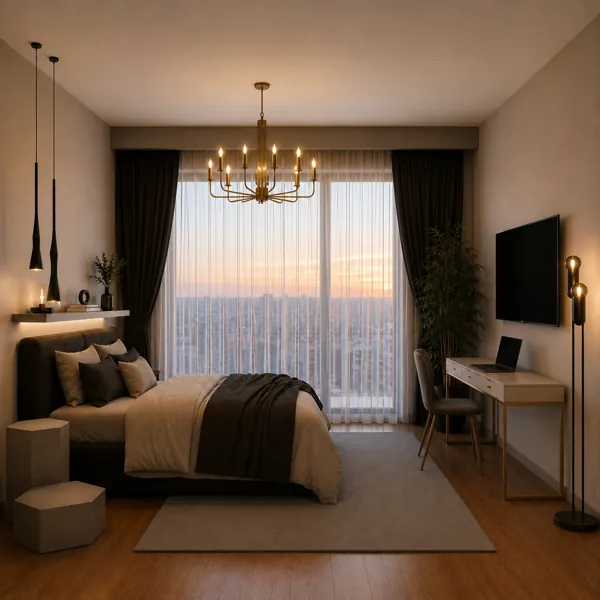
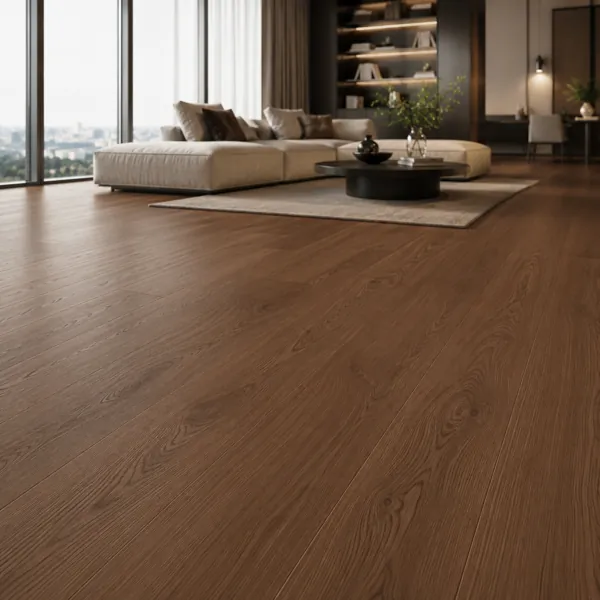
For interior applications, this dark brown plaster surface can be used on feature walls, full-height wall treatments, entrance areas, bedrooms, living rooms, offices, cafes and commercial interiors. It pairs naturally with beige upholstery, warm wood, dark metal, leather, stone and other muted mineral finishes. In minimalist rooms, the darker earth tone can establish a strong background while allowing lighter furniture and decorative objects to stand out. In hospitality or commercial concepts, it can support restrained contemporary atmospheres where tactile wall finishes form an important part of the material palette.
Within architectural visualization and CGI workflows, the texture is suited to wall materials, plastered architectural elements, background surfaces and other applications where realistic surface variation is needed. The supplied map set includes Albedo Map, Alpha Map, AO Map, Bump Map, Diffuse Color Map, Edge Map, Emission Map, Height Map, Metallic Map, Normal Map, Packed Texture Map and Roughness Map. These map types provide options for building a physically based material setup according to the requirements of the chosen 3D software and rendering workflow. Individual maps can be connected and adjusted according to scene scale, lighting conditions and the desired surface response.
The material works particularly well in archviz compositions where lighting reveals subtle surface character rather than strong geometric relief. Soft daylight can emphasize the broad mottled transitions, while controlled grazing illumination can make the finer grain and small imperfections more visible. Because the source appearance is predominantly matte and dark brown, maintaining balanced exposure is important when integrating it into a scene. Excessive contrast or overly strong highlights may reduce the understated quality visible in the reference material.
For rendering, preserve the natural earth-brown color relationship and avoid increasing saturation beyond the source appearance. Texture scale should be adjusted to the dimensions of the architectural surface so that the fine grain and scattered markings remain believable. Bump, Normal Map, Height Map and Roughness Map influence can be calibrated according to camera distance and lighting rather than exaggerated. Used with a physically based shading workflow, this plaster texture can provide a convincing dark mineral surface for close-up material studies, interior visualization, architectural CGI and broader wall applications.
Frequently asked questions
Is this texture free?
Yes. You can download it with a free Laruus account. Free textures are limited to 5 downloads per day.
Which software can I use this texture in?
The maps are standard image files, so they work in any renderer with PBR materials, such as Corona or V-Ray in 3ds Max, Blender, SketchUp with V-Ray or Enscape, and Unreal Engine.
What do I get when I download it?
A 65.2 MB download. It was added to Laruus on August 31, 2026.
Which spaces is it suitable for?
It suits Living Room, Bedroom, Office, Cafe, Commercial, Kitchen, and Entrance projects. Style: Modern.