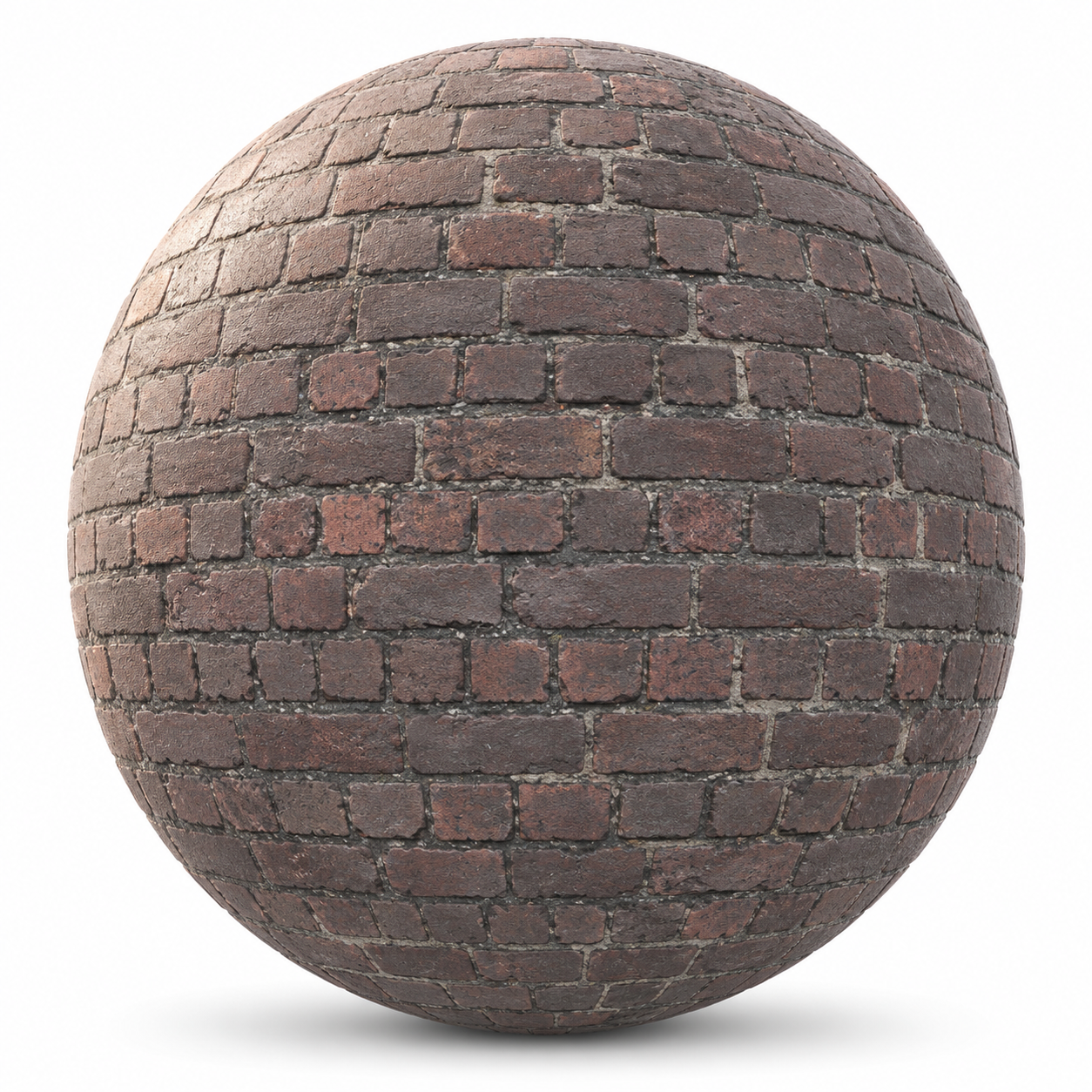
Aged Red Brick Texture
Stone No. 00020
FREE
Sign in to download.
Specifications
- Brand
- Laruus
- Style
- Modern
- Material
- Stone
- Color
- MaroonBrownGray
- File types
- Albedo MapAlpha MapAO MapBump MapDiffuse Color MapEdge MapEmission MapHeight MapMetallic MapNormal MapPacked Texture MapRoughness Map
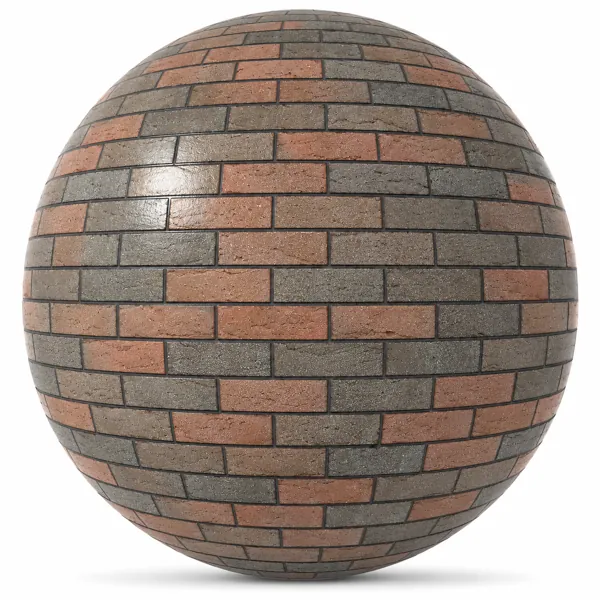
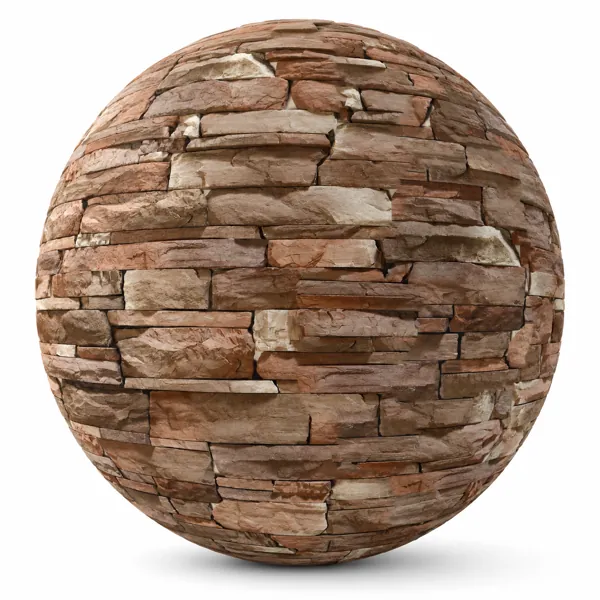
Classic Industrial Brick Surface - Seamless High Resolution Material
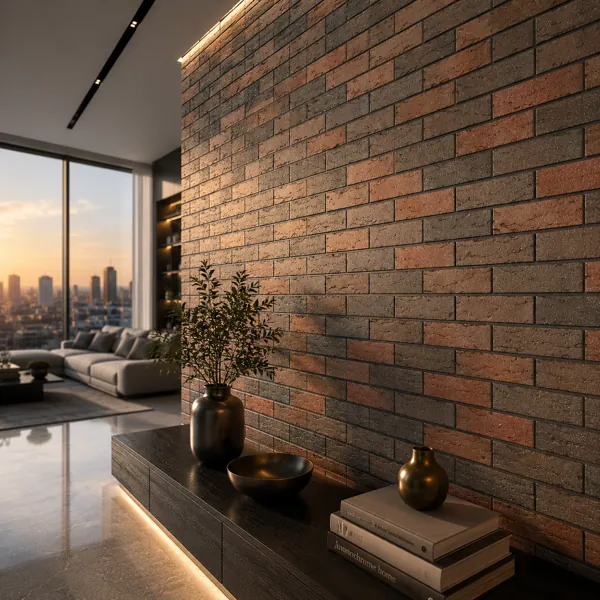
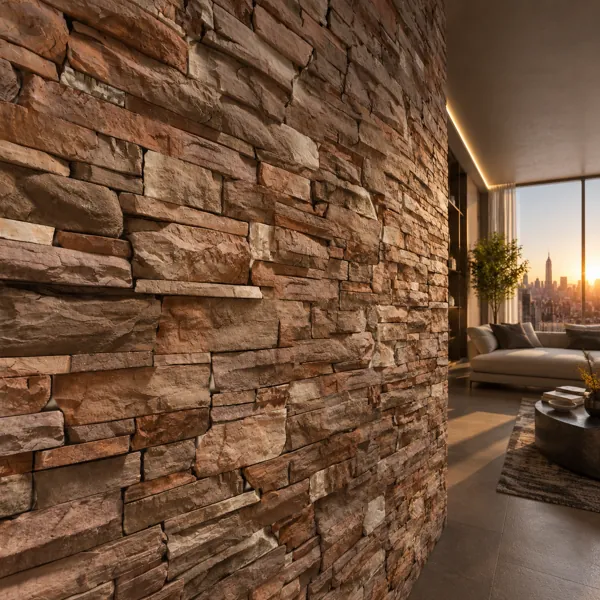
Description
This texture features a weathered brick masonry surface composed of small rectangular bricks arranged in a traditional running bond pattern. The bricks display a rich blend of dark red, brown, and muted earthy tones, creating the appearance of aged construction materials that have developed character over time. Subtle surface irregularities, softened edges, and varied coloration contribute to an authentic architectural look that works well across historical, industrial, and contemporary design contexts. The balanced combination of brick texture and visible mortar joints gives the material a strong sense of depth and realism. From the visual evidence available in the image, the surface consists of compact masonry units with noticeable tonal variation between individual bricks. Some pieces appear darker and more weathered, while others contain warmer reddish hues that introduce natural diversity across the wall. Mortar joints are clearly defined and slightly recessed, enhancing shadow formation and surface articulation. The brick faces exhibit a worn texture rather than a polished finish, suggesting long-term exposure and natural aging. While exact manufacturing methods cannot be determined from the image alone, the texture convincingly represents traditional fired brick masonry commonly seen in industrial and urban architecture. This material is suitable for a wide variety of architectural applications. It can be used on exterior facades, courtyard walls, garden structures, entrance features, commercial storefronts, and urban renovation projects. Indoors, it works particularly well in loft apartments, restaurants, cafes, offices, retail environments, and feature walls where exposed masonry contributes warmth and visual character. The darker color palette allows it to pair effectively with concrete, steel, timber, glass, and minimalist furnishings, making it adaptable across modern, industrial, and transitional interior styles. In architectural visualization workflows, aged brick textures are frequently used to establish authenticity and environmental storytelling. The variation in color and subtle wear patterns help reduce visual repetition while maintaining a coherent masonry appearance. This makes the texture especially useful for exterior renderings, streetscape visualizations, adaptive reuse projects, hospitality concepts, and urban environments. The detailed mortar lines and brick segmentation respond naturally to sunlight, artificial lighting, and ambient occlusion, contributing to believable rendering results from both close-up and distant camera perspectives. From an interior design standpoint, exposed brick surfaces remain a popular material choice because they introduce texture without overwhelming a space. The darker red-brown coloration seen in this texture creates a grounded atmosphere while maintaining compatibility with neutral palettes and contemporary furnishings. Designers can use it to create focal walls, accent surfaces, fireplace surrounds, restaurant interiors, or creative office environments where architectural character plays an important role in the overall experience. For 3ds Max and Corona Renderer projects, this brick texture offers clear material definition, strong masonry structure, and realistic surface variation. The visible brick edges, mortar recesses, and tonal differences help generate convincing highlights and shadows under a wide range of lighting conditions. These characteristics support photorealistic architectural visualization, CGI environments, real estate marketing imagery, and concept presentations where detailed masonry materials are essential for achieving believable architectural scenes.