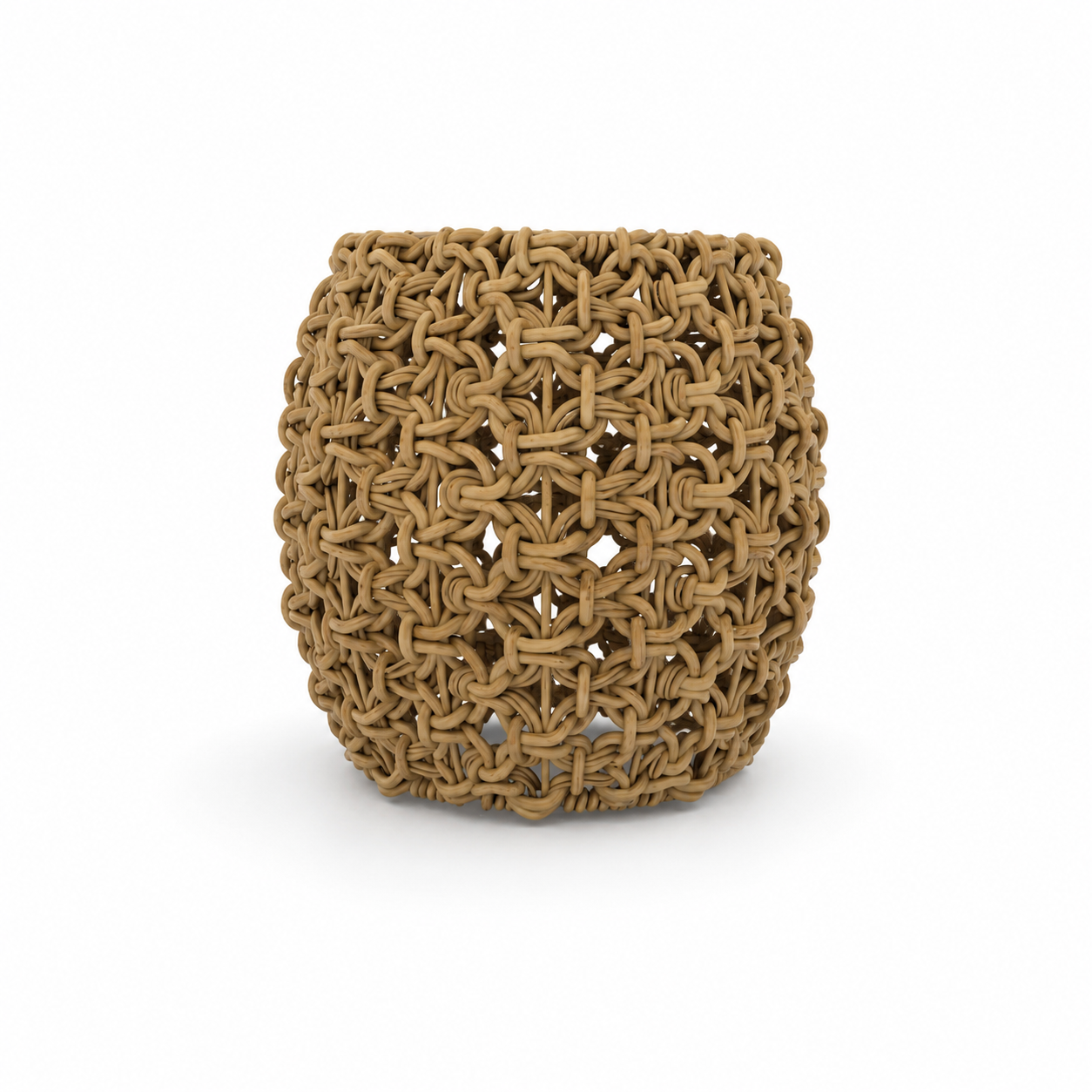
Natural Brown Open-Weave Wicker Stool 3D Model
Other Soft Seating No. 00079
FREE
Specifications
- Brand
- Laruus
- Style
- Modern
- Material
- Wood
- Suitable spaces
- Living Room, Bedroom, Cafe, Commercial
- Color
- Brown
- File types
- 3D's MaxCorona Rendererfbxmtl3dsMapjpegobj
Sculptural Open Weave Seating 3D Model 3D's Max Corona Renderer
Description
The Natural Brown Open-Weave Wicker Stool is a compact furniture piece defined by its chunky woven construction, warm natural brown tone, and softly rounded cylindrical silhouette. Rather than presenting a solid exterior, the stool uses an intentionally open lattice of thick interwoven strands, creating irregular gaps that make its structure visually distinctive. The dense network of loops and crossings gives the piece a handcrafted, tactile character while maintaining a clean overall volume suited to modern interiors. Its combination of organic texture and simple geometry makes it useful as a small stool, occasional seat, or decorative accent within relaxed contemporary settings.
Wood is specified as the primary material, while the visible construction resembles a flexible wicker or rattan-style weave formed from substantial rounded strands. The exact wood species, manufacturing technique, and internal support structure cannot be confirmed from the image. The body appears slightly wider through the middle, with softly curved transitions toward the upper and lower edges rather than a perfectly straight cylinder. Numerous overlapping strands create considerable surface depth, producing a layered structure with both projecting knots and recessed openings. The natural brown coloration varies subtly across the woven elements, reinforcing the organic appearance without introducing a contrasting finish.
As a furniture element, this open-weave stool can work particularly well in a Living Room or Bedroom as a compact auxiliary seat or textural accent beside larger upholstered furniture. Its modest footprint also makes it relevant to Cafe and Commercial interiors where small-scale furniture can help create informal seating arrangements or visually soften harder architectural materials. The warm brown surface pairs naturally with neutral Fabric upholstery, pale walls, stone finishes, timber furniture, indoor planting, and understated contemporary decor. Because the weave is visually active, the piece can introduce detail into otherwise restrained interiors without requiring a complex silhouette.
For Archviz and CGI production, the woven construction provides a strong source of close-range geometric detail. Light passing through the irregular openings can generate layered contact shadows, highlights, and negative spaces that help the model read convincingly from multiple viewing angles. The repeated yet non-uniform strand pattern is especially useful in residential lifestyle renders, hospitality visualizations, product compositions, and detailed interior camera shots where material character is important. In wider scenes, the rounded overall profile remains simple enough to complement surrounding furniture rather than dominate the composition.
From an interior design perspective, the stool balances an organic craft-inspired surface with a restrained modern form. The open weave introduces visual permeability, reducing the apparent mass of the cylindrical body and allowing background tones and lighting to remain partially visible through the structure. This characteristic makes the object suitable for layered interiors that combine natural materials with minimalist furniture. Its brown finish can support earthy palettes built around beige, cream, grey, muted green, and other wood tones while also providing warmth against cooler architectural surfaces.
The supplied technical information associates the model with 3D's Max and Corona Renderer. No downloadable file formats are specified, so file_types remains empty. Polygon count, topology, UV layout, texture resolution, object hierarchy, exact dimensions, scale, and detailed material settings cannot be determined from the provided image. For Archviz use, verify scene scale after import and review the woven geometry, material roughness, contact shadows, strand intersections, and Corona Renderer settings according to the intended lighting setup and camera distance.
Frequently asked questions
Is this 3D model free?
Yes. You can download it with a free Laruus account.
Which software can I use this 3D model in?
It is prepared for 3ds Max with Corona Renderer. Via FBX and OBJ, it can be opened in Blender, Cinema 4D and Maya. Via 3DS, it can be imported into SketchUp. Corona Renderer materials need to be set up again in other programs.
What do I get when I download it?
A 86.4 MB download with 3ds Max (Corona Renderer), FBX, OBJ + MTL, and 3DS files. Texture images are included. It was added to Laruus on June 21, 2026.
Which spaces is it suitable for?
It suits Living Room, Bedroom, Cafe, and Commercial projects. Style: Modern.
Are there textures that go with it?
Yes. Laruus has textures in the same materials:
- Wood — 202Browse Wood Texture (102)
Can I preview it in 3D before downloading?
Yes. Use the 360 View button on the product images to rotate the model in your browser.
You might also like
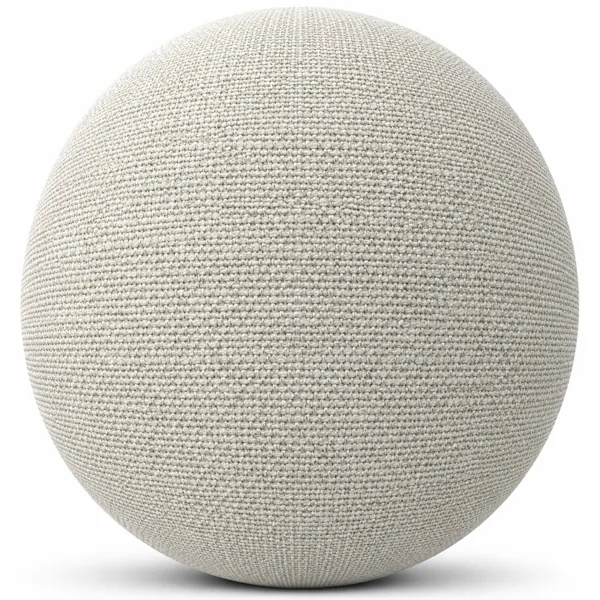
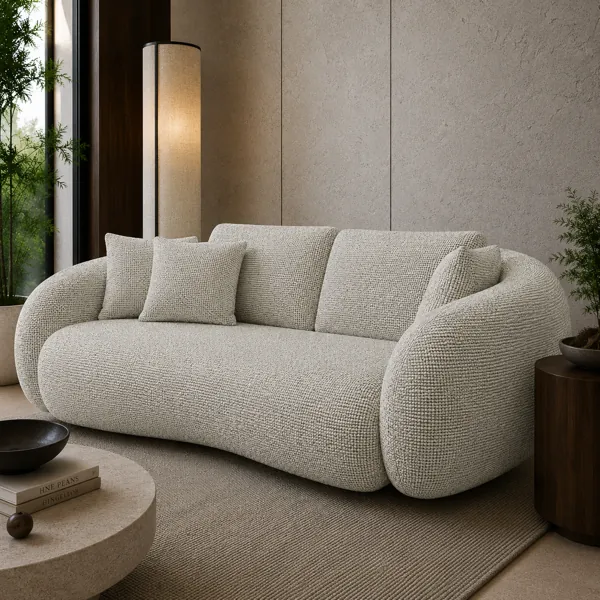
Warm Ivory Woven Fabric Texture – Dense Pebble Weave
Laruus
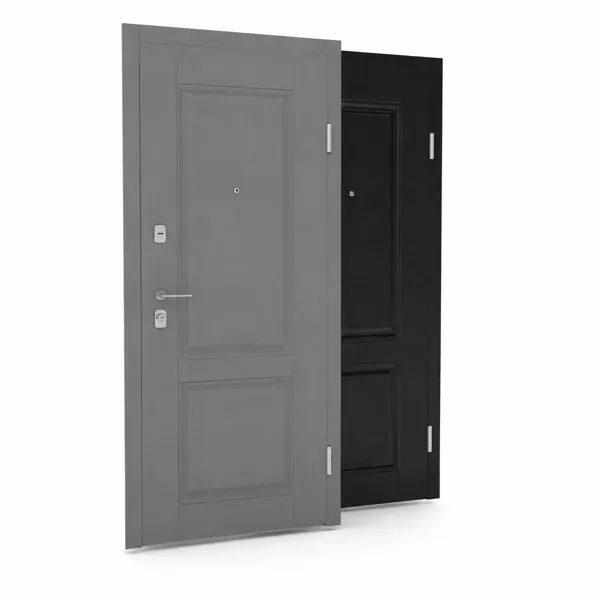
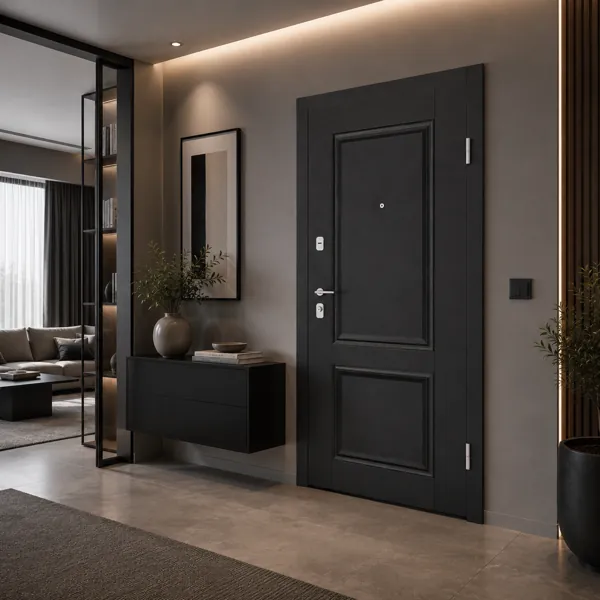
Modern Metal Panel Door – Gray & Black with Silver Hardware 3D Model
Laruus
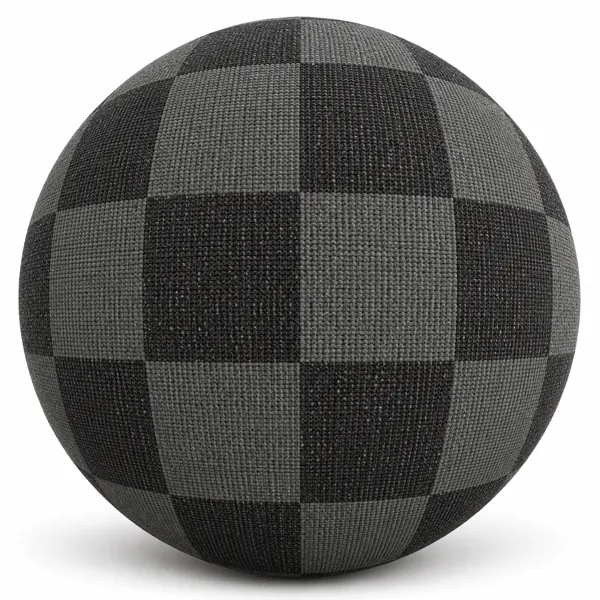
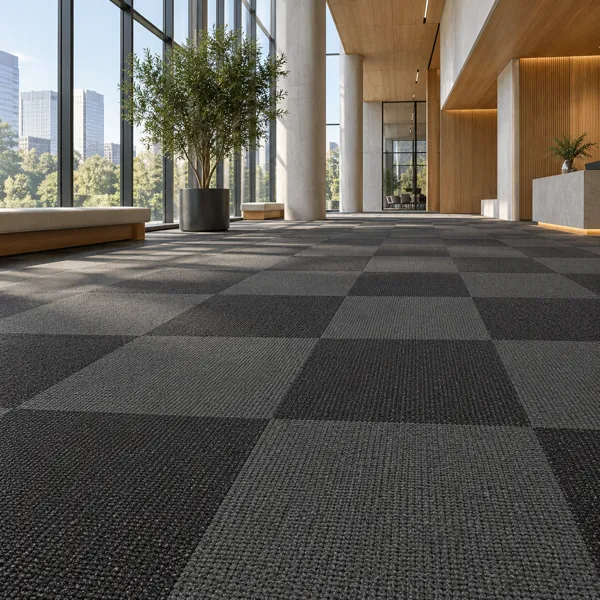
Graphite Charcoal Checkerboard Carpet Tile Texture
Laruus
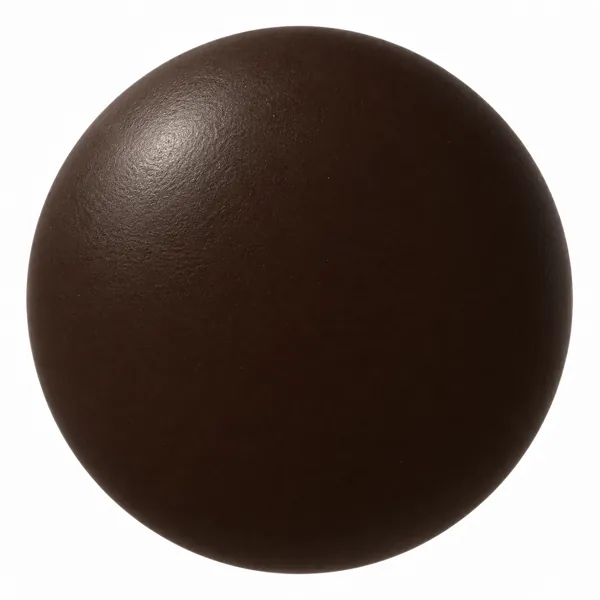
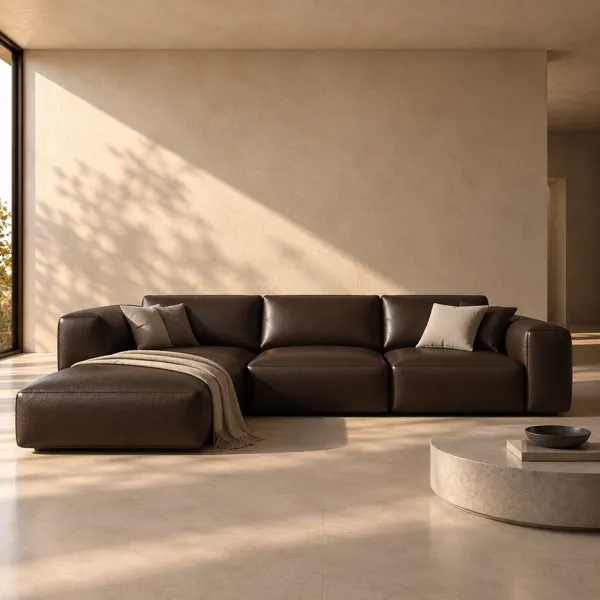
Dark Chocolate Brown Fine Grain Leather Texture
Laruus
Similar products
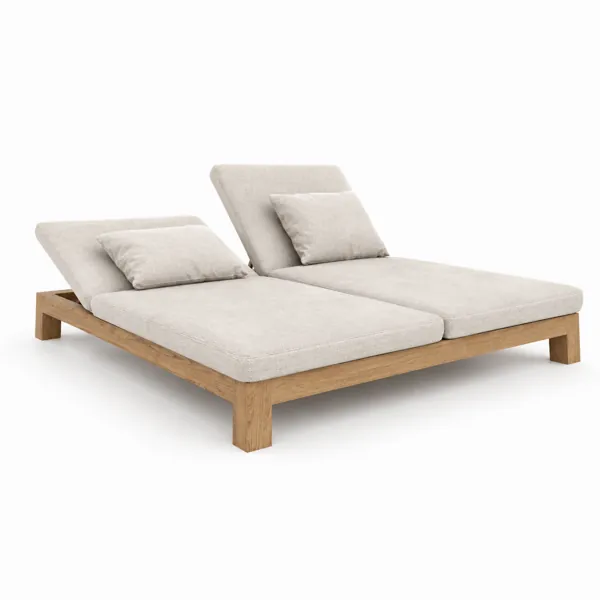
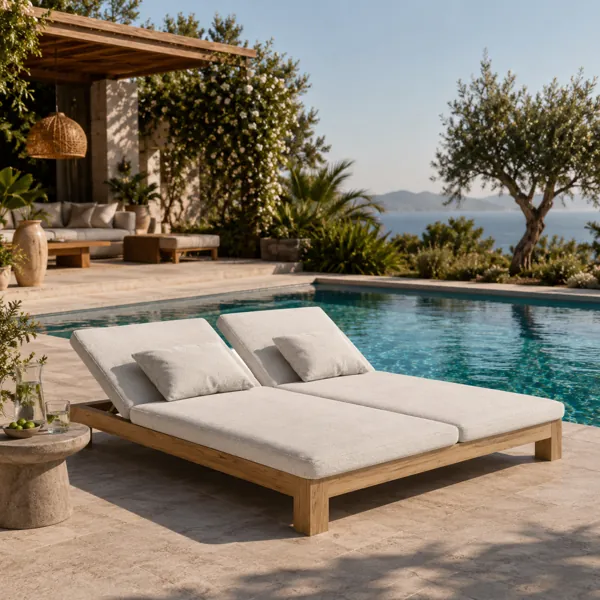
Beige Double Daybed – Natural Wood Frame and Twin Backrests 3D Model
Laruus
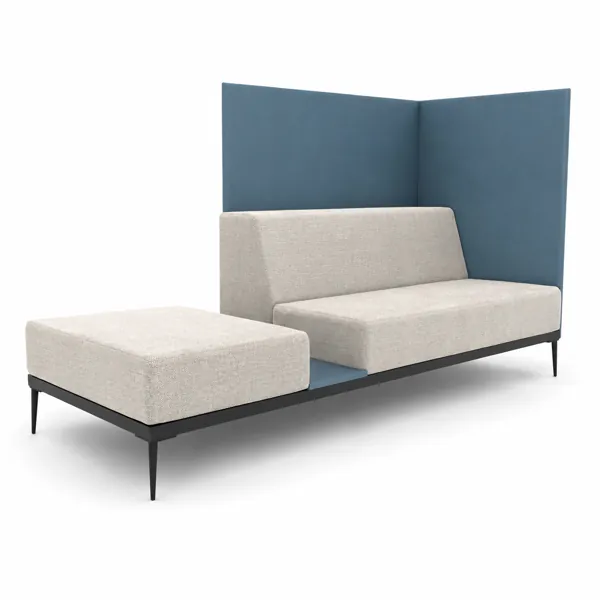
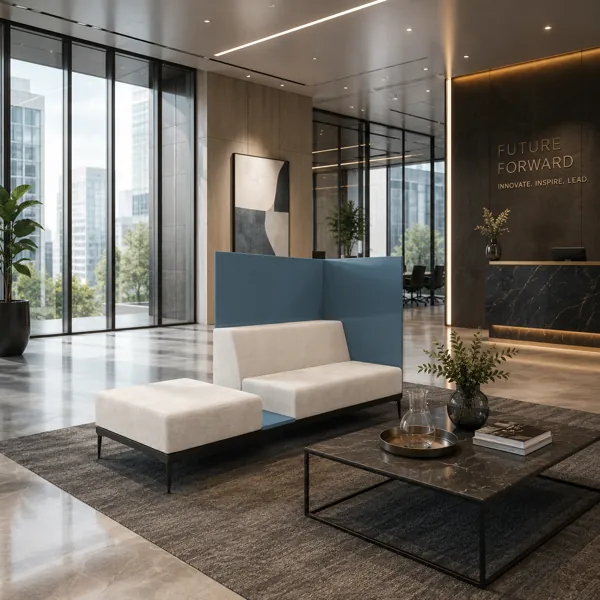
Ivory Modular Lounge Bench – Blue Corner Privacy Panels 3D Model
Laruus
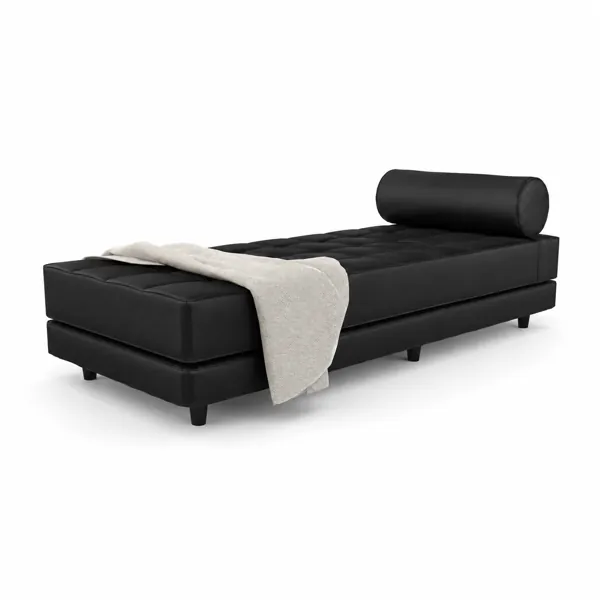
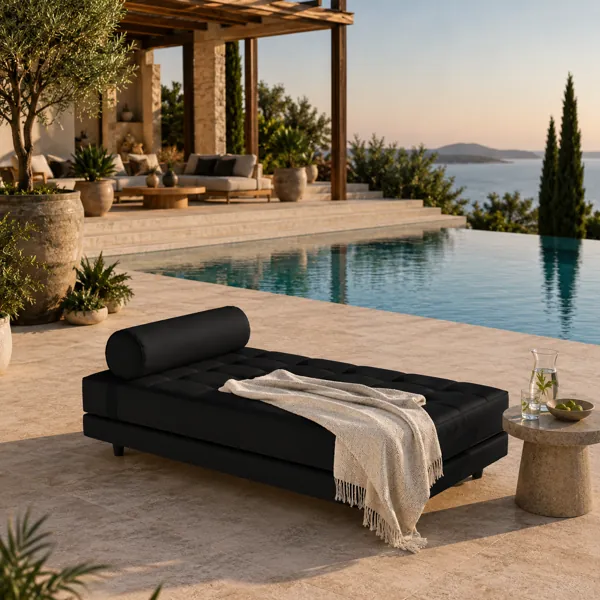
Black Tufted Daybed – Cylindrical Bolster with Beige Throw 3D Model
Laruus
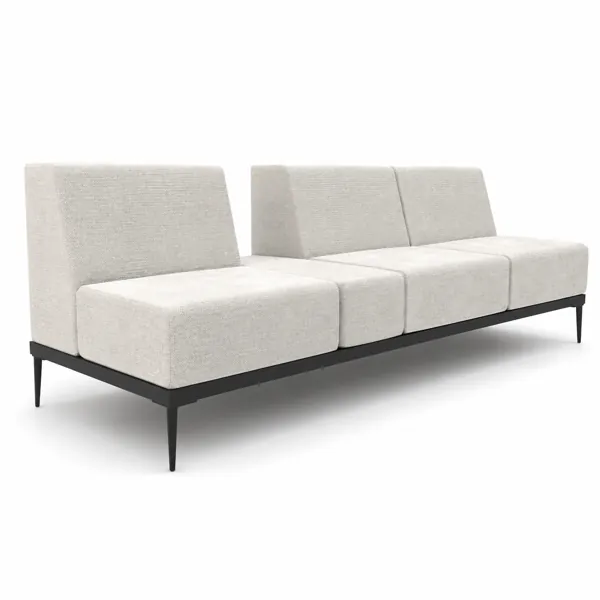
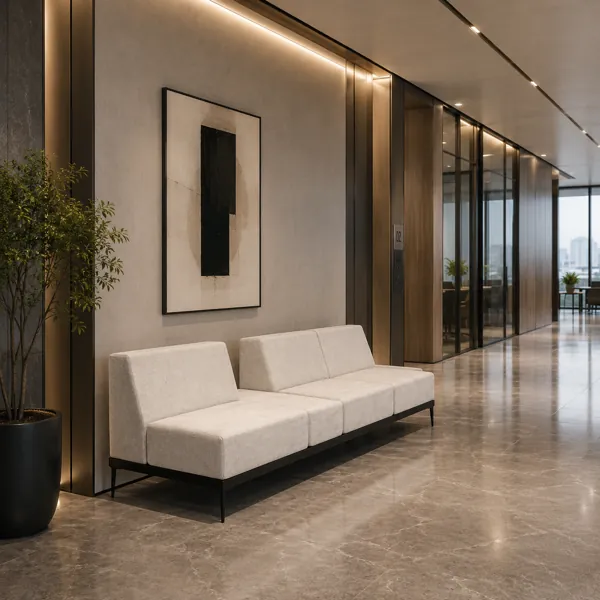
Ivory Modular Bench Sofa – Split Backrest 3D Model
Laruus