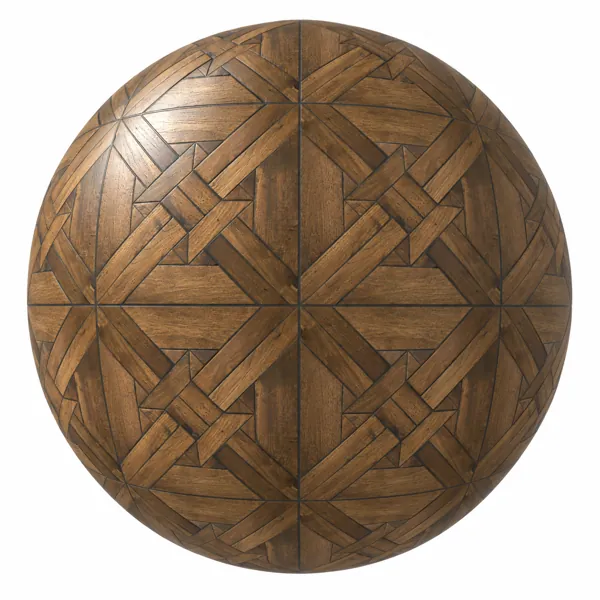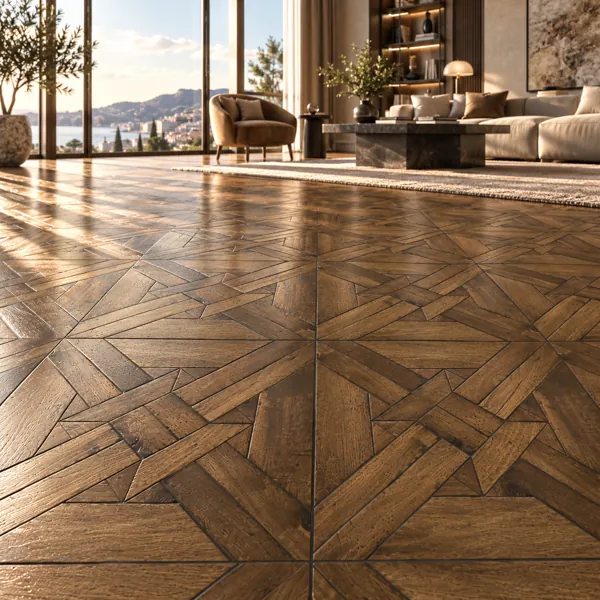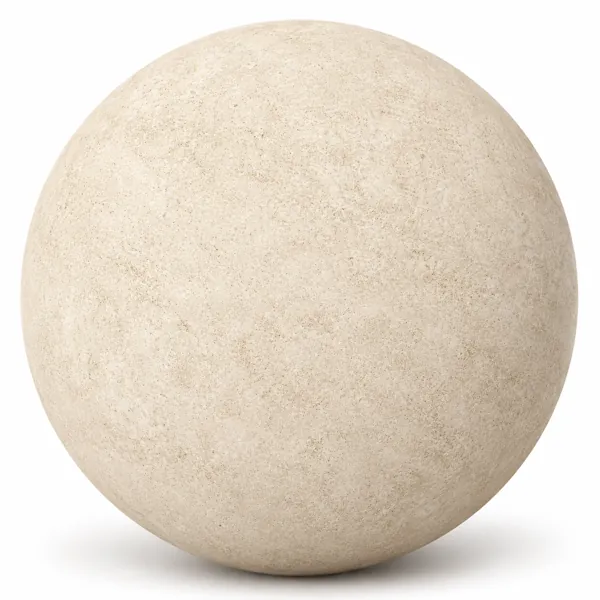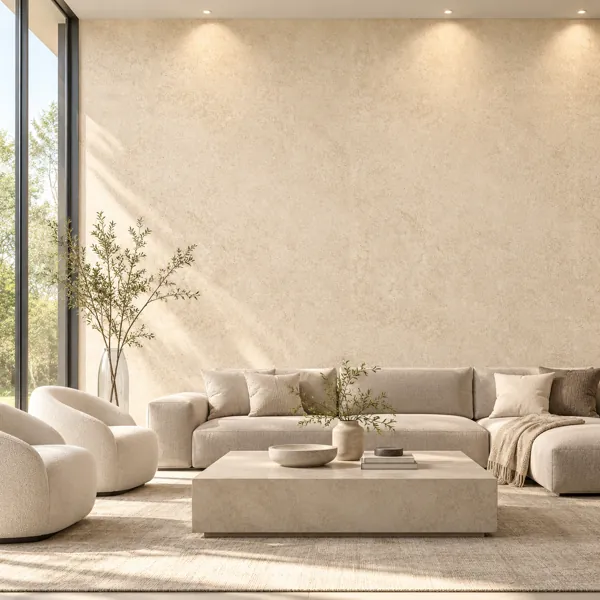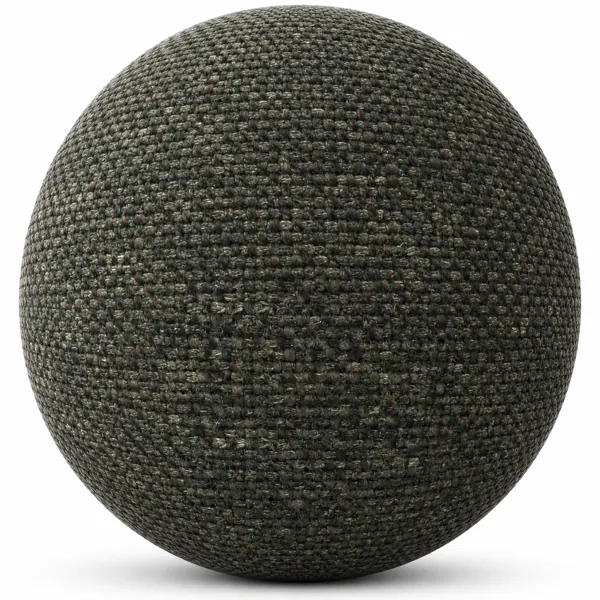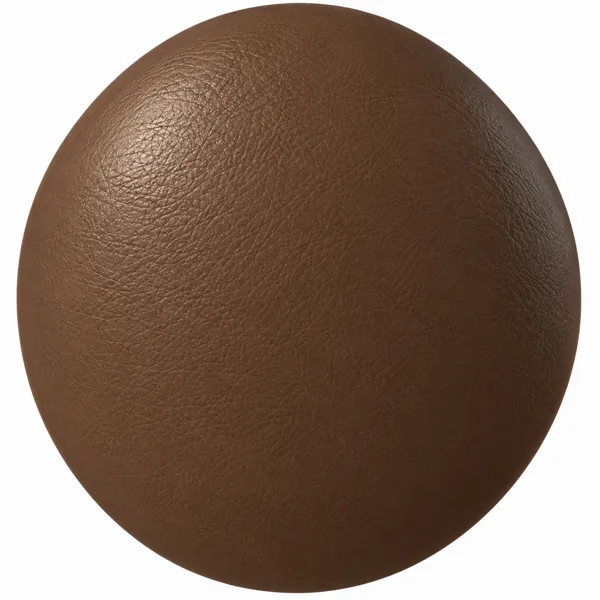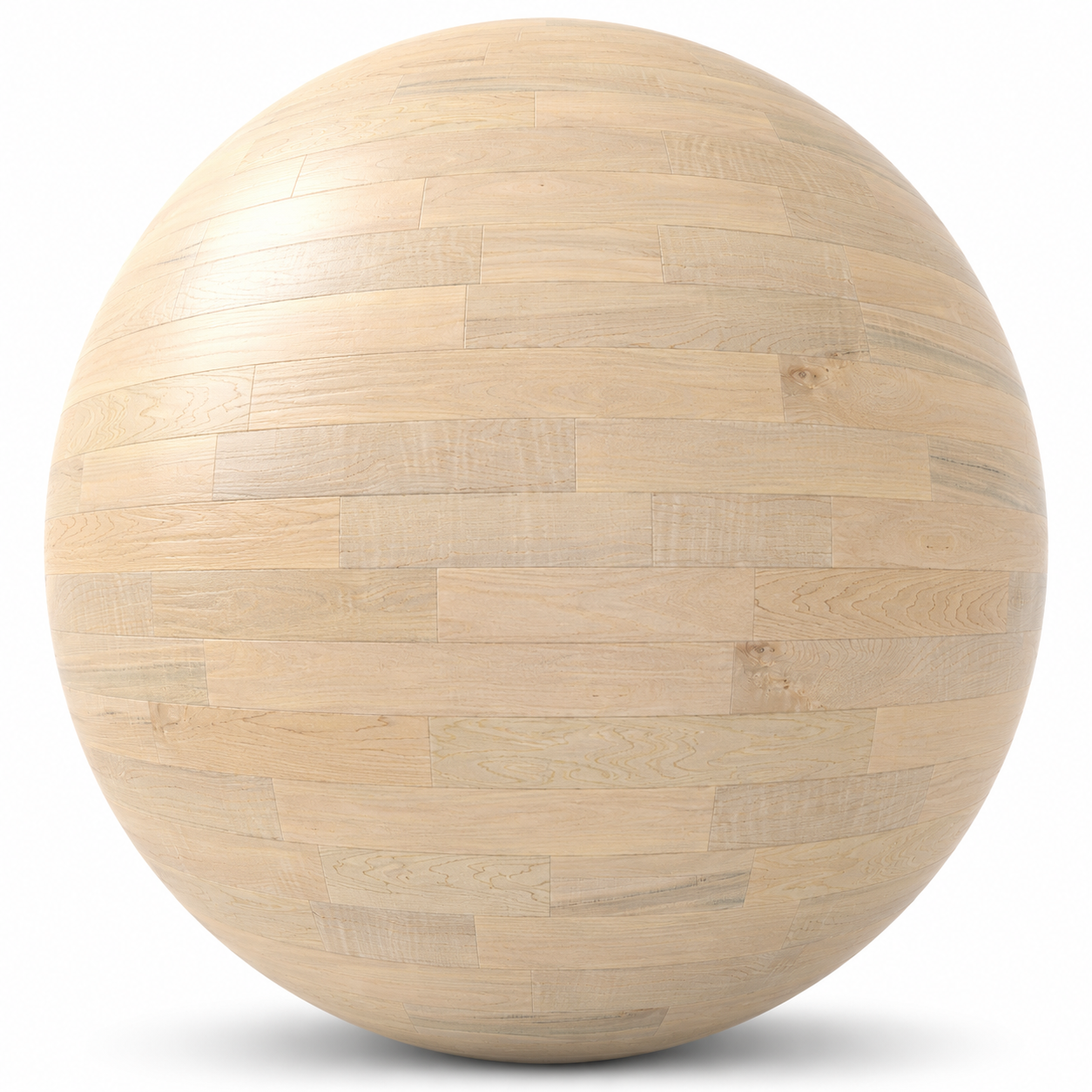
Bleached Oak Parquet Texture – Pale Beige Mixed Grain
Parquet No. 00026
FREE
Specifications
- Brand
- Laruus
- Style
- Modern
- Material
- Wood
- Suitable spaces
- Living Room, Bedroom, Office, Cafe, Commercial, Kitchen, Entrance, Childroom
- Color
- BeigeBrown
- File types
- Albedo MapAlpha MapAO MapBump MapDiffuse Color MapEdge MapEmission MapHeight MapMetallic MapNormal MapPacked Texture MapRoughness Map
Pale Beige Varied Oak Grain
Description
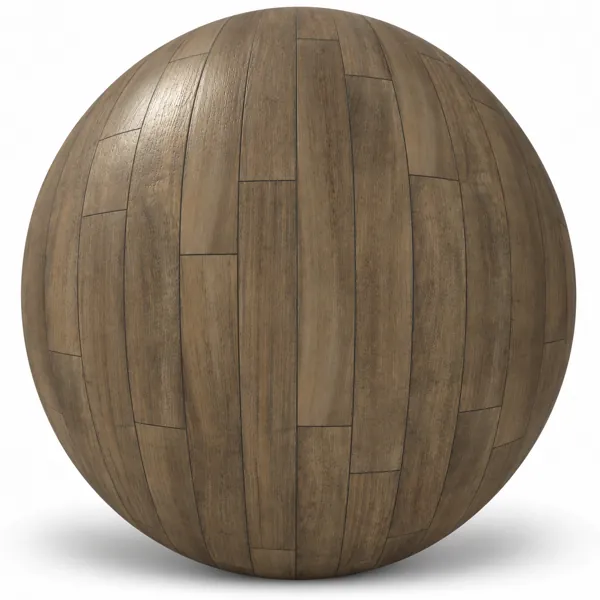
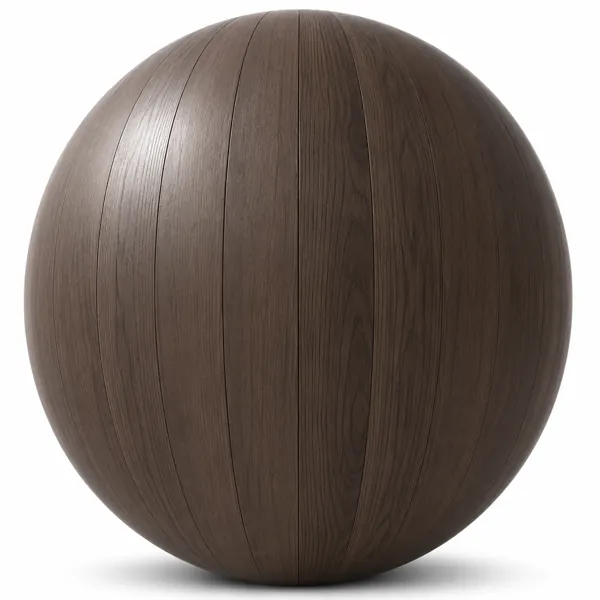
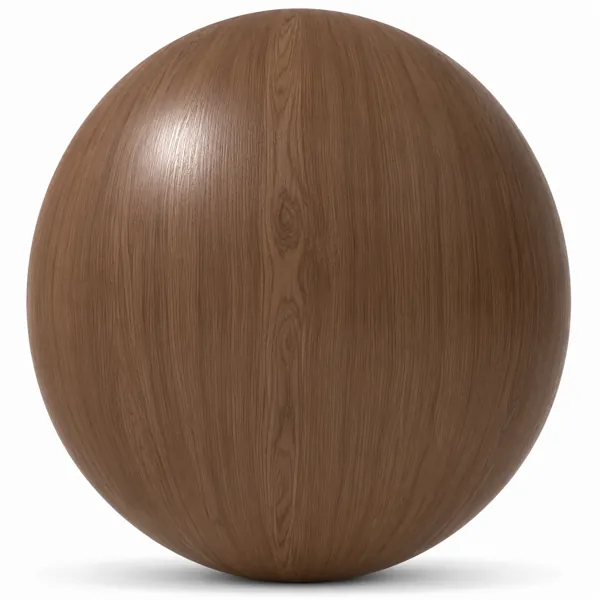
This bleached oak parquet texture is defined by its bright pale-beige coloration, softly varied board tones and visible natural grain. Its most distinctive visual quality is the combination of creamy beige timber with faint warm-brown and lightly desaturated streaks distributed across staggered rectangular planks. Some boards appear cleaner and more uniform, while others show stronger linear grain, gentle cathedral-like figures, subtle knots or slightly gray-brown markings. This variation gives the surface a natural, lightly weathered character without making it look heavily distressed. Compared with golden or honey-toned parquet, the overall appearance is noticeably lighter and more neutral, making it suitable for contemporary interiors that need a warm wood surface with an airy visual presence.
The visible construction consists of elongated rectangular wood planks arranged horizontally in staggered rows. Board lengths vary considerably, producing frequent offset end joints and reducing mechanical repetition across the surface. Plank widths appear moderately narrow to medium, creating more visual detail than a broad-plank floor while remaining calmer than very narrow strip parquet. Grain direction generally follows the length of each board, but individual pieces show different densities and growth patterns. Fine parallel fibers alternate with broader flowing formations, occasional oval figures and small knot details. Some sections contain muted gray-beige streaks that strengthen the bleached appearance. Deep cracks, heavy rustic damage and strongly pronounced distressing are not dominant. The surface appears relatively smooth under the preview lighting, with a restrained satin-like reflection rather than a glossy finish.
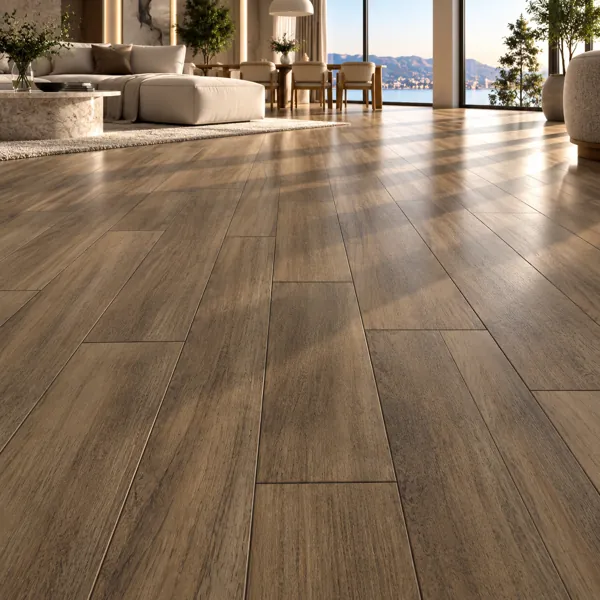
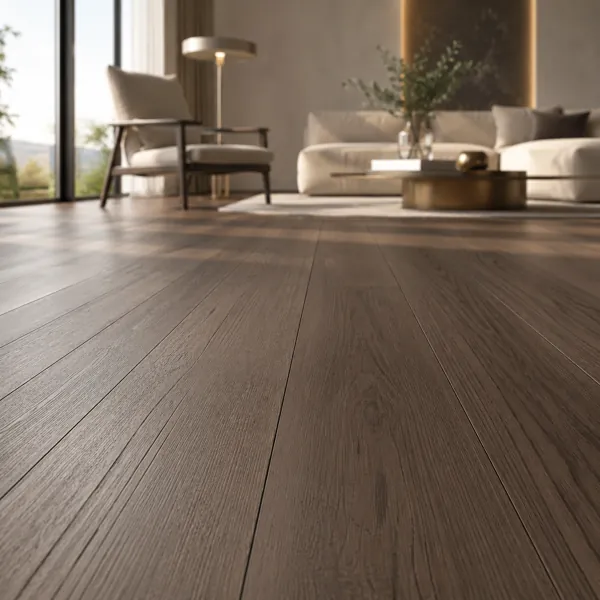
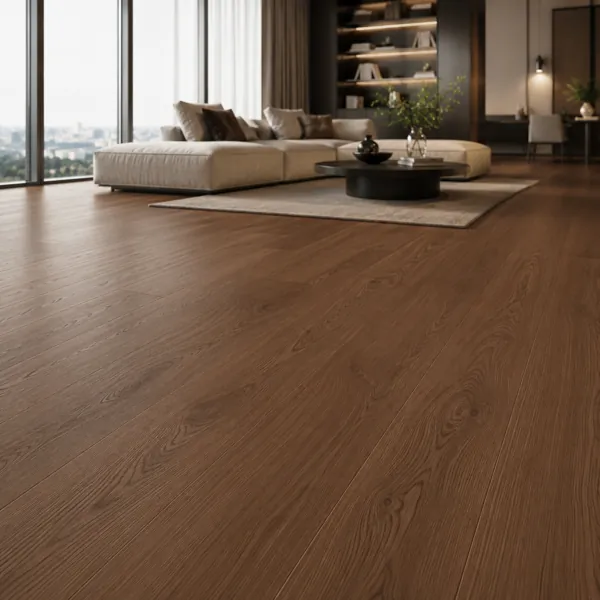
This light parquet can work effectively in living rooms, bedrooms, offices, cafes, commercial interiors, kitchens, entrance areas and child rooms. Its bright beige palette is especially useful where flooring should support natural light and maintain an open, calm atmosphere. The staggered board arrangement adds enough texture to keep larger rooms visually interesting without creating an overly graphic pattern. Beyond flooring, the same wood character can be applied in visualization projects to wall panels, cabinetry, furniture fronts, reception counters, shelving or other architectural surfaces. The pale beige and soft brown tones pair naturally with white plaster, cream paint, light stone, gray concrete, black metal, brushed metal, glass and neutral textiles.
For architectural visualization and CGI workflows, the mixed grain and subtle tonal differences provide useful material detail across several camera distances. Close-up renders can emphasize fine fibers, slight knots, board seams, muted color shifts and the soft reflective response. Medium views reveal the staggered rhythm and differences between individual planks, while wide compositions allow the surface to read as a coherent light wood field. Because the color contrast remains restrained, the texture can cover large areas without becoming visually noisy. The spherical preview also helps archviz artists evaluate plank repetition, grain continuity, pattern scale and apparent reflectivity across curved geometry.
Within contemporary interior design, this bleached beige oak look works particularly well in minimalist, Scandinavian-inspired, warm-modern and natural material palettes. Its light tone can soften dark furniture, complement cream upholstery and support understated architectural compositions. In open-plan interiors, the horizontal planks can reinforce continuity across connected zones. Used on selected built-in elements or feature surfaces, the same finish can create material cohesion without requiring dramatic color contrast.
The supplied product information identifies 3ds Max as the 3D software and Corona Renderer as the rendering environment. Specific file extensions, texture resolution, exact plank dimensions, confirmed wood species, mapping method, displacement settings and seamless tiling properties are not provided and should not be assumed. The visible preview supports identification of the pale bleached-beige coloration, staggered rectangular plank layout, mixed natural grain, occasional subtle knots and relatively smooth satin-like surface appearance. Project-specific scale, mapping orientation and material parameters should be checked directly in the supplied asset before final production rendering.
Frequently asked questions
Is this texture free?
Yes. You can download it with a free Laruus account. Free textures are limited to 5 downloads per day.
Which software can I use this texture in?
The maps are standard image files, so they work in any renderer with PBR materials, such as Corona or V-Ray in 3ds Max, Blender, SketchUp with V-Ray or Enscape, and Unreal Engine.
What do I get when I download it?
A 97.2 MB download. It was added to Laruus on June 28, 2026.
Which spaces is it suitable for?
It suits Living Room, Bedroom, Office, Cafe, Commercial, Kitchen, Entrance, and Childroom projects. Style: Modern.
Are there 3D models that use this material?
Yes. Laruus has 3D models in the same material:
- Wood — 197Browse Armchairs (29)