Specifications
- Brand
- Laruus
- Style
- Modern
- Material
- Metal, Wood
- Suitable spaces
- Living Room, Kitchen, Office, Cafe, Commercial
- Color
- BrownGraySilver
- File types
- 3D's MaxCorona Rendererfbxmtl3dsMapjpegobj
Oak Wood Dining Table with Brushed Metal Pedestal 3D Model - 3D Model 3D's Max Corona Renderer
Description
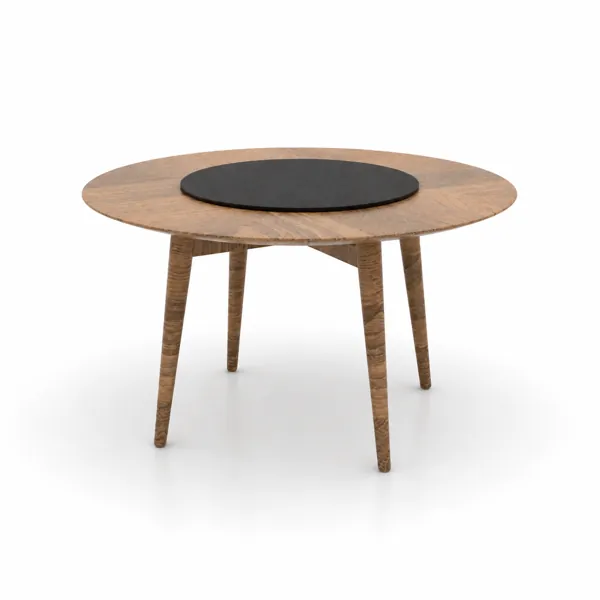
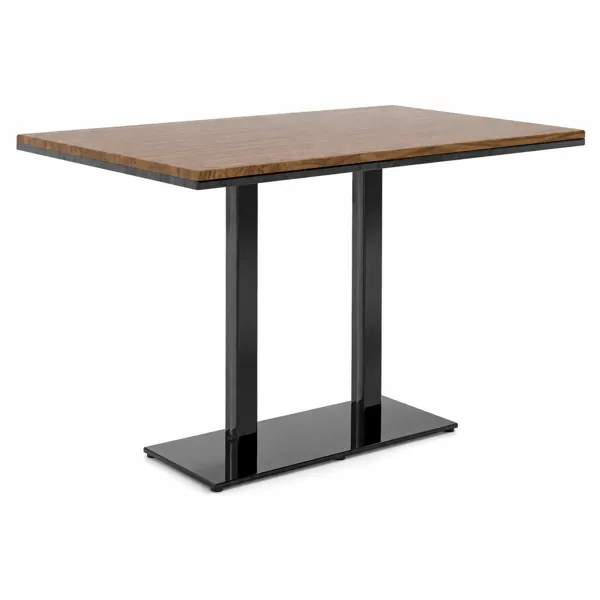
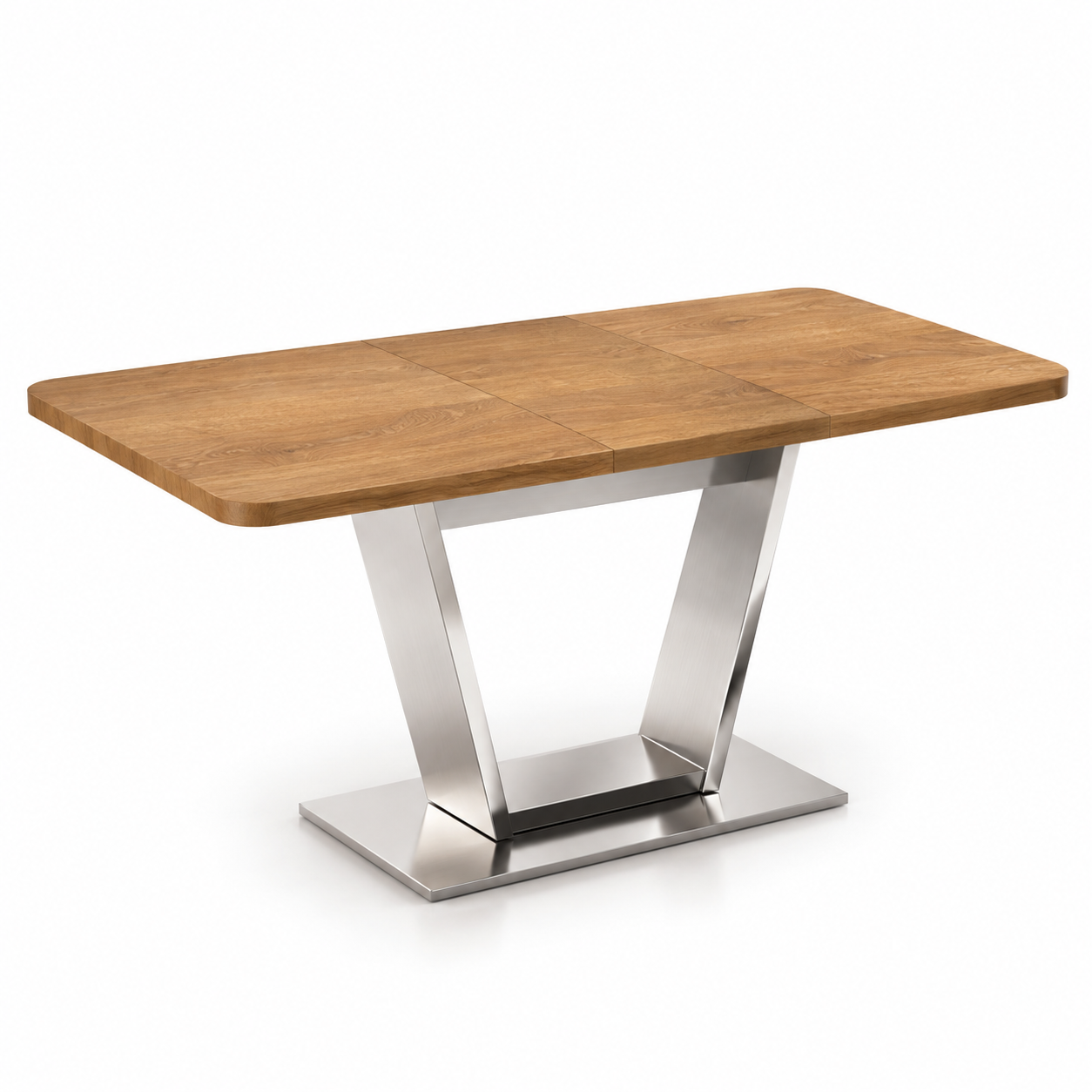
The Oak Wood Dining Table with Brushed Metal Pedestal 3D Model represents a contemporary rectangular dining table distinguished by its warm brown wood appearance, gently rounded tabletop corners, and sculptural metallic pedestal base. The design combines the familiar character of natural wood grain with a geometric supporting structure that introduces a contrasting industrial influence. Its broad tabletop features a continuous-looking wooden surface with visible grain movement, subtle tonal differences, and softly finished edges. Beneath the top, two inclined metal supports connect to a wide rectangular floor plate, producing an architectural silhouette that remains visually open around the seating area. The combination of warm wood and cool metallic finishes creates a balanced furniture composition suited to modern residential and commercial interiors. Rather than relying on decorative ornamentation, the table expresses its character through material contrast, proportion, and the relationship between its horizontal surface and angular supporting elements.
The tabletop displays a medium warm brown wood finish with naturally inspired grain patterns running across its rectangular surface. Variations in the grain introduce darker linear markings, occasional knots, and subtle changes in tone that help establish a recognizable wooden appearance. The corners are gently rounded, while the edges maintain a relatively substantial but visually controlled thickness. The metal pedestal has a brushed silver-gray appearance with directional highlights and restrained reflections. Its structure includes two broad inclined supports arranged beneath the tabletop, connecting visually to a flat rectangular base plate. The angled supports create a distinctive geometric composition and allow the table to maintain an open area beneath its surface. The supplied material information identifies wood and metal as the main components. The appearance resembles oak-toned wood, although the exact timber species, manufacturing method, metal alloy, and surface coating cannot be confirmed from the image. Precise dimensions and construction details are likewise not available from the visual reference.
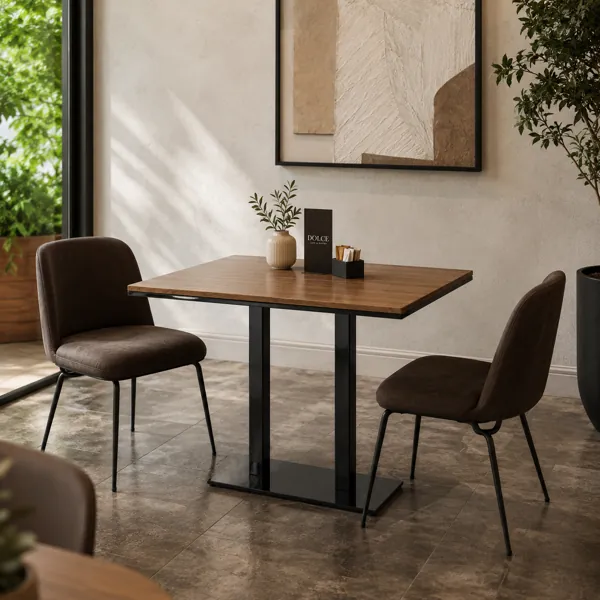
This rectangular dining table is suitable for contemporary dining rooms, open-plan living spaces, spacious kitchens, selected office meeting areas, boutique cafes, and commercial hospitality interiors. Its elongated tabletop provides a practical visual arrangement for seating along both sides, while its central pedestal-style support avoids the appearance of conventional legs positioned at the four corners. In residential interiors, the table can serve as the focal point of a dining area furnished with upholstered chairs, textured rugs, stone flooring, and warm architectural lighting. Neutral seating in beige, cream, or warm gray can complement the brown wood finish while allowing the metallic pedestal to remain visible. In commercial interiors, the combination of a natural-looking wooden surface and geometric base can support contemporary dining concepts. Seating capacity, circulation requirements, and ergonomic clearances should be determined using verified dimensions rather than assumptions based on the image.
For architectural visualization and CGI workflows, the table offers contrasting material characteristics that respond differently to lighting. The wooden tabletop benefits from directional grain definition, restrained reflections, and subtle variation in surface tone. The brushed metal pedestal can display elongated highlights that reveal its angled planes and metallic character without creating an excessively mirror-like appearance. Three-quarter camera perspectives are particularly useful for presenting both the rectangular tabletop and the sculptural base within a single composition. Lower camera positions can emphasize the inclined supports and their relationship with the rectangular floor plate, while slightly elevated views reveal the wood grain and rounded tabletop corners. The model can be incorporated into residential dining visualizations, furniture catalogs, hospitality interiors, and architectural presentation scenes. Accurate contact shadows beneath the metal base and balanced reflections across the tabletop help establish a believable relationship between the furniture and its surrounding environment.
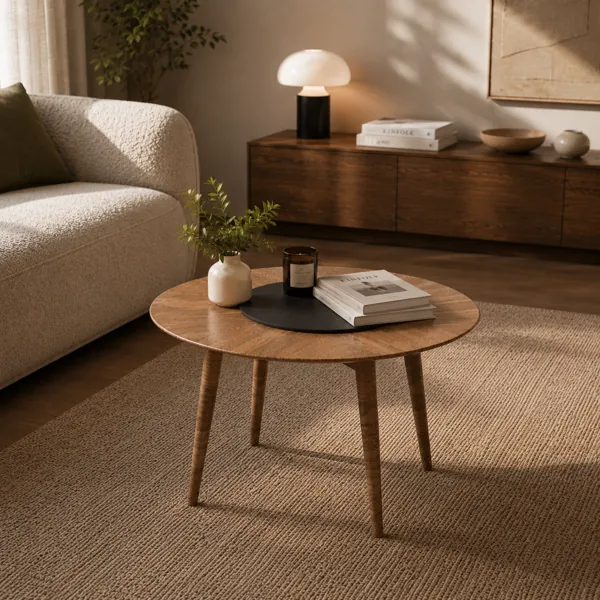
Within contemporary interior design, this wood and metal dining table pairs naturally with upholstered dining chairs, warm wood wall paneling, textured fabrics, and stone finishes. Its brown tabletop introduces warmth into spaces dominated by neutral architectural materials, while the silver-gray pedestal provides a contrasting geometric accent. The table can be positioned over a large textured rug to define a dining zone within an open-plan interior. Warm indirect lighting, softly filtered daylight, and carefully selected decorative objects can reinforce the natural appearance of the wood without distracting from its grain pattern. Rounded upholstered chairs complement the softened tabletop corners, while linear cabinetry and architectural wall details echo the geometric character of the pedestal. The result is a balanced composition in which the table functions as both a practical dining surface and a distinctive central furniture element.
The model is specified for 3D's Max and Corona Renderer, with listed file formats including fbx, mtl, 3ds, max, obj, and jpeg. These formats may support different modeling, material exchange, and rendering workflows depending on the actual files supplied. The reference image confirms the visible rectangular wooden tabletop, rounded corners, brushed metal supports, and wide metallic floor plate. However, exact measurements, polygon count, UV layout, material configuration, and internal construction details cannot be verified from the image alone. For realistic rendering, the wood grain should maintain an appropriate directional scale and natural tonal variation, while the metal should display controlled anisotropic-looking reflections consistent with a brushed finish. Excessive gloss, artificial grain repetition, and overly sharp highlights should be avoided. This dining table is suitable for contemporary furniture visualization, interior design presentations, architectural CGI, and realistic dining room scenes requiring a distinctive combination of warm wood and sculptural metal.
Frequently asked questions
Is this 3D model free?
Yes. You can download it with a free Laruus account.
Which software can I use this 3D model in?
It is prepared for 3ds Max with Corona Renderer. Via FBX and OBJ, it can be opened in Blender, Cinema 4D and Maya. Via 3DS, it can be imported into SketchUp. Corona Renderer materials need to be set up again in other programs.
What do I get when I download it?
A 3.8 MB download with 3ds Max (Corona Renderer), FBX, OBJ + MTL, and 3DS files. Texture images are included. It was added to Laruus on October 24, 2026.
Which spaces is it suitable for?
It suits Living Room, Kitchen, Office, Cafe, and Commercial projects. Style: Modern.
Are there textures that go with it?
Yes. Laruus has textures in the same materials:
- Metal — 50Browse Metal Texture (50)
- Wood — 207Browse Wood Texture (107)
Can I preview it in 3D before downloading?
Yes. Use the 360 View button on the product images to rotate the model in your browser.